

Request a
calculation form

6. Composite Floor Phases: Construction Phase and Composite Phase

The composite floor has two distinct phases: during construction, the steel deck acts as structural formwork; in service, it becomes an active part of the composite structure. Understanding this process ensures the structural performance of the system.

The structural behavior of a composite floor develops in two successive stages: the construction (formwork) phase, corresponding to the execution process, and the composite phase, which defines the final structural behavior once the concrete has hardened. Each phase presents specific calculation, control, and installation conditions, whose understanding is essential to ensure system safety and efficiency.

Construction Phase

During the construction phase, the galvanized steel deck acts as permanent formwork and as structural support for the fresh concrete. At this stage, it must carry the weight of the poured concrete, construction loads, possible temporary supports, and the ponding effect generated during concreting.

The steel deck is designed considering Ultimate Limit States (ULS) and Serviceability Limit States (SLS) defined in UNE-EN 1994-1-1. Maximum allowable deflections must not exceed L/180 nor 20 mm at mid-span. When deflection exceeds one-tenth of the slab depth, an additional load due to increased self-weight must be considered to account for ponding.

The need for propping depends on the span between supports, slab depth, and deck thickness. When avoiding props is required, more rigid profiles or greater thicknesses may be adopted, always subject to structural verification. Load tables allow identification, for each model, of configurations with or without propping during the construction phase.

Composite Phase

Once the concrete reaches its characteristic strength, the floor enters the composite phase, in which the steel deck and slab act together. The ribbed profile acts as tensile reinforcement, while the concrete resists compression, forming a highly rigid composite slab.

At this stage, Ultimate and Serviceability Limit States are verified again, with particular attention to allowable deflections:

  • L ≤ 3,50 m → L/350

  • L > 3,50 m → L/700 + 5 mm

In the presence of brittle finishes or partitions, more restrictive limits apply.

Additionally, the floor must comply with the fire-resistance requirements established in UNE-EN 1994-1-2. Depending on slab depth and the arrangement of specific bottom reinforcement, high fire classifications can be achieved without additional sprayed protection, subject to configuration and structural calculation.

Incoperfil Composite Profiles

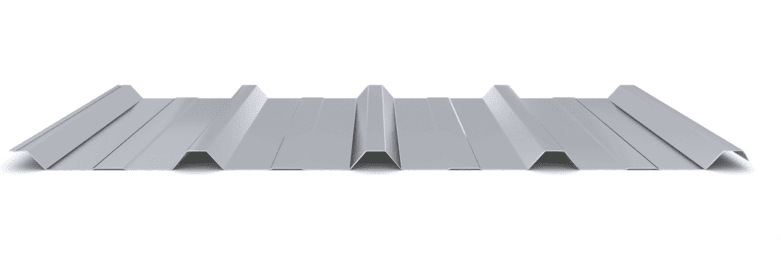
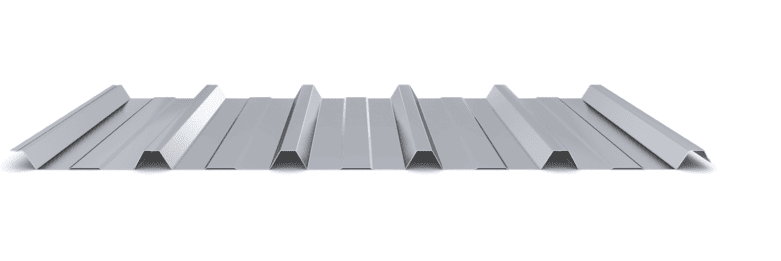
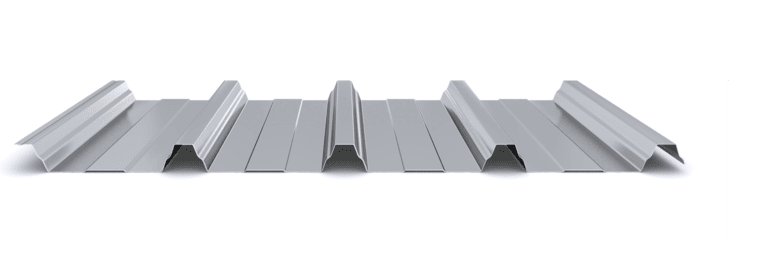
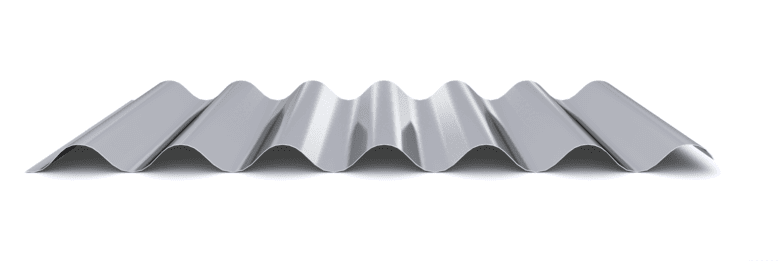
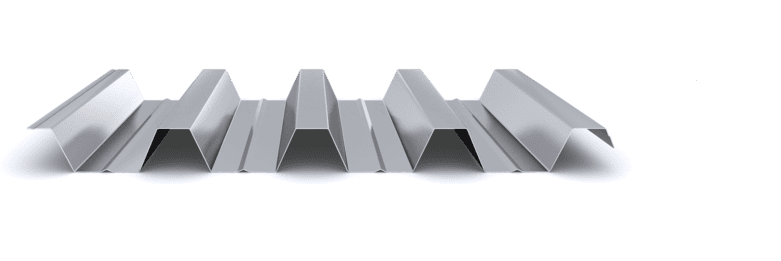
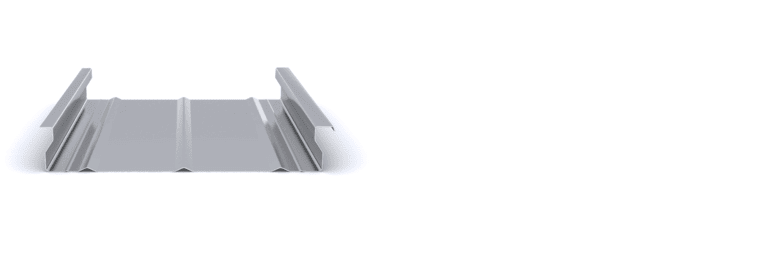
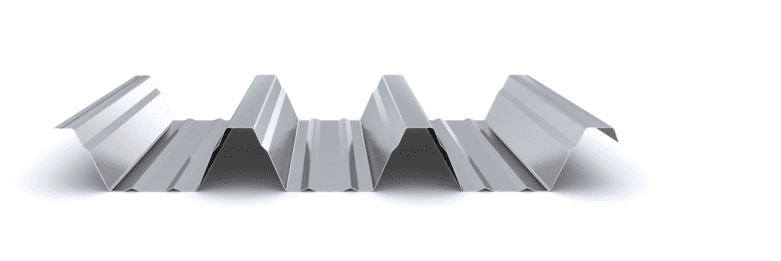
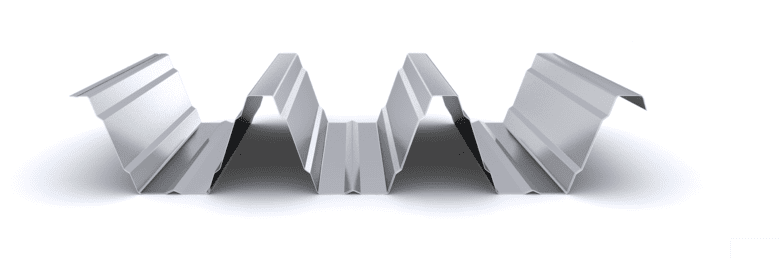
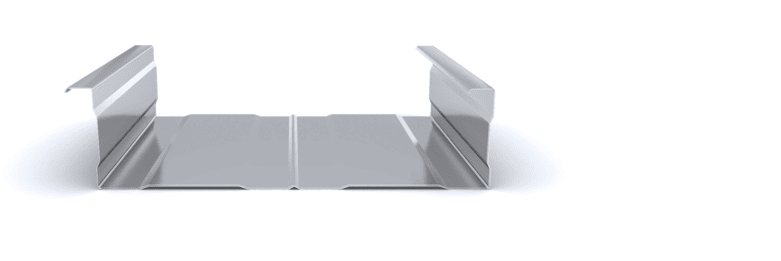
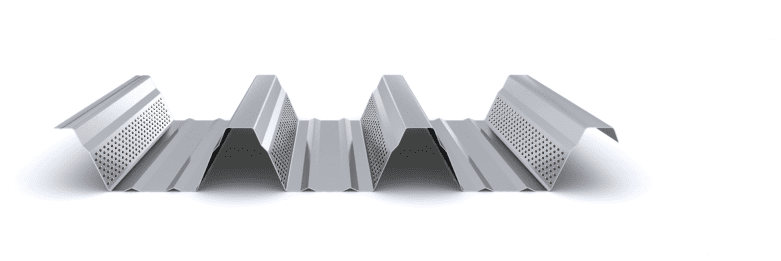
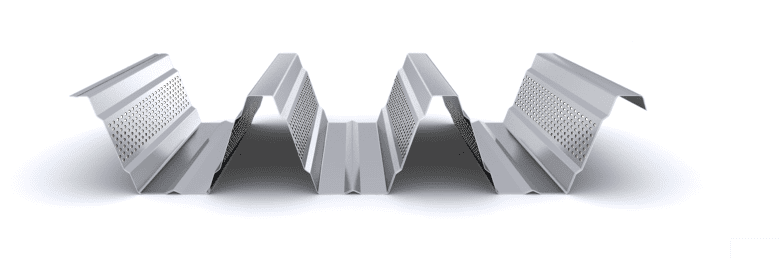
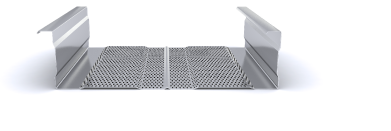
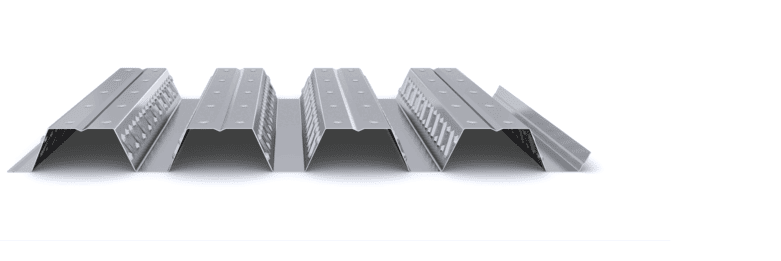
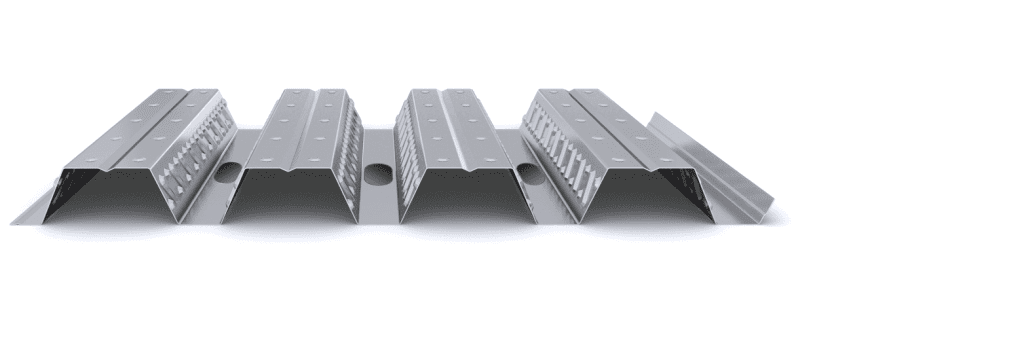
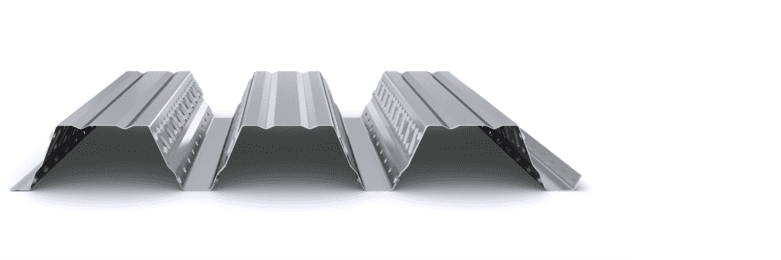
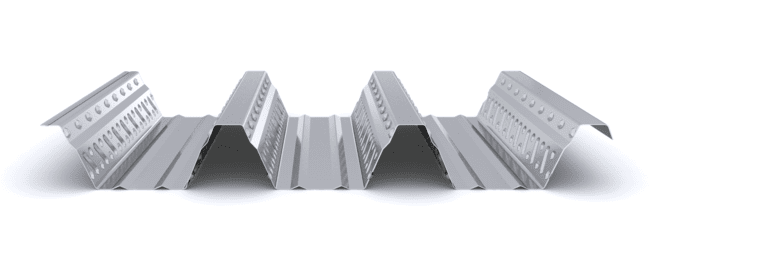
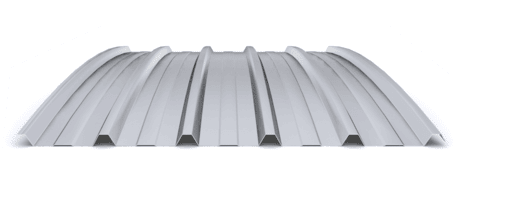
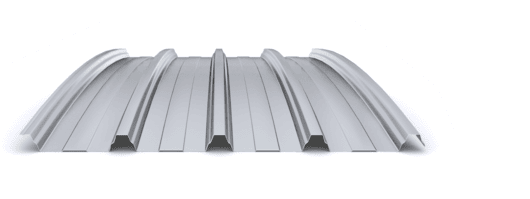
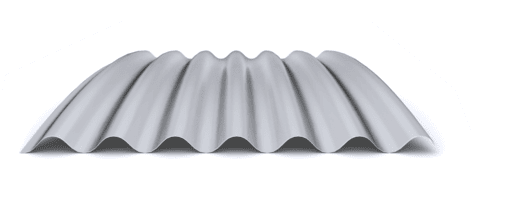
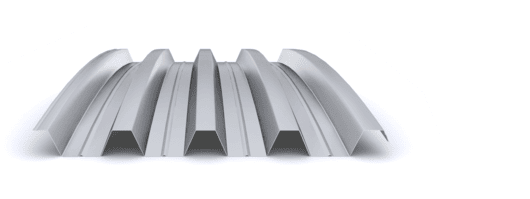
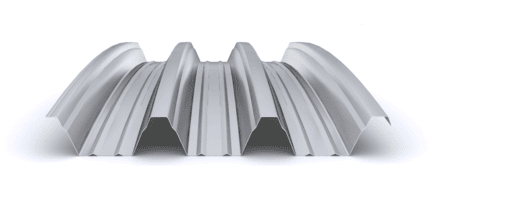
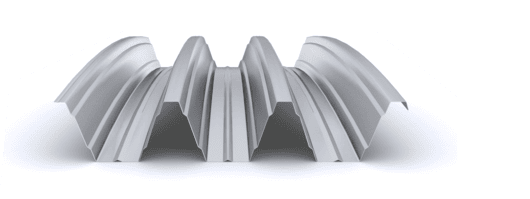
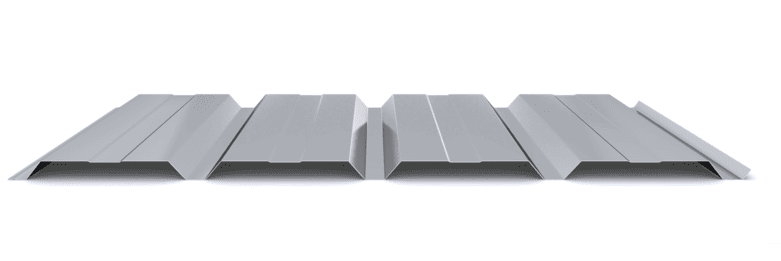
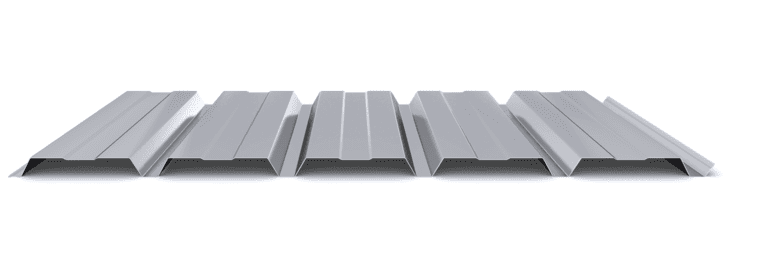
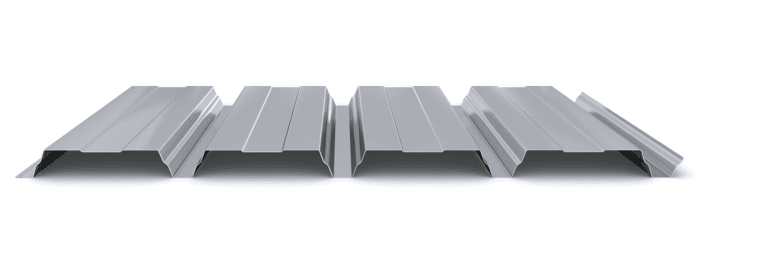
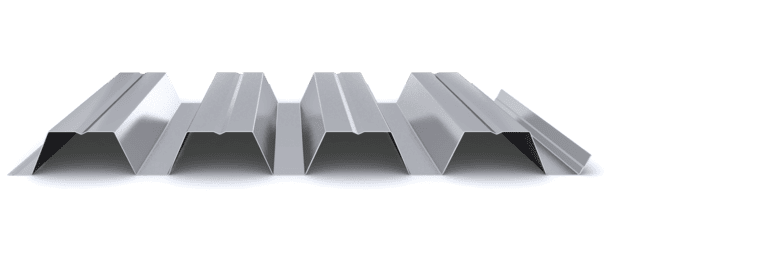
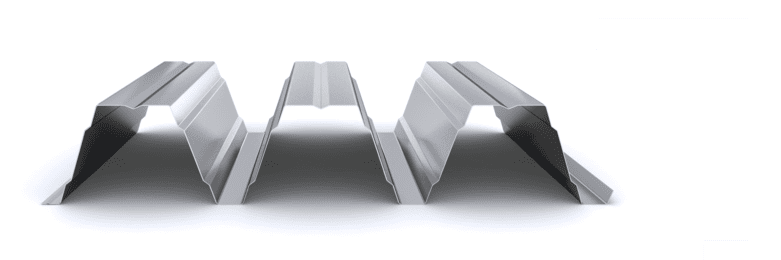
The Incoperfil range of composite profiles allows the structural solution to be adapted to project requirements:

All models are manufactured in galvanized steel or with corrosion-protection coatings, in compliance with CE marking according to UNE-EN 1090.

Conclusion

The composite floor develops its structural behavior in two distinct phases that must be analyzed independently in the design process. Proper verification in both the construction phase and the composite phase ensures safety during execution and adequate structural performance in service, guaranteeing the technical efficiency of the system.

Incoperfil Technical Manual

For a complete definition of the system, design criteria, calculation bases, resistance tables, construction details, and installation procedures, consult the Incoperfil Composite Slab Technical Manual, available upon registration in the Documentation section of the website.


Last update: February 2026

© Incoperfil. All rights reserved.
The technical content of this article forms part of the Composite Flooring Technical Manual and the documentation registered by Incoperfil with ColorURIS (Act No. 1-INCOPERFIL-12.2025).

Home / 6. Composite Floor Phases: Construction Phase and Composite Phase

Guía técnica

23440

6. Composite Floor Phases: Construction Phase and Composite Phase

The composite floor has two distinct phases: during construction, the steel deck acts as structural formwork; in service, it becomes an active part of the composite structure. Understanding this process ensures the structural performance of the system.

The structural behavior of a composite floor develops in two successive stages: the construction (formwork) phase, corresponding to the execution process, and the composite phase, which defines the final structural behavior once the concrete has hardened. Each phase presents specific calculation, control, and installation conditions, whose understanding is essential to ensure system safety and efficiency.

Construction Phase

During the construction phase, the galvanized steel deck acts as permanent formwork and as structural support for the fresh concrete. At this stage, it must carry the weight of the poured concrete, construction loads, possible temporary supports, and the ponding effect generated during concreting.

The steel deck is designed considering Ultimate Limit States (ULS) and Serviceability Limit States (SLS) defined in UNE-EN 1994-1-1. Maximum allowable deflections must not exceed L/180 nor 20 mm at mid-span. When deflection exceeds one-tenth of the slab depth, an additional load due to increased self-weight must be considered to account for ponding.

The need for propping depends on the span between supports, slab depth, and deck thickness. When avoiding props is required, more rigid profiles or greater thicknesses may be adopted, always subject to structural verification. Load tables allow identification, for each model, of configurations with or without propping during the construction phase.

Composite Phase

Once the concrete reaches its characteristic strength, the floor enters the composite phase, in which the steel deck and slab act together. The ribbed profile acts as tensile reinforcement, while the concrete resists compression, forming a highly rigid composite slab.

At this stage, Ultimate and Serviceability Limit States are verified again, with particular attention to allowable deflections:

  • L ≤ 3,50 m → L/350

  • L > 3,50 m → L/700 + 5 mm

In the presence of brittle finishes or partitions, more restrictive limits apply.

Additionally, the floor must comply with the fire-resistance requirements established in UNE-EN 1994-1-2. Depending on slab depth and the arrangement of specific bottom reinforcement, high fire classifications can be achieved without additional sprayed protection, subject to configuration and structural calculation.

Incoperfil Composite Profiles

The Incoperfil range of composite profiles allows the structural solution to be adapted to project requirements:

All models are manufactured in galvanized steel or with corrosion-protection coatings, in compliance with CE marking according to UNE-EN 1090.

Conclusion

The composite floor develops its structural behavior in two distinct phases that must be analyzed independently in the design process. Proper verification in both the construction phase and the composite phase ensures safety during execution and adequate structural performance in service, guaranteeing the technical efficiency of the system.

Incoperfil Technical Manual

For a complete definition of the system, design criteria, calculation bases, resistance tables, construction details, and installation procedures, consult the Incoperfil Composite Slab Technical Manual, available upon registration in the Documentation section of the website.


Last update: February 2026

© Incoperfil. All rights reserved.
The technical content of this article forms part of the Composite Flooring Technical Manual and the documentation registered by Incoperfil with ColorURIS (Act No. 1-INCOPERFIL-12.2025).