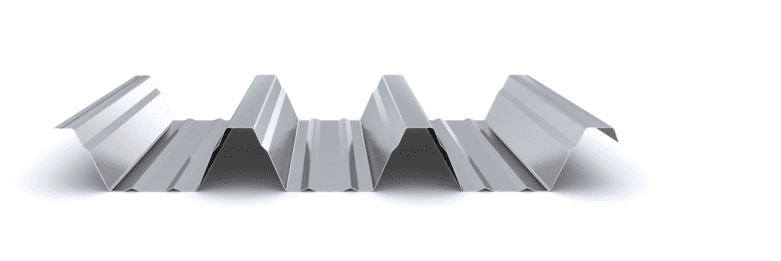
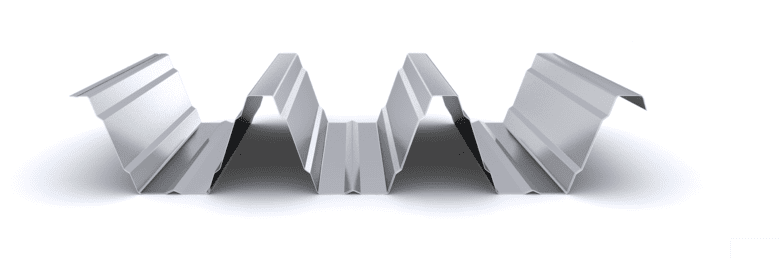
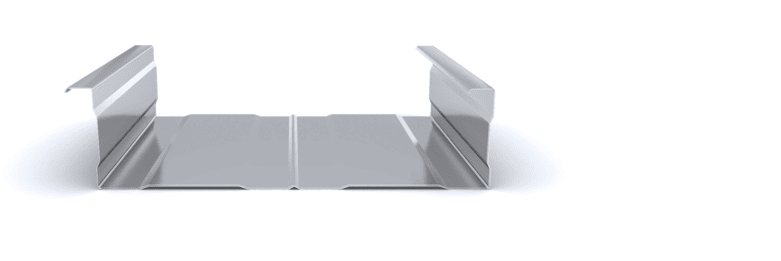
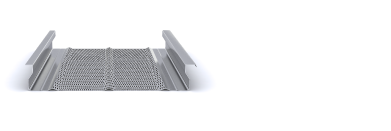
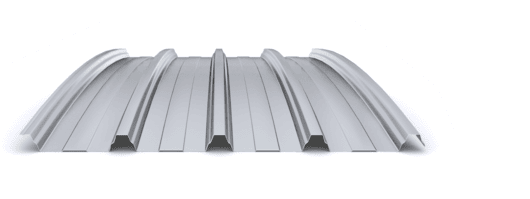
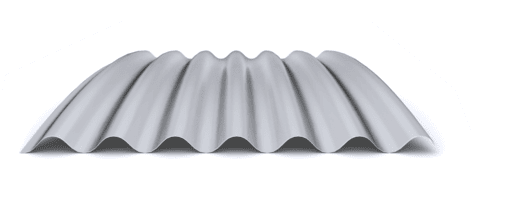
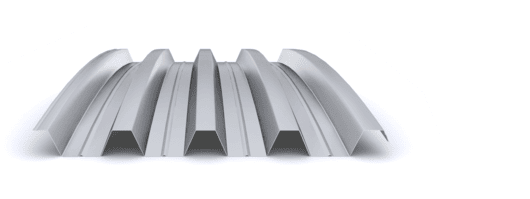
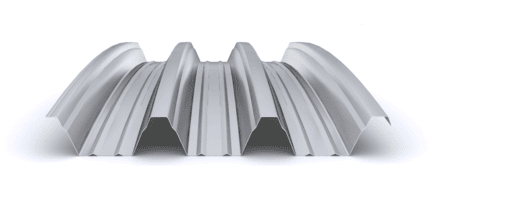
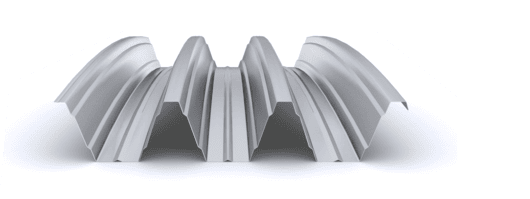
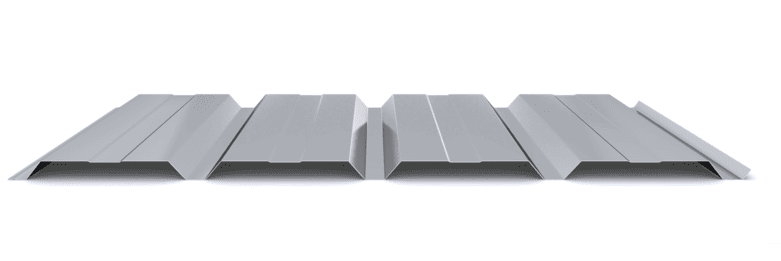
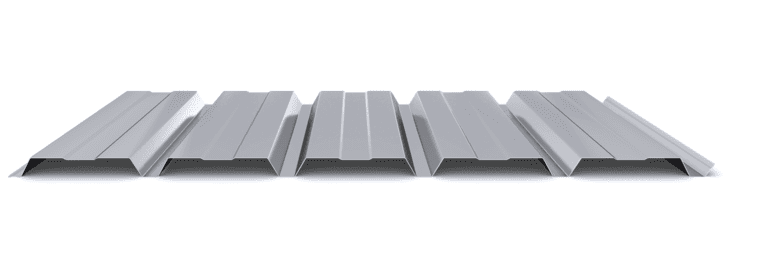
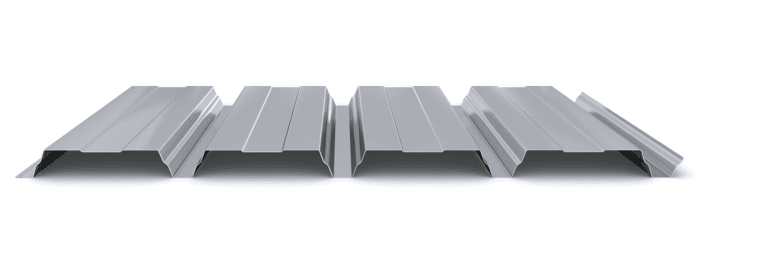
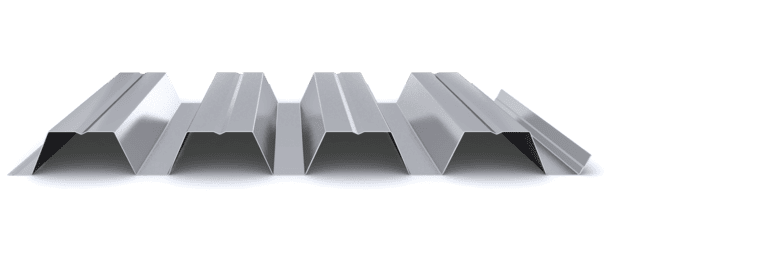
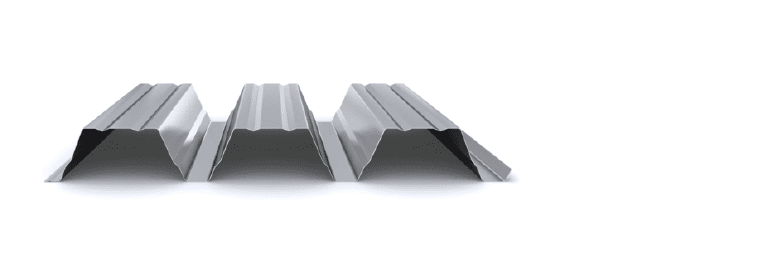
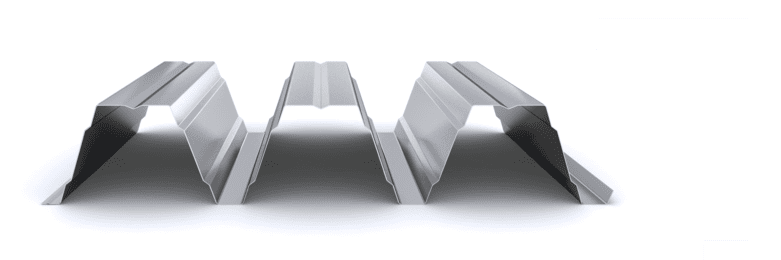
Perforated steel
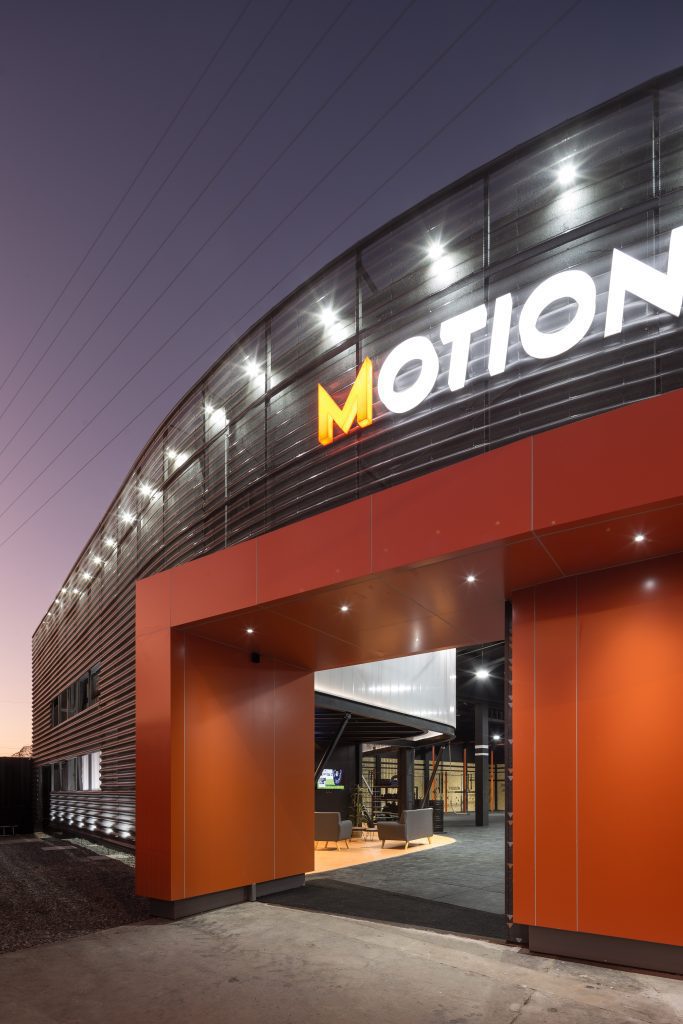
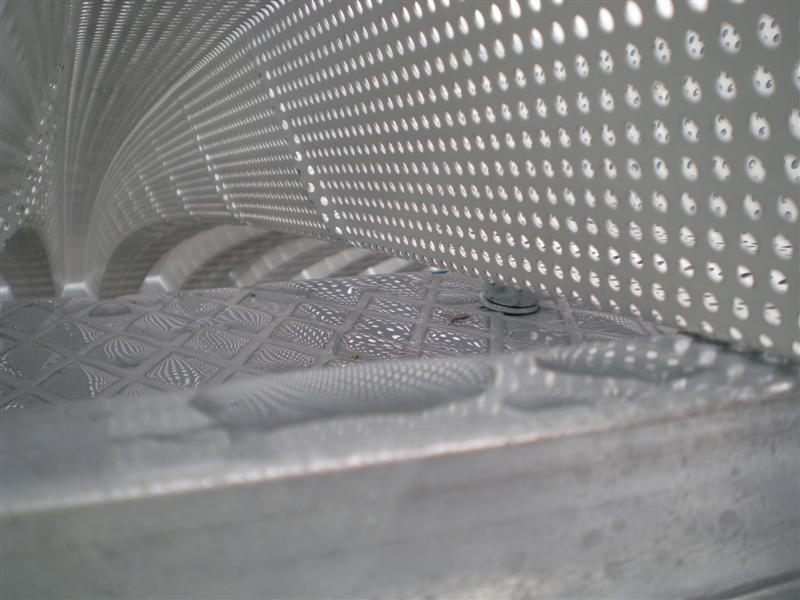
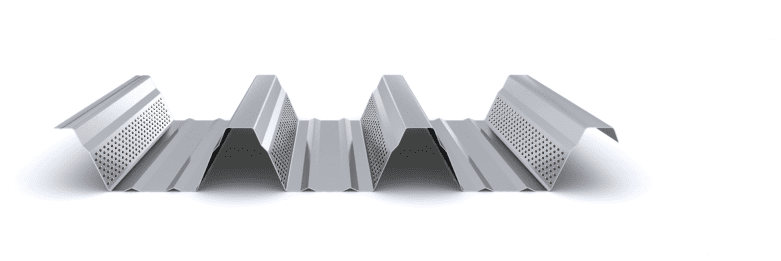
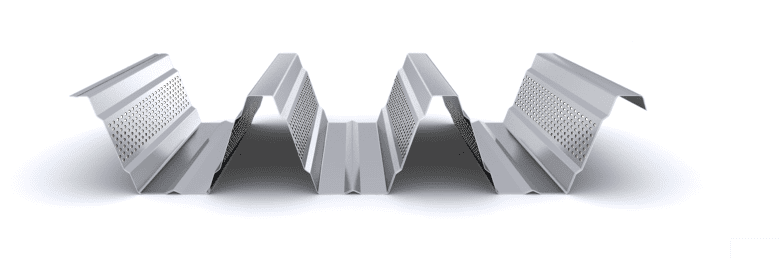
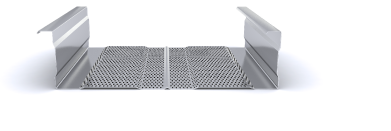
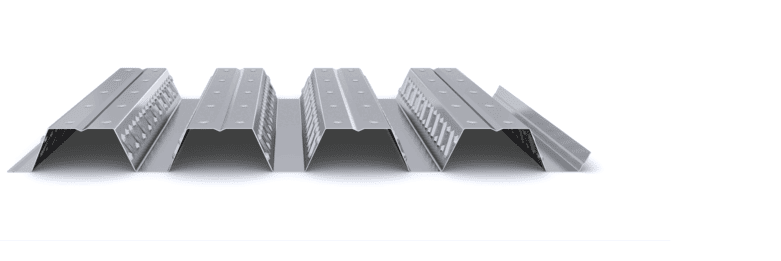
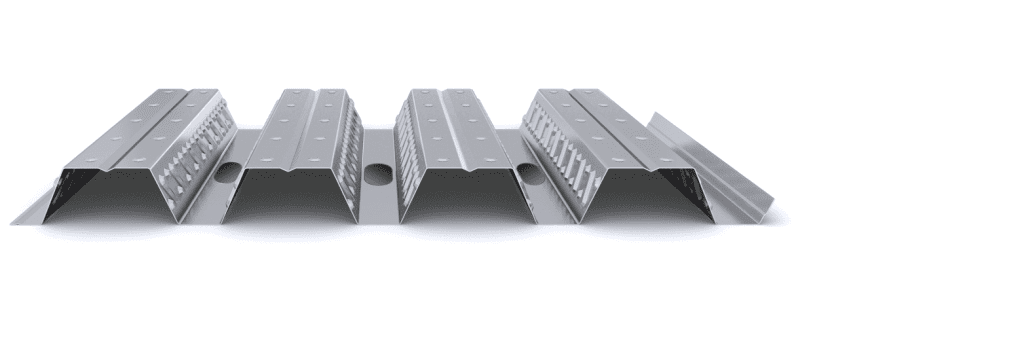
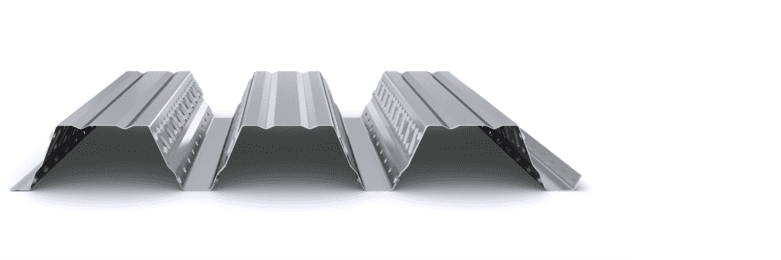
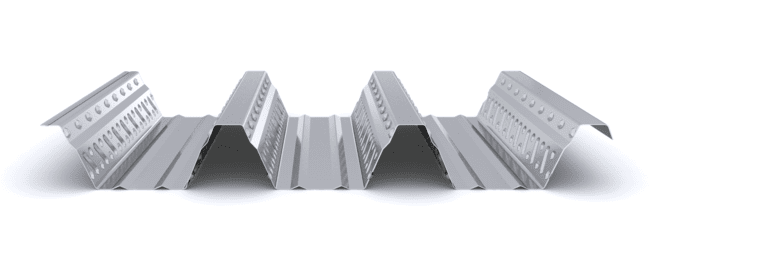
The perforated finish consists of perforating the material before being shaped, mainly in interior applications to improve acoustic absorption or outdoors to act as solar control.
The most common types of perforation are made using circular perforations distributed in staggered fashion, with diameters of 3 and 5 mm. The R3T6 perforation type, where R is the diameter and T is the separation between centers of circumference in mm, is generally used for perforations that cover the entire surface of the material. On the other hand, type R5T8 is used for drilling only in the webs of deep height profiles. Other standardized drilling patterns can be used upon request.
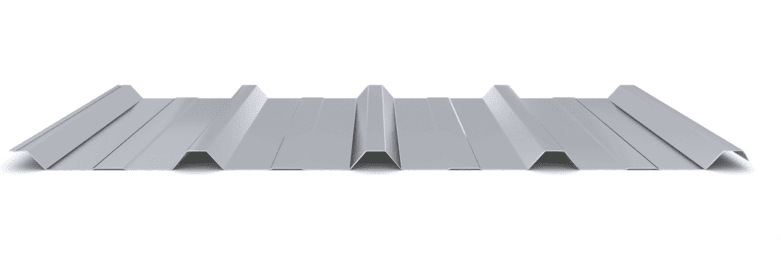
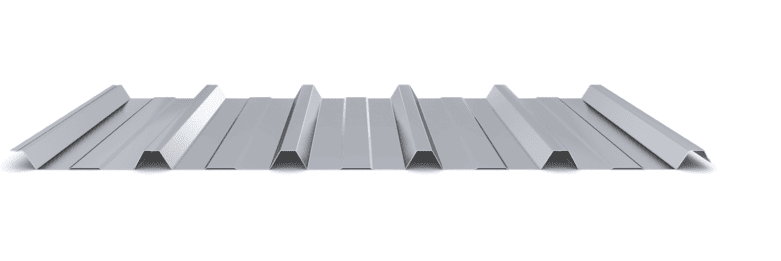
The material drilling process is carried out after the zinc coating and painting processes. As a result, at the edges of each perforation, the steel substrate is exposed, stripped of zinc and paint. For this reason, the use of microperforated steel materials is limited to indoor environments with a very low or low corrosivity category, type C1 or C2. The use of materials such as zinc-magnesium (ZM), which ensures protection of exposed edges in aggressive environments, or a subsequent process of lacquering the parts, constitute the only options to guarantee adequate corrosion resistance of the perforated materials. , both indoors and outdoors.
Therefore, the use of a perforated material is due to technical, energy or aesthetic needs, such as:
- Improved acoustic absorption indoors.
- Regulation of solar incidence inside the building.
- Unification of the façade design, covering the gaps and blind parts under the same envelope.