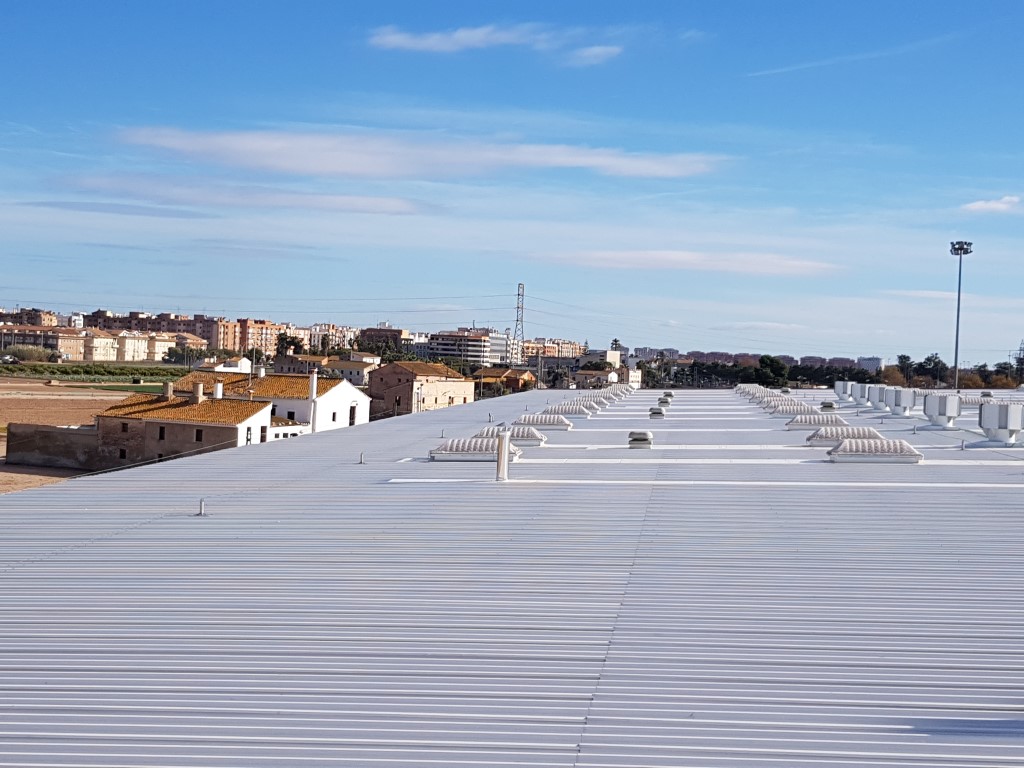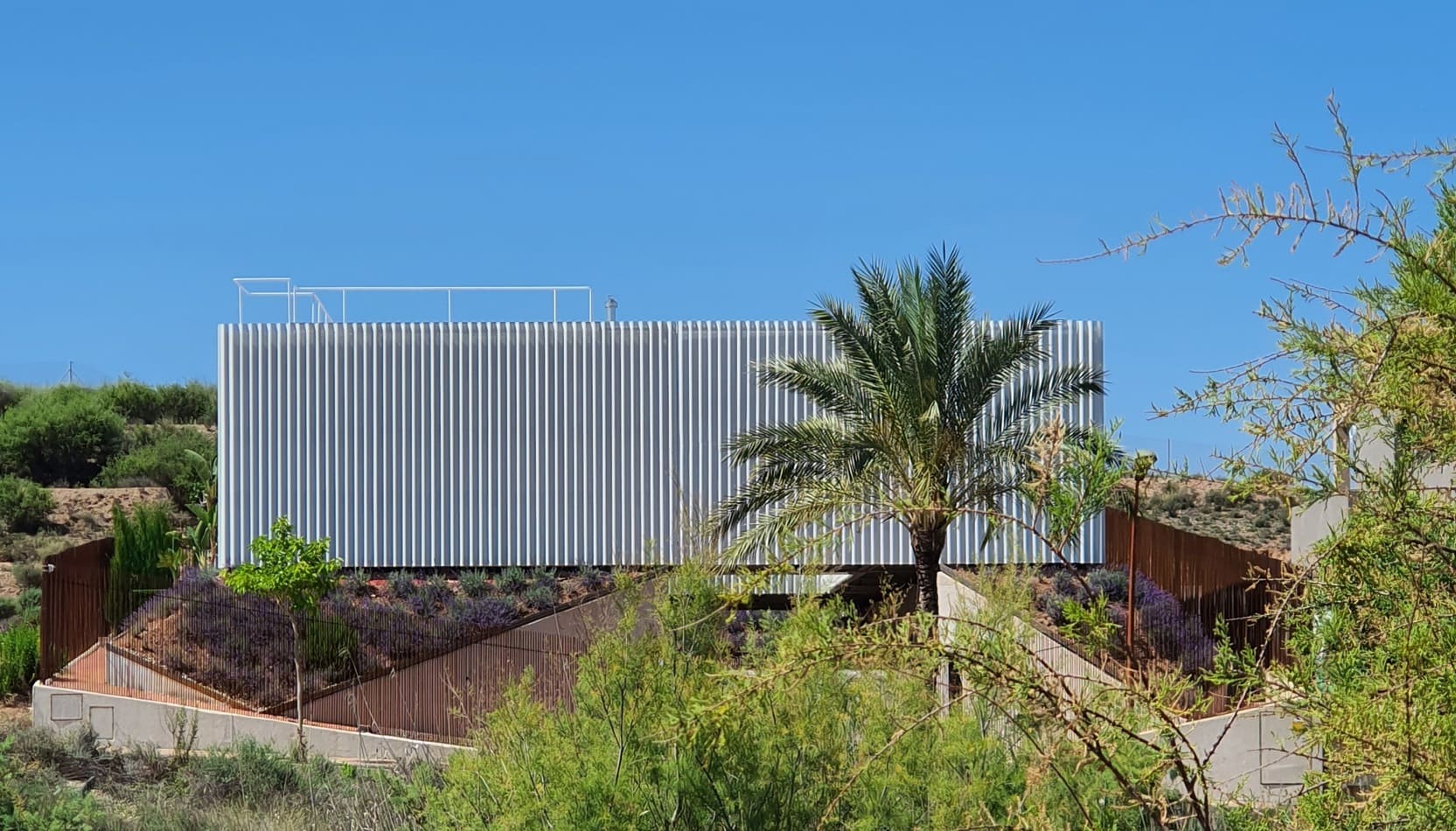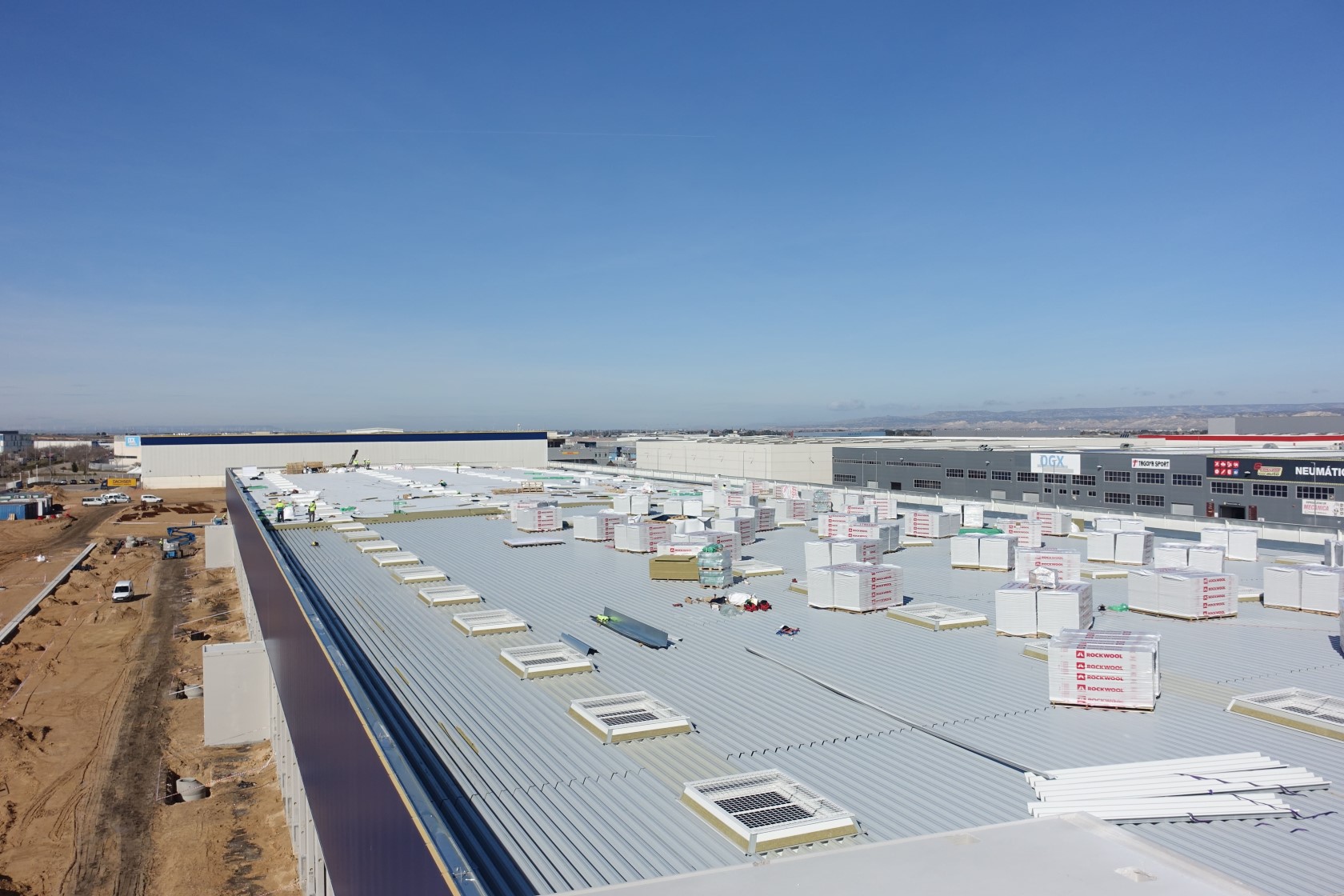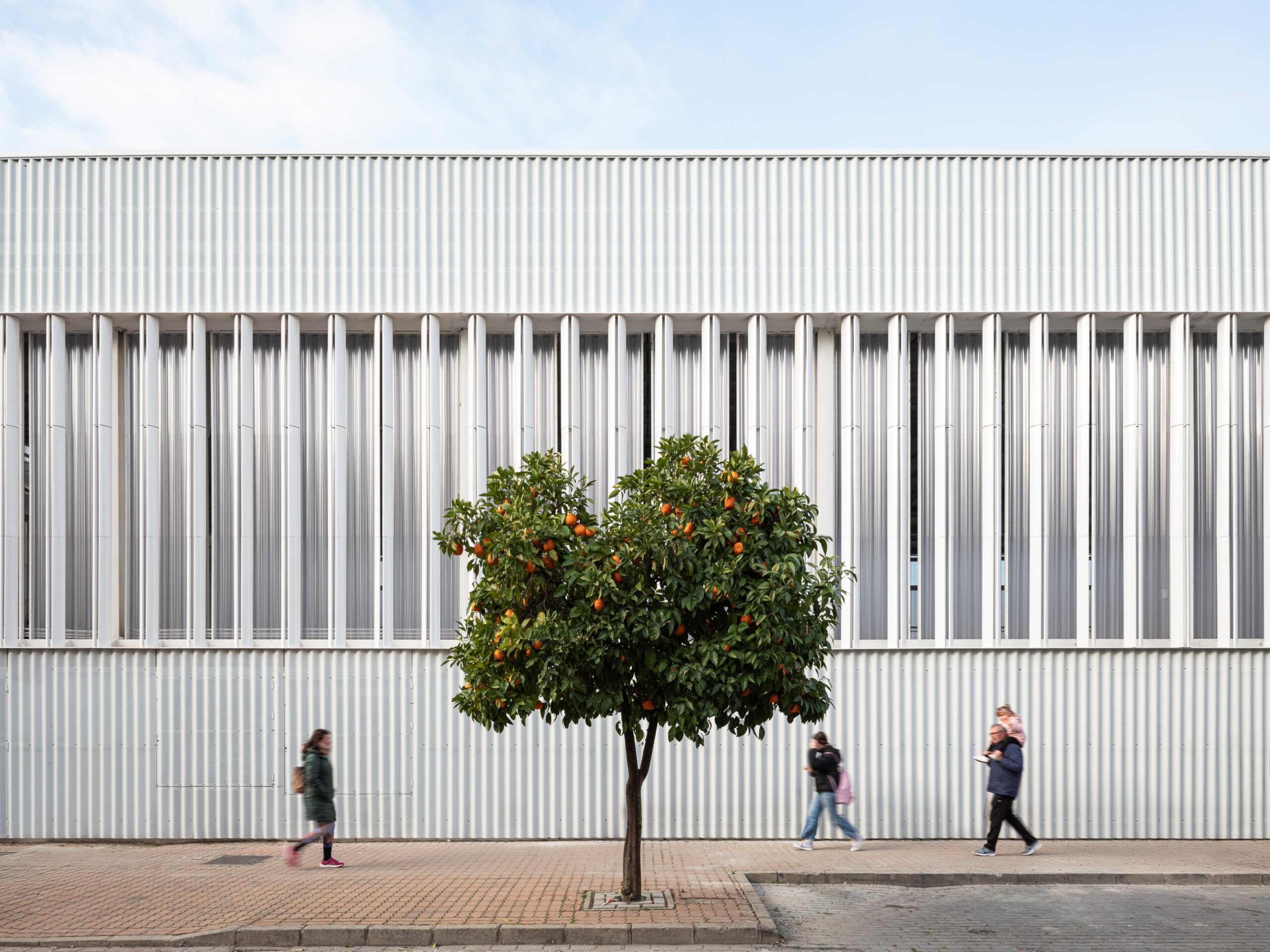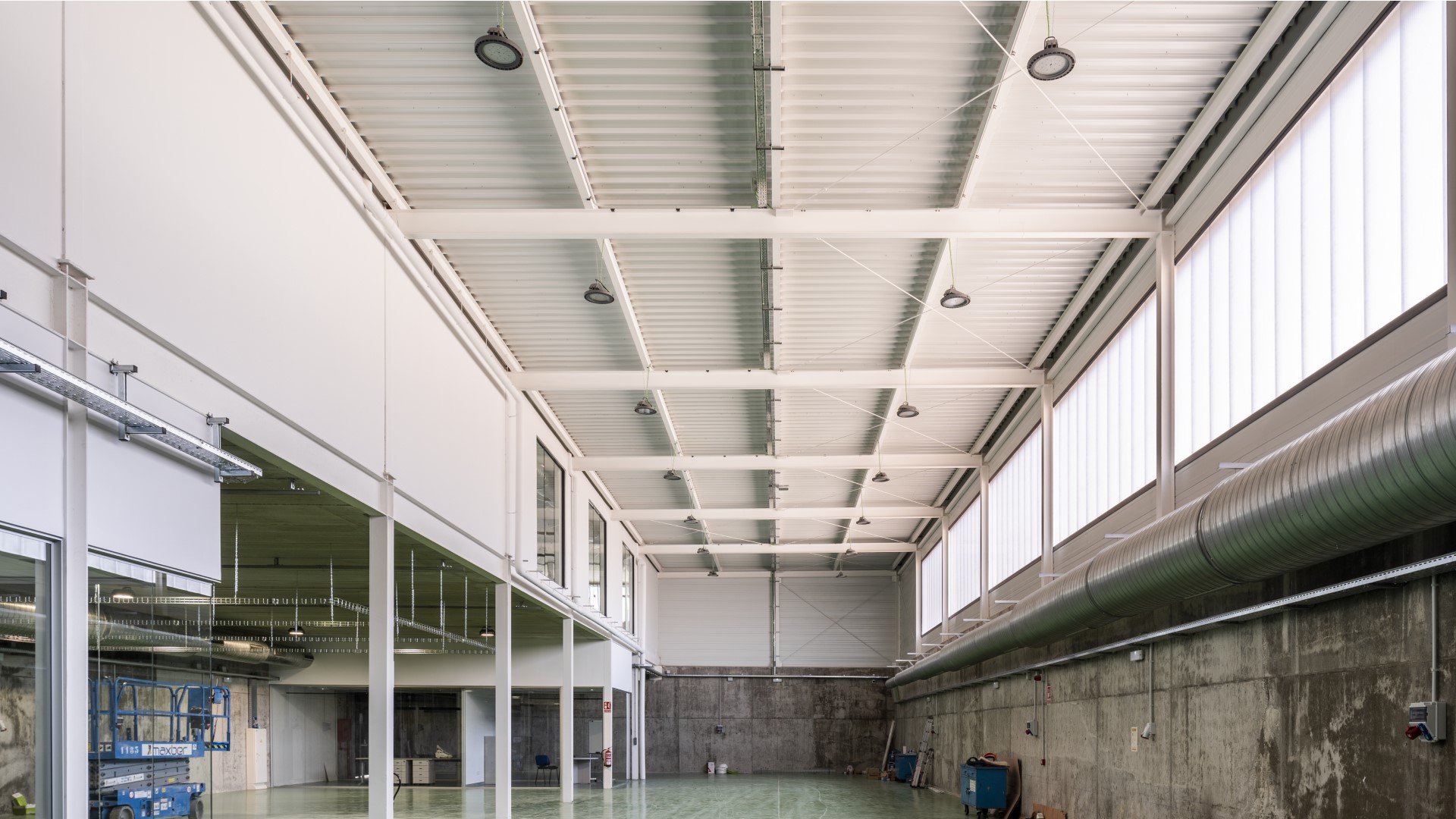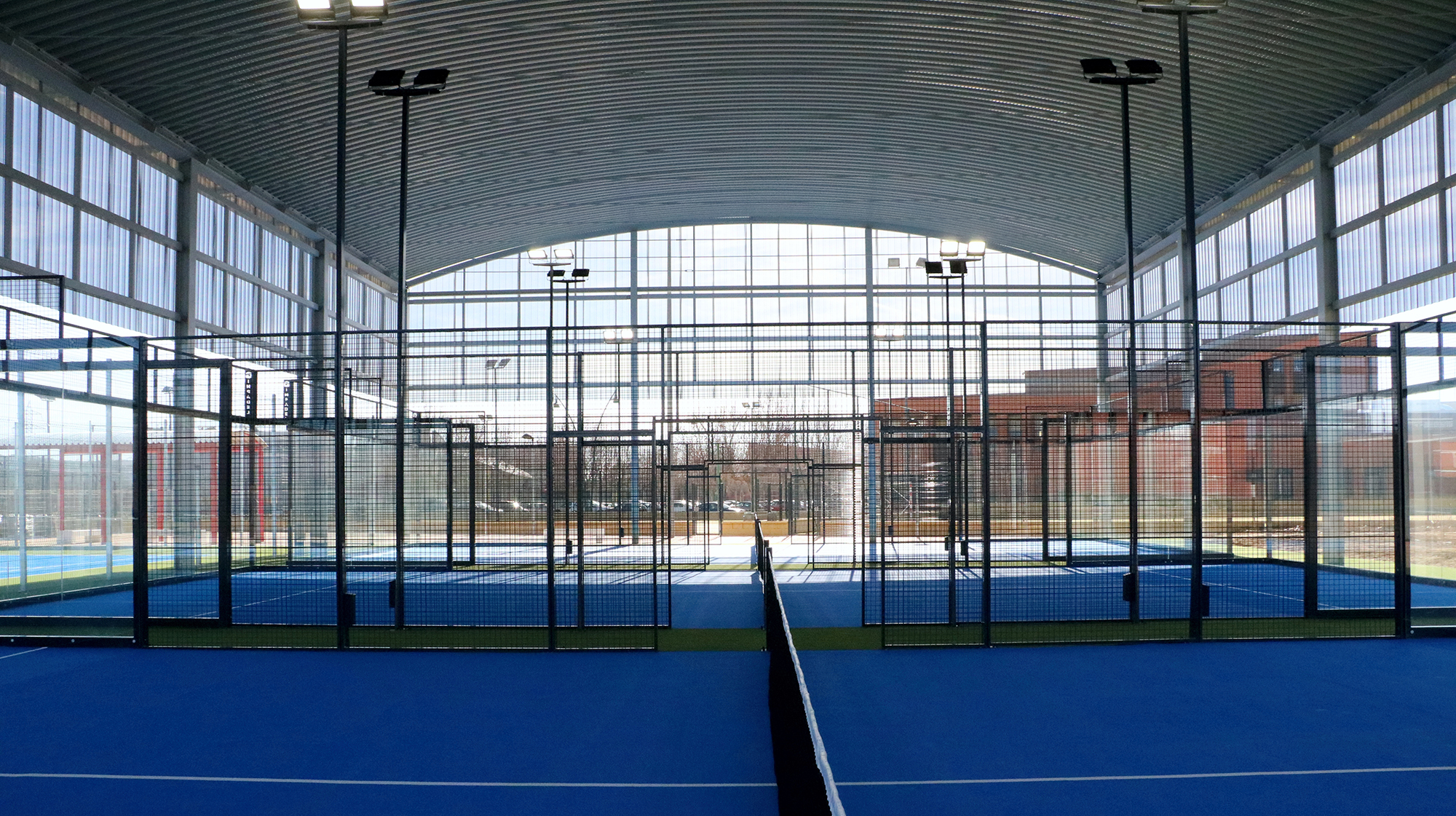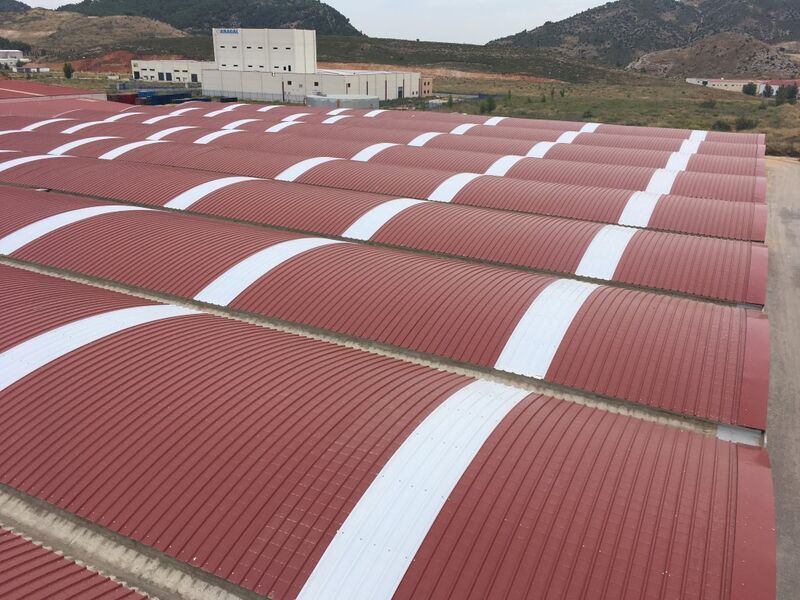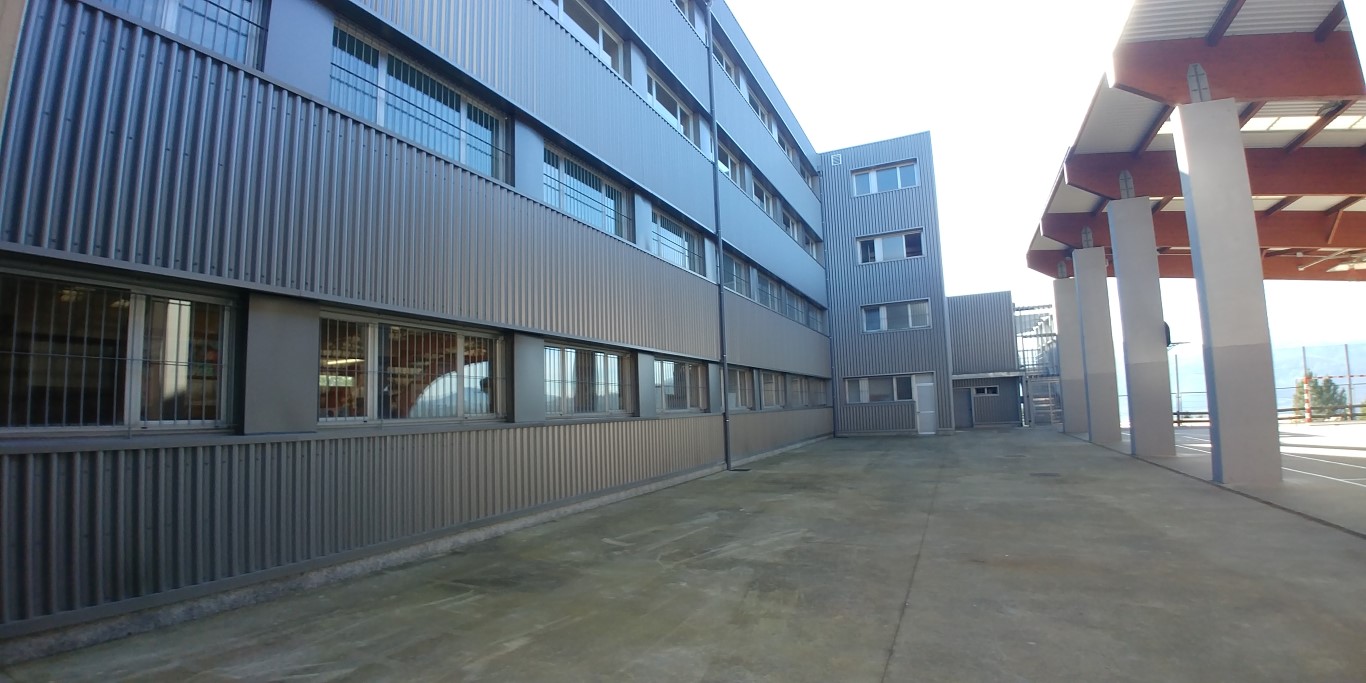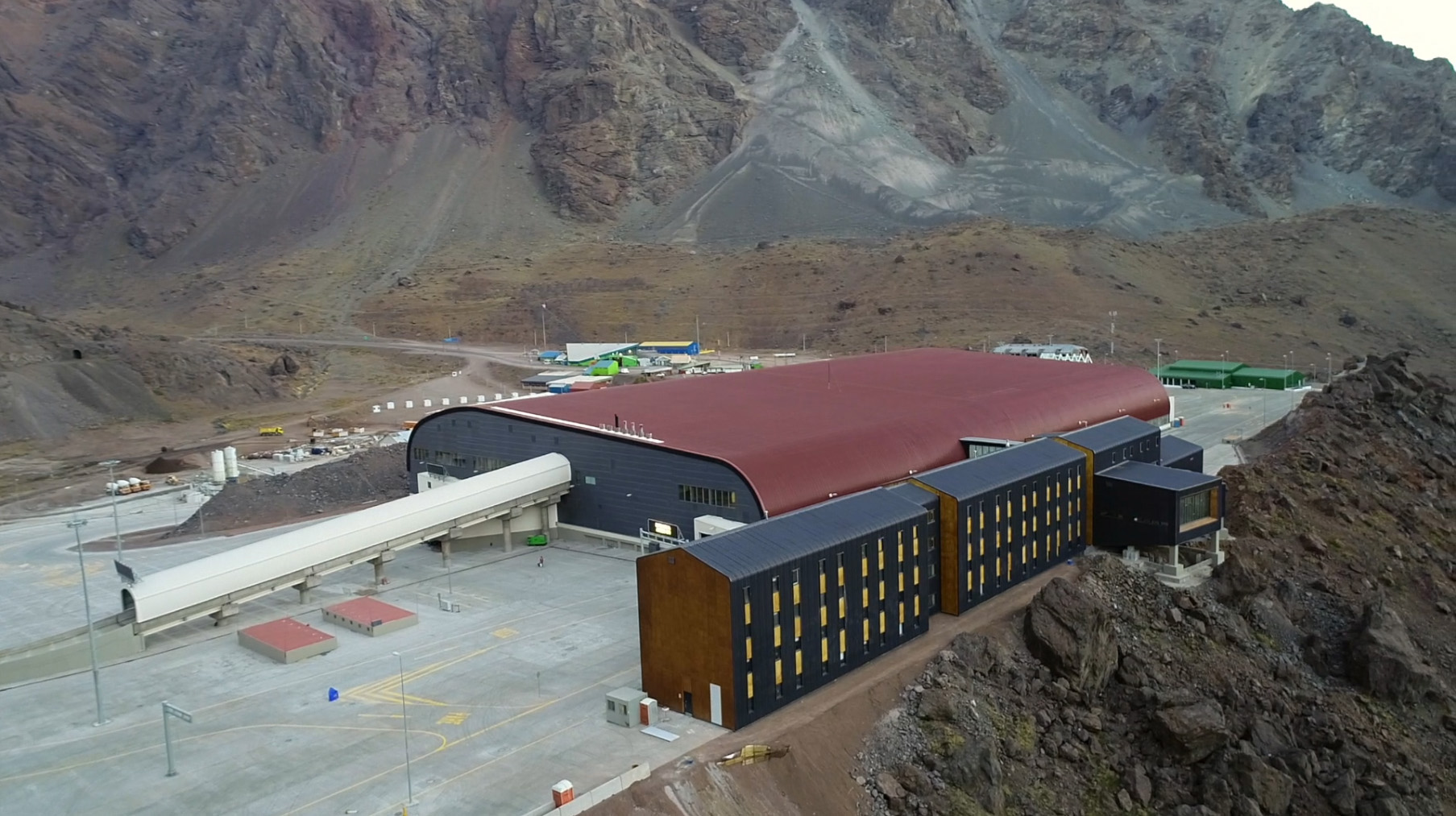
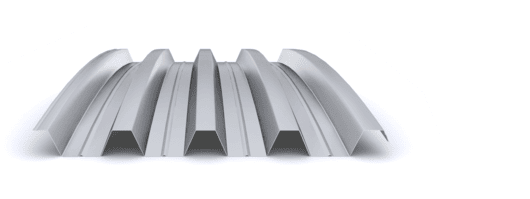
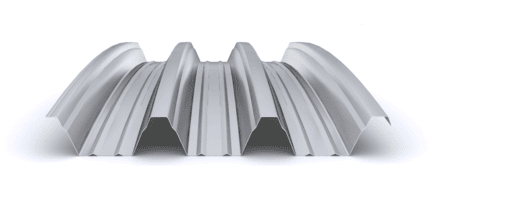
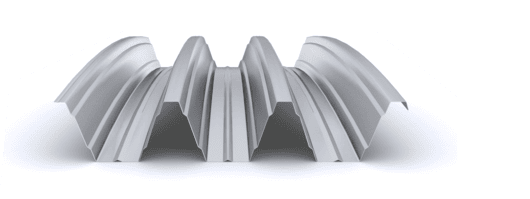
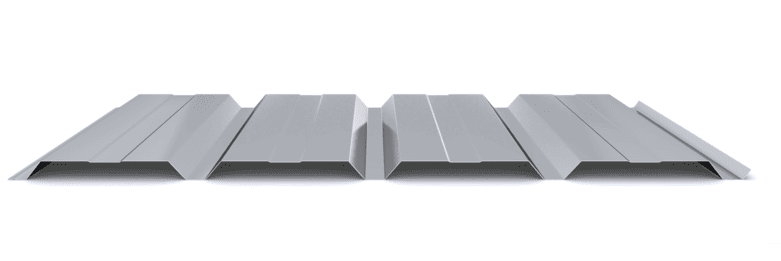
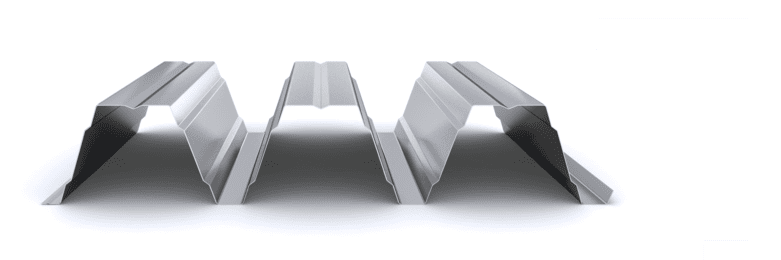
The application of zinc (Z) or galvanized coatings is an effective method of delaying or preventing the corrosion of steel, since it protects it both by barrier effect and by galvanic action.
Galvanization consists of coating the steel by immersion in a hot zinc (Z) bath, which provides optimal protection to preserve its qualities and extend its useful life, even in adverse conditions. Thanks to its chemical composition, composed of 100% zinc, the zinc coating (Z) offers great protection of the steel substrate.
A fundamental quality of the continuous coated belt is that it is a pure zinc (Z) coating with very good deformability properties. Another important feature is the bond between the ferrous material and the zinc, made using a Fe-Zn alloy uniformly distributed at the interface between the coating and the steel, which provides precise adhesion in subsequent deformation operations.
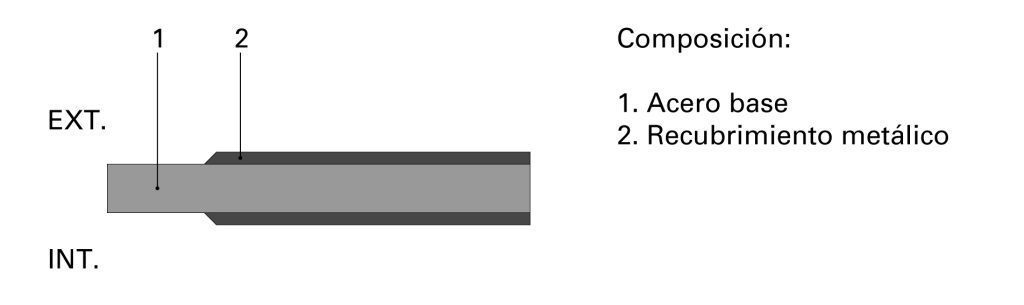
The most common types of zinc coatings (Z) used in the manufacture of enclosure profiles and their characteristics, according to the UNE-EN 10346 standard, are the following:
TYPE OF COATING (Z) | MINIMUM TOTAL MASS (g/m²) | THEORETICAL VALUES OF COATING PER SIDE (µm) | DENSIDY (g/cm³) |
Z100 | 100 | 7 | 7,1 |
Z140 | 140 | 10 | |
Z200 | 200 | 14 | |
Z225 | 225 | 16 | |
Z275 | 275 | 20 |
In general, for indoor environments with a very low corrosivity category, type C1, or for indoor or outdoor environments with a low corrosivity category, type C2, it is recommended to use, in the absence of organic paint coatings, at least one coating of zinc Z275 on both sides.
Zinc-magnesium (ZM) coating is an improved metallic coating on a steel substrate, which represents a significant improvement over galvanized steel in terms of corrosion protection. Thanks to its chemical composition, composed of 93.5% zinc, 3.5% aluminum and 3% magnesium, the zinc-magnesium (ZM) coating offers great protection of the steel substrate, both on the surface and in the edges of the format.
The special composition of zinc-magnesium (ZM) results in the formation of a very dense, stable and durable protective layer, which acts as a barrier against corrosion and prevents the underlying steel from coming into contact with the outside environment. This layer also offers better protection of deformed areas in the part forming process and of uncoated edges, scratches and perforations.
The most common types of zinc-magnesium coatings (ZM) used in the manufacture of enclosure profiles and their characteristics, according to the UNE-EN 10346 standard, are the following:
TYPE OF COATING (ZM) | MINIMUM TOTAL MASS (g/m²) | THEORETICAL VALUES OF COATING PER SIDE (µm) | DENSIDY (g/cm³) |
ZM120 | 120 | 9 | 6,2 to 6,6 |
ZM250 | 250 | 19 | |
ZM310 | 310 | 24 |
In general, for indoor environments with a very low corrosivity category, type C1, or for indoor or outdoor environments with a low corrosivity category, type C2, it is recommended to use, in the absence of organic paint coatings, at least one coating of zinc-magnesium ZM120 on both sides.
In outdoor environments with a medium corrosive category, type C3, it is recommended to use, in the absence of organic paint coatings, at least a ZM250 zinc-magnesium coating on both sides.
In outdoor environments with a high corrosivity category, type C4, or with a very high corrosivity category, type C5, it is recommended to use, in the absence of organic paint coatings, at least a zinc-magnesium coating ZM310 on both sides.
Among its main advantages are:
- Excellent corrosion resistance: Three times higher than galvanized (according to outdoor exposure tests).
- Improved edge self-healing effect.
- Better alternative to post-galvanizing.
- Environmentally friendly.
Organic paint coatings are applied in combination with metallic coatings to significantly improve the corrosion behavior of the steel substrate. This GRANITE 15 coating is applied to zinc (Z) coated steel. The paint coating application process is carried out continuously on the steel production line.
Depending on the environment to which the coating is subjected, it will be necessary to adopt a combination of zinc coating and organic paint coating.
GRANITE 15 organic coating is generally composed of a Z140 metallic base coat, a primer coat of approximately 5 microns applied to both sides, and an organic topcoat coat of approximately 10 microns on the exposed side. The GRANITE 15 organic coating is recommended in interior environments with C1 Very low corrosivity category according to the UNE-EN 1090-4 standard. This solution has CPI2 internal corrosion resistance.

GRANITE 15 composition:
- Metallic Coating: Z140.
- Pretreatment: Process for preparing the steel substrate, guaranteeing the adhesion of subsequent paint coatings.
- Primer: First layer of paint on the metallic coating, applied on both sides of the material. It consists of an organic coating approximately 5 microns thick, which serves as a base for the finishing coating and as a finish on the back of the material.
- Organic coating: On top of the primer layer, the finishing organic coating is applied to the exposed side, with a thickness of approximately 10 microns.
Organic paint coatings are applied in combination with metallic coatings to significantly improve the corrosion behavior of the steel substrate. This GRANITE 25 coating is applied to zinc (Z) coated steel. The paint coating application process is carried out continuously on the steel production line.
Depending on the environment to which the coating is subjected, it will be necessary to adopt a combination of zinc coating and organic paint coating.
GRANITE 25 organic coating is generally composed of a Z225 metallic base coat, a primer coat of approximately 7 microns applied to both sides, and an organic topcoat coat of approximately 18 microns on the exposed side. The GRANITE 25 organic coating is recommended in outdoor environments with C3 Medium corrosivity category according to the UNE-EN 1090-4 standard. This solution has a resistance against external corrosion RC3, a resistance to UV radiation RUV3 and a resistance to internal corrosion CPI3.
GRANITE 25 composition:
- Metallic Coating: Z225.
- Pretreatment: Process for preparing the steel substrate, guaranteeing the adhesion of subsequent paint coatings.
- Primer: First layer of paint on the metallic coating, applied on both sides of the material. It consists of an organic coating approximately 7 microns thick, which serves as a base for the finishing coating and as a finish on the back of the material.
- Organic coating: On top of the primer layer, the finishing organic coating is applied on the exposed side, with a thickness of approximately 18 microns.
Organic paint coatings are applied in combination with metallic coatings to significantly improve the corrosion behavior of the steel substrate. This GRANITE HDS 35 coating is applied to zinc (Z) coated steel. The paint coating application process is carried out continuously on the steel production line.
Depending on the environment to which the coating is subjected, it will be necessary to adopt a combination of zinc coating and organic paint coating.
GRANITE HDS 35 organic coating is generally composed of a Z225 metallic base coat, a primer coat of approximately 7 microns applied to both sides, and an organic topcoat coat of approximately 28 microns on the exposed side. The GRANITE HDS 35 organic coating is recommended in outdoor environments with C4 High corrosivity category according to the UNE-EN 1090-4 standard. This solution has a resistance against external corrosion RC4, a resistance to UV radiation RUV4 and a resistance to internal corrosion CPI4.
Composition GRANITE HDS 35:
- Metallic Coating: Z225.
- Pretreatment: Process for preparing the steel substrate, guaranteeing the adhesion of subsequent paint coatings.
- Primer: First layer of paint on the metallic coating, applied on both sides of the material. It consists of an organic coating approximately 7 microns thick, which serves as a base for the finishing coating and as a finish on the back of the material.
- Organic coating: On top of the primer layer, the finishing organic coating is applied on the exposed side, with a thickness of approximately 28 microns..
Organic paint coatings are applied in combination with metallic coatings to significantly improve the corrosion behavior of the steel substrate. This GRANITE HDX 55 coating is applied to zinc (Z) coated steel. The paint coating application process is carried out continuously on the steel production line.
Depending on the environment to which the coating is subjected, it will be necessary to adopt a combination of zinc coating and organic paint coating.
GRANITE HDX 55 organic coating is generally composed of a Z275 metallic base coat, a primer coat of approximately 12 microns applied to both sides, and an organic topcoat coat of approximately 43 microns on the exposed side. The GRANITE HDX 55 organic coating is recommended in outdoor environments with C5 High corrosivity category according to the UNE-EN 1090-4 standard. This solution has a resistance against external corrosion RC5, a resistance to UV radiation RUV4 and a resistance to internal corrosion CPI4.
GRANITE HDX 55 composition:
- Metallic Coating: Z275.
- Pretreatment: Process for preparing the steel substrate, guaranteeing the adhesion of subsequent paint coatings.
- Primer: First layer of paint on the metallic coating, applied on both sides of the material. It consists of an organic coating approximately 12 microns thick, which serves as a base for the finishing coating and as a finish on the back of the material.
- Organic coating: On top of the primer layer, the finishing organic coating is applied on the exposed side, with a thickness of approximately 43 microns.
Organic paint coatings are applied in combination with metallic coatings to significantly improve the corrosion behavior of the steel substrate. This PRISMA 65 coating is applied to zinc-aluminum (ZA) coated steel. The paint coating application process is carried out continuously on the steel production line.
Depending on the environment to which the coating is subjected, it will be necessary to adopt a combination of zinc coating and organic paint coating.
PRISMA 65 organic coating is generally composed of a ZA255 metallic base coating, a primer coat of approximately 10 microns applied to both sides, and a topcoat organic coating of approximately 55 microns on the exposed side. The PRISMA 65 organic coating is recommended in outdoor environments with C5 High corrosivity category according to the UNE-EN 1090-4 standard. This solution has a resistance against external corrosion RC5, a resistance to UV radiation RUV4 and a resistance to internal corrosion CPI5.
PRISMA 65 composition:
- Metallic Coating: ZA255.
- Pretreatment: Process for preparing the steel substrate, guaranteeing the adhesion of subsequent paint coatings.
- Primer: First layer of paint on the metallic coating, applied on both sides of the material. It consists of an organic coating approximately 10 microns thick, which serves as a base for the finishing coating and as a finish on the back of the material.
- Organic coating: On top of the primer layer, the finishing organic coating is applied on the exposed side, with a thickness of approximately 55 microns.
Organic paint coatings are applied in combination with metallic coatings to significantly improve the corrosion behavior of the steel substrate. This GRANITE HDX 75 coating is applied to zinc (Z) coated steel. The paint coating application process is carried out continuously on the steel production line.
Depending on the environment to which the coating is subjected, it will be necessary to adopt a combination of zinc coating and organic paint coating.
GRANITE HDX 75 organic coating is generally composed of a Z275 metallic base coat, a primer coat of approximately 12 microns applied to both sides, and an organic topcoat coat of approximately 63 microns on the exposed side. The GRANITE HDX 75 organic coating is recommended in outdoor environments with C5 High corrosivity category according to the UNE-EN 1090-4 standard. This solution has a resistance against external corrosion RC5, a resistance to UV radiation RUV5 and a resistance to internal corrosion CPI4.
GRANITE HDX 75 composition:
- Metallic Coating: Z275.
- Pretreatment: Process for preparing the steel substrate, guaranteeing the adhesion of subsequent paint coatings.
- Primer: First layer of paint on the metallic coating, applied on both sides of the material. It consists of an organic coating approximately 12 microns thick, which serves as a base for the finishing coating and as a finish on the back of the material.
- Organic coating: On top of the primer layer, the finishing organic coating is applied on the exposed side, with a thickness of approximately 63 microns.
Organic paint coatings are applied in combination with metallic coatings to significantly improve the corrosion behavior of the steel substrate. This HPS 200 coating is applied to zinc-aluminum (ZA) coated steel. The paint coating application process is carried out continuously on the steel production line.
Depending on the environment to which the coating is subjected, it will be necessary to adopt a combination of zinc coating and organic paint coating.
HPS 200 organic coating is generally composed of a ZA255 metallic base coat, a primer coat of approximately 10 microns applied to both sides, and a topcoat organic coating of approximately 190 microns on the exposed side. The HPS 200 organic coating is recommended in outdoor environments with C5 High corrosivity category according to the UNE-EN 1090-4 standard. This solution has a resistance against external corrosion RC5, a resistance to UV radiation RUV4 and a resistance to internal corrosion CPI5.
HPS 200 composition:
- Metallic Coating: ZA255.
- Pretreatment: Process for preparing the steel substrate, guaranteeing the adhesion of subsequent paint coatings.
- Primer: First layer of paint on the metallic coating, applied on both sides of the material. It consists of an organic coating approximately 10 microns thick, which serves as a base for the finishing coating and as a finish on the back of the material.
- Organic coating: On top of the primer layer, the finishing organic coating is applied on the exposed side, with a thickness of approximately 190 microns.
The following table specifies the years of guaranteed durability depending on the exterior and interior environment for pre-lacquered galvanized steels and Magnelis ZM coating:
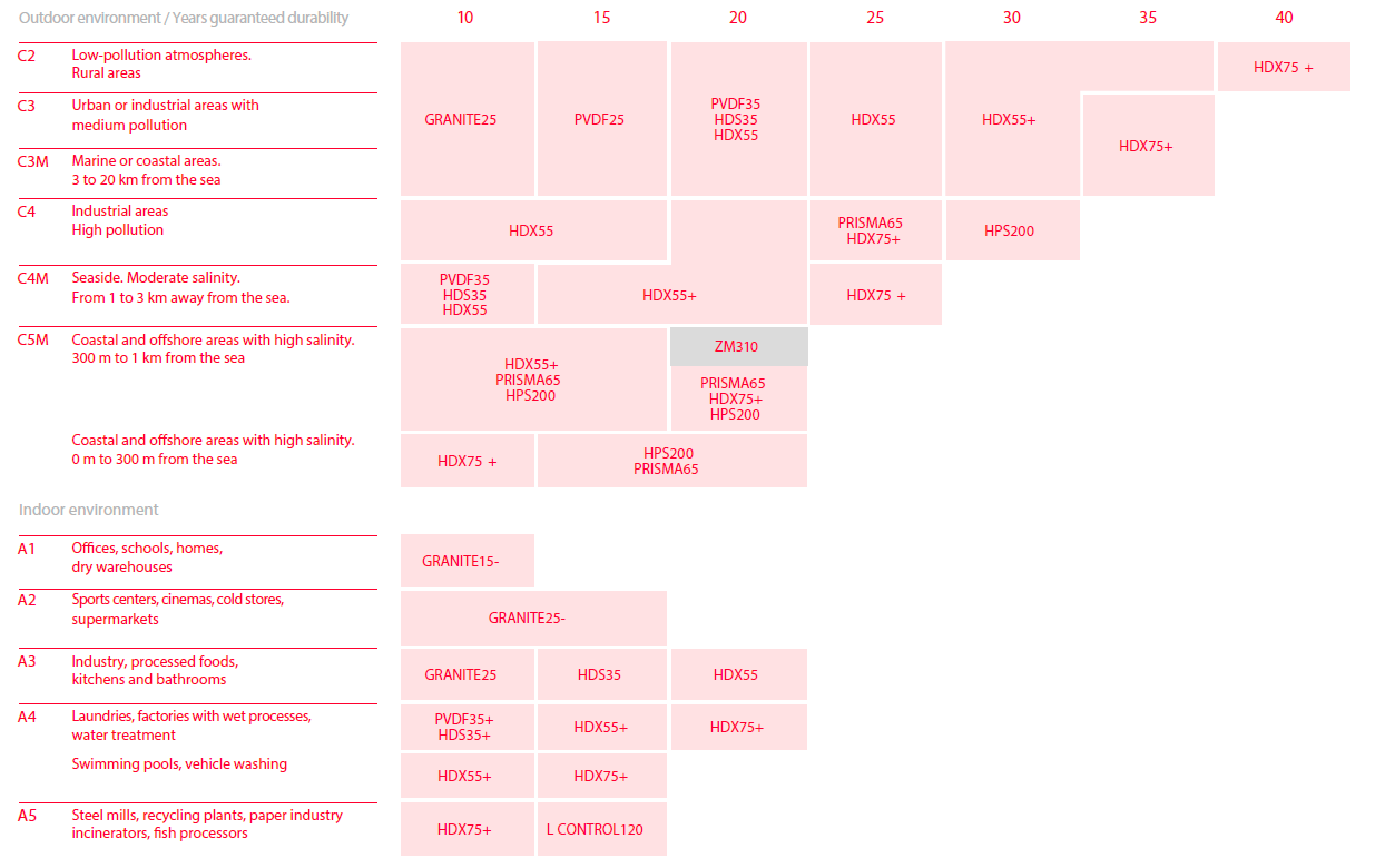
- Expected durability in years due to non-perforation of the sheet metal and non-peeling of the paint for coated steels. The expected durability is only valid for multilayer solutions. Indicative durability values, consult geographical areas of application and conditions with our technical department.
- The minimum metallic coating will be Z225, except for materials with symbols (-) Z140 and (+) Z275. PRISMA65, HPS200, L CONTROL120 materials will have a minimum ZA255 coating. The minimum primer on the unexposed side will be 5 microns for GRANITE15- and PVDF25, 7 microns for GRANITE25 and L CONTROL120, 10 microns for HDX55, PRISMA65 and HPS200 and 12 microns for PVDF35, HDS35, HDX55+ and HDX75+.
- Other materials such as Corten steel, stainless steel or aluminum, on request.