Request a
calculation form

Home / Curved roof applications
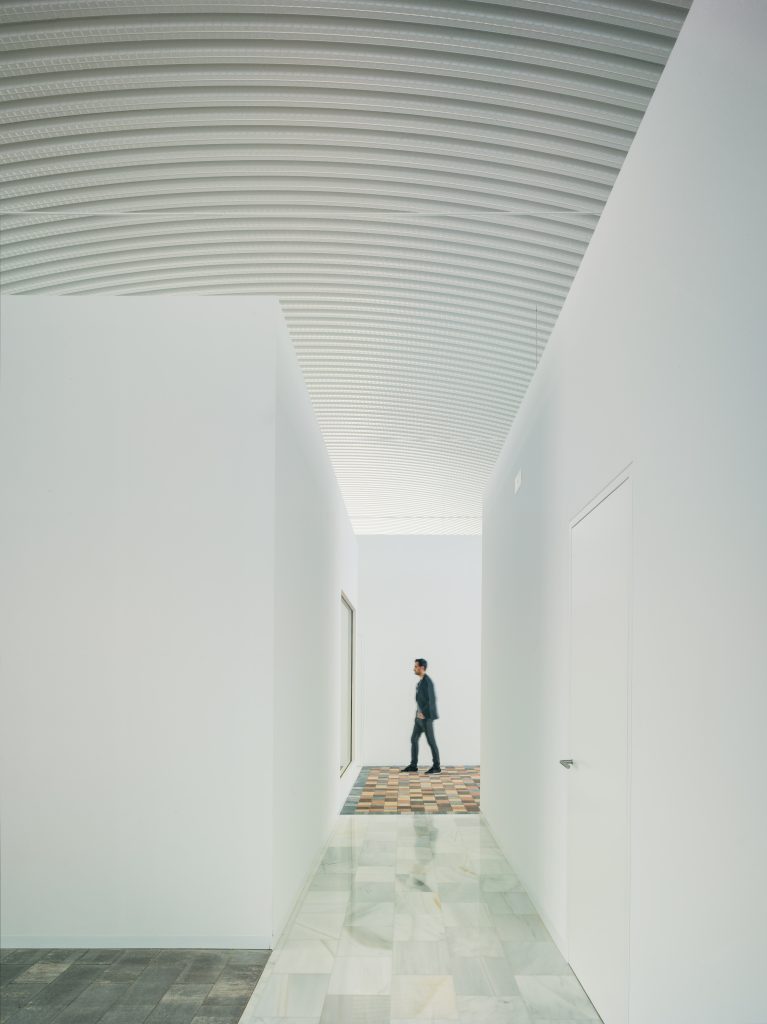
Curved roof applications

CURVED ROOF

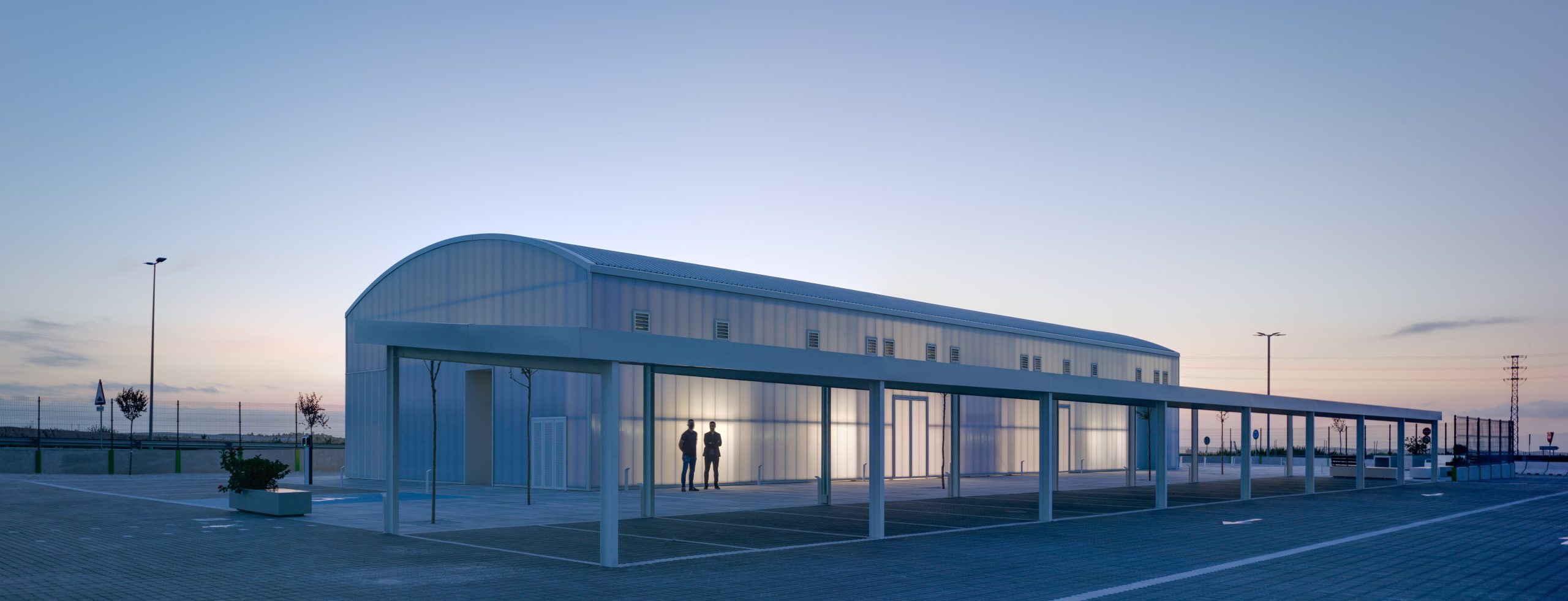
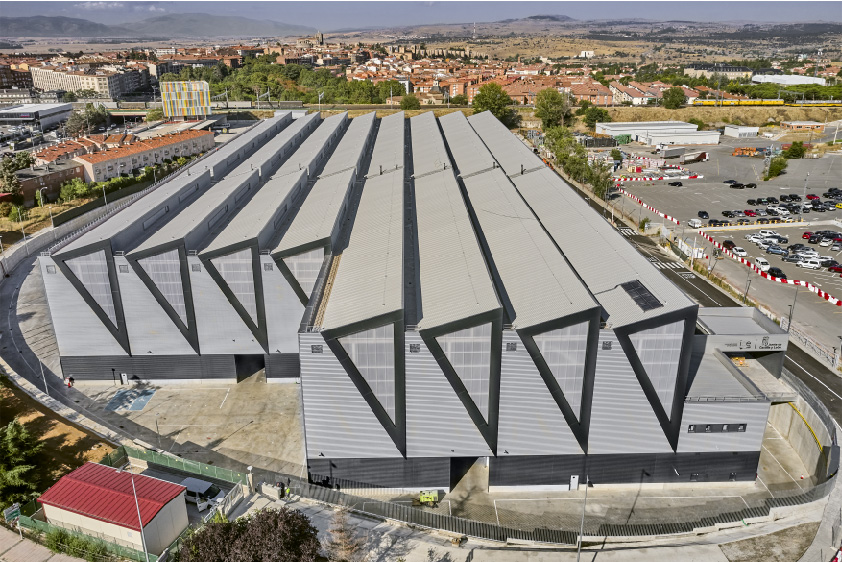
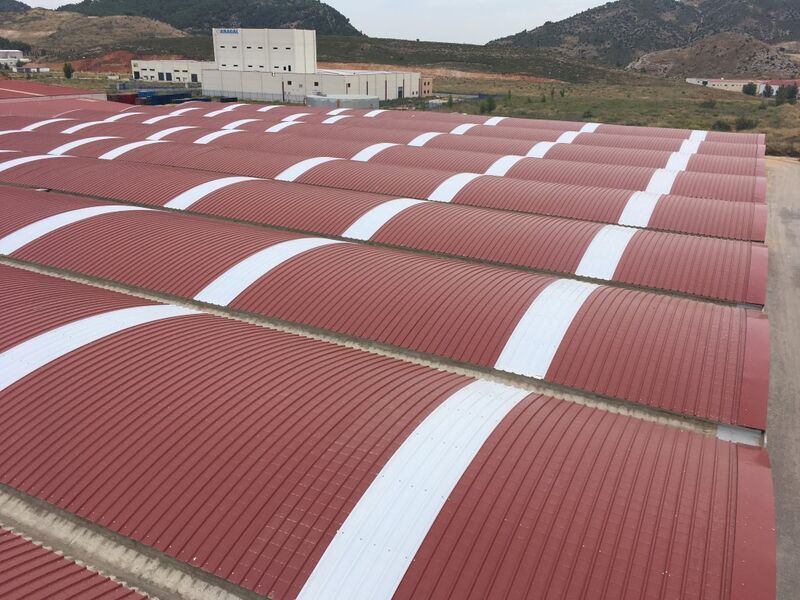
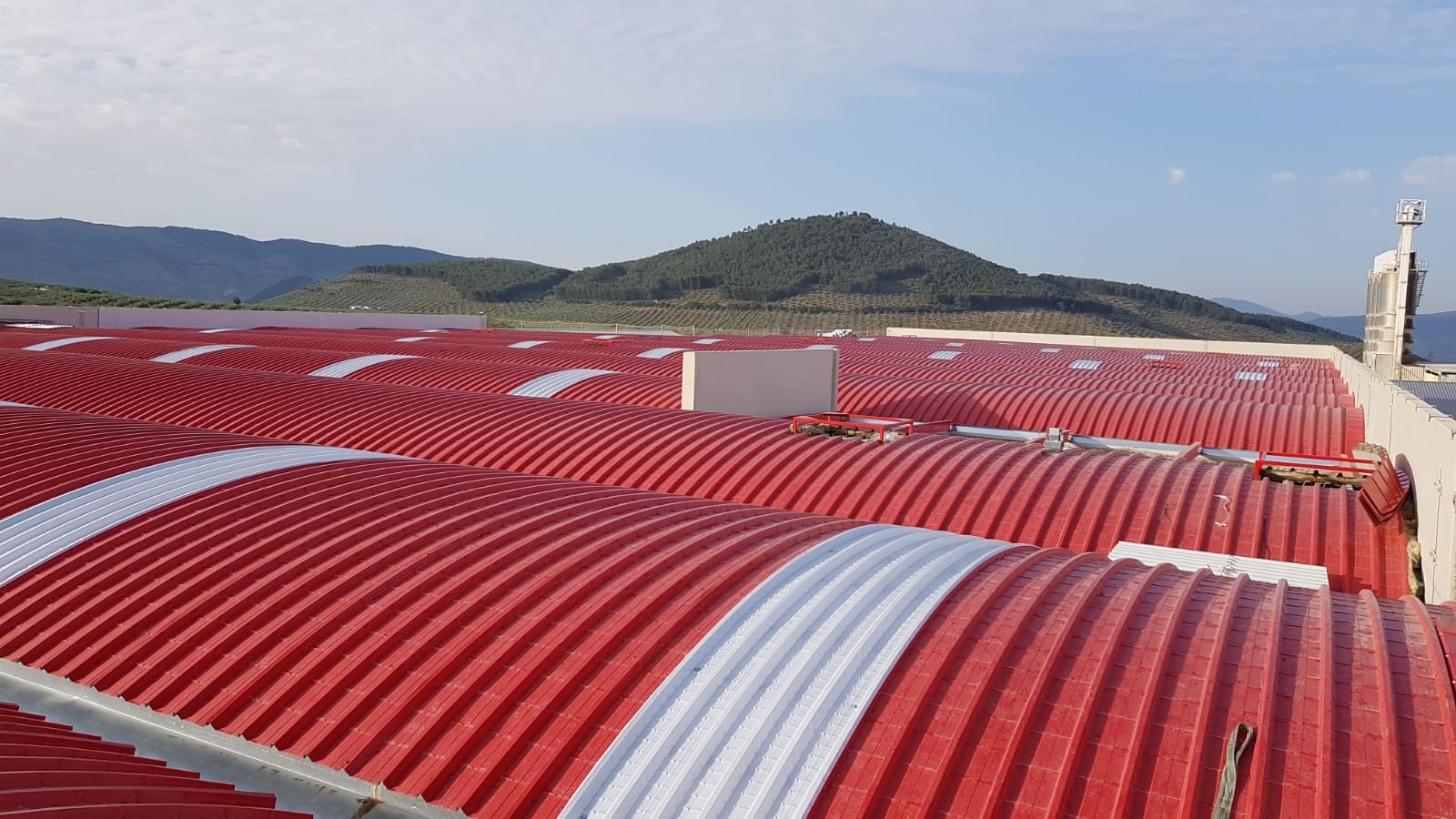
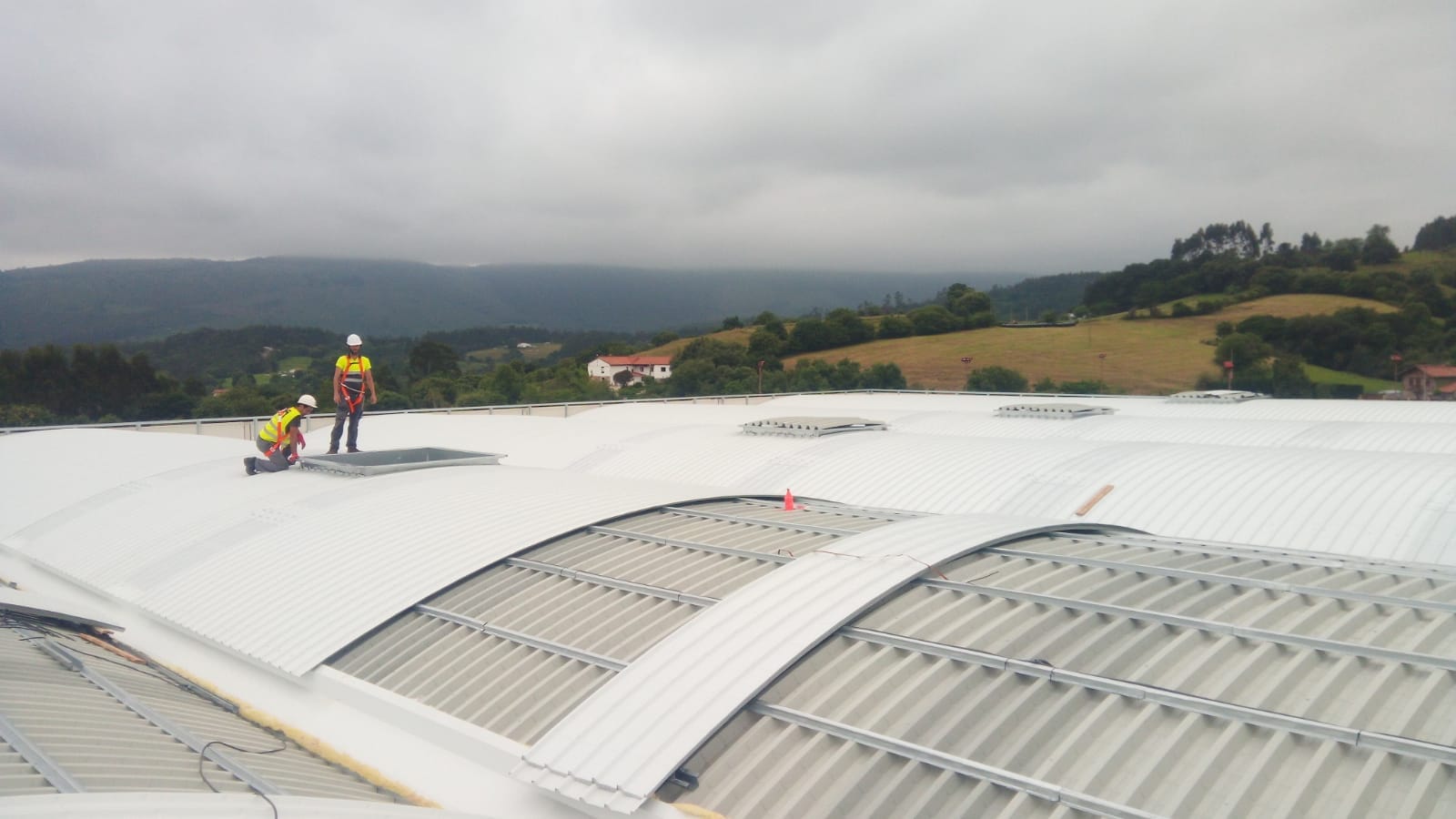
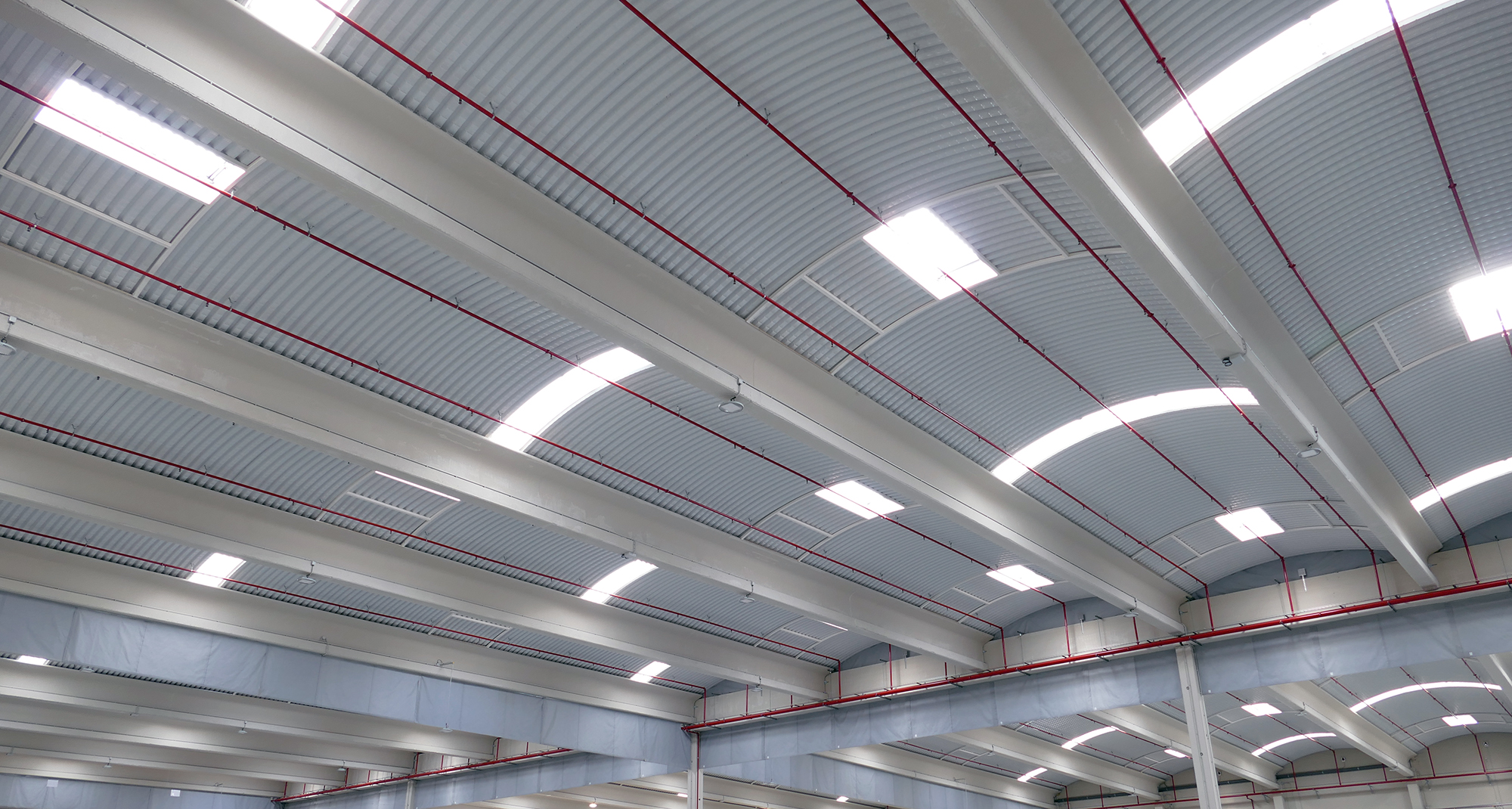
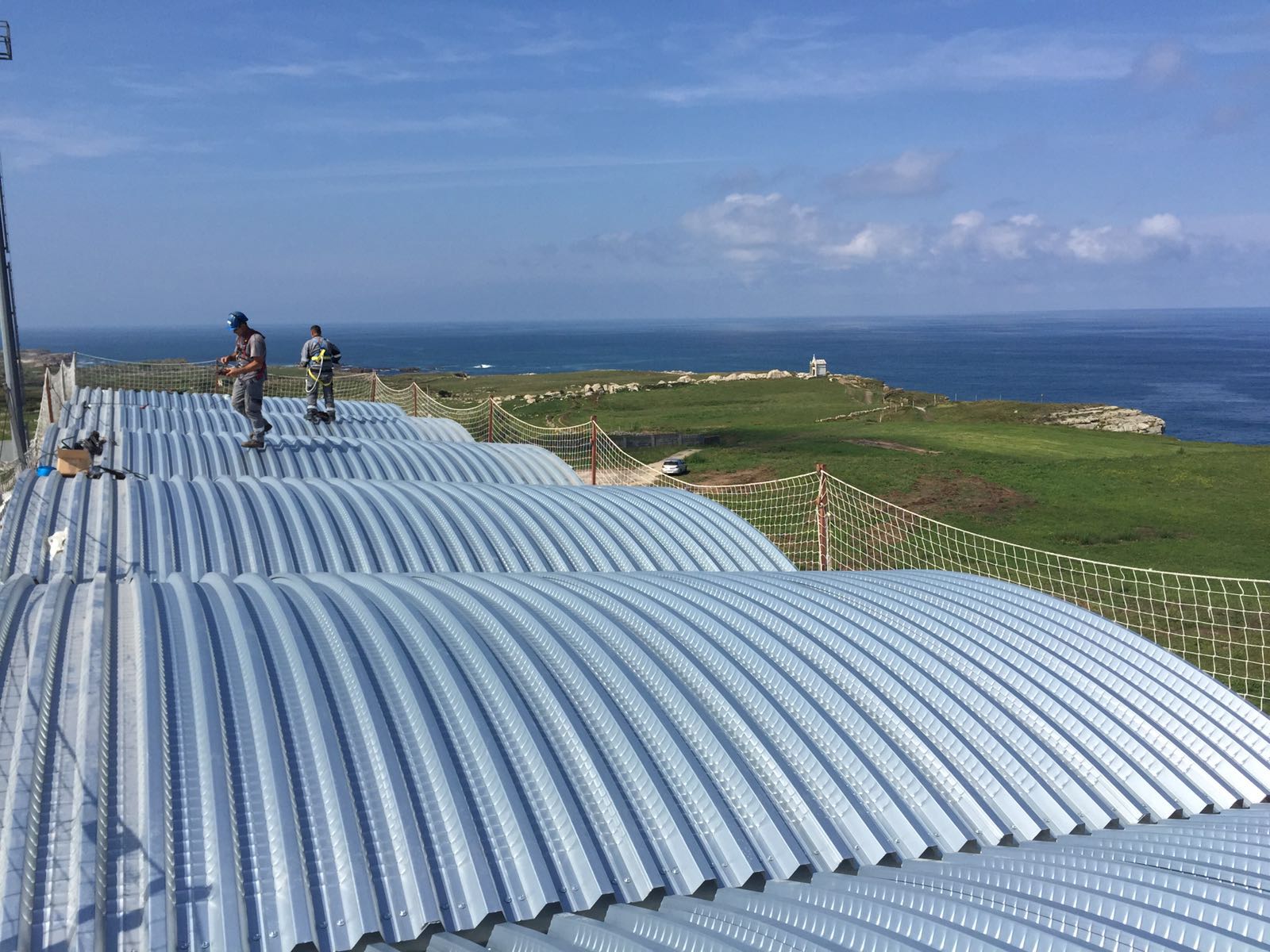
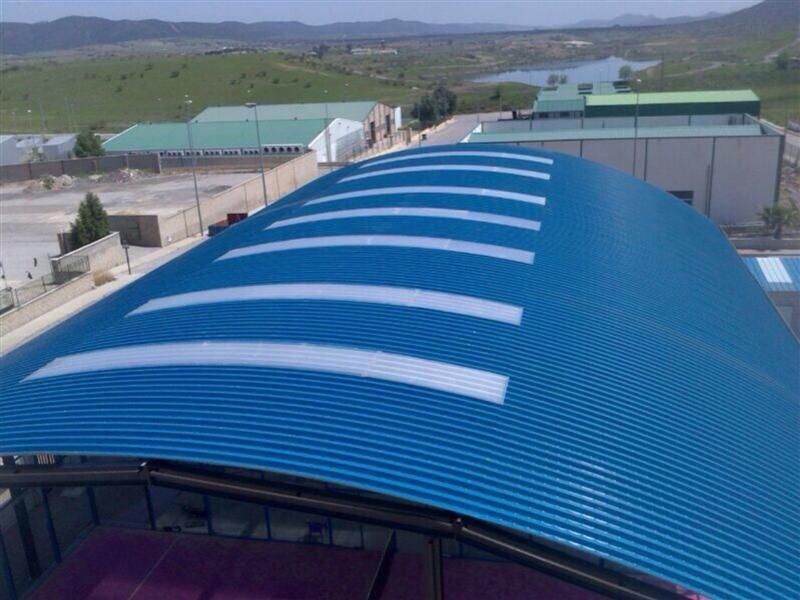
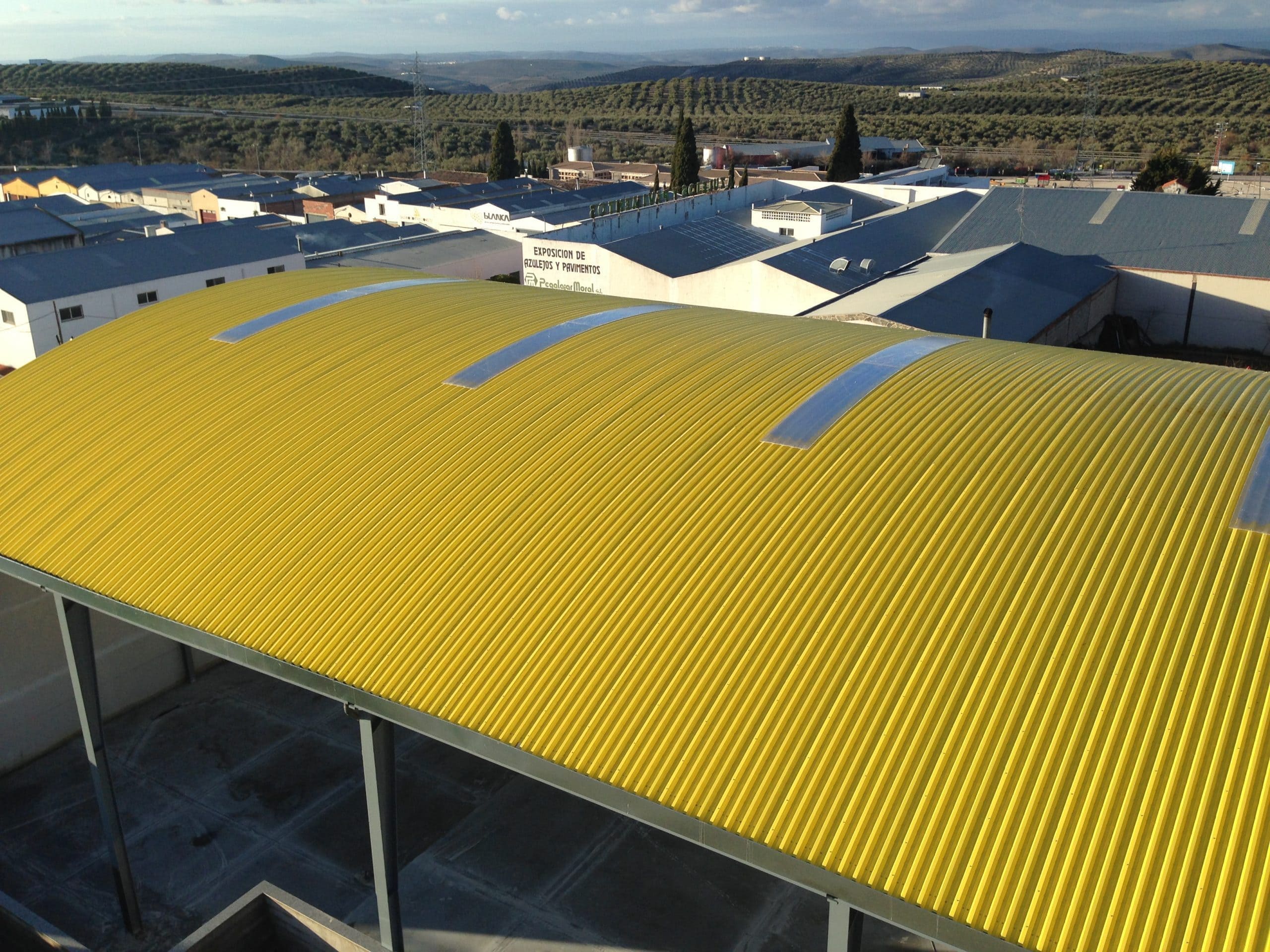
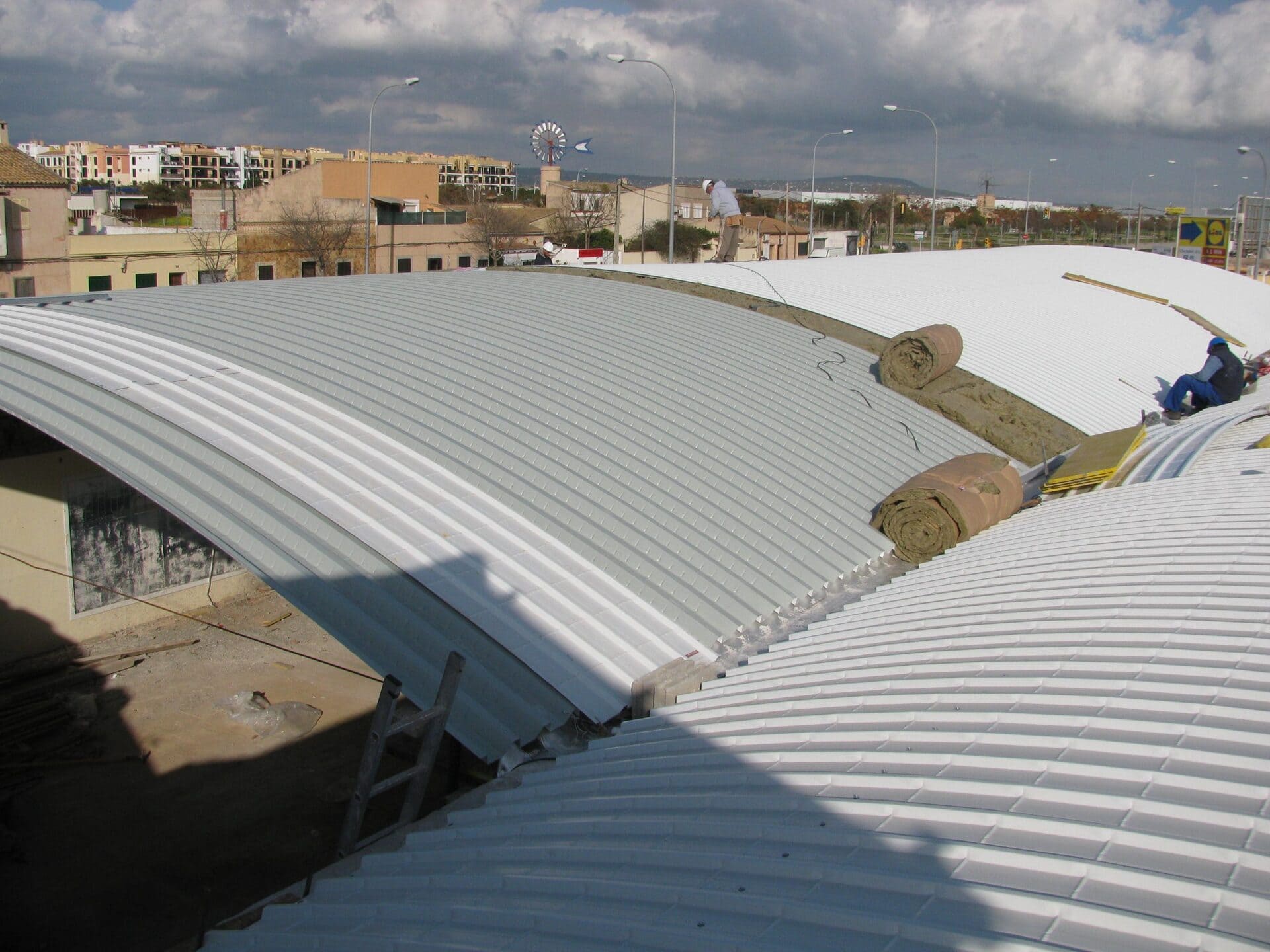
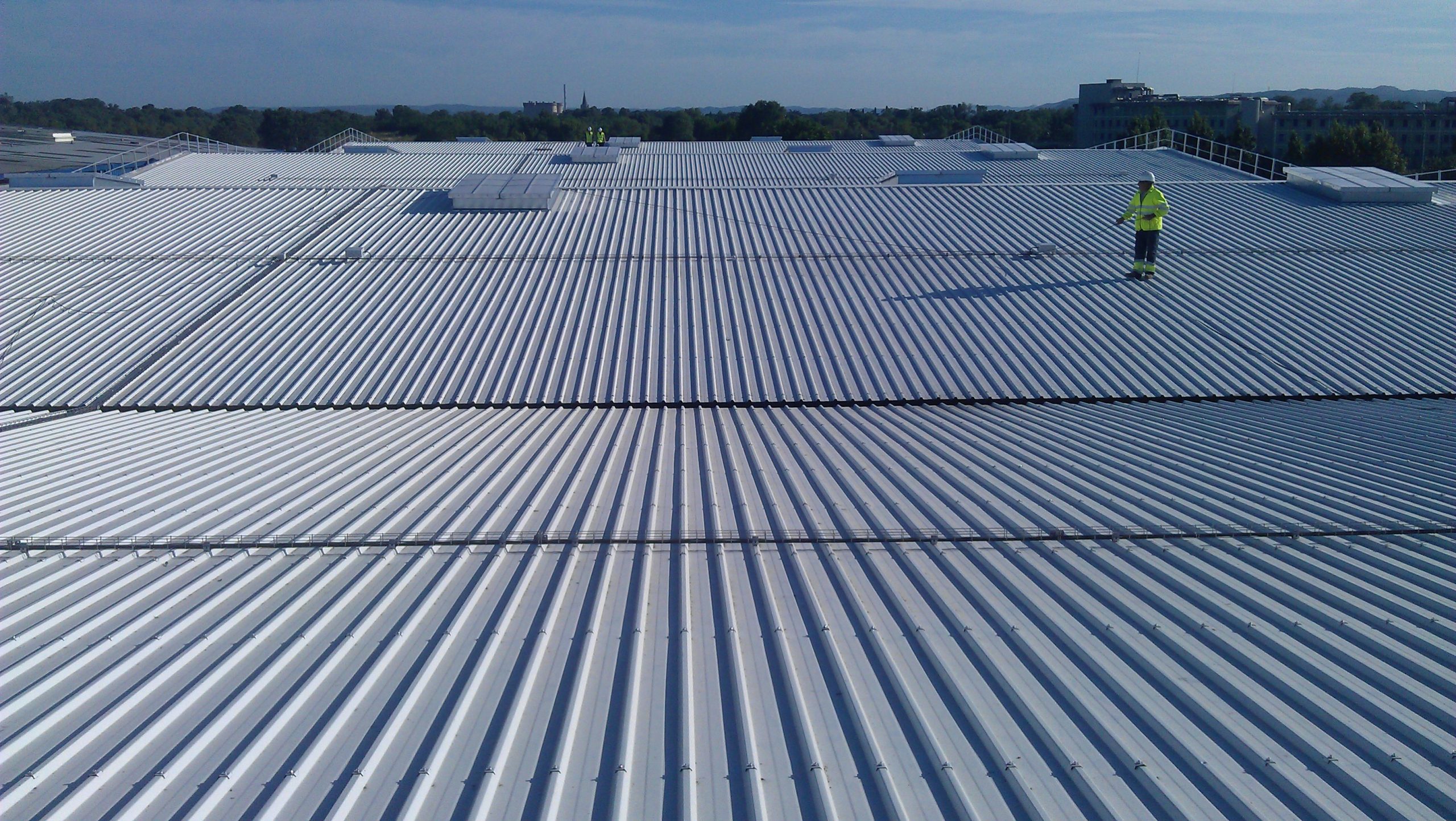
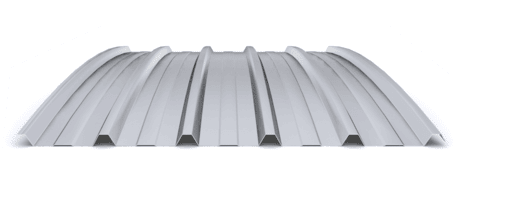
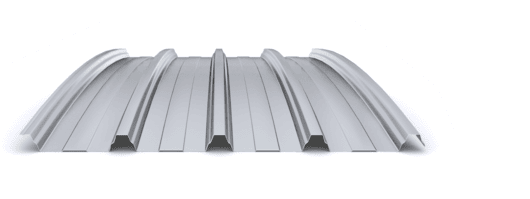
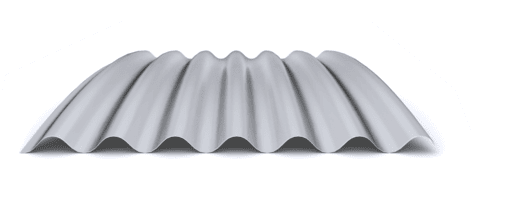
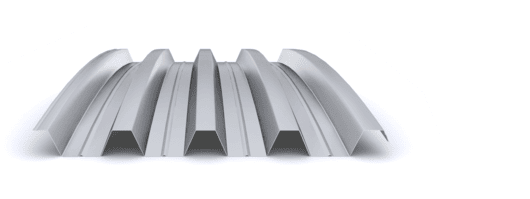
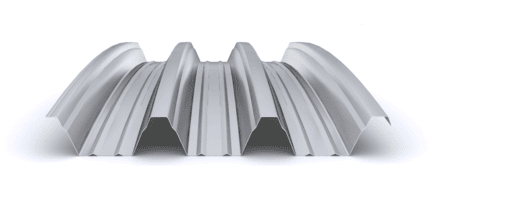
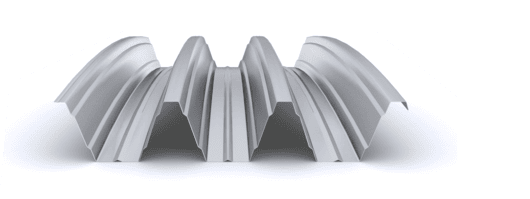
Our curved profiles allow the coverage of spaces in a light, efficient and aesthetic way.

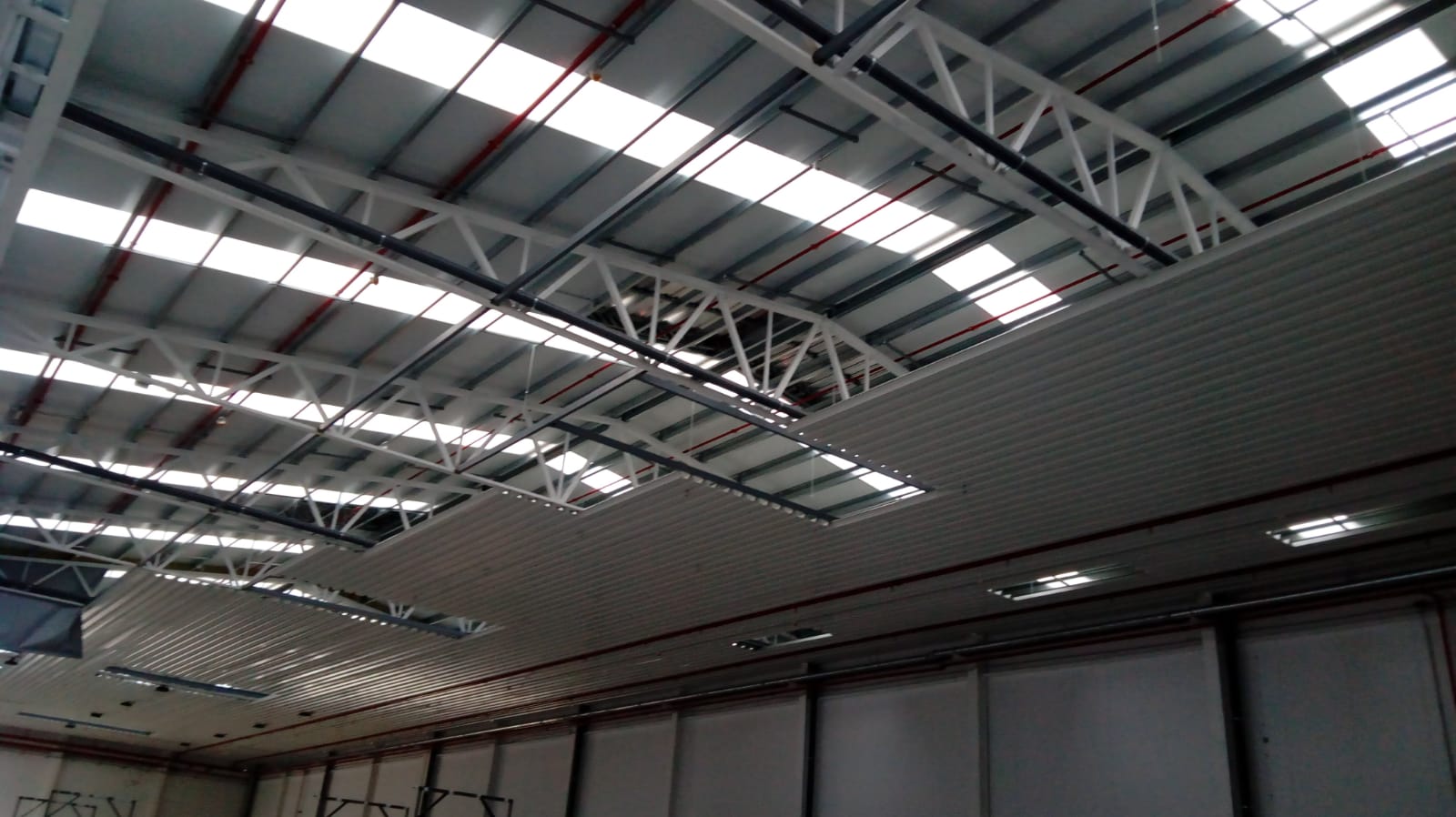
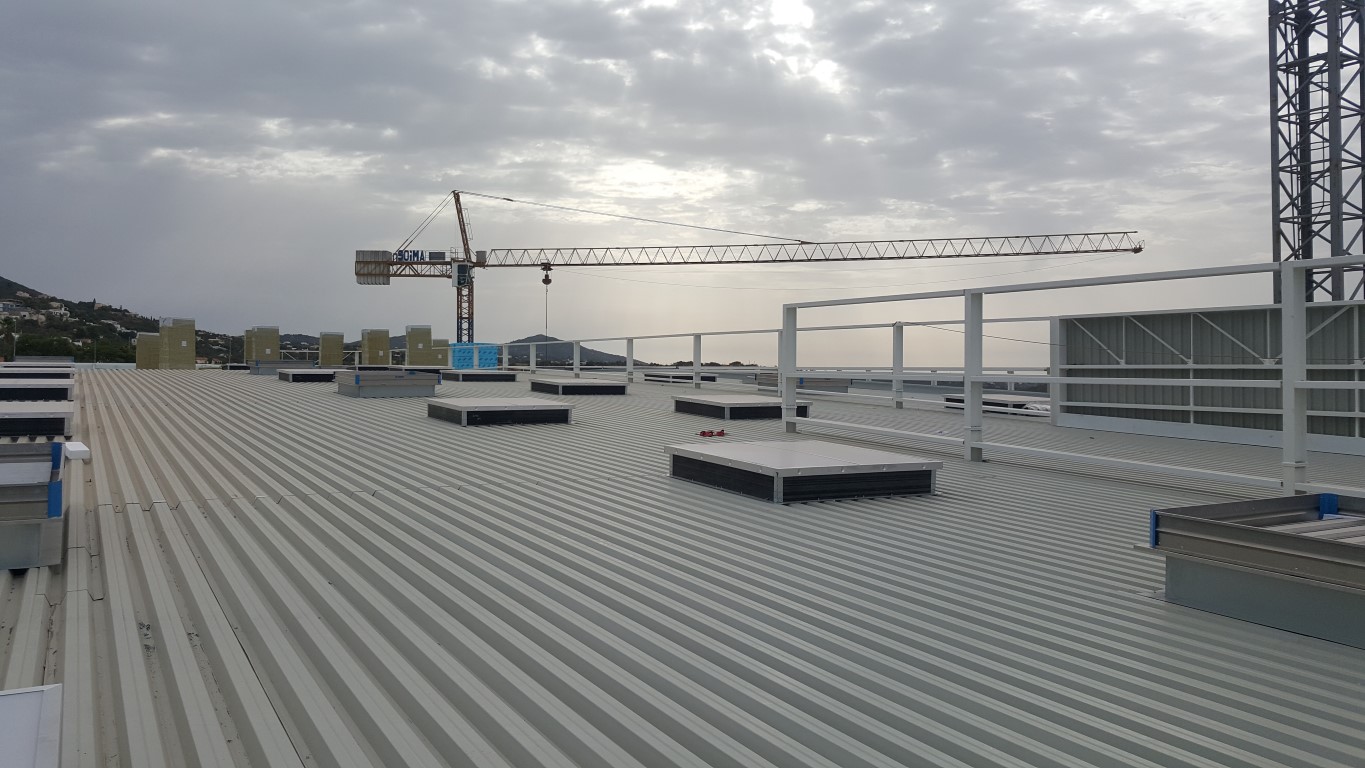
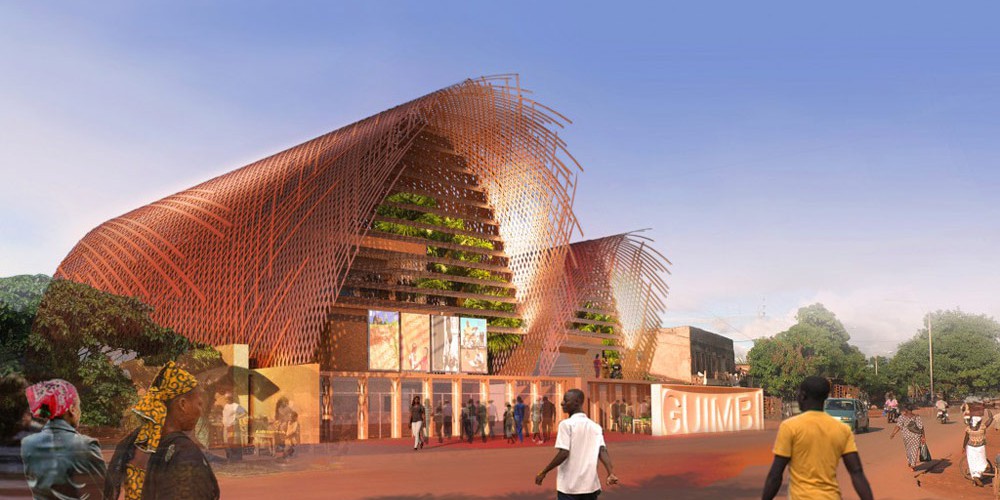
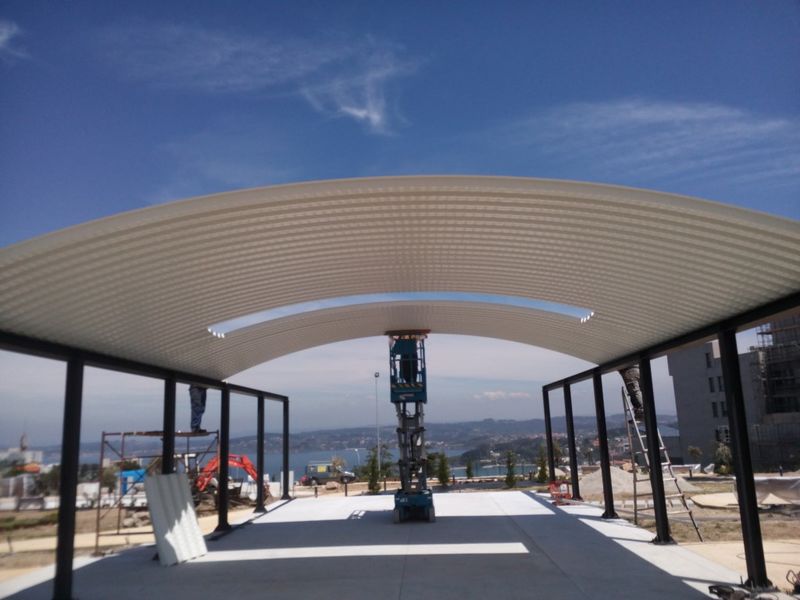
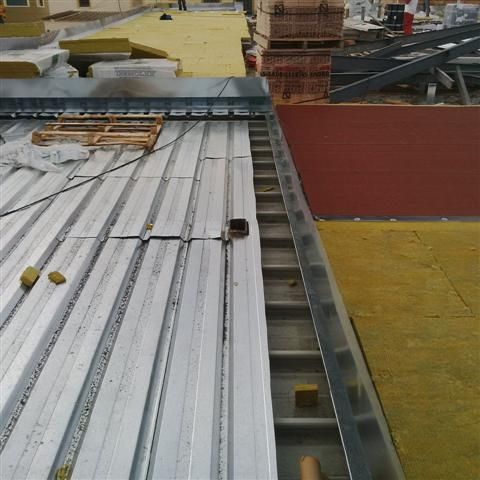
The use of the self-supporting curved roof solution allows the design of simple or multi-layer roof systems without the need for an intermediate structure, for separations between supports from 6 to 22 meters. This solution allows for quick execution of the roof, eliminating the cost and visual impact of straps and generating a cleaner interior image. In the case of roofs open to the outside, simple solutions with a single profile will be chosen; and in the case of closed buildings, by multilayer solutions to incorporate thermal insulation.

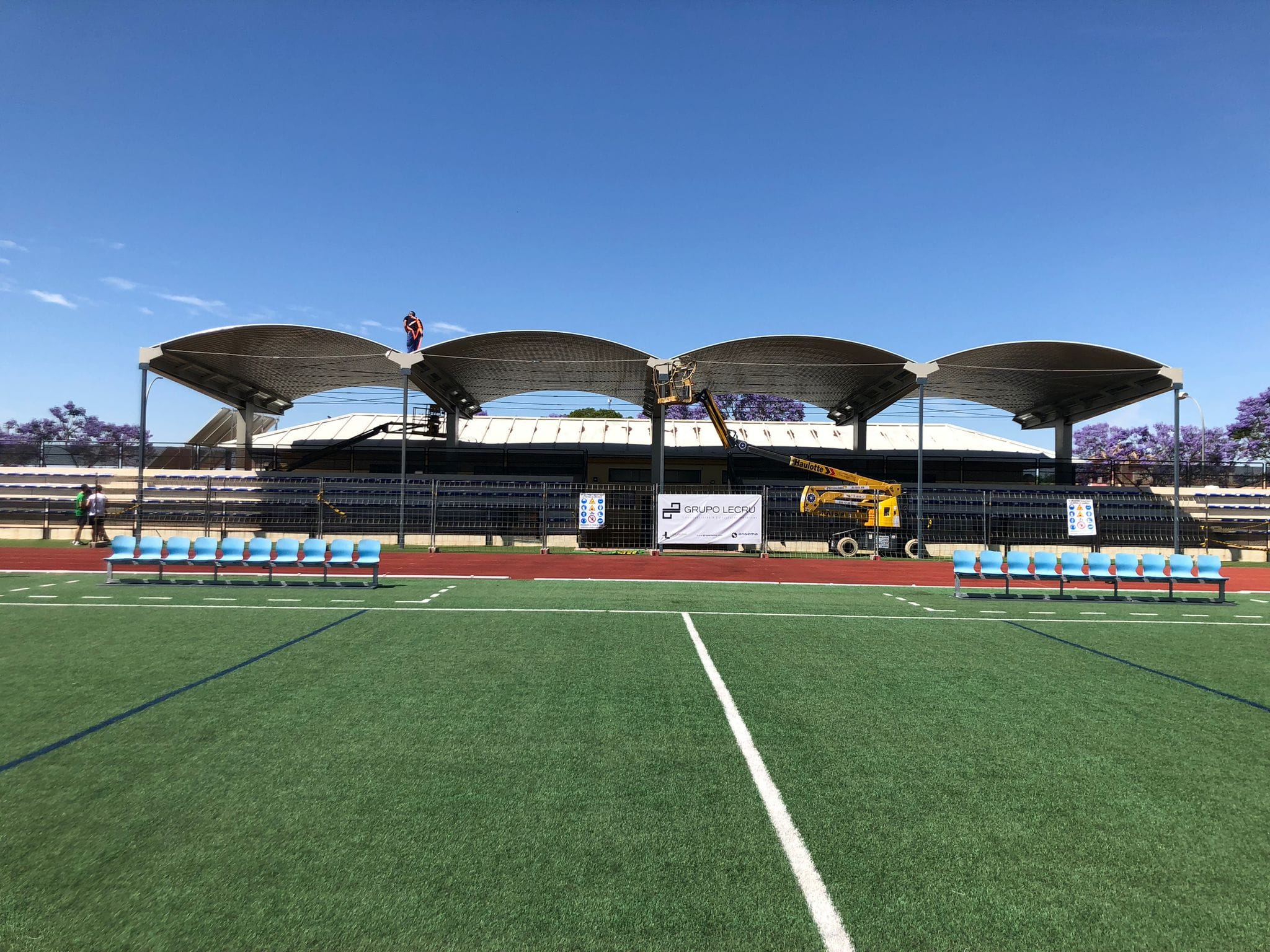
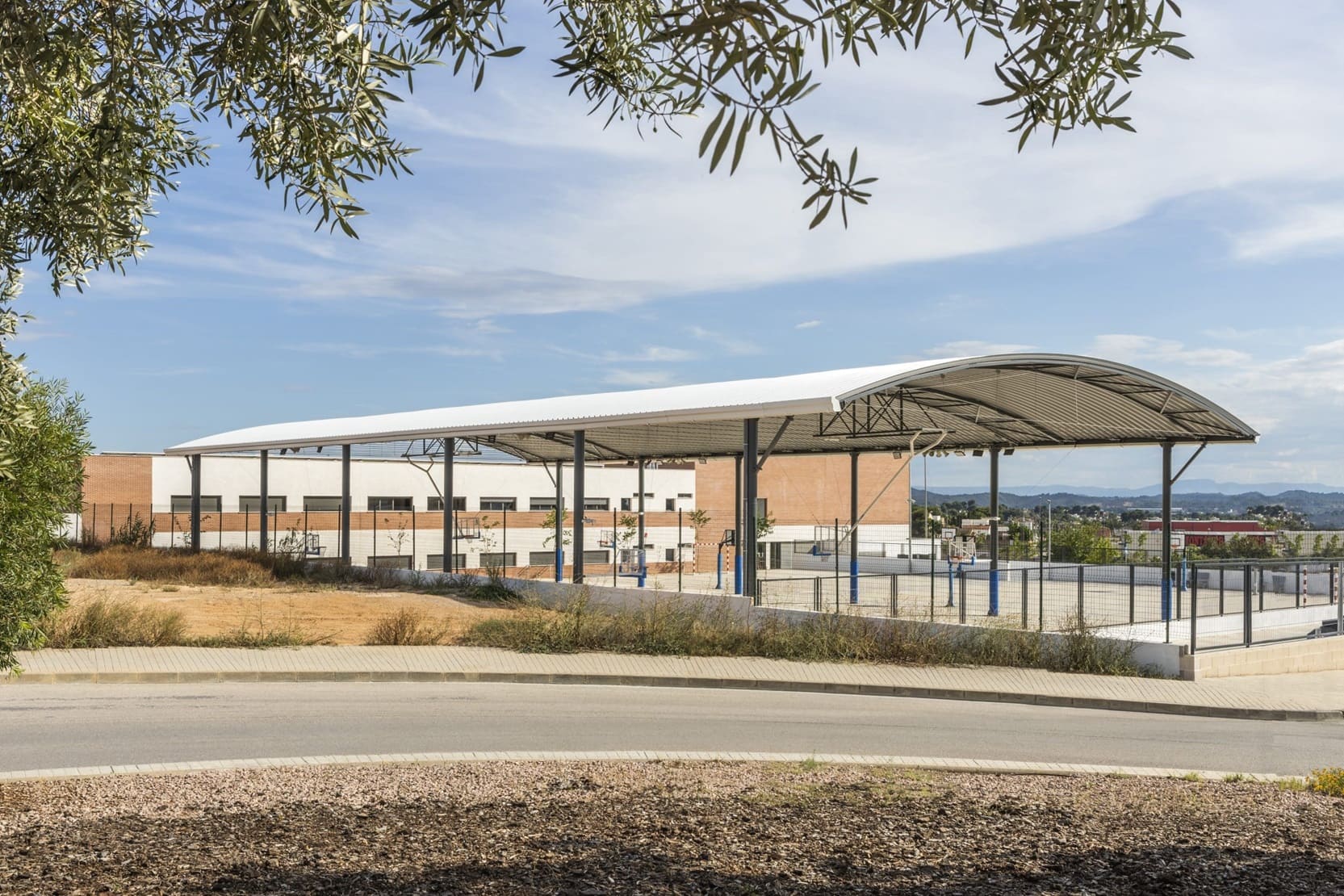
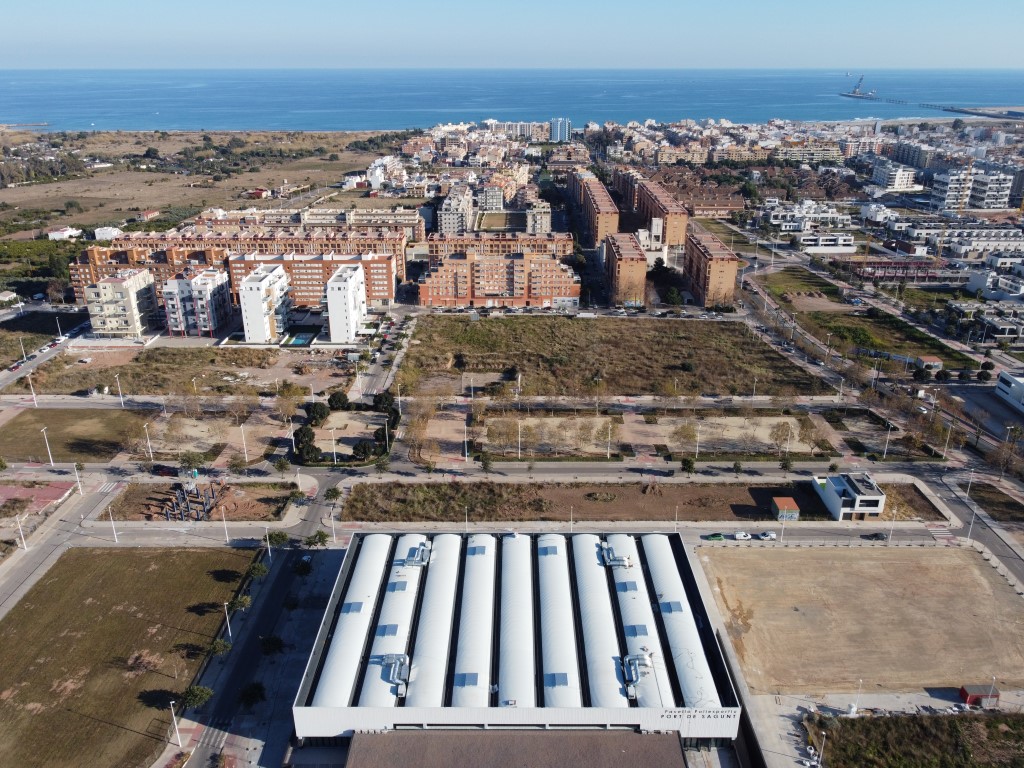
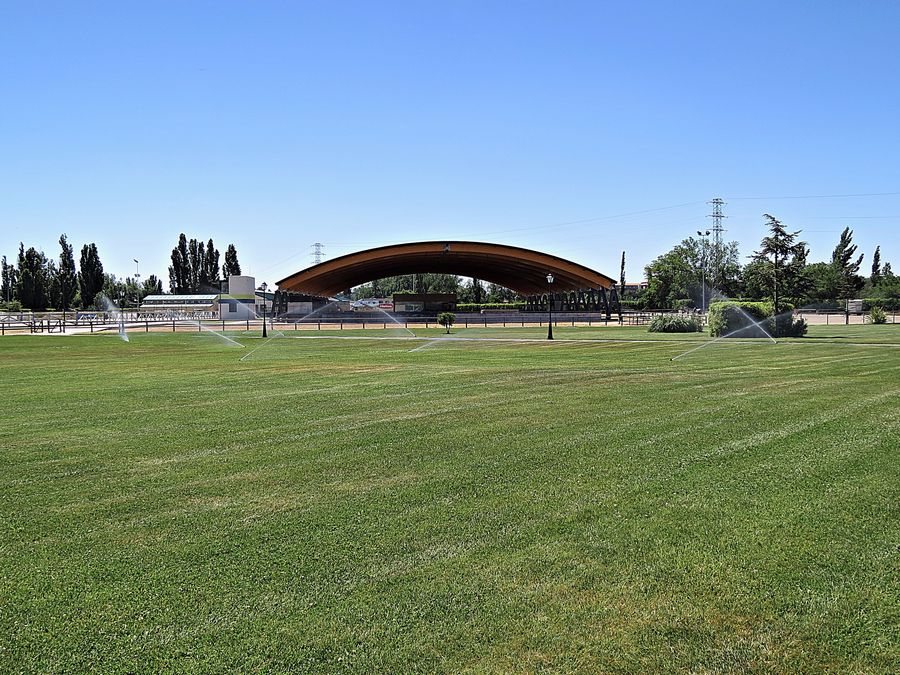
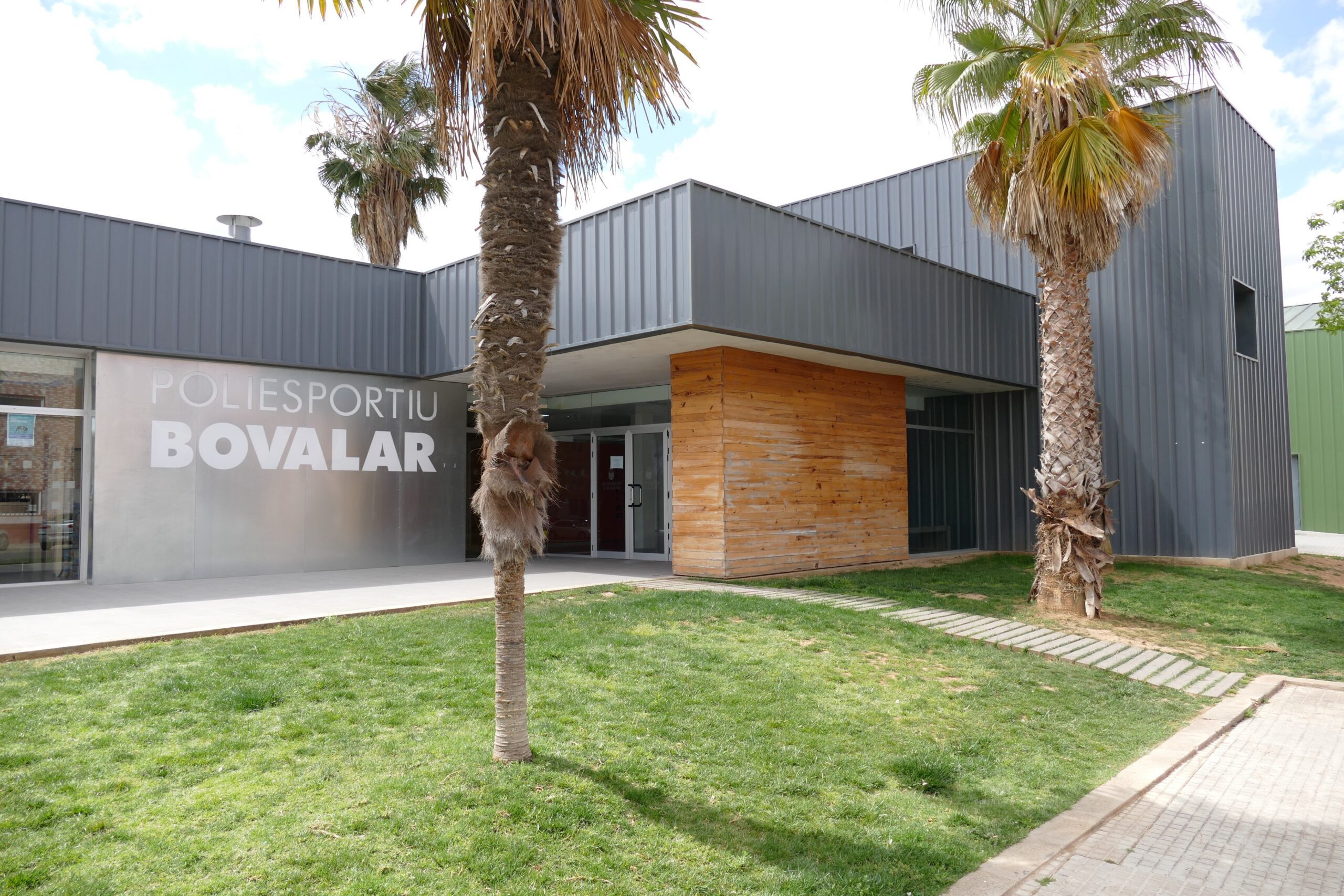
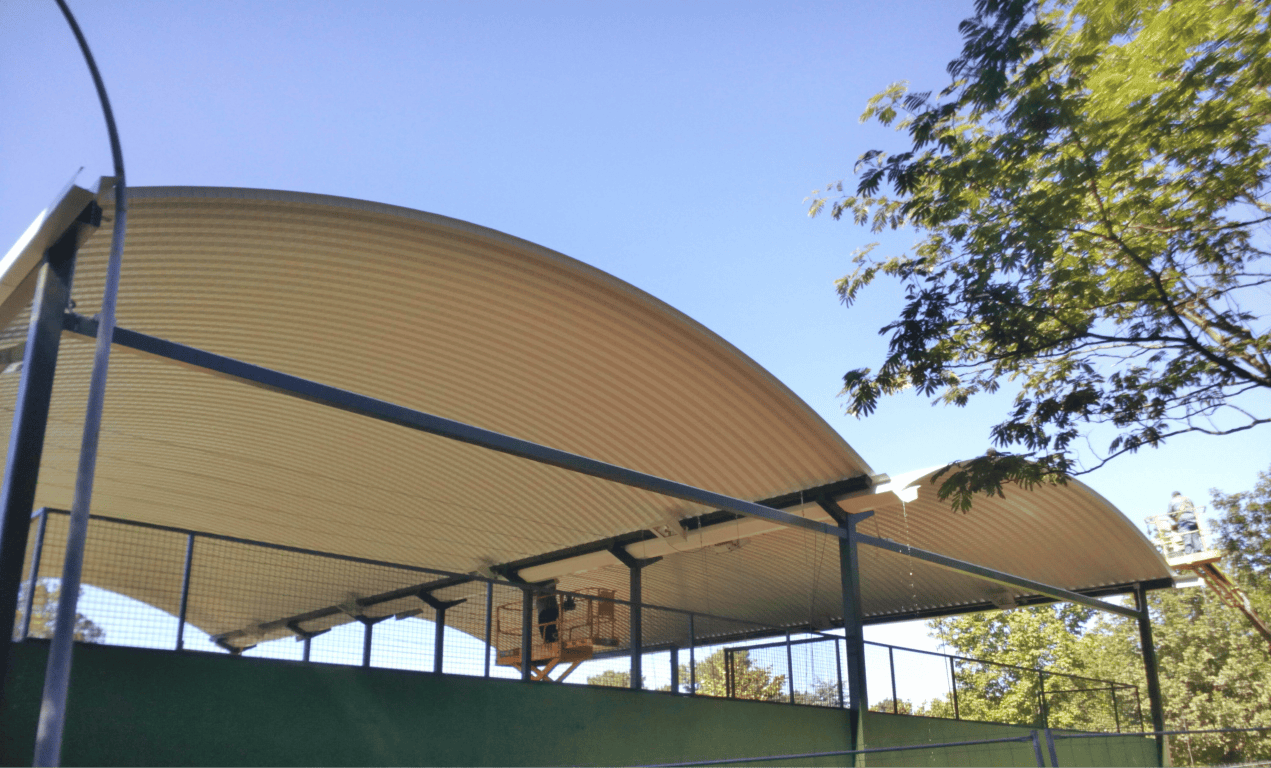
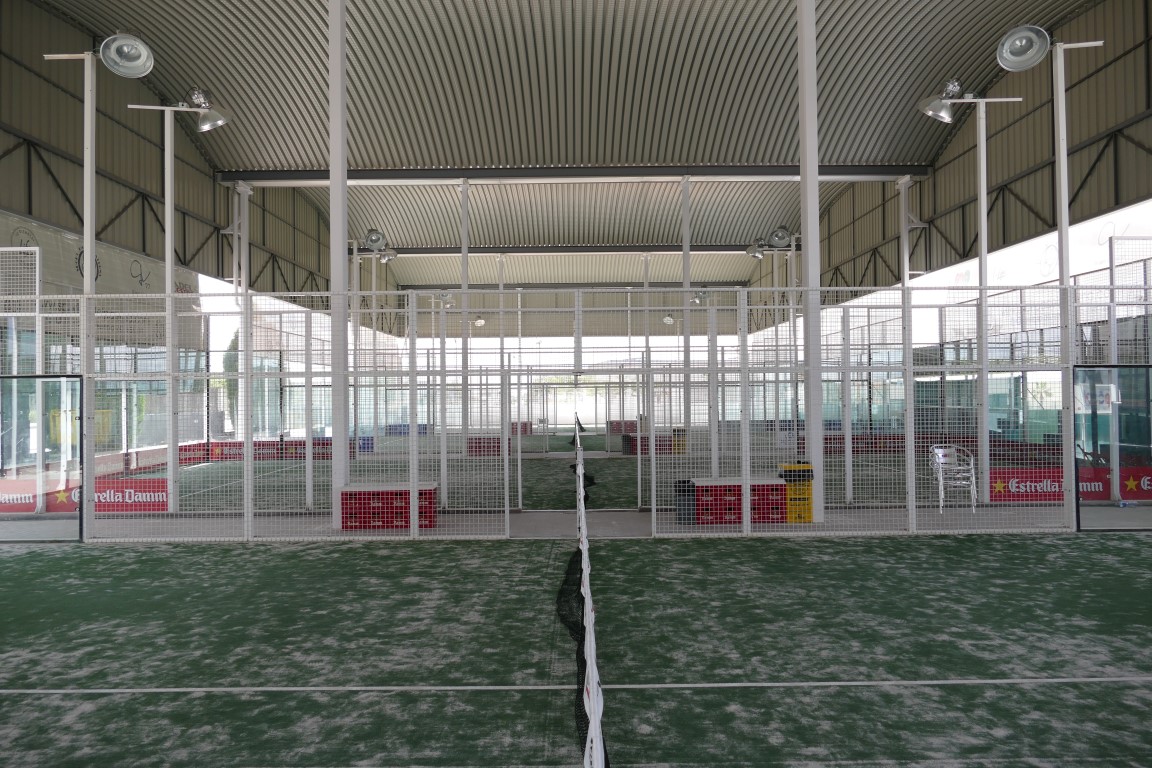
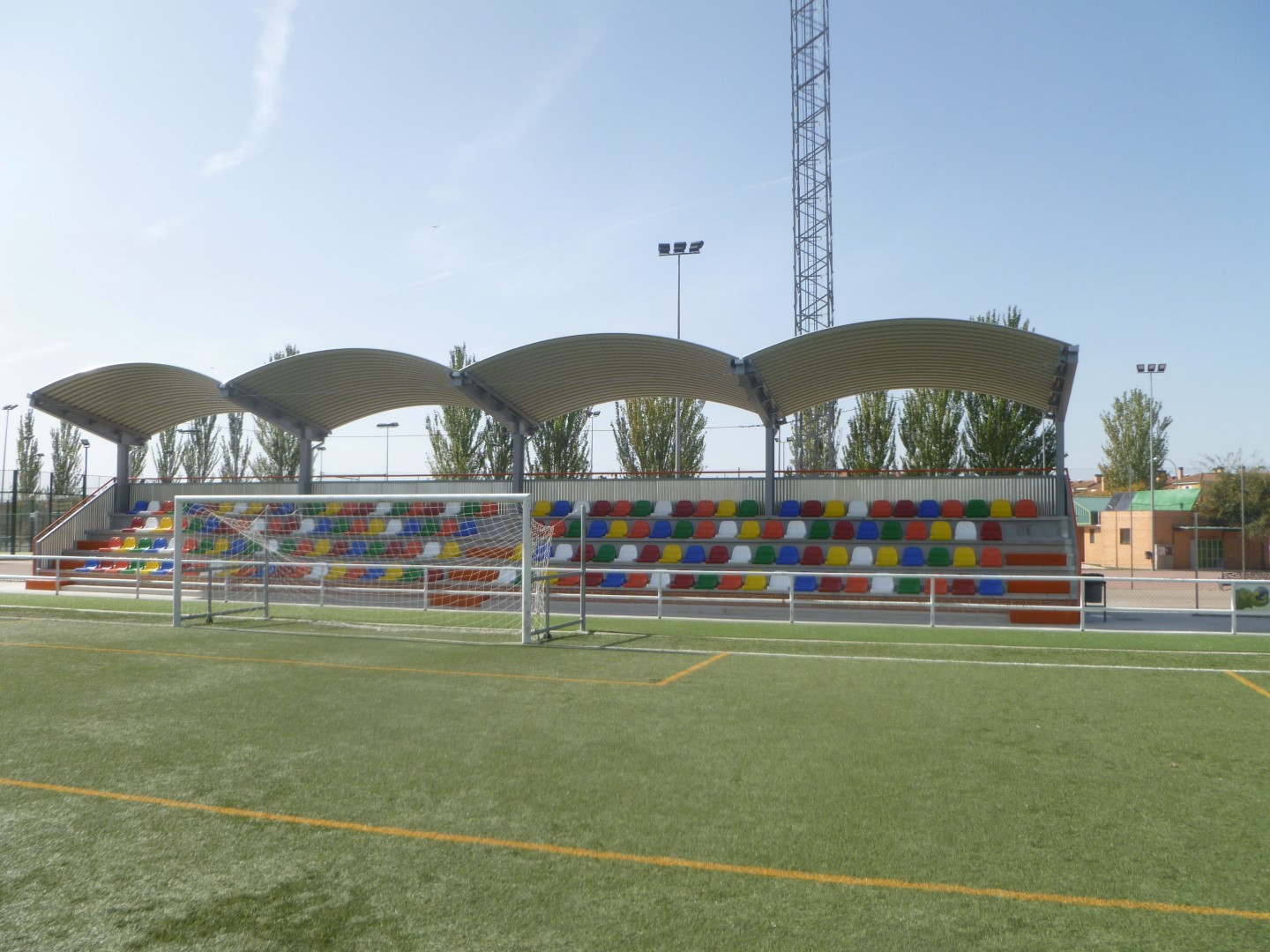
Sports court

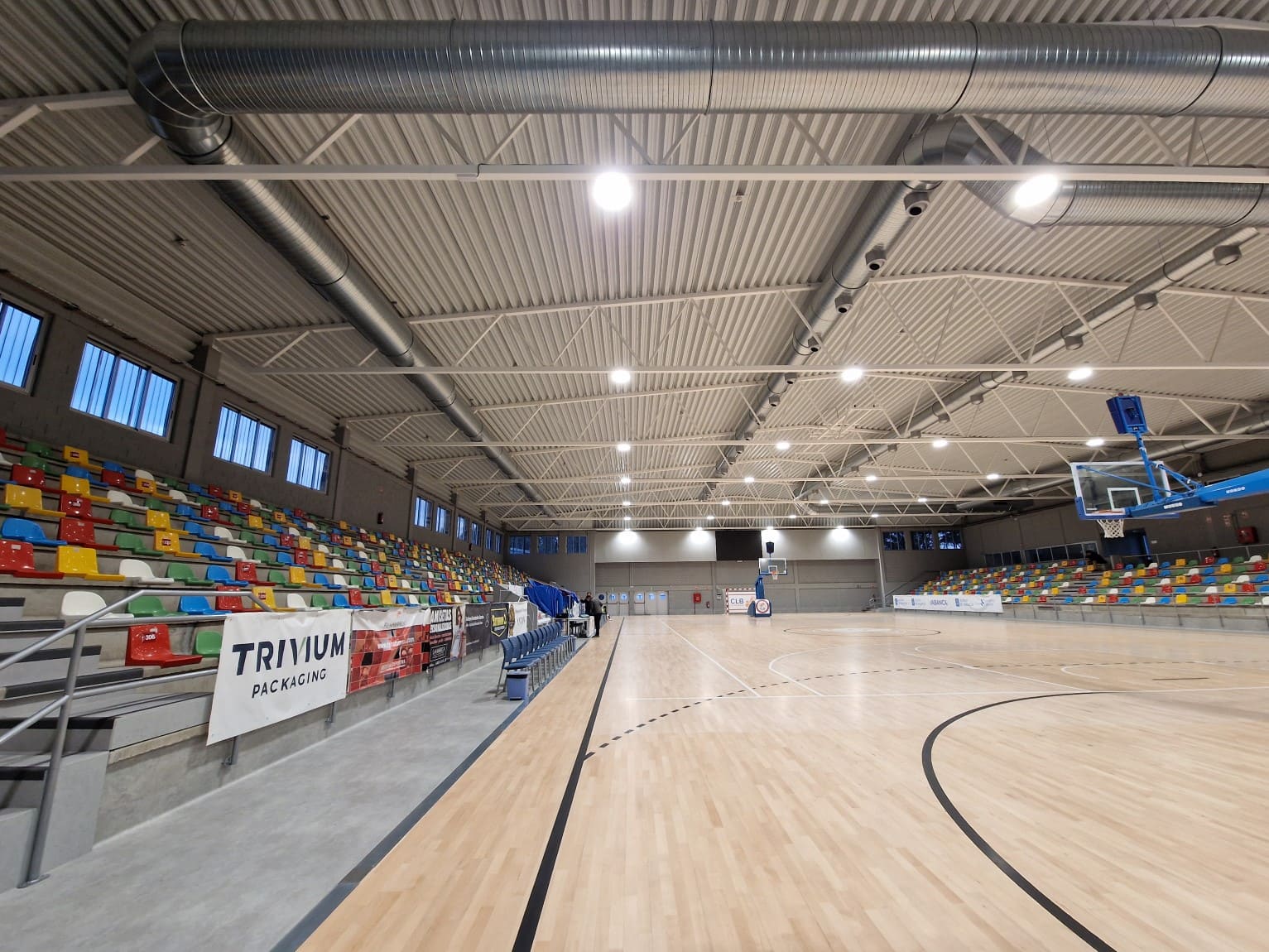
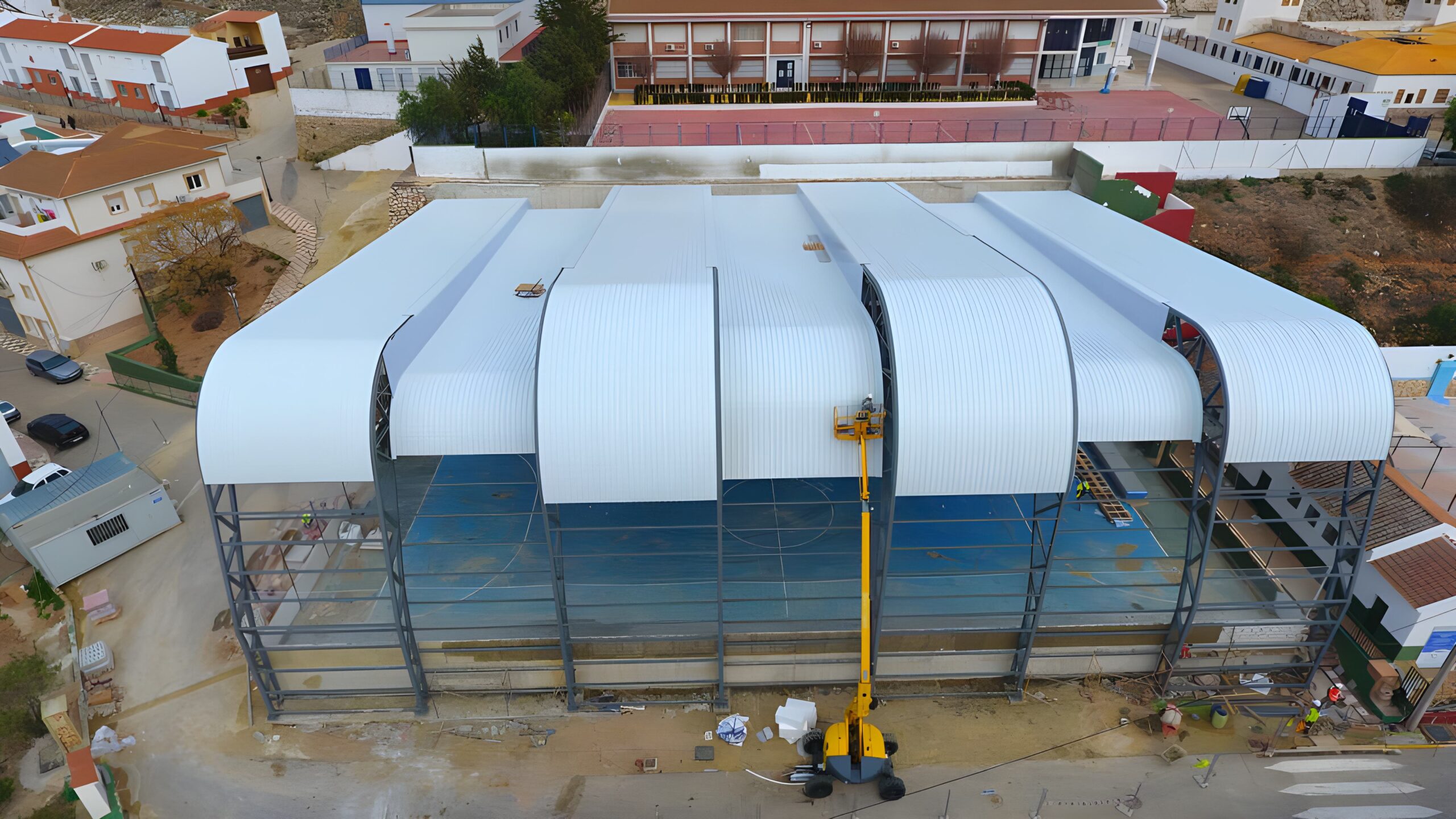
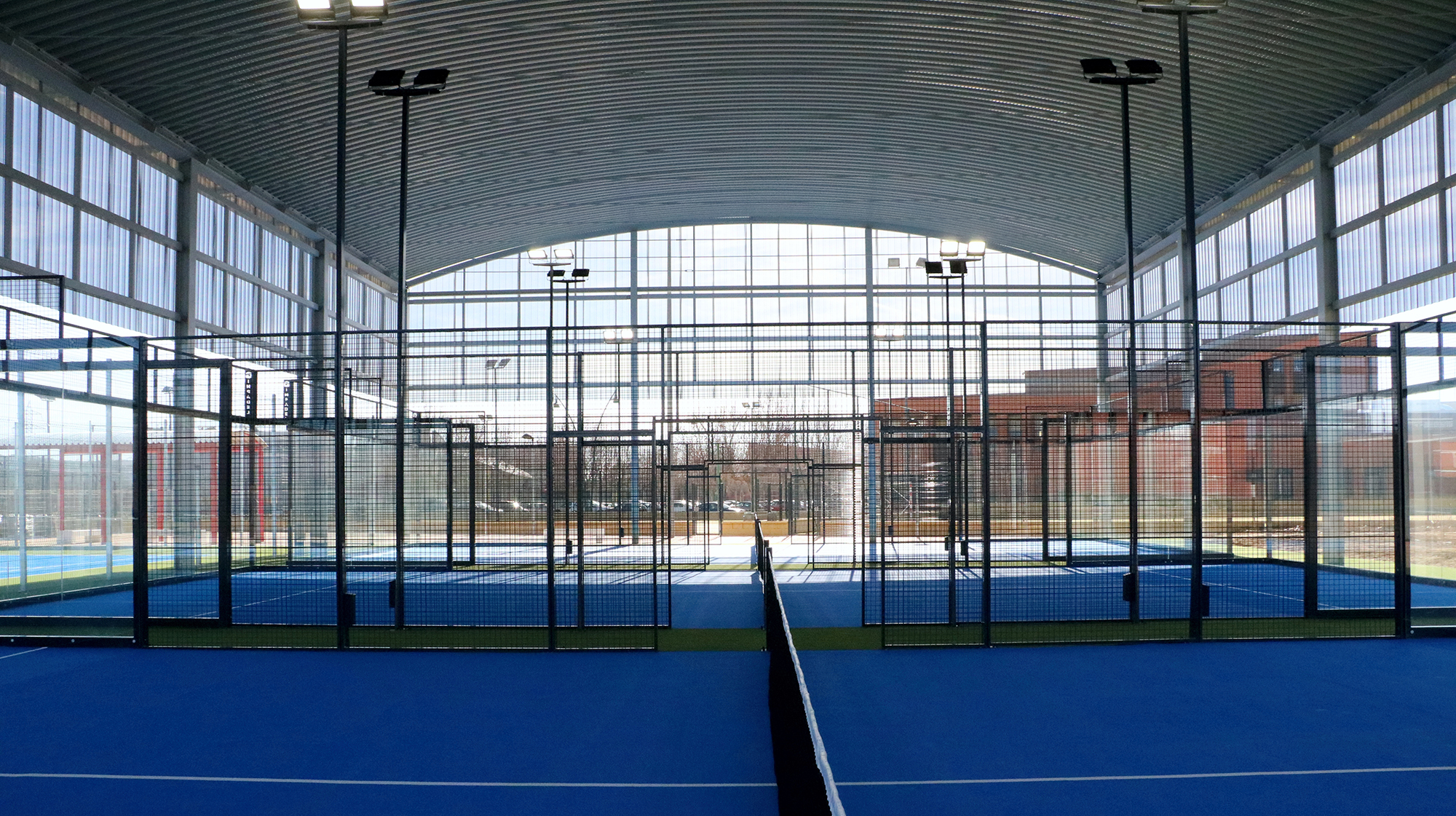
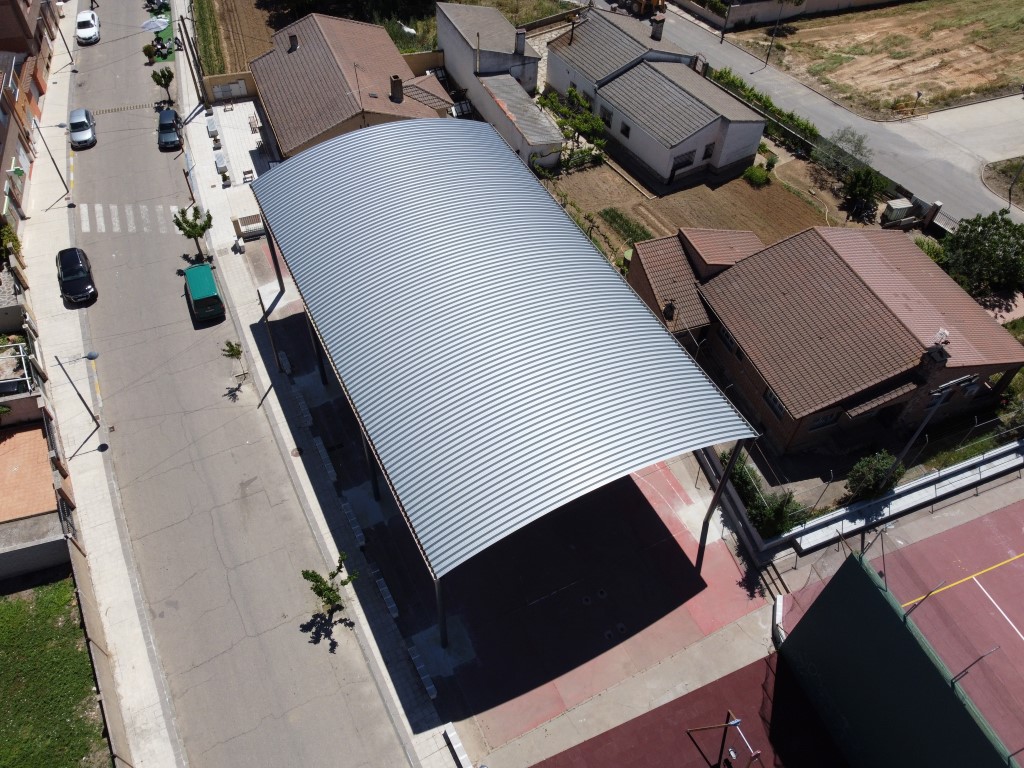
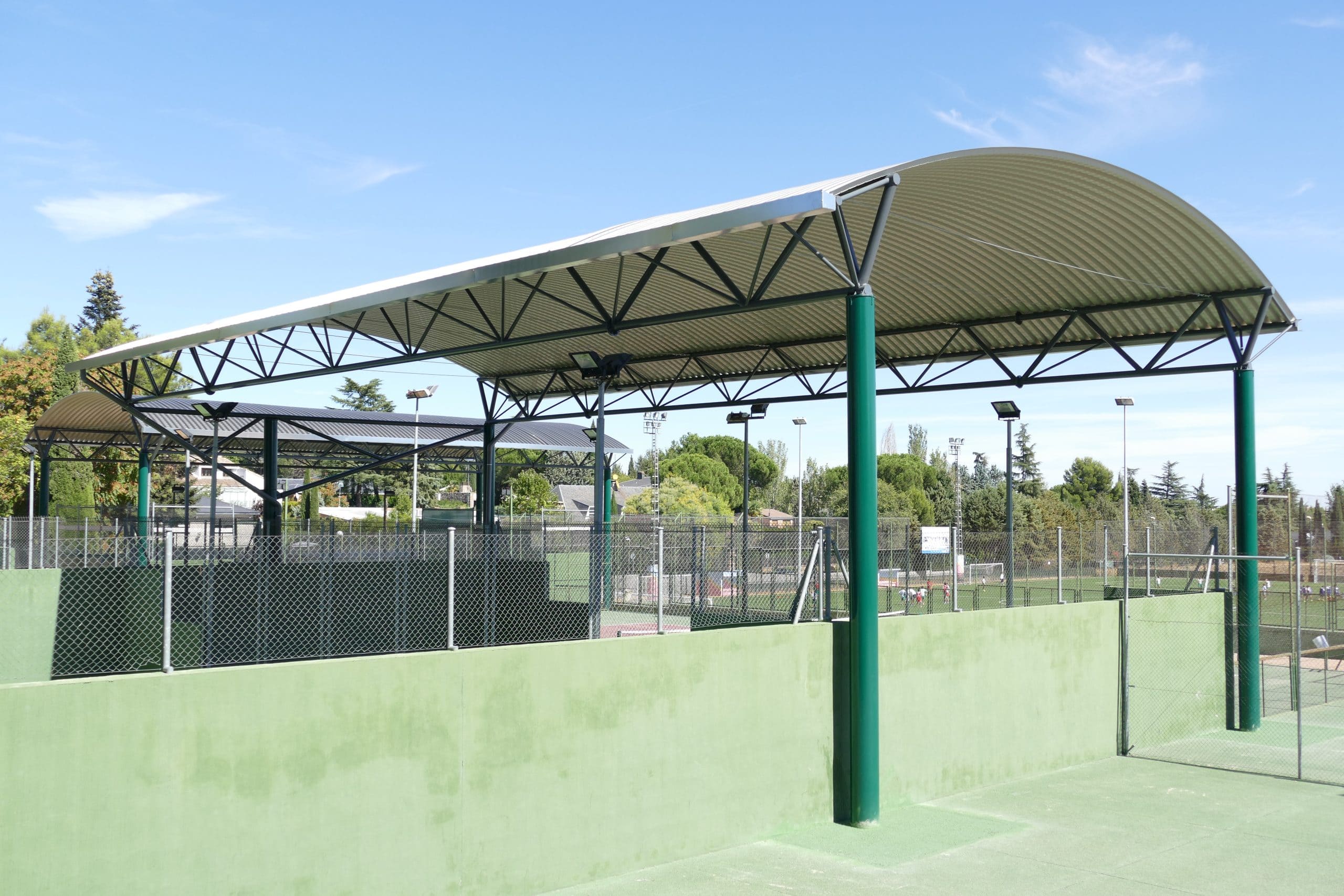
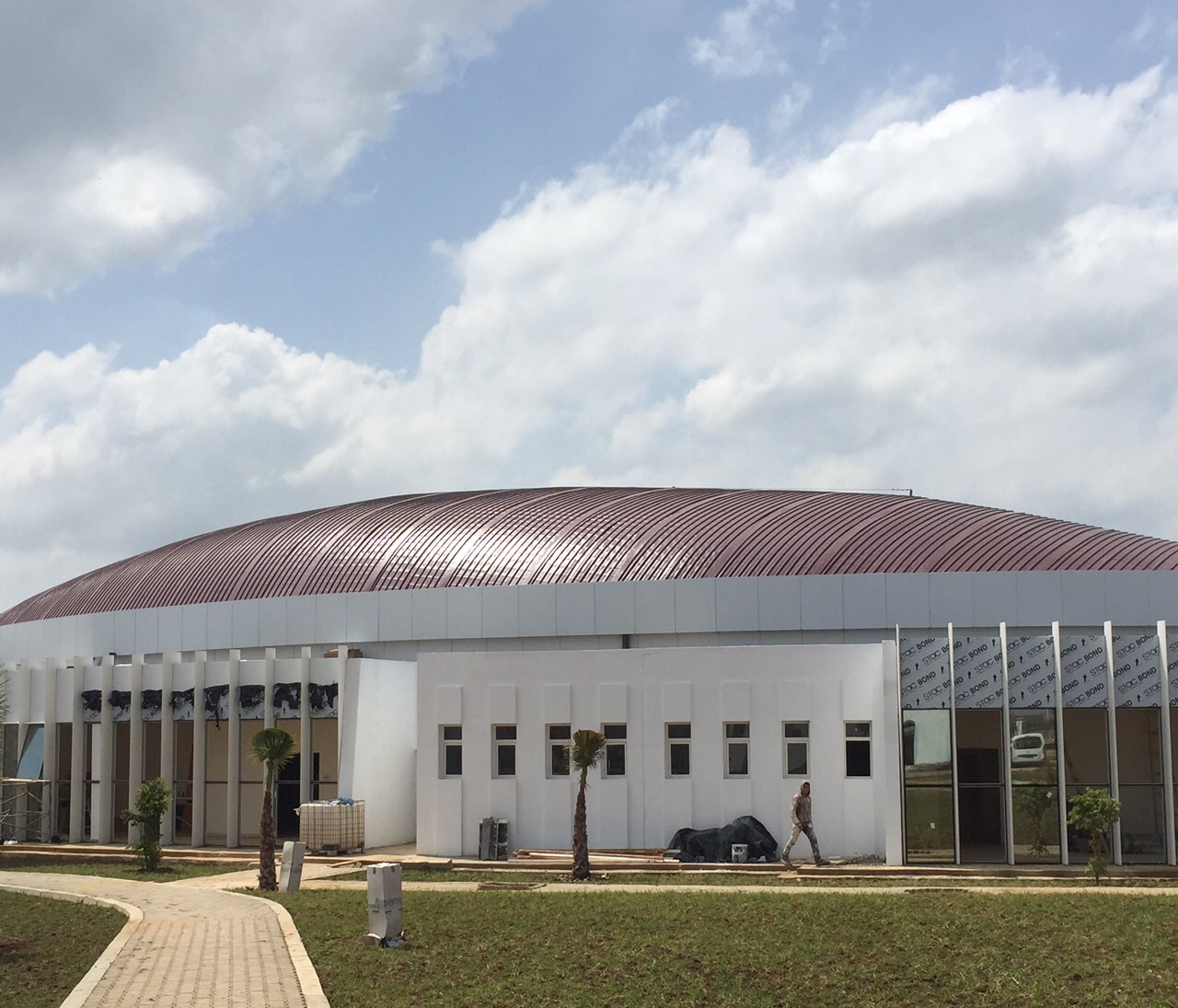
The self-supporting curved roof system allows you to cover a sports area up to 22 meters wide. With this type of roof, the track can be used all year round, regardless of the weather. In addition, it protects the pavement and outdoor equipment, increasing its useful life, with an innovative design and generating a quality covered space.

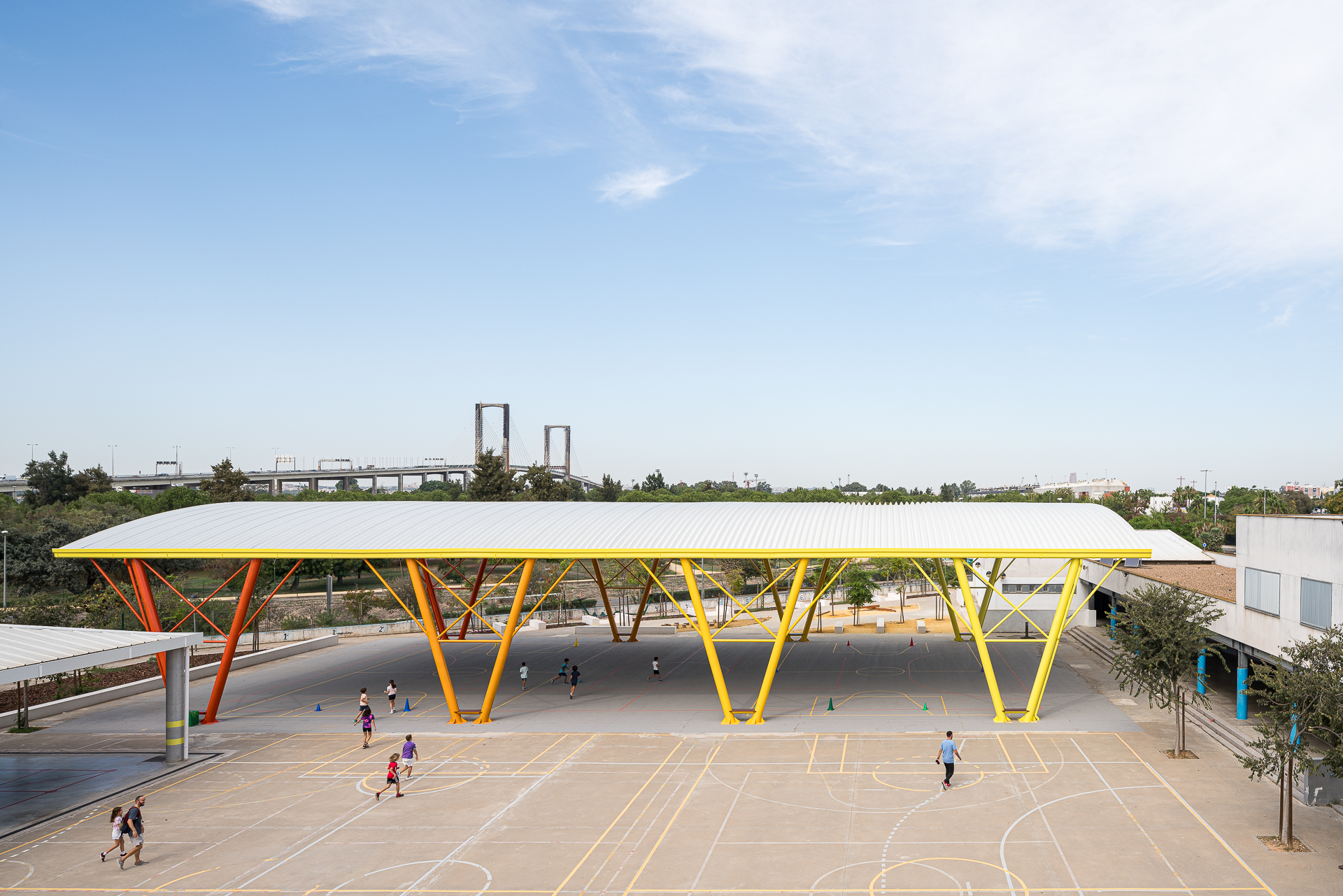
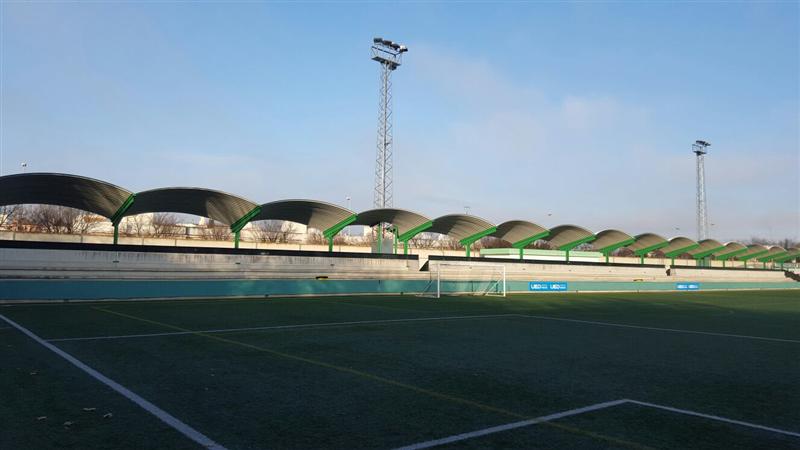
School sports court

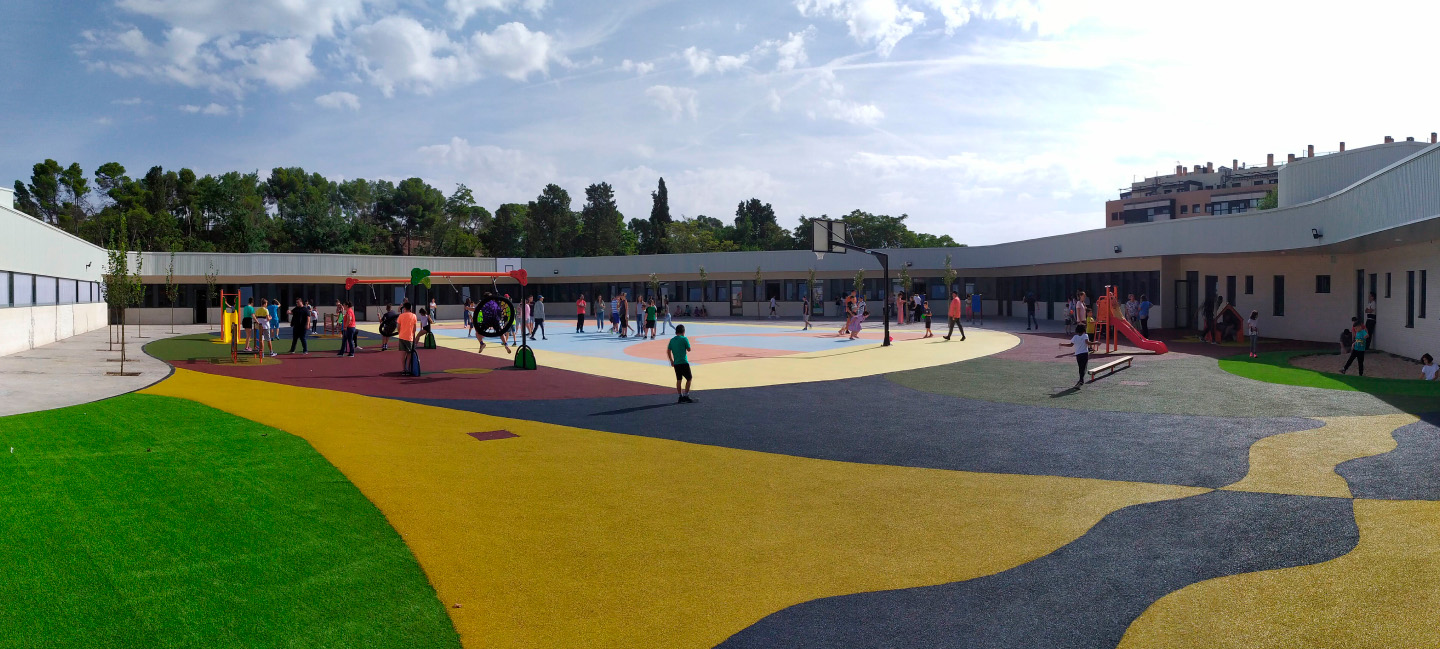
The self-supporting curved roof system allows covering a school area with dimensions of up to 22 meters wide. Take advantage of this school zone regardless of the weather. It protects outdoor equipment, increasing its useful life with an innovative design and generating a welcoming and attractive space for families.
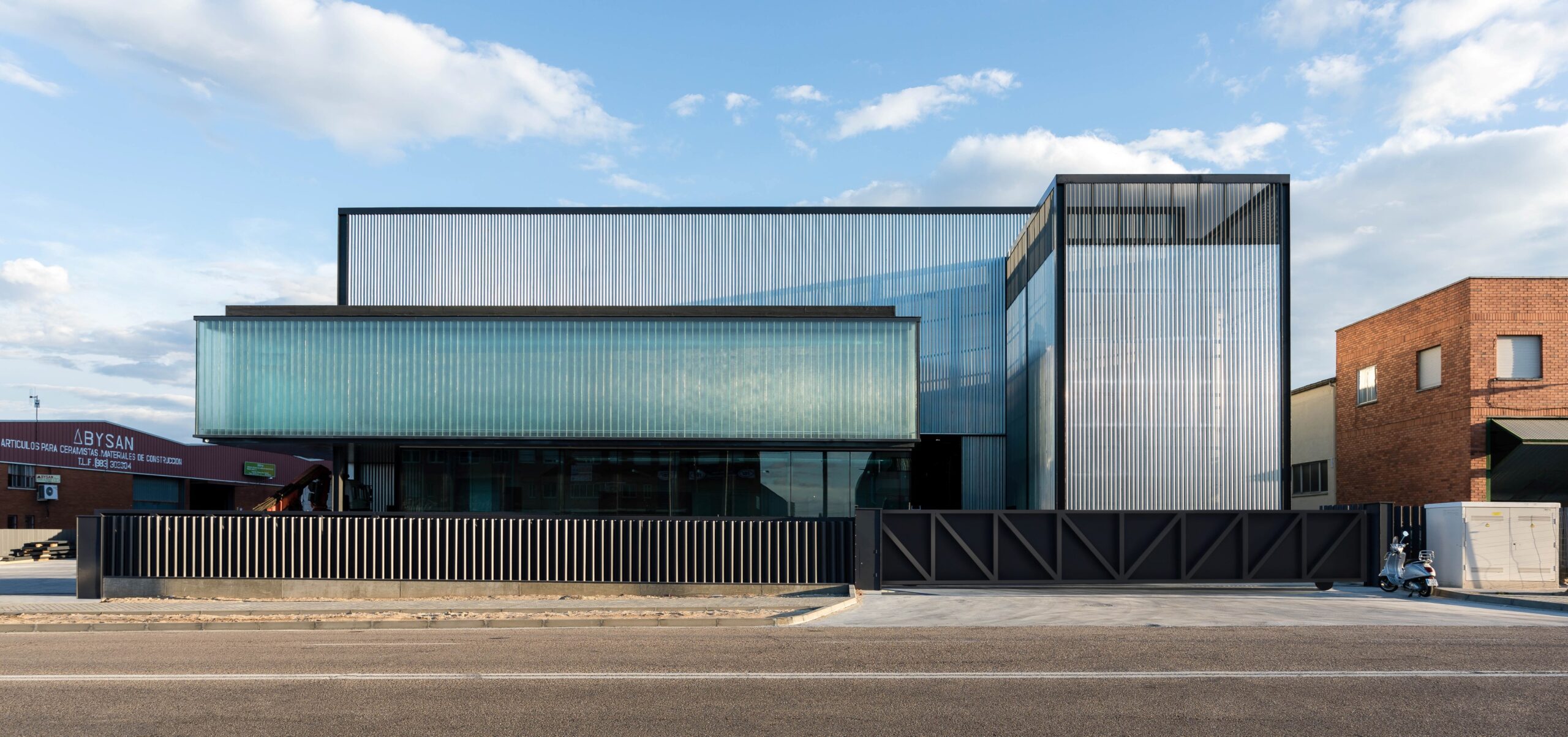
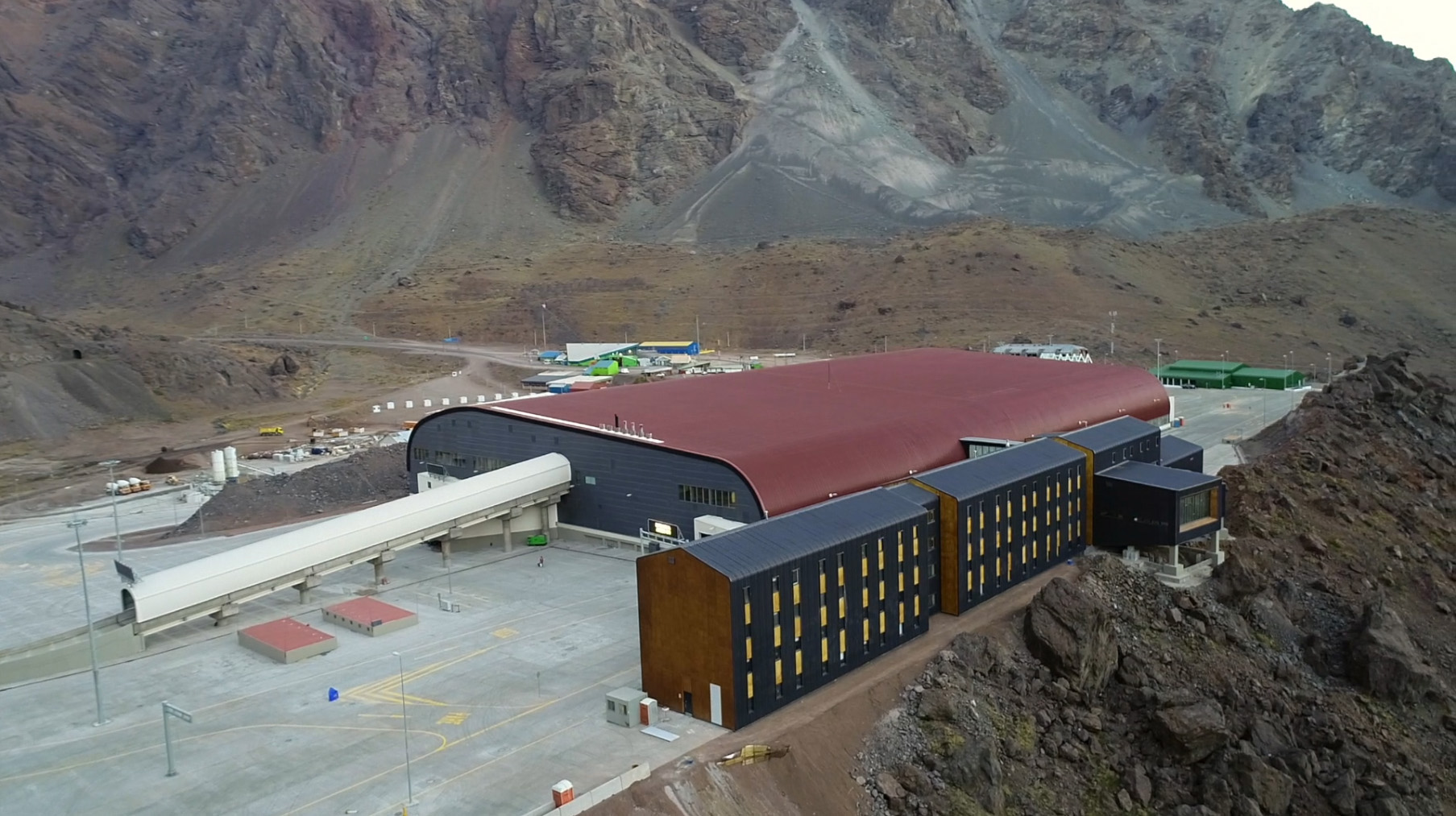
Precast concrete system

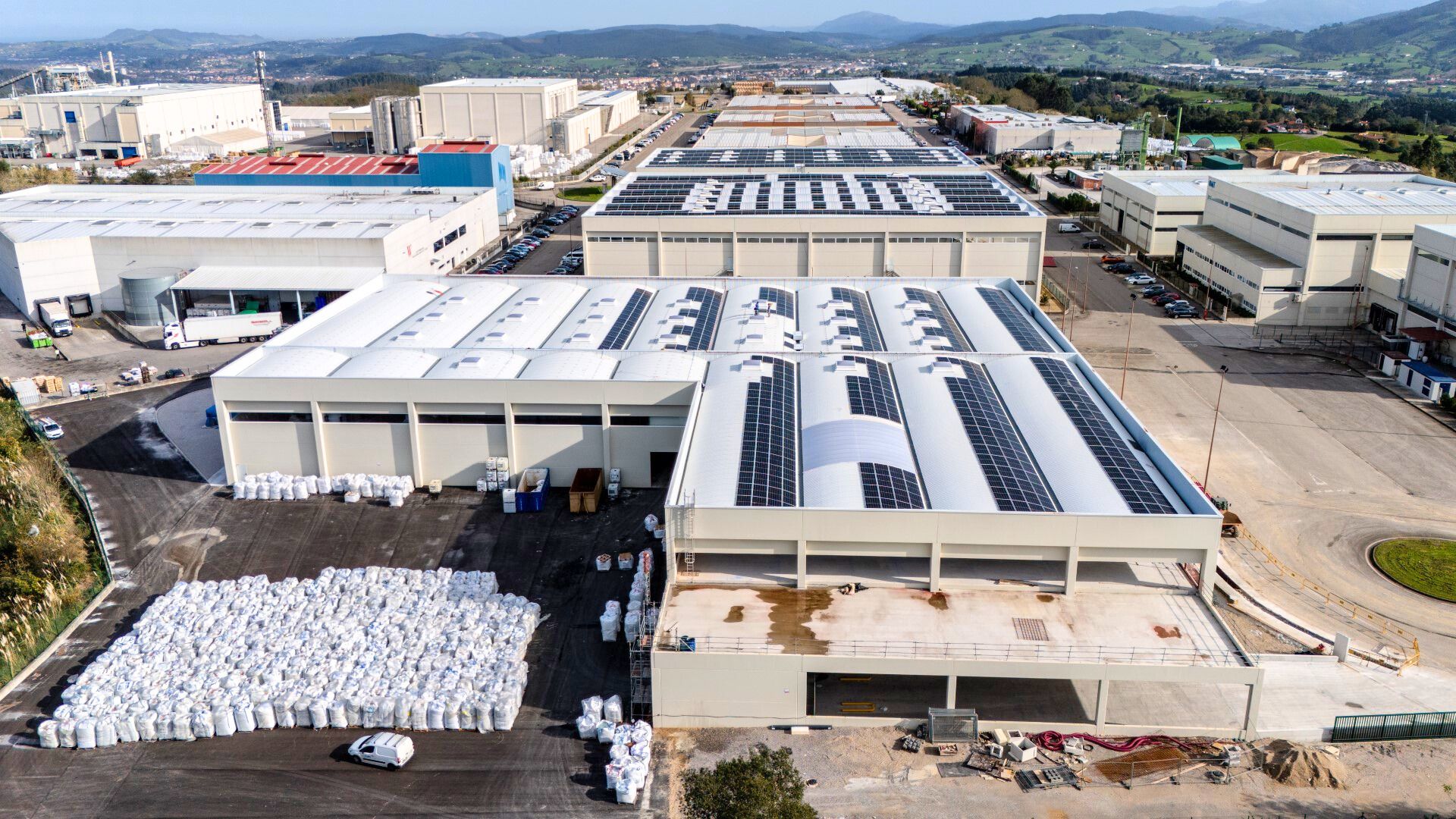
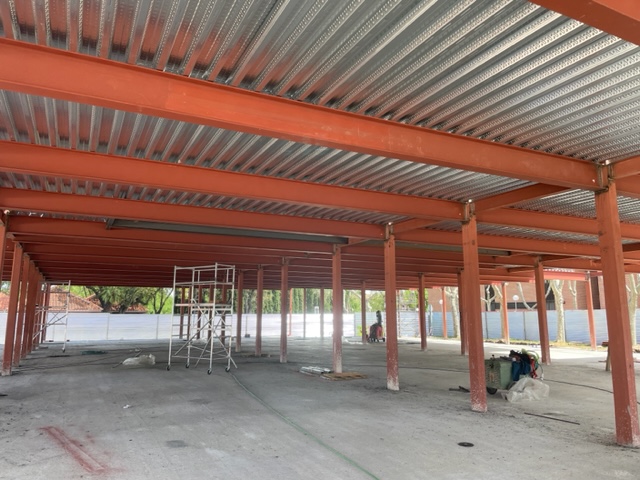
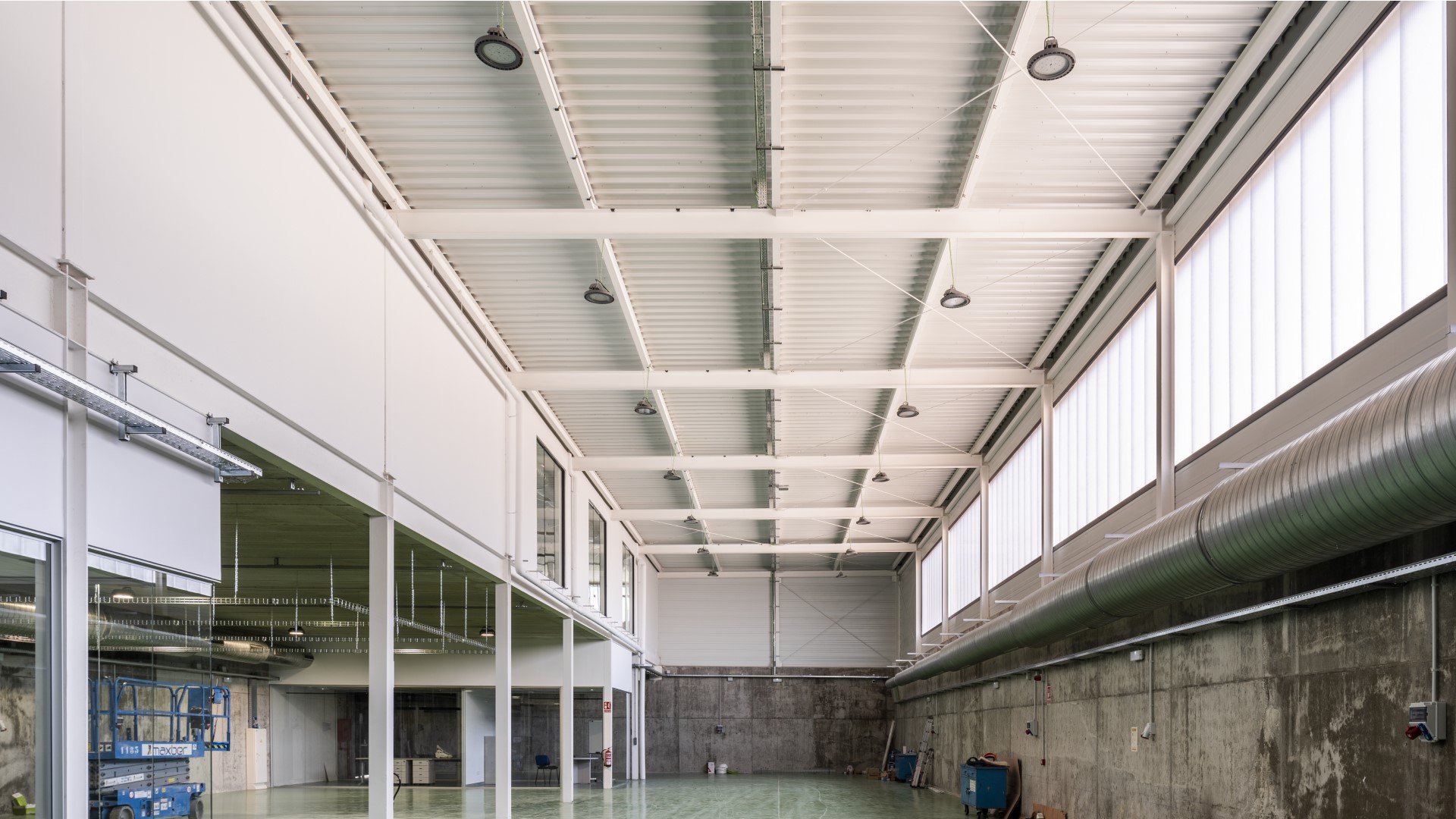
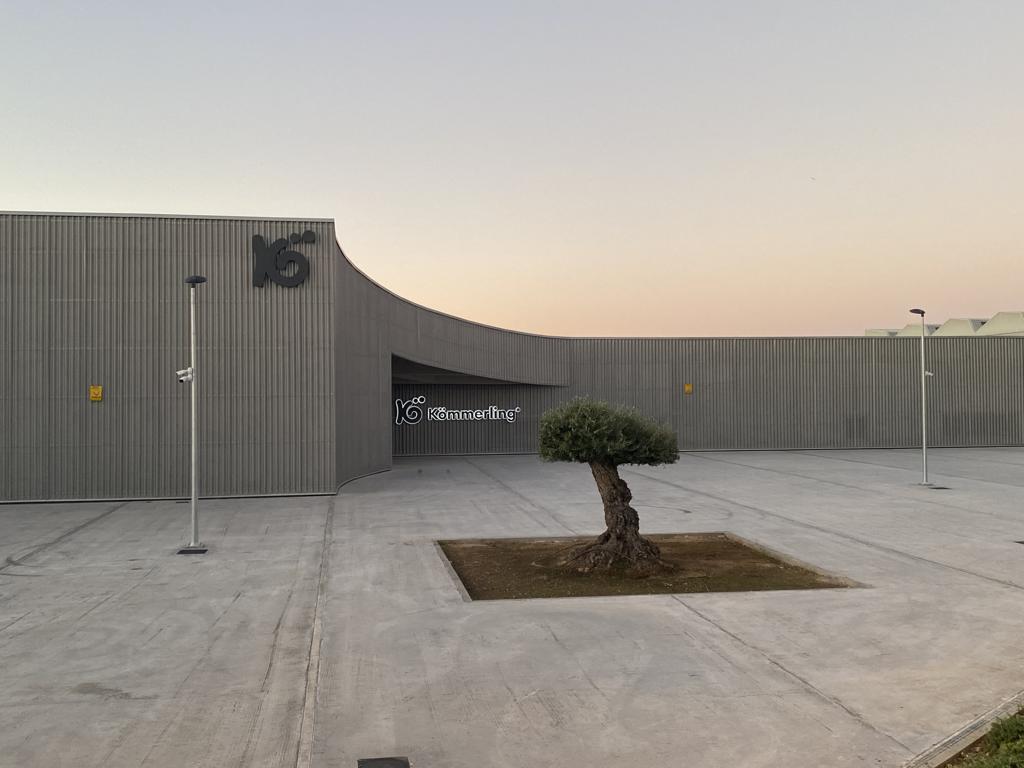
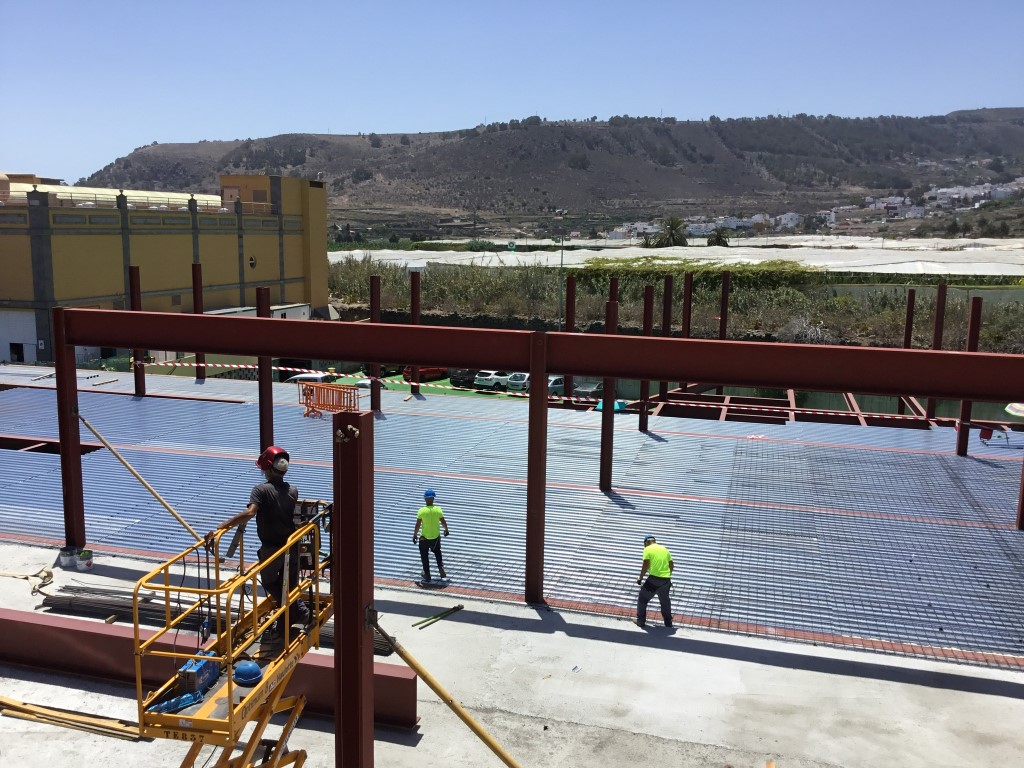
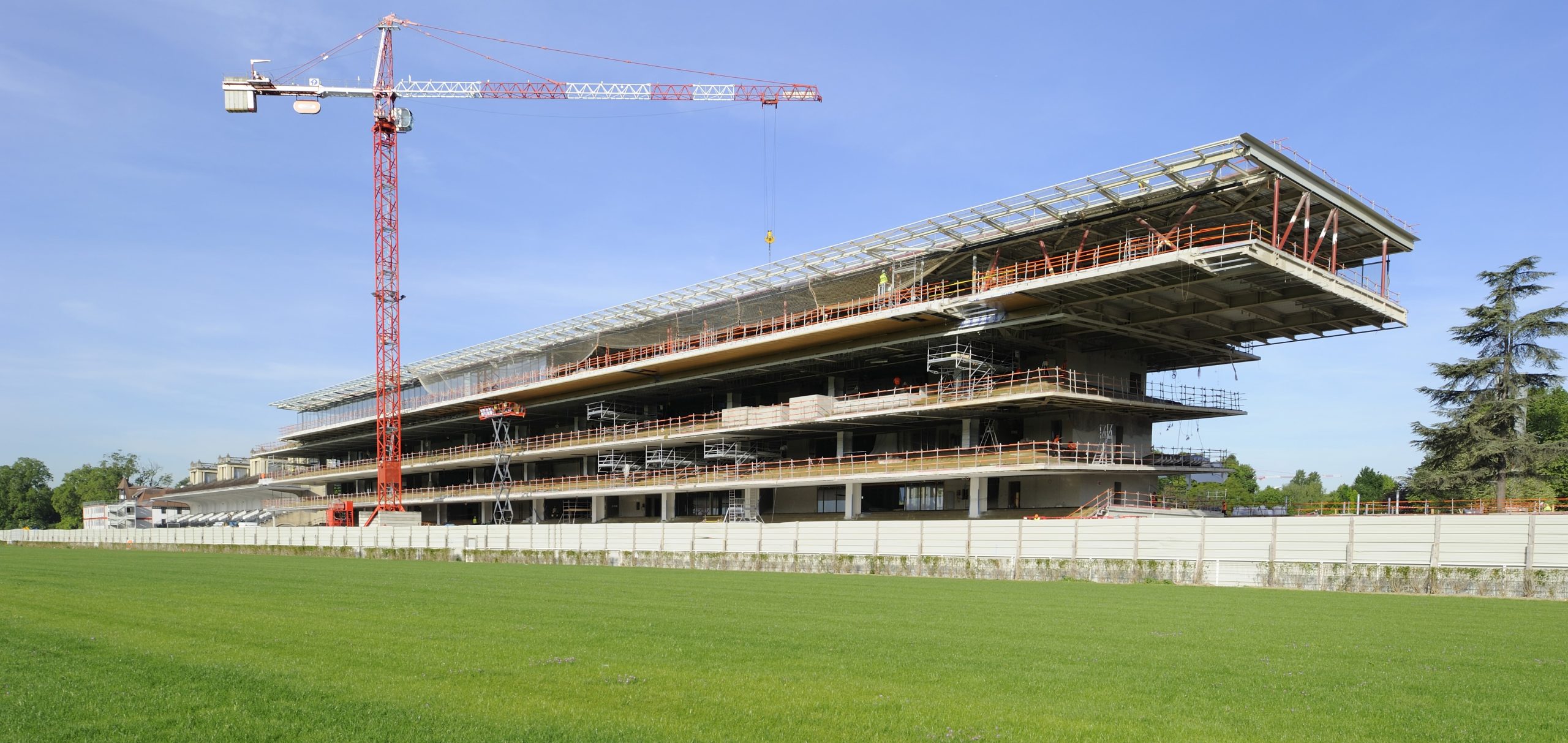
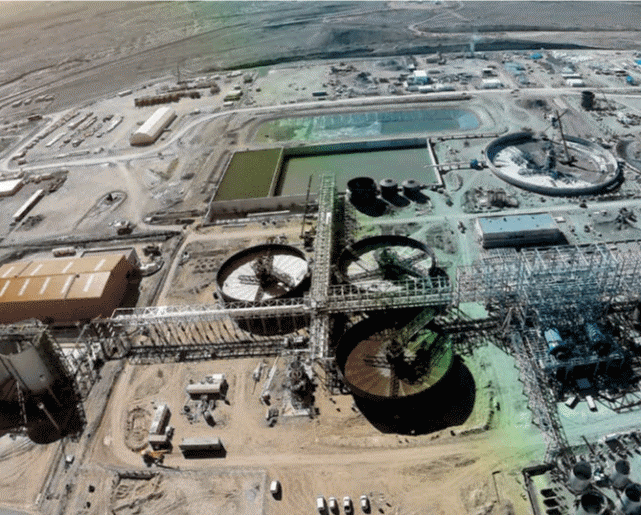
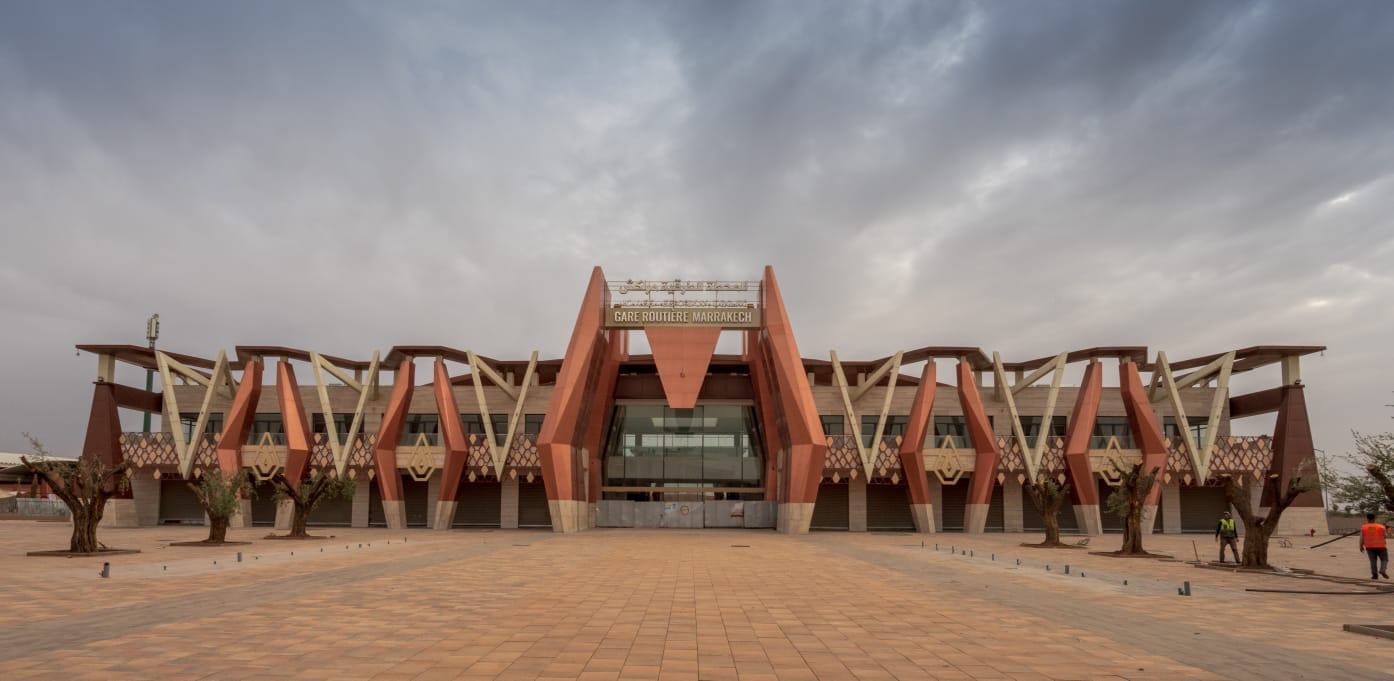
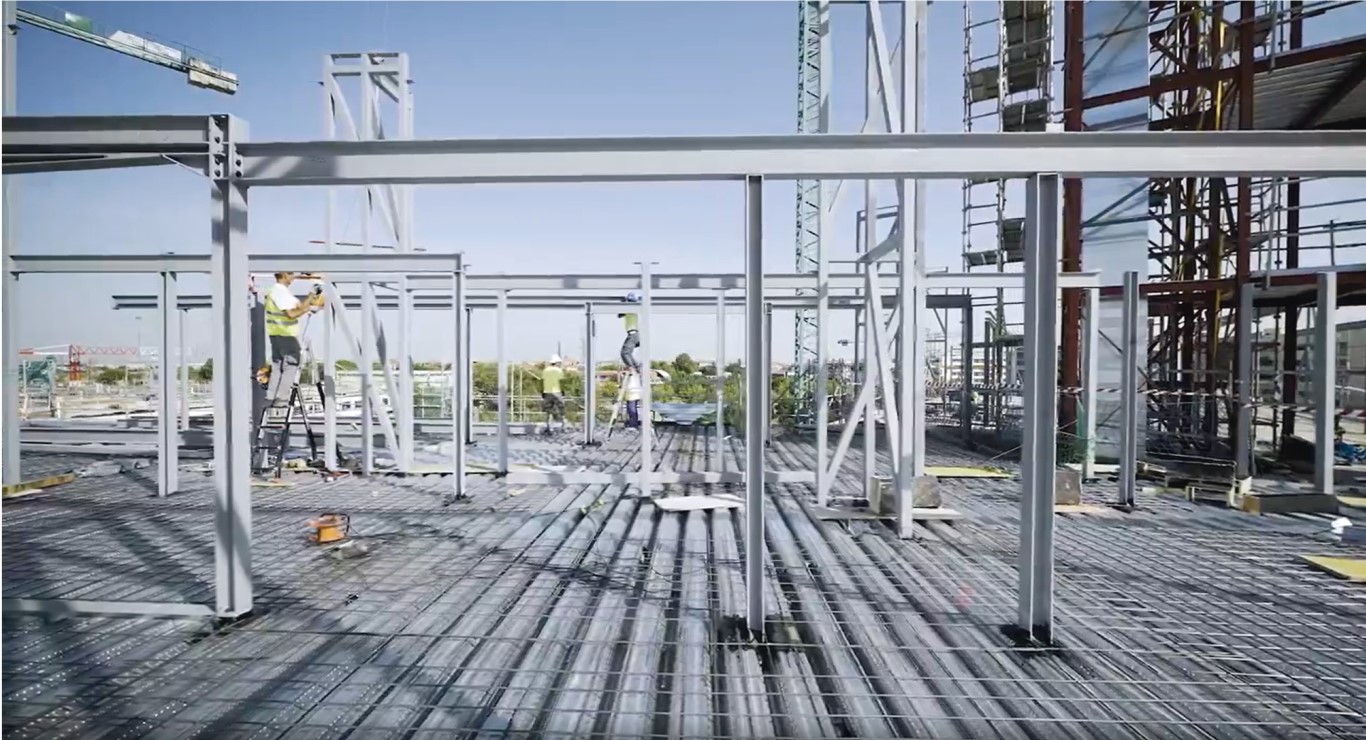
The curved roof used in conjunction with the prefabricated concrete structure allows spans of up to 13.30m to be reached for the self-supporting curved profile and in this way optimize the layout of the concrete structure, resulting in more open spaces and a reduced execution cost. The main applications of this system are from industrial warehouses to logistics centers, hangars, sports spaces, etc.

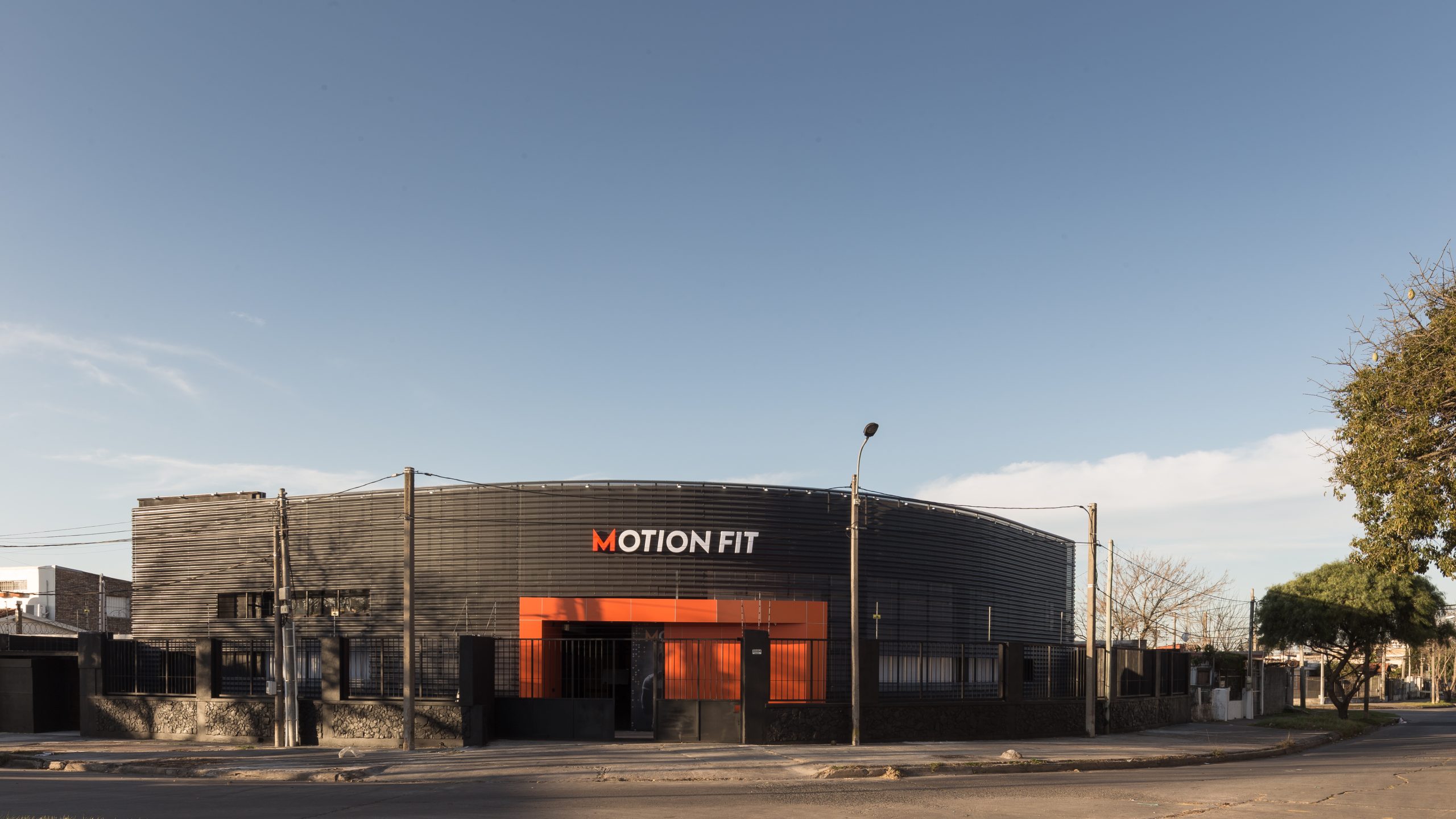
Wooden structure system

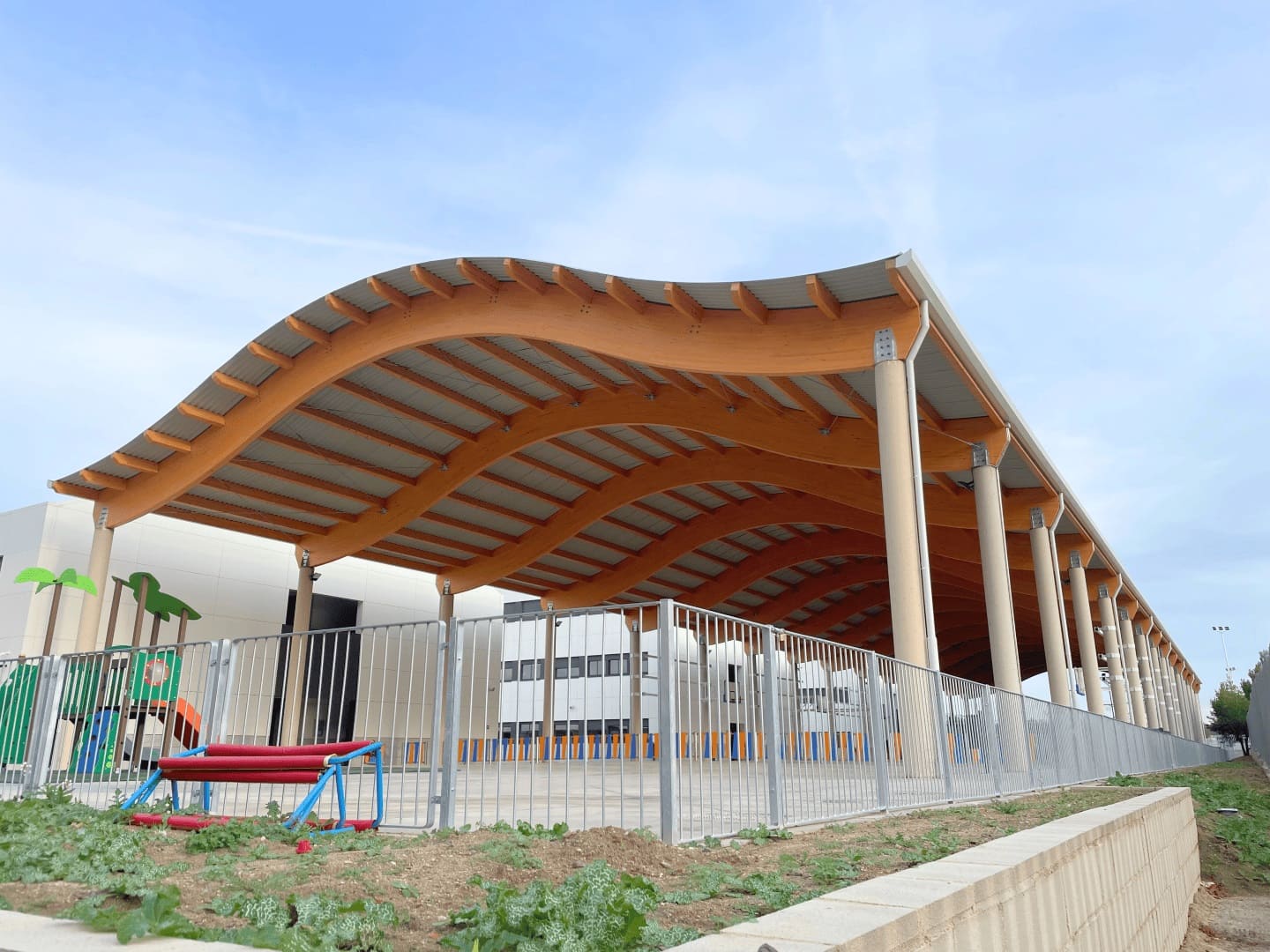
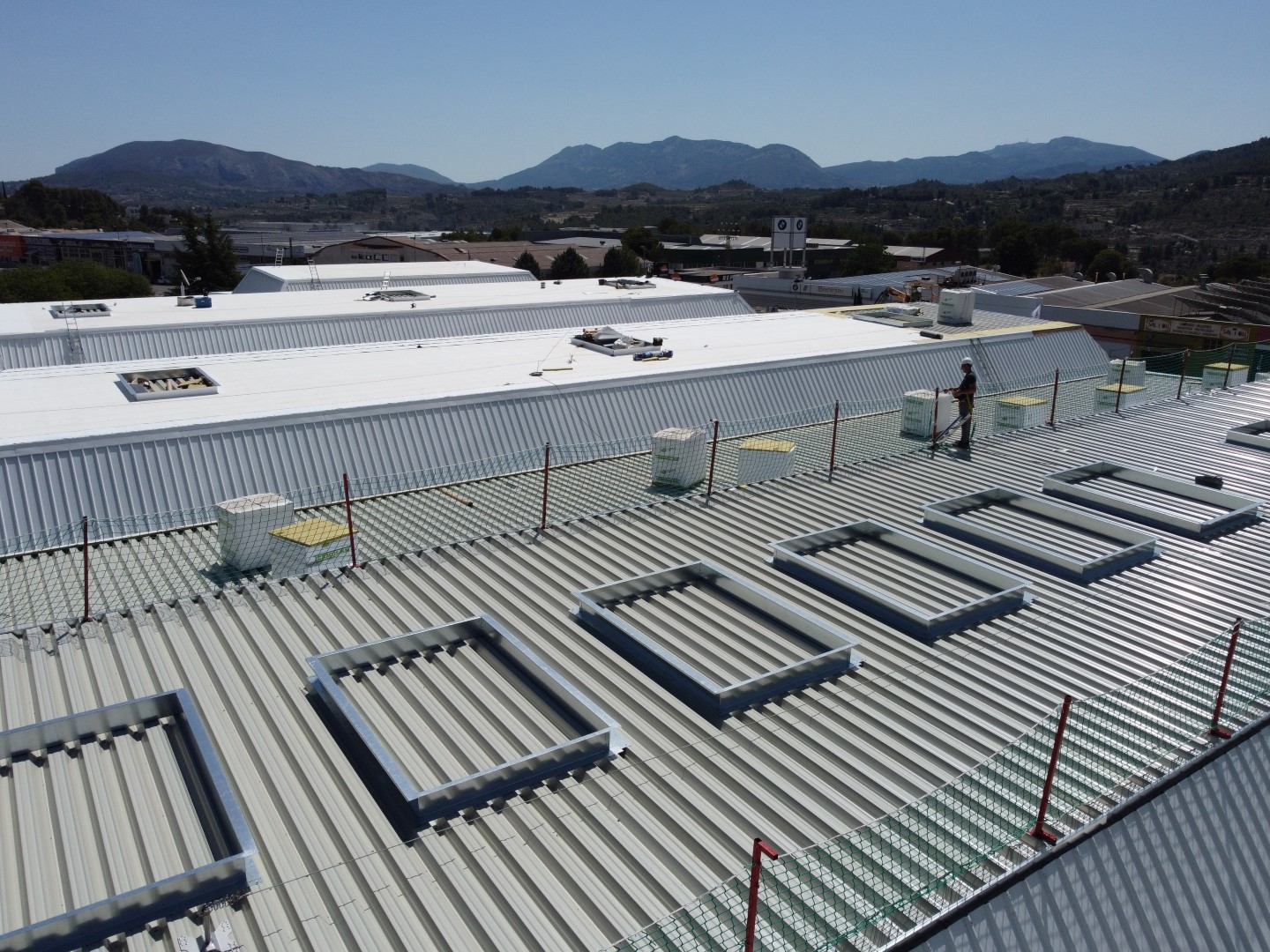
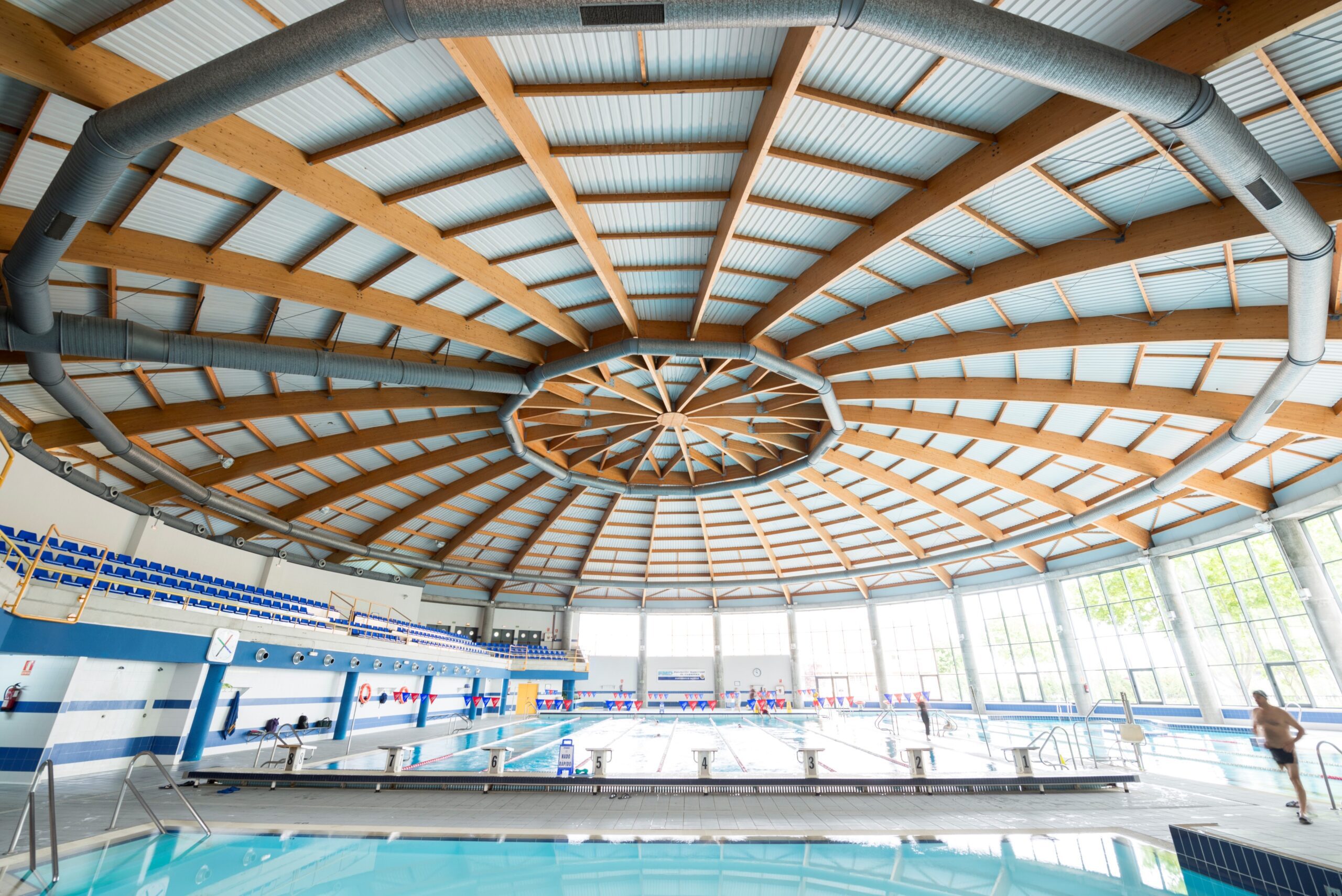
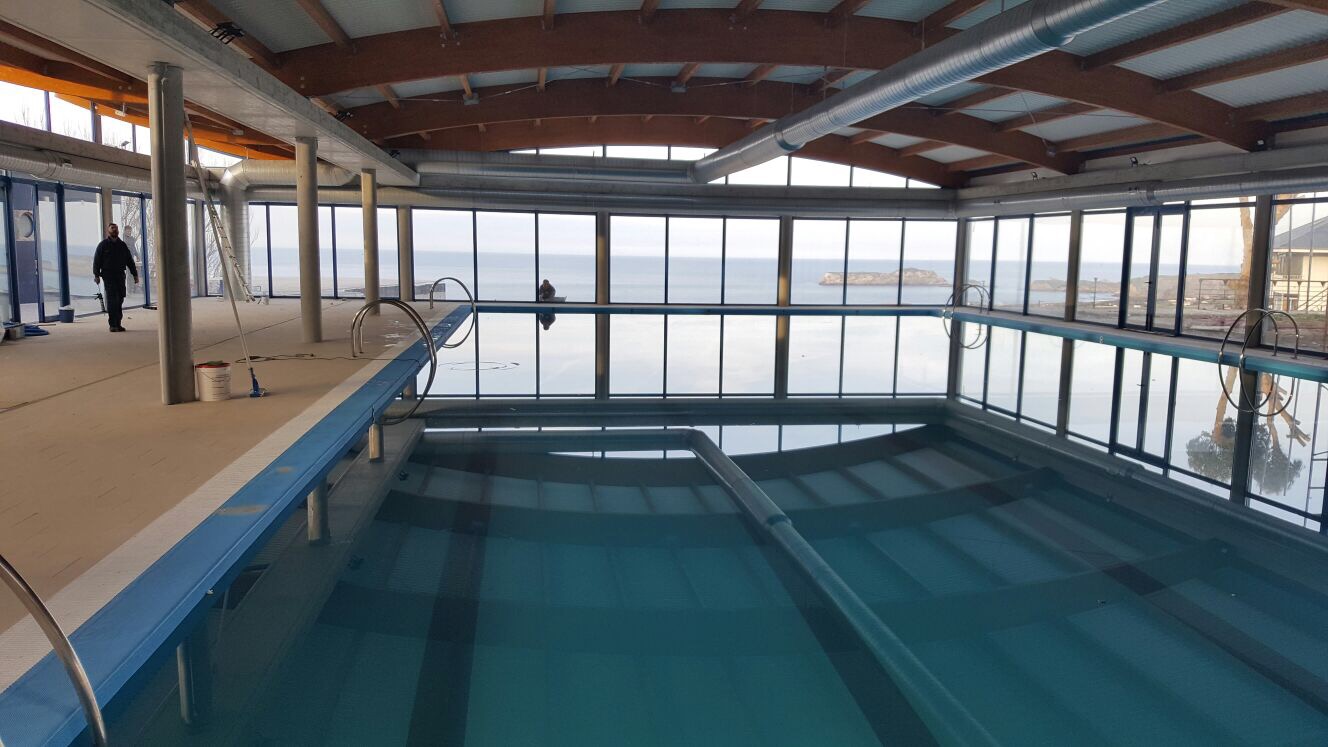
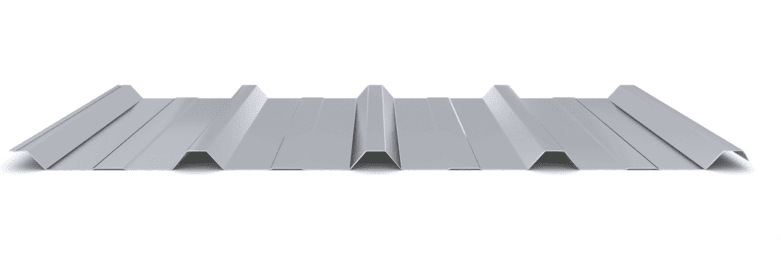
Incoperfil curved profiles with intermediate structure can adapt to different radii of curvature depending on the profile, from small radii in the transition of facings to large radii in the case of less pronounced curvatures. These profiles, which are always arranged on a supporting structure of purlins and/or beams as they have a variable curvature, work perfectly in combination with laminated wood structures, given the versatility, guarantee and efficiency that this solution offers.

Start designing yout project

Request calculation report

Complete the form below to receive a detailed report justifying the most suitable enclosure profile. You will receive the information as soon as possible.
Building characteristics
Industrial roof application loads
(1) For sections of the roof profile with 2, 3, 4 or more supports, indicate the greatest distances between supports that appear in your project.
Type of environment
Attached documentation
Additional comments
Contact information
Project data
Building characteristics
Application loads for the industrial facade
(1) For sections of the façade profile with 2, 3, 4 or more supports, indicate the greatest distances between supports that are presented in your project.
Type of environment
Attached documentation
Additional comments
Contact information
Project data
Building characteristics
Deck loads
(1) For sections of the roof profile with 2, 3, 4 or more supports, indicate the greatest distances between supports that appear in your project.
Type of environment
Attached documentation
Additional comments
Contact information
Project data
Structure features
Composite slab characteristics
(1) For the sections of the composite slab with 2, 3, 4 or more supports, indicate the greatest distances between supports that appear in your project. Span length < 5,00 m.
Type of environment
Attached documentation
Additional comments
Contact information
Project data
Building characteristics
Characteristics of the facade
Roof typology

(1) Indicate the length of the span of the arch, which is the greatest horizontal distance between the supports of the curved roofing.

(2) Plan-view dimension representing the full length of the curved roof measured perpendicular to the arch span.

(3) Specify the obstructed area under the canopy, in square meters, as a proportion of the total area of the front or side (transverse or longitudinal) façade, in order to calculate the obstruction factor. If it is a closed construction or there is no obstruction area, indicate 0 m².

Environment characteristics
Type of environment
Attached documentation
Additional comments
Contact information
Project data