




What is a composite slab?
A composite slab is a mixed structural system formed by a steel composite deck and a reinforced concrete slab that work together. This type of slab integrates the load-bearing properties of both materials: steel provides tensile strength, ductility, and capacity during the assembly phase, while concrete provides compressive strength, stiffness, and structural mass.
The result is a lightweight and efficient composite slab, capable of covering typical spans of around 5 meters with reduced thicknesses and configurations that can achieve high levels of fire resistance performance, depending on design and applicable regulations.
Composite slab characteristics
The system is based on the use of a ribbed metal deck that, during execution, acts as permanent formwork and, once the concrete has hardened, collaborates structurally with it. This dual function simplifies the construction process and reduces the need for auxiliary means.
Among its main characteristics are:
Steel–concrete composite system that combines strength and stiffness in a single structural section.
Fast execution, without the need for traditional formwork in most configurations.
Reduced self-weight slab, with slab depths from 120 mm in standard solutions.
Compatibility with steel, concrete, or composite structures.
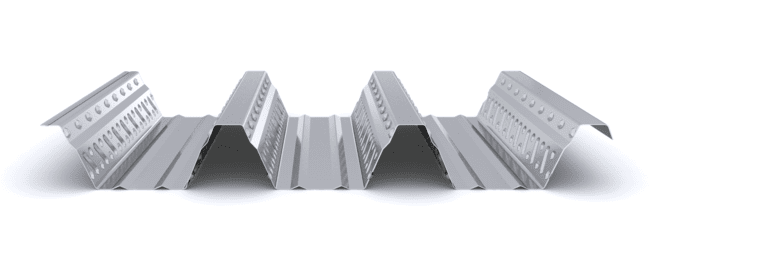
Efficient load transfer thanks to the embossments in the ribbed profile.
Final performance depends on the selected profile, deck thickness, reinforcement ratio, and the loads considered in the project.
Advantages over traditional slabs
The composite slab offers technical and construction advantages compared to conventional reinforced concrete systems:
- Reduction of Structural Weight
Optimizing thickness and the steel–concrete interaction reduces the permanent loads transmitted to beams, columns, and foundations. - Faster Execution
The composite deck acts as a working platform and concrete support, largely eliminating the need for traditional formwork and internal propping. - Economic and Logistical Efficiency
Simplifying the construction process reduces labor, installation time, and auxiliary materials. - Fire Performance
Through proper design of slab depth, concrete cover, and reinforcement, the system can achieve high fire-resistance ratings in accordance with applicable regulations. - Optimization of Clear Heights
In configurations integrated within steel beams, it is possible to improve the use of interstory height. - System Sustainability
Steel is recyclable, and the system enables efficient use of concrete, promoting structural solutions that optimize material consumption.
Applications of Composite Flooring
Composite flooring is used in a wide variety of buildings thanks to its structural and construction versatility.
Among its most common applications are:
Industrial and logistics buildings, where it enables fast solutions over steel structures.
Office and commercial buildings, enabling lightweight intermediate floors with optimized installation.
Residential buildings and refurbishments, especially when reducing self-weight is a key factor.
Parking structures, modular structures, and walkways, due to their fast installation and adaptability.
Types of Incoperfil composite profiles
The range of Incoperfil composite profiles is designed to meet different structural and fire-resistance requirements.
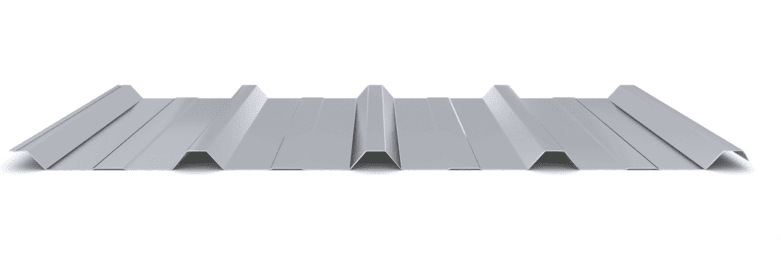
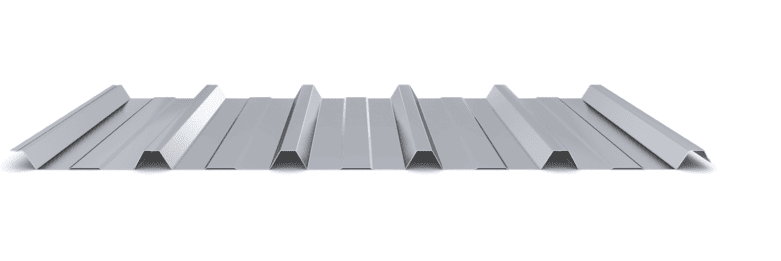
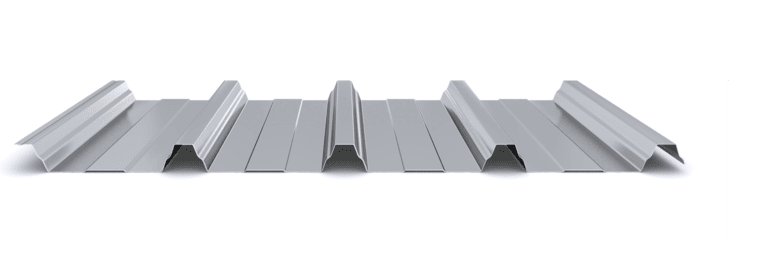
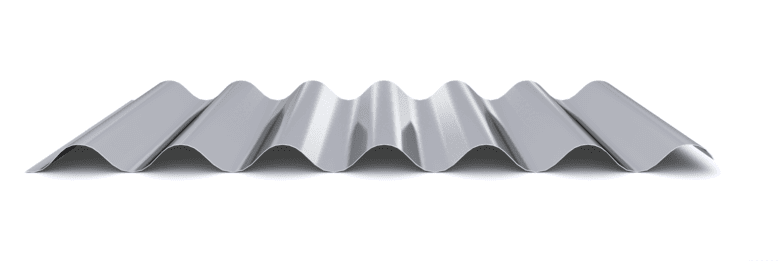
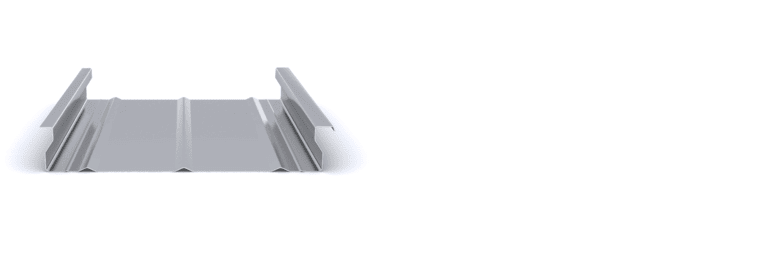
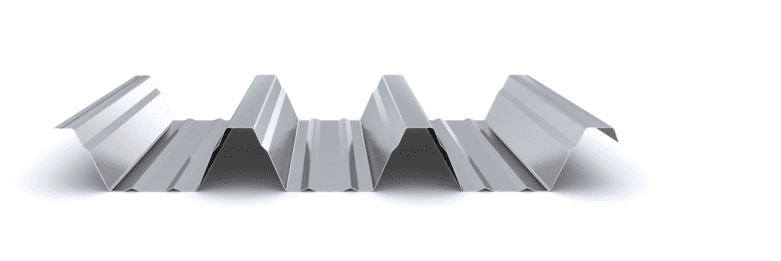
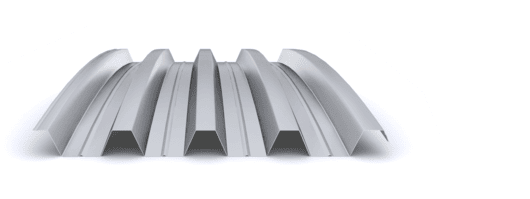
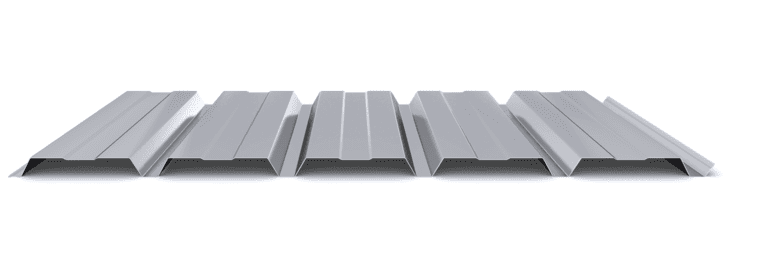
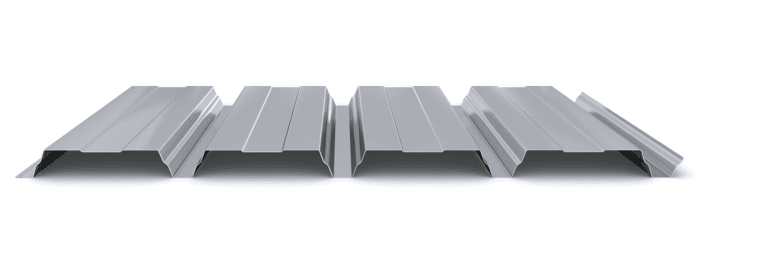
INCO 70.4 Composite: medium-rib profile, suitable for shallow slabs and lightweight solutions.
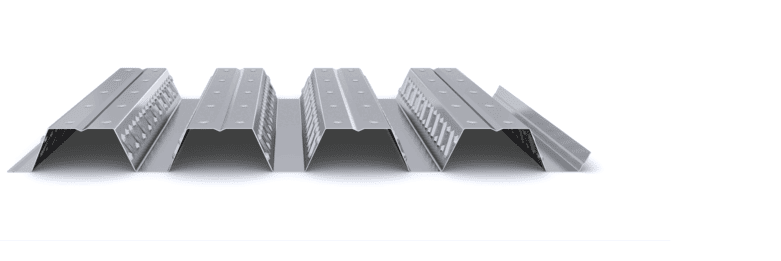
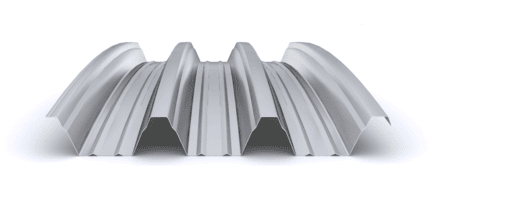
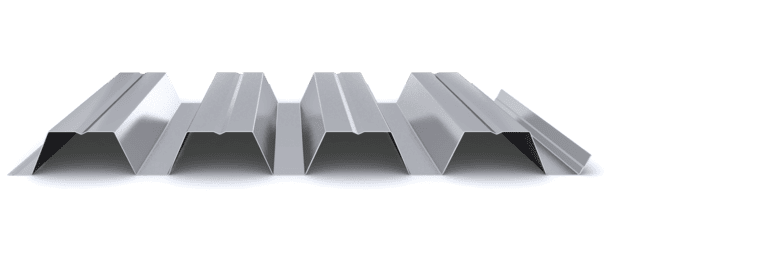
INCO 100.3 Composite: deeper profile, indicated for medium spans in configurations without intermediate propping, subject to structural calculation.
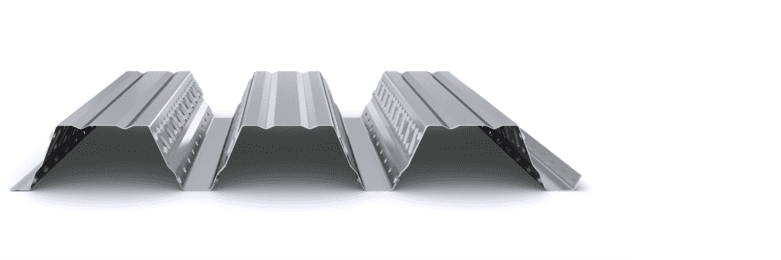
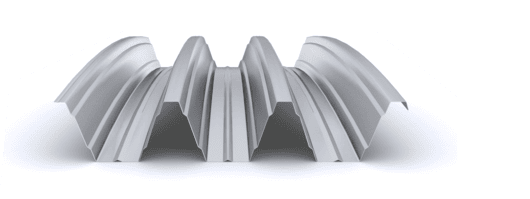
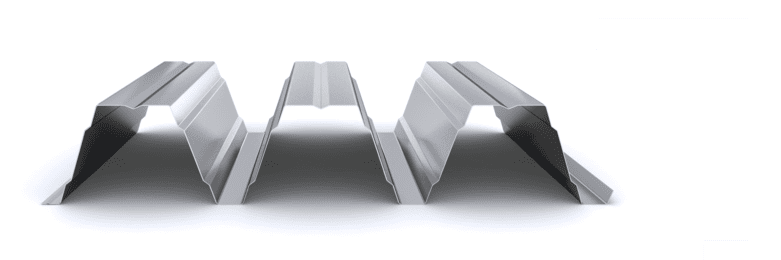
INCO 100.3 R Composite: variant designed for higher fire-resistance requirements, allowing configurations with increased concrete cover.
Profile selection must be carried out through structural verification in accordance with the project’s load actions and code combinations.
Conclusion
Composite flooring is a consolidated composite structural solution that combines load-bearing efficiency, reduced self-weight, and fast execution. Its adaptability to different building typologies and technical requirement levels makes it an ideal system for industrial, commercial, and residential construction.
Incoperfil Technical Manual
For a complete definition of the system, design criteria, calculation bases, resistance tables, construction details, and installation procedures, consult the Incoperfil Composite Slab Technical Manual, available upon registration in the Documentation section of the website.
Last update: February 2026
© Incoperfil. All rights reserved.
The technical content of this article forms part of the Technical Manual of Composite Flooring and the documentation registered by Incoperfil with ColorURIS (Act No. 1-INCOPERFIL-12.2025).