
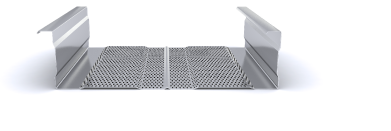
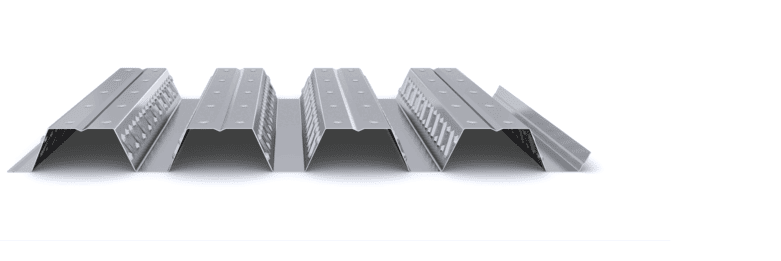
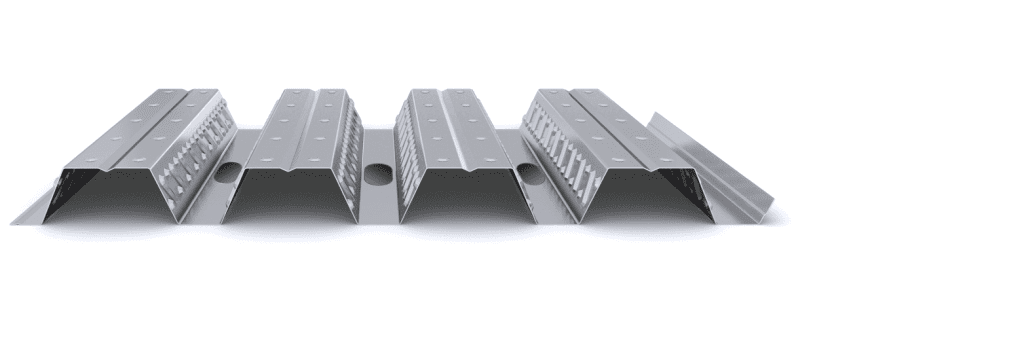
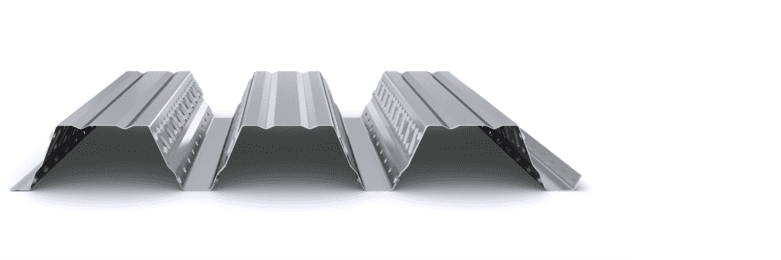
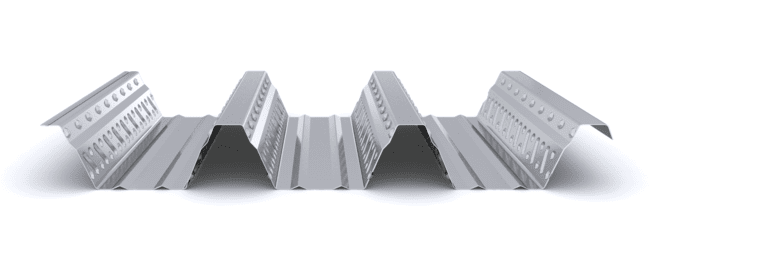
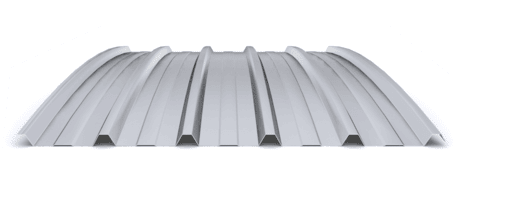
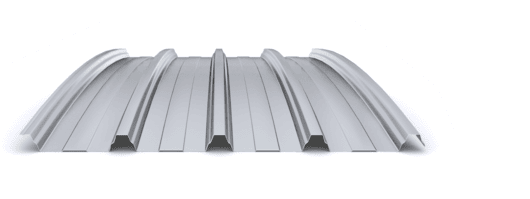
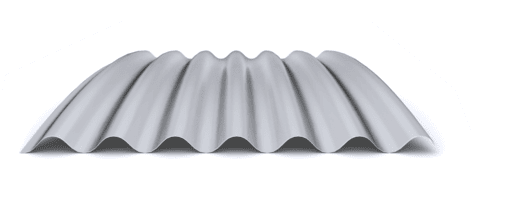
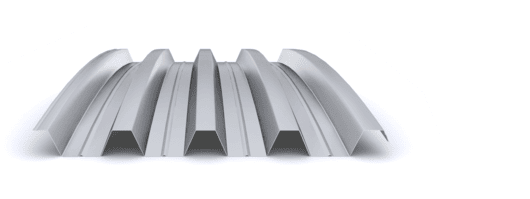
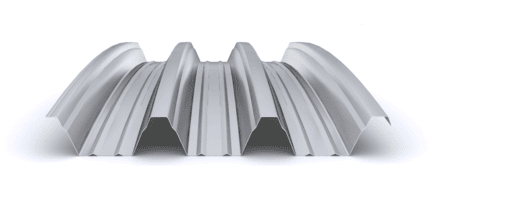
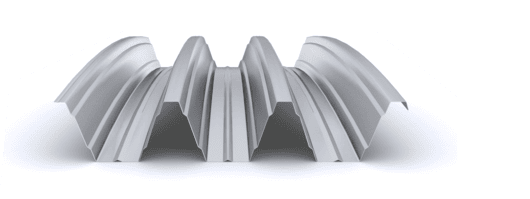
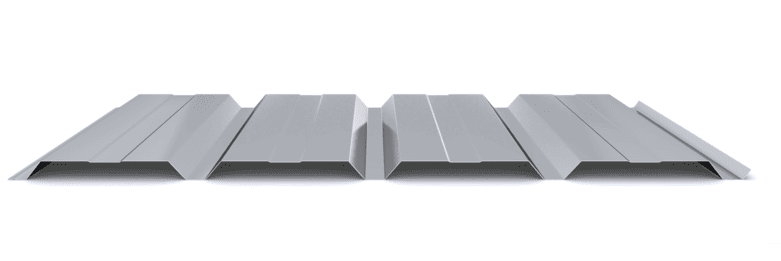
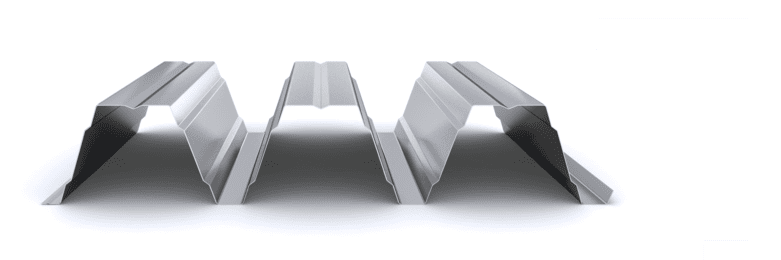
The regulations applicable to composite floor decking establish the technical requirements necessary to ensure the structural safety, fire resistance, and durability of steel–concrete composite slabs. These provisions, applicable at both European and national levels, define the design, execution, and material control criteria for composite structures.
Main Structural Standards
The composite behaviour of composite floor decking is mainly based on:
UNE-EN 1994-1-1 (Eurocode 4)
Regulates the design of composite steel and concrete structures, including the verification of ultimate and serviceability limit states of composite slabs.
UNE-EN 1994-1-2 (Eurocode 4 – Fire Design)
Establishes fire resistance criteria, defining load-bearing capacity (R), integrity (E), and thermal insulation (I).
Additionally, the following standards apply:
UNE-EN 1992-1-1 (Eurocode 2)
Defines the design requirements for reinforced concrete, including resistance, deformation, and durability criteria.
UNE-EN 1993-1-3 (Eurocode 3)
Regulates the design of cold-formed steel elements, such as profiled steel decking sheets.
The combined application of these standards allows verification of the structural behaviour of the system both during the construction stage and in the composite stage.
Structural Code and National Regulatory Framework
In Spain, the Structural Code (Royal Decree 470/2021) establishes the general requirements for the design, execution, and control of steel, concrete, and composite structures. This regulatory framework integrates the application of the Eurocodes with national specifications, consolidating the regulatory environment applicable to composite floor decking in building and civil engineering works.
Manufacturing, Execution, and CE Marking
The manufacturing and control of steel profiles used in composite floor decking are regulated by:
- UNE-EN 1090-2, relating to the execution of steel structures.
- UNE-EN 1090-4, applicable to cold-formed structural elements.
Compliance with these standards ensures that the composite profiles carry CE marking. Their manufacturing is therefore carried out under certified production control systems, with traceability and verification of structural performance.
Fire Reaction of Materials
The UNE-EN 14782 standard classifies non-organically coated metallic products as Class A1 reaction-to-fire materials. This means they do not contribute to combustion or flame spread, which is a relevant aspect in the overall behaviour of the slab under fire conditions.
Conclusion
The design and execution of composite floor decking must comply with the current European and national regulatory framework, integrating the criteria established by the Eurocodes, the Structural Code, and the manufacturing standards applicable to steel profiles. The correct application of these provisions guarantees the structural safety, fire resistance, and durability of the system.
Incoperfil Technical Manual
For the complete system definition, design criteria, calculation bases, load tables, construction details, and installation procedures, please refer to the Incoperfil Composite Floor Decking Technical Manual, available upon registration in the Documentation section of the website.
Last updated: May 2026
© Incoperfil. All rights reserved.
The technical content of this article forms part of the Composite Floor Decking Technical Manual and of the documentation registered by Incoperfil with ColorIURIS (Record No. 1-INCOPERFIL-12.2025).