
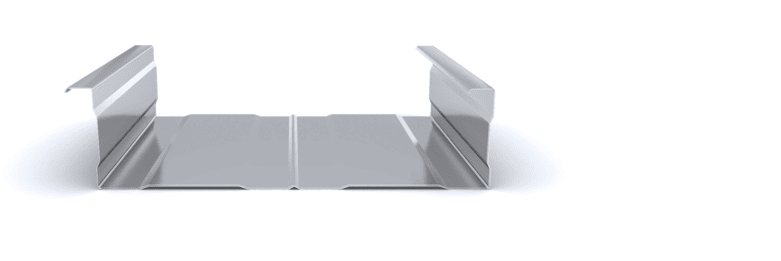
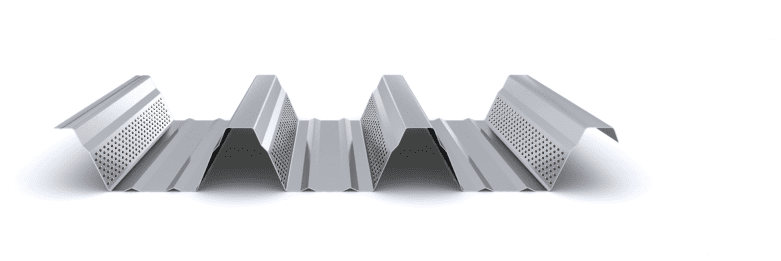
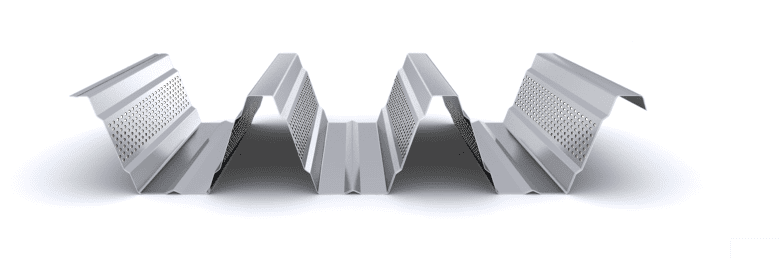
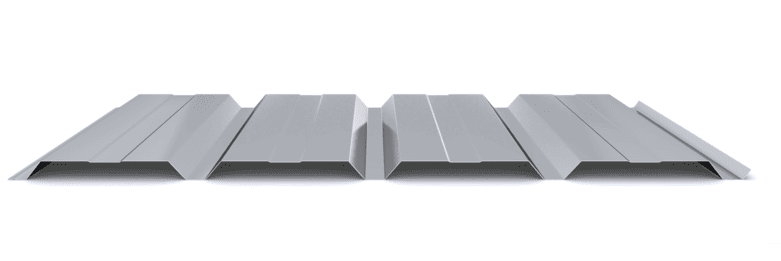
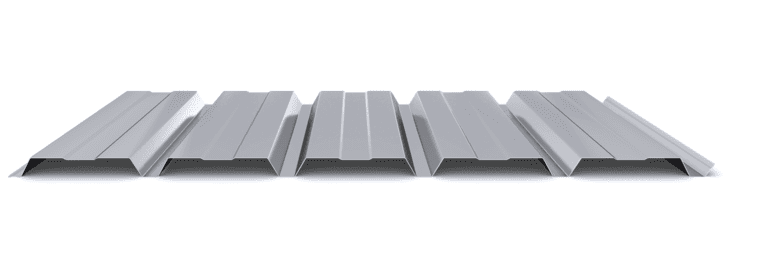
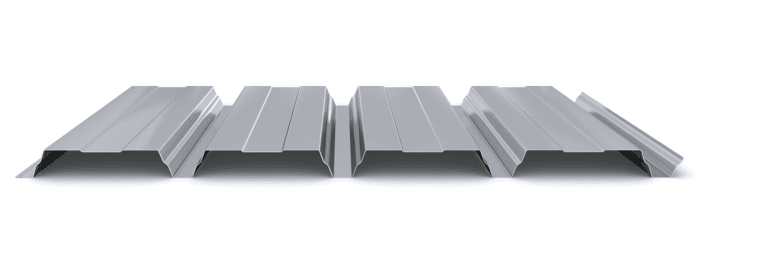
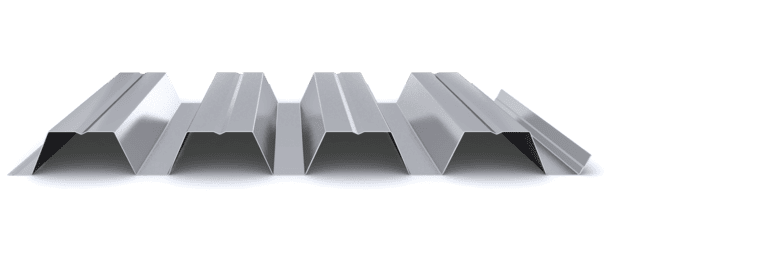
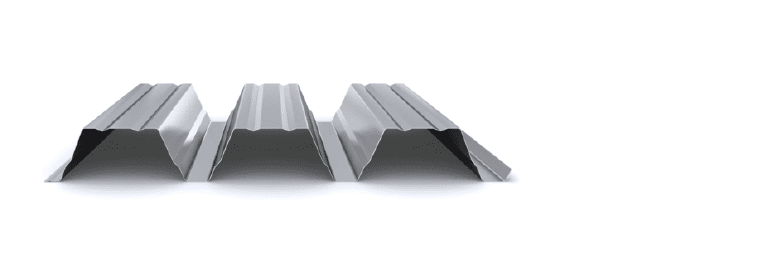
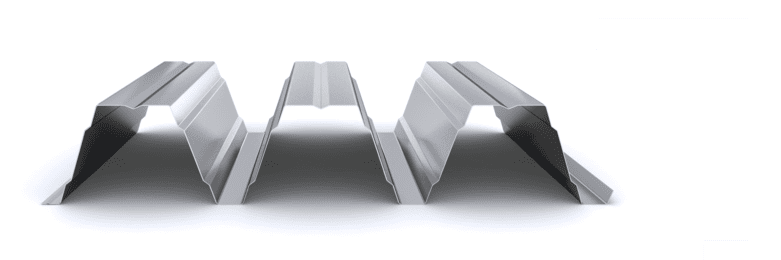
A composite slab is a steel-concrete structural system capable of achieving high levels of fire resistance without the need for additional sprayed fire protection, provided that the design accounts for the slab depth and the required specific reinforcement.
Under normal service conditions, the steel deck acts as permanent formwork and structural reinforcement. In fire conditions, its structural contribution decreases as the steel temperature rises; therefore, fire resistance must be ensured by the overall behavior of the structural system.
Structural behavior and fire design criteria
Fire resistance is determined in accordance with UNE-EN 1994-1-2 (Eurocode 4), based on three criteria:
- R – Load-bearing capacity: time during which the slab maintains structural stability.
- E – Integrity: ability to prevent the passage of flames and hot gases.
- I – Thermal insulation: limitation of temperature increase on the unexposed face.
These criteria define the REI classification (REI 30 to REI 240).
In composite slabs, compliance is typically achieved through slab depth and bottom reinforcement, without additional protection systems in standard configurations.
Components and fire performance
- Bottom reinforcement resists tensile forces and ensures load-bearing capacity (R).
- The steel deck contributes to integrity (E) through its bond with concrete.
- Concrete provides thermal protection; slab depth is key for insulation (I).
Minimum slab depth and REI classification
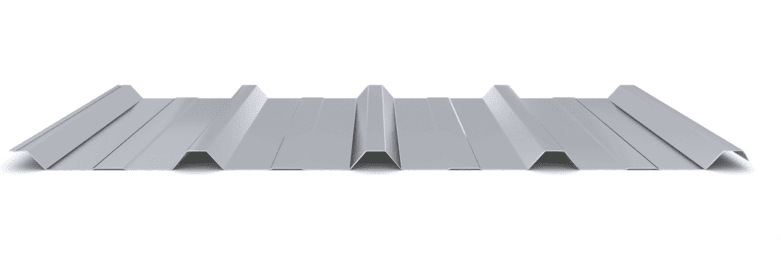
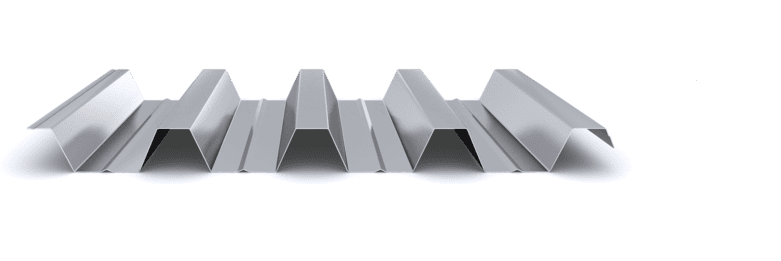
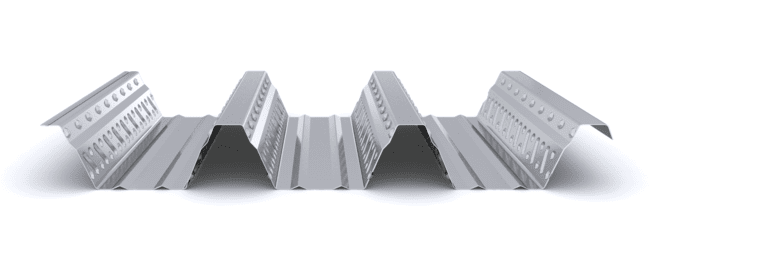
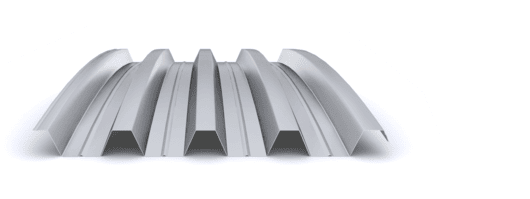
- INCO 70.4 Composite: 120–220 mm for REI 30 to REI 240
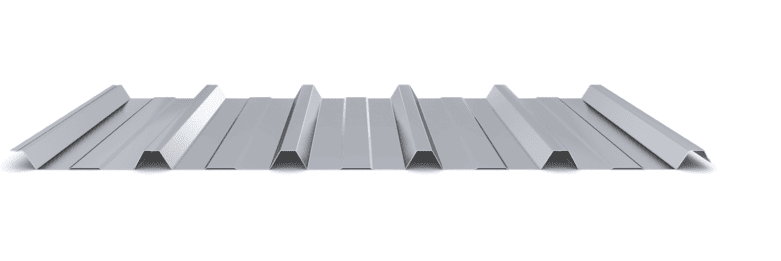
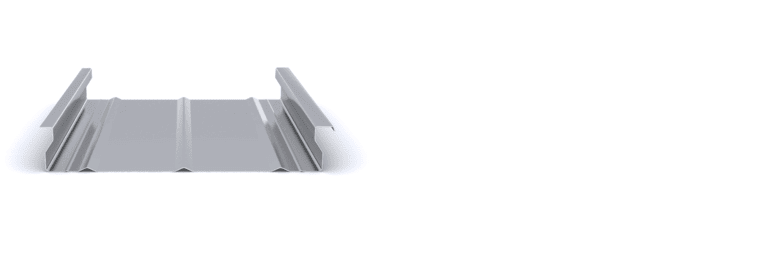
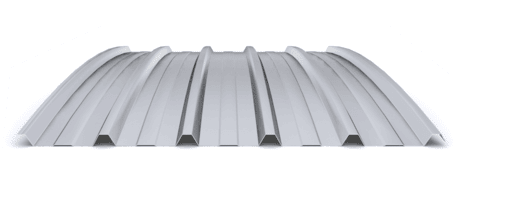
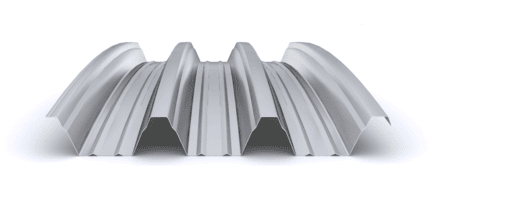
- INCO 100.3 Composite: greater depths depending on span and loads
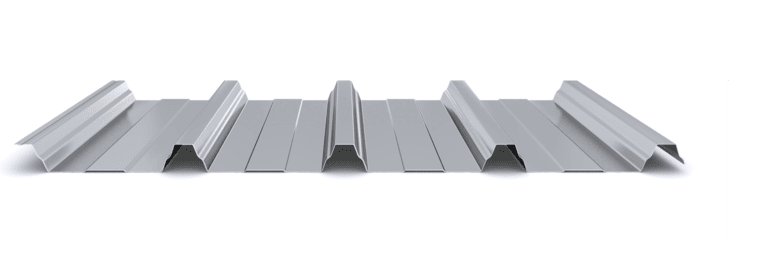
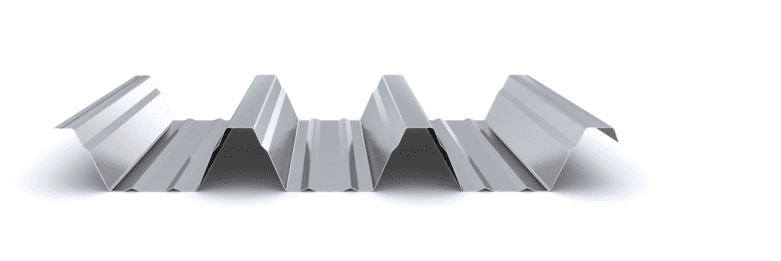
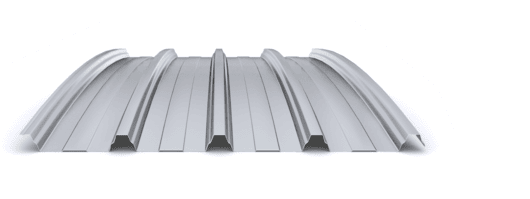
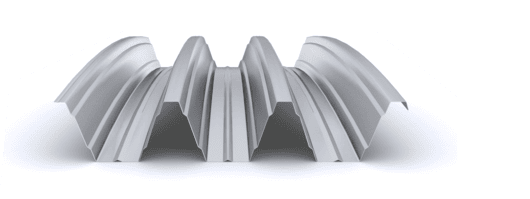
- INCO 100.3 R Composite: optimized for high fire resistance
Final values must be verified by structural calculation.
In some cases, an additional layer (screed or flooring) with equivalent thermal properties may be considered.
Bottom reinforcement
The reinforcement is placed continuously within the ribs, with cover defined by profile type and required classification. When combined with other reinforcement, the larger diameter may be adopted if requirements are met.
Additional protection measures
Supplementary systems (sprayed coatings or suspended ceilings) may be used where required by design or regulations.
Materials and fire reaction
Structural steel and concrete are classified as A1 / A1FL, meaning they are non-combustible.
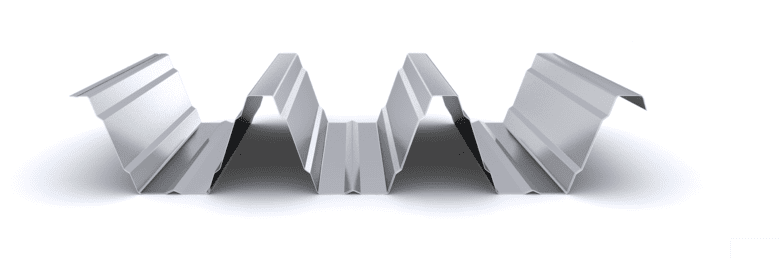
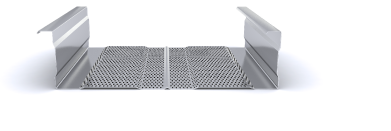
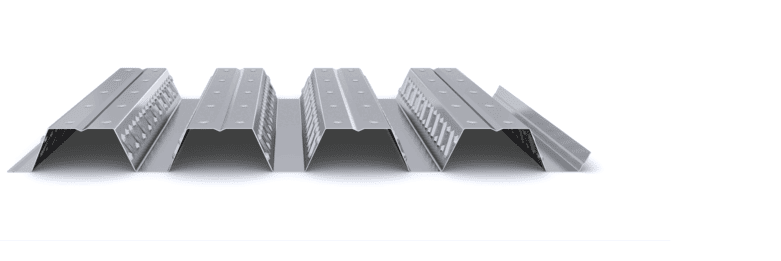
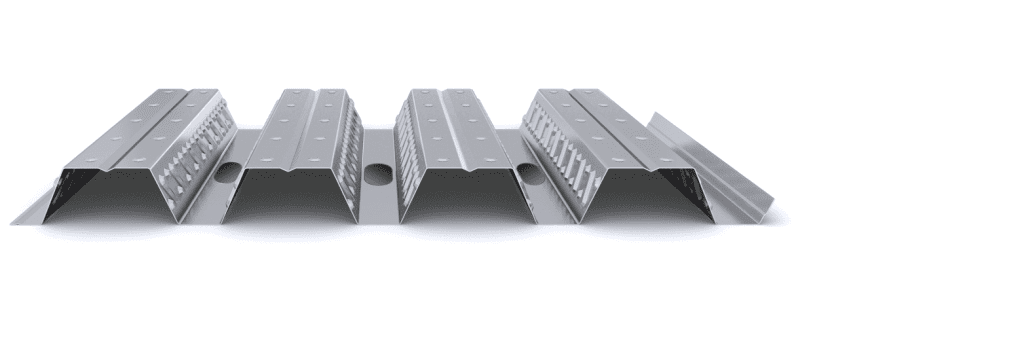
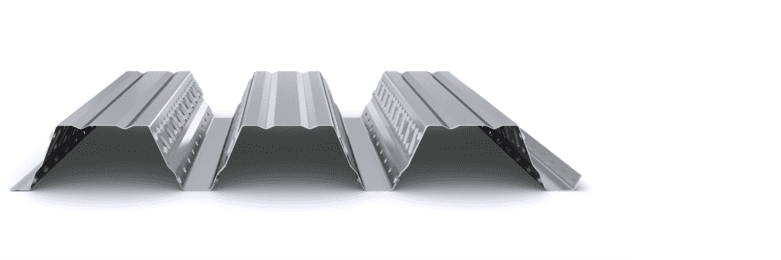
Incoperfil composite profiles
- INCO 70.4 Composite: versatile medium-depth profile
- INCO 100.3 Composite: suitable for medium spans
- INCO 100.3 R Composite: designed for high fire resistance requirements
All profiles comply with current standards and are CE marked.
Conclusion
Fire resistance is an integral part of structural design and must be verified according to Eurocode 4. Slab depth and bottom reinforcement are the key parameters to achieve the required REI classification.
Technical manual
Refer to the Incoperfil Technical Manual for full details.
Last update: February 2026
© Incoperfil. All rights reserved.
The technical content of this article is part of the Composite Slab Technical Manual and the documentation registered by Incoperfil with ColorIURIS (Record No. 1-INCOPERFIL-12.2025).