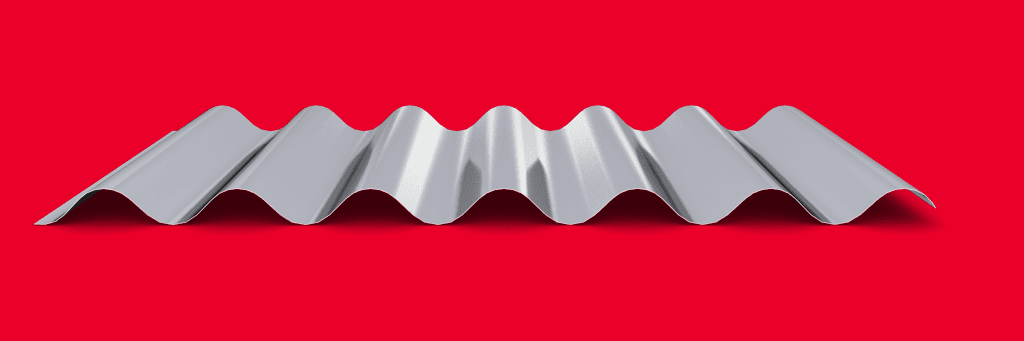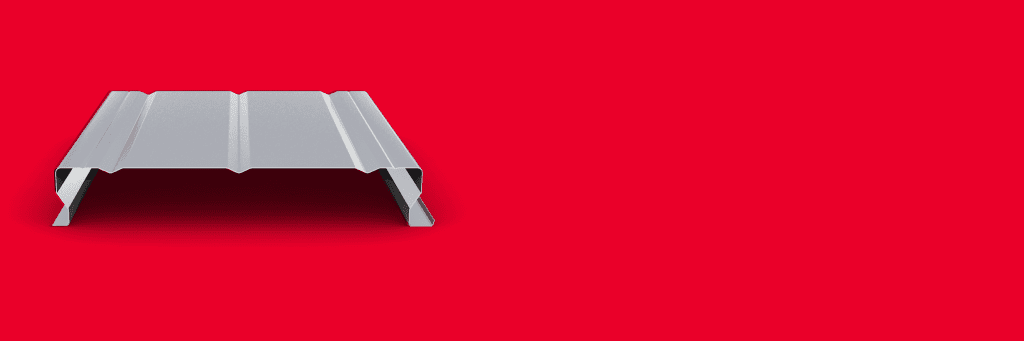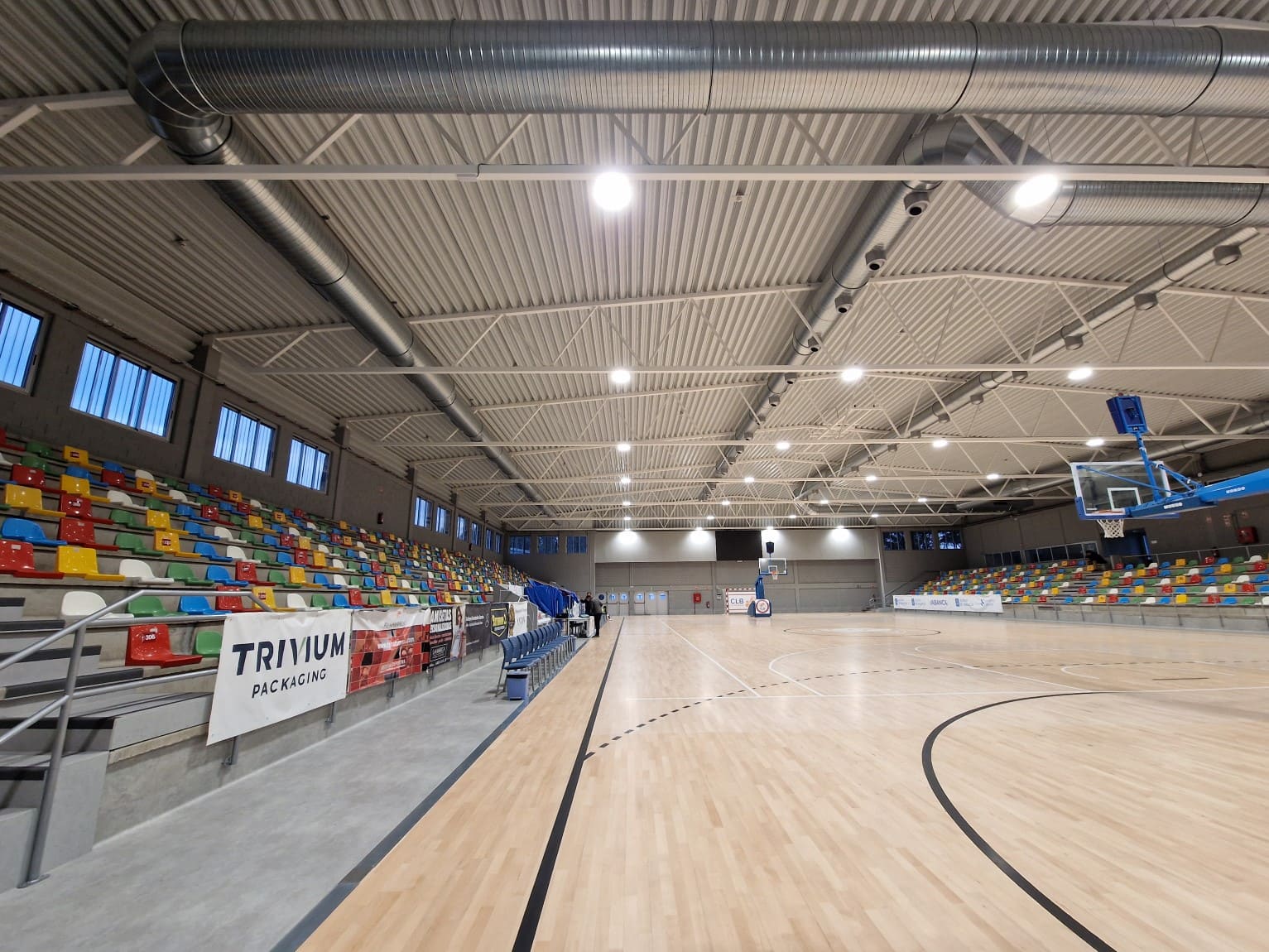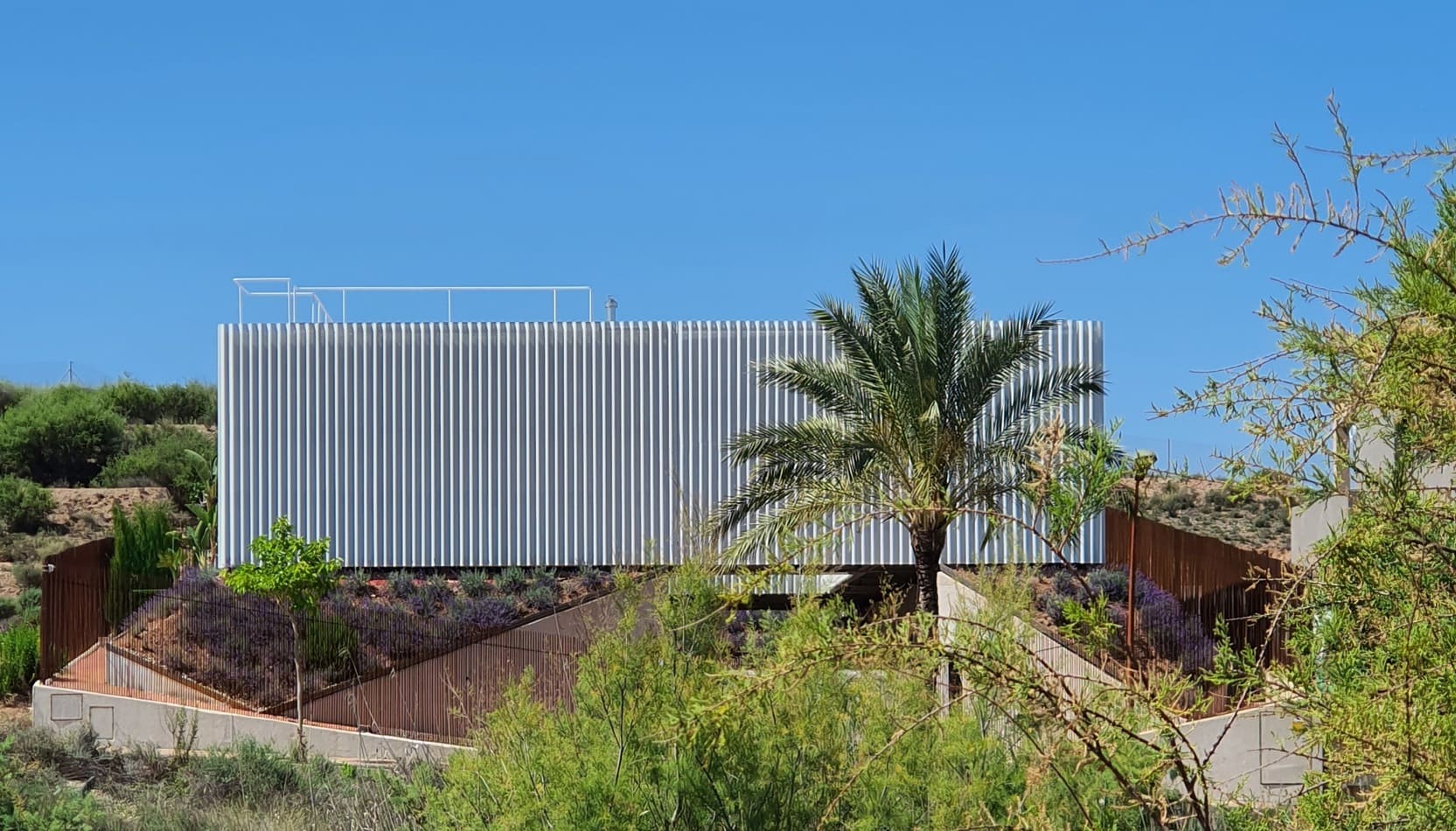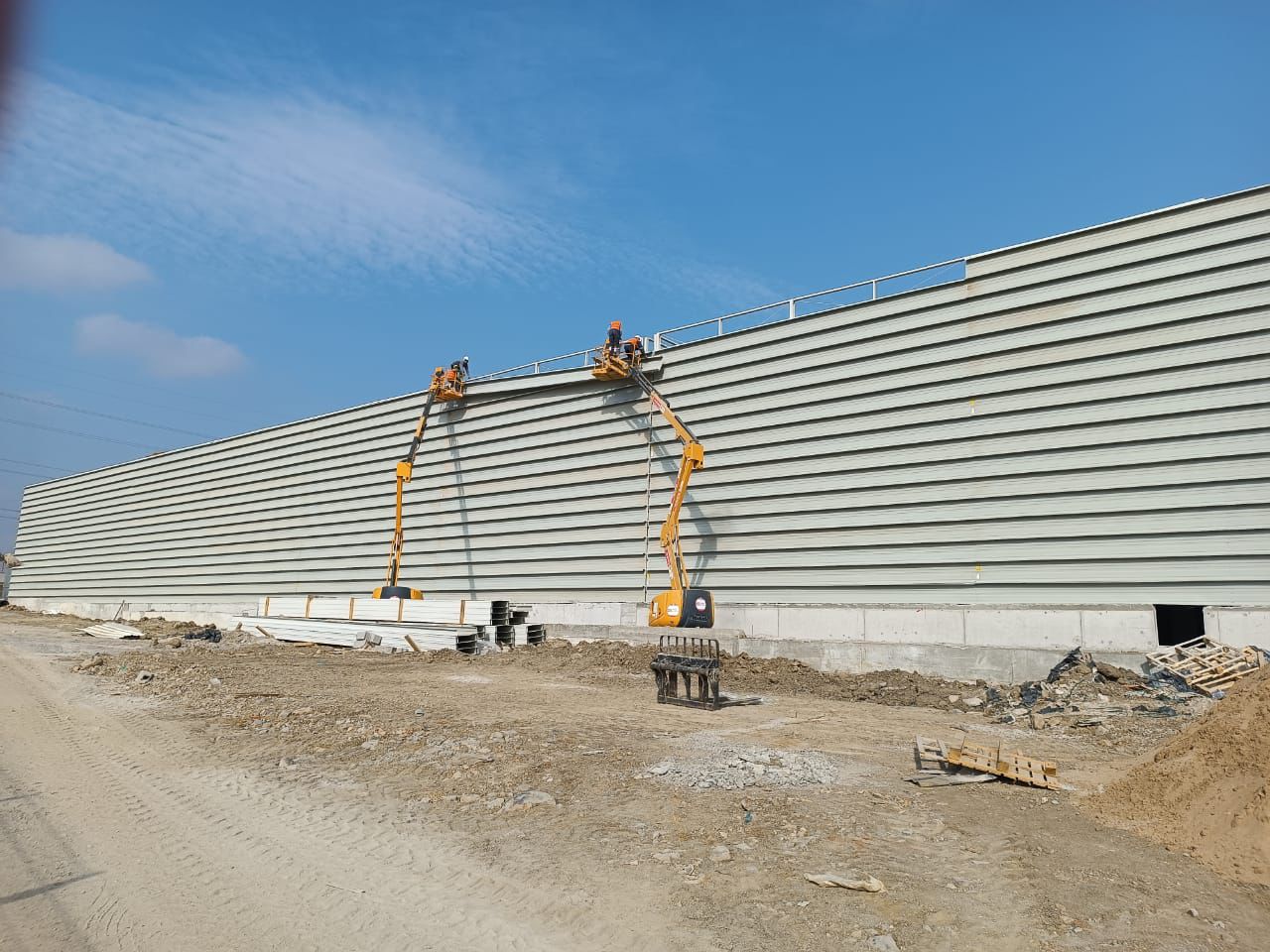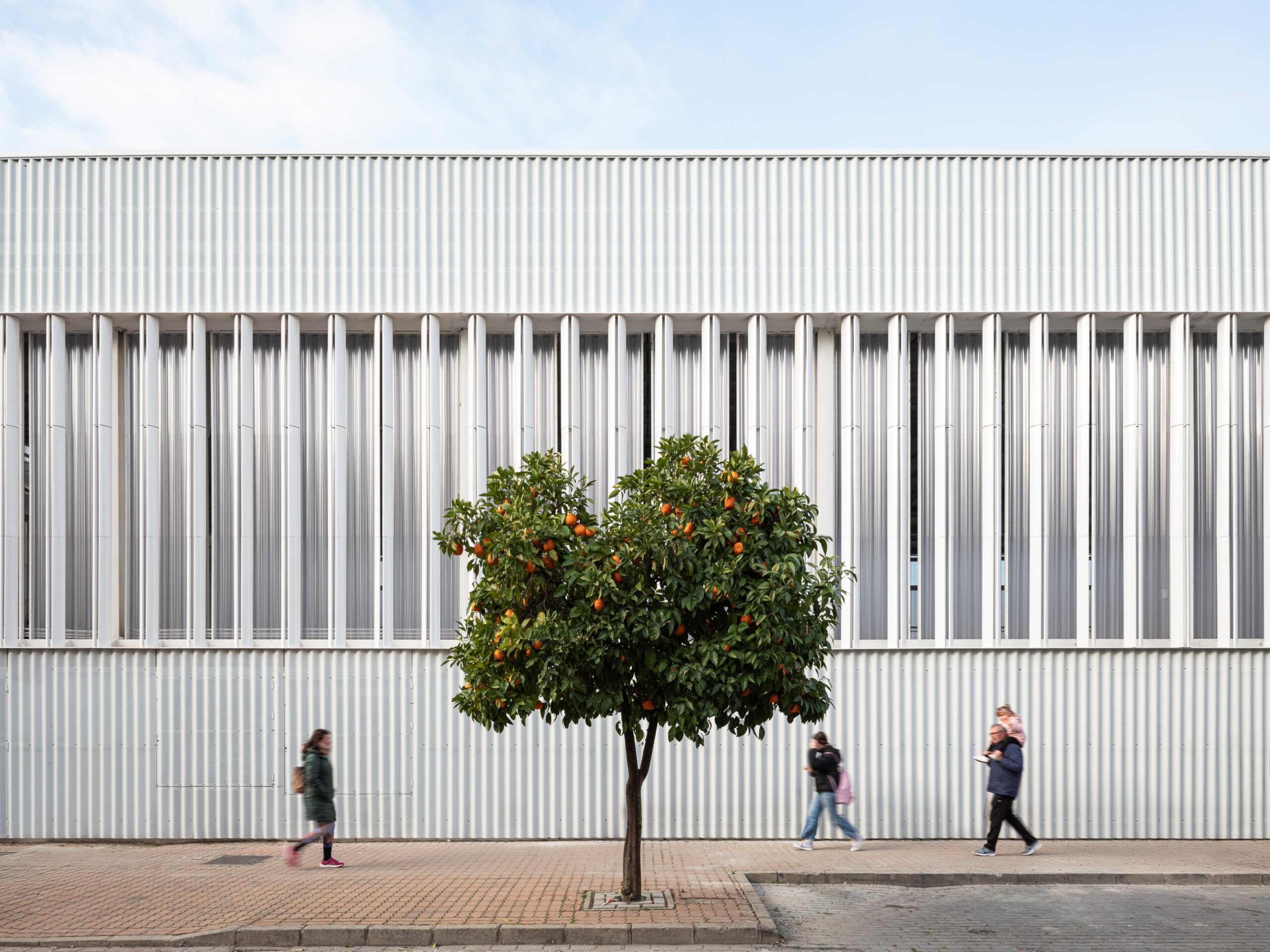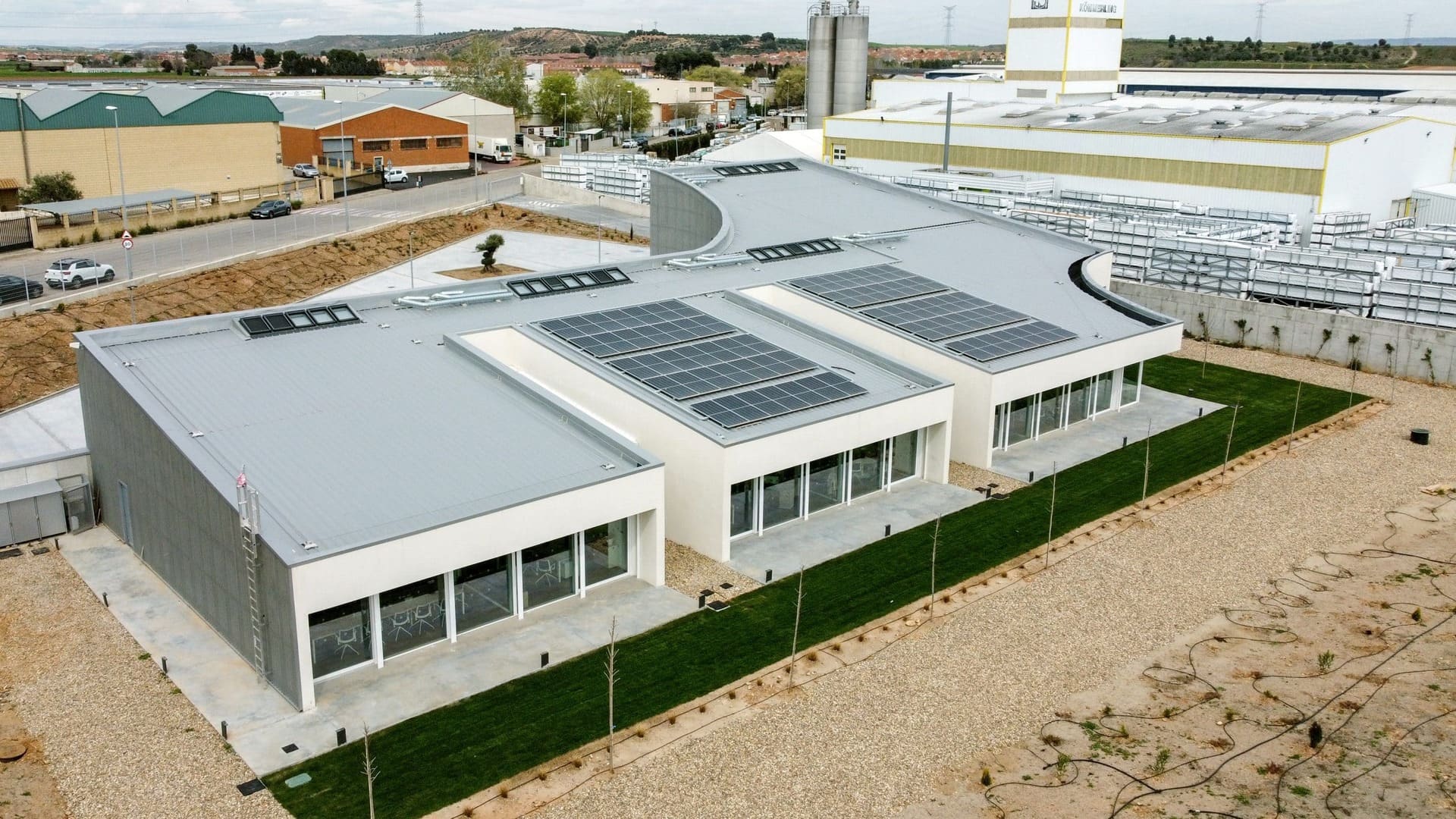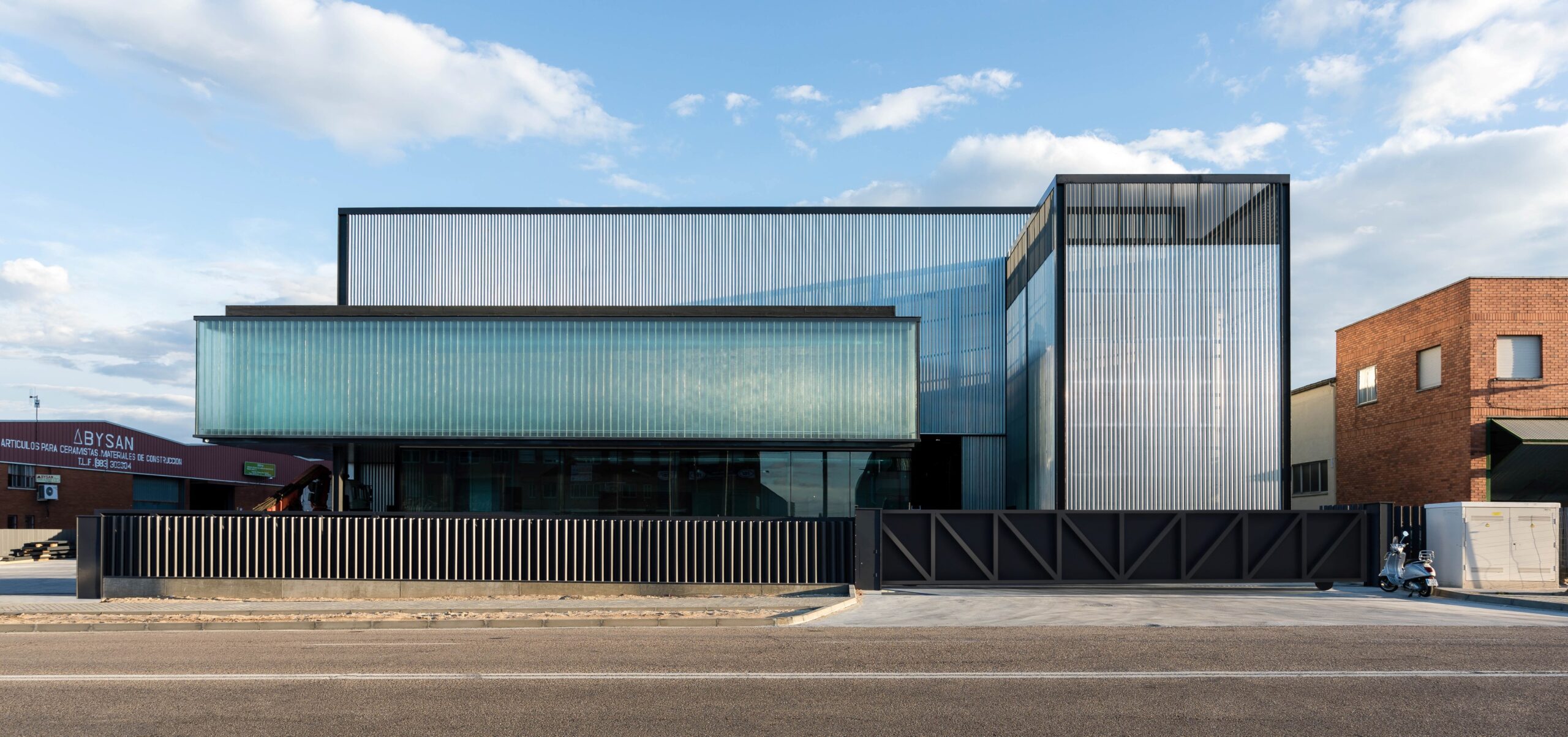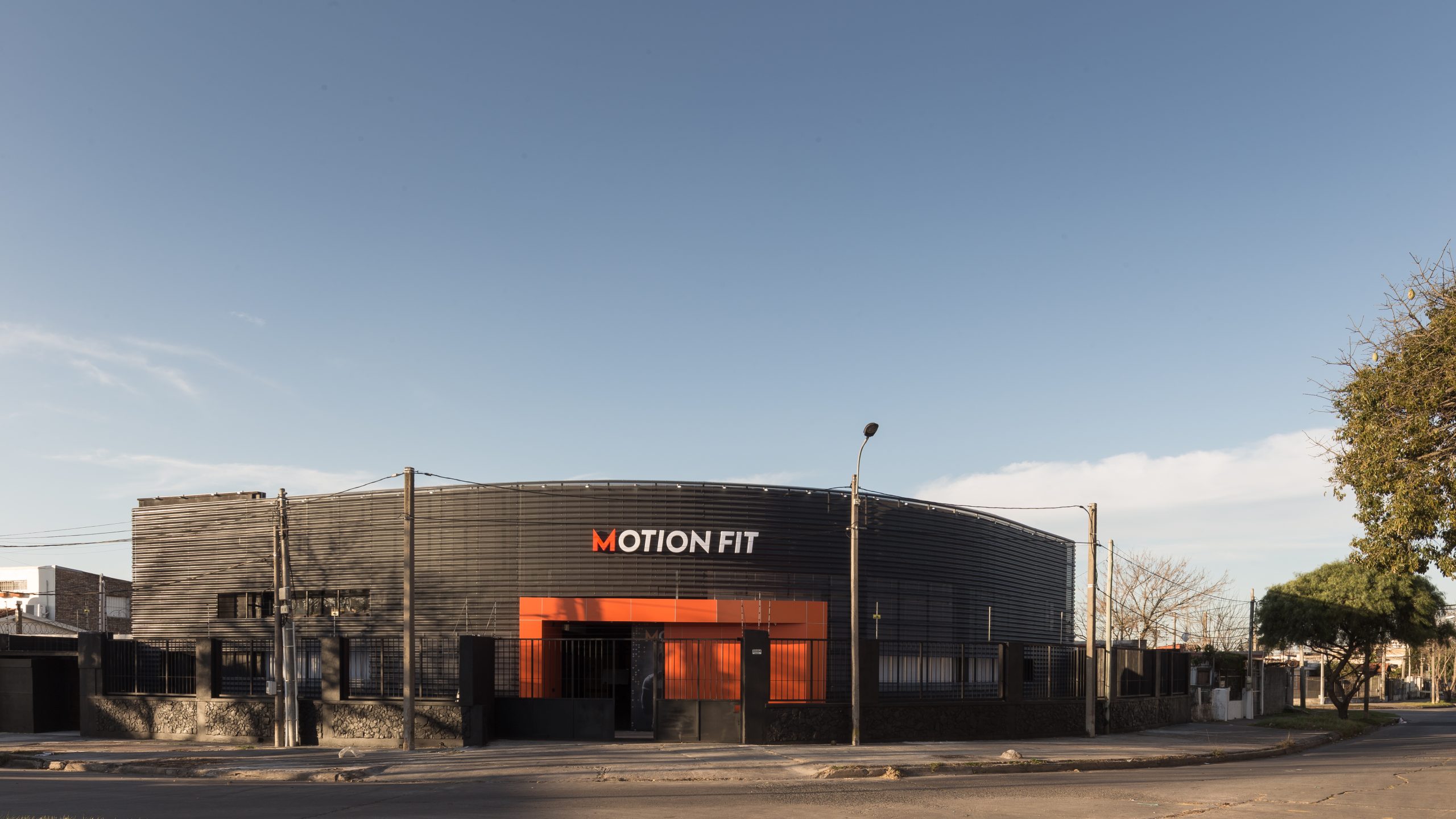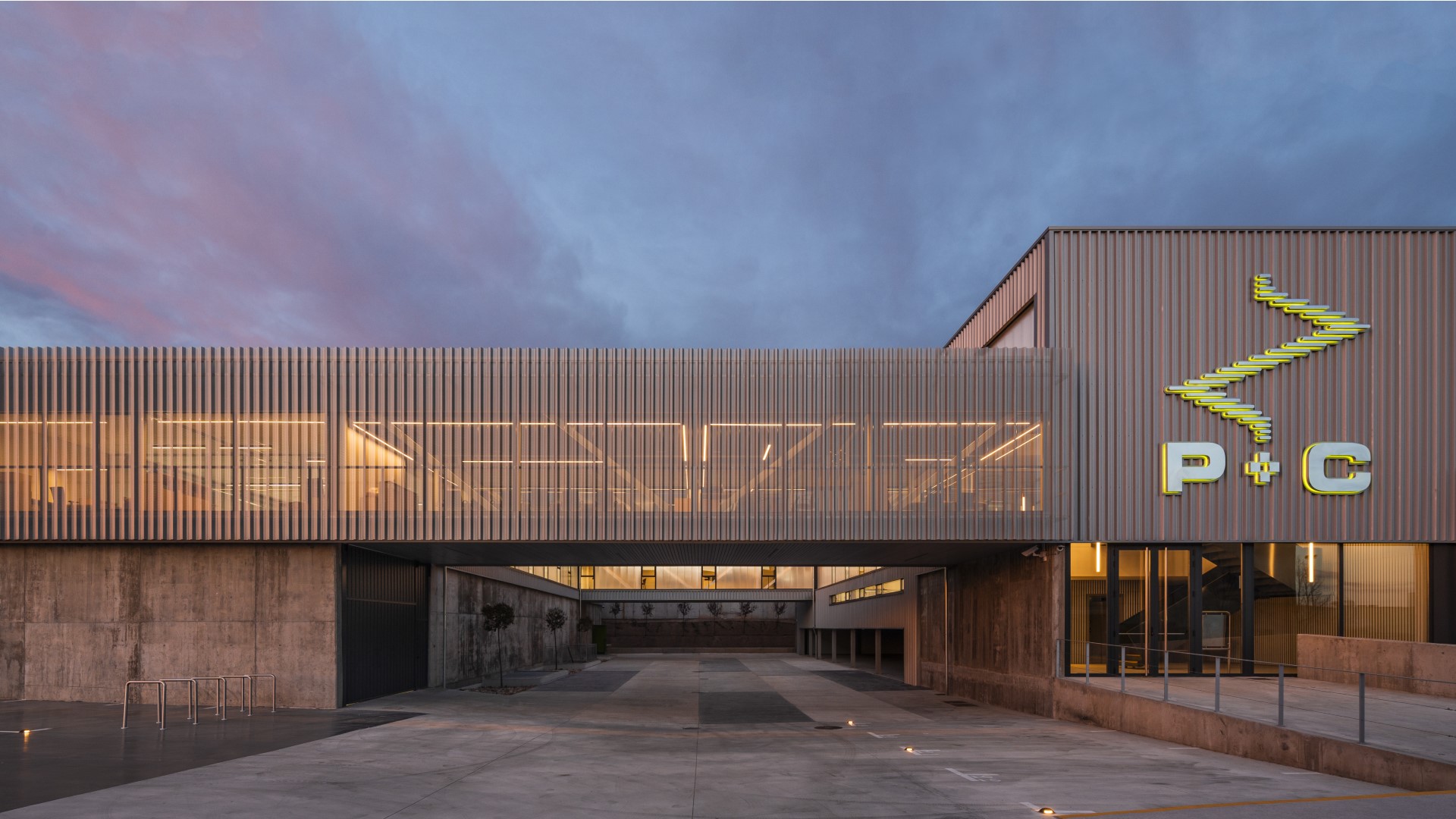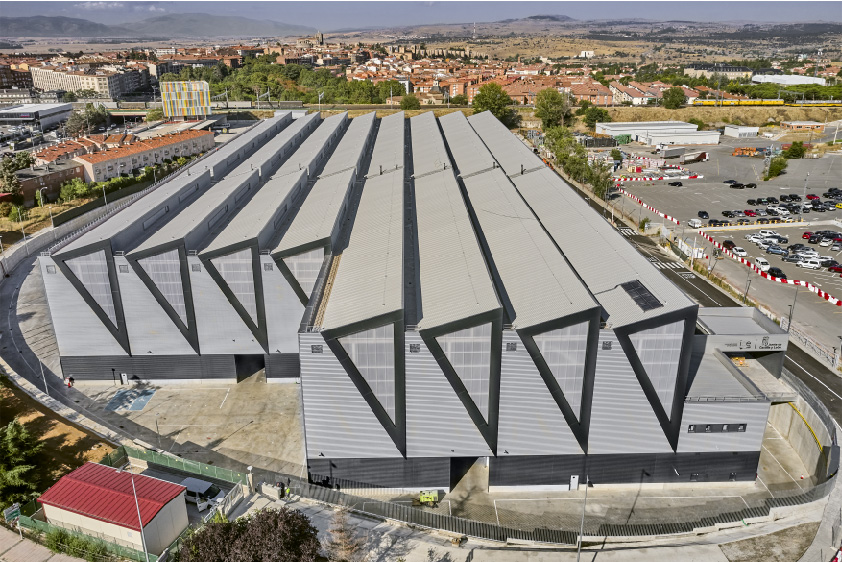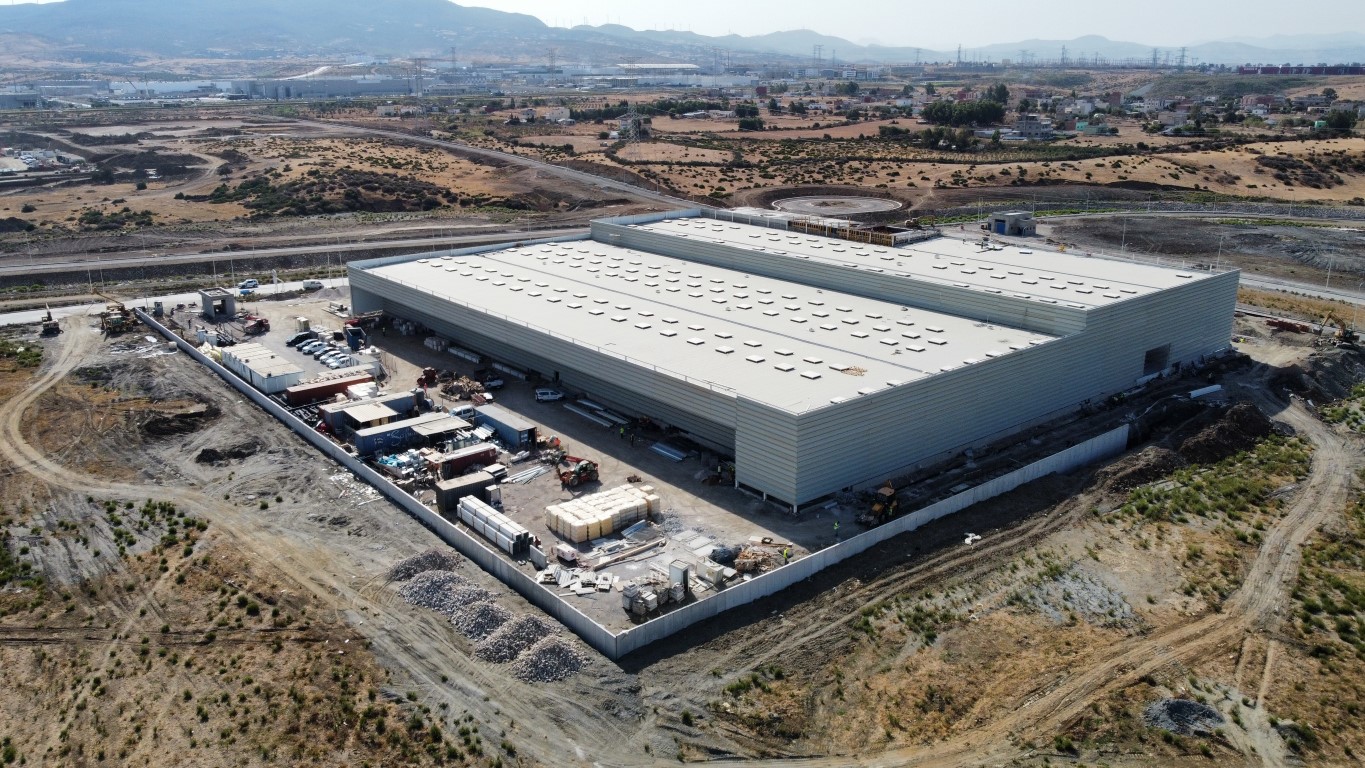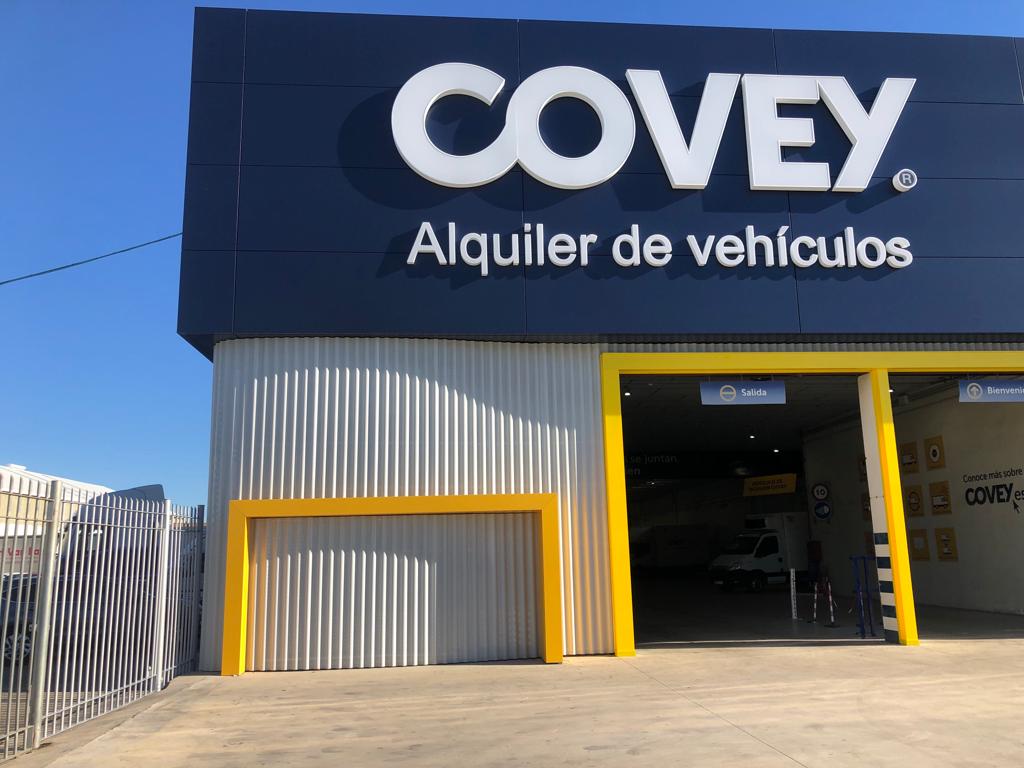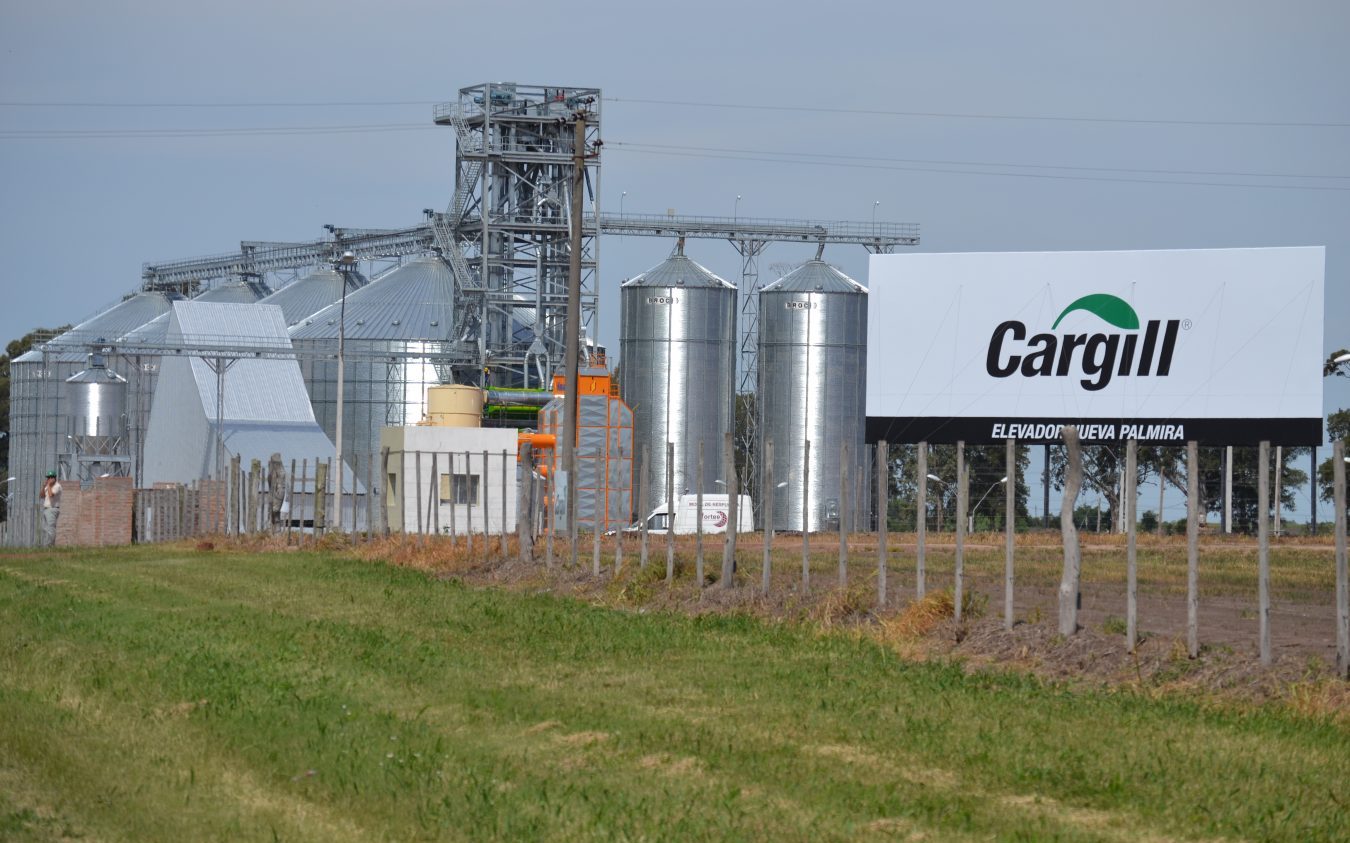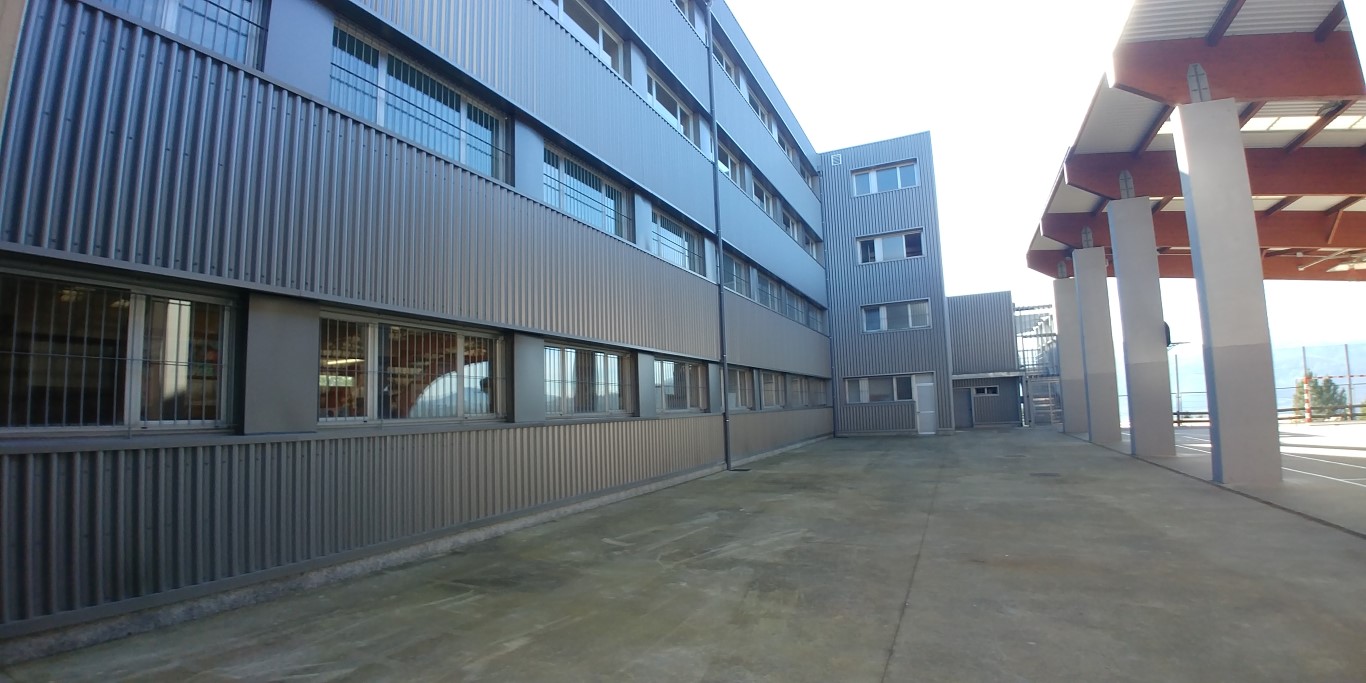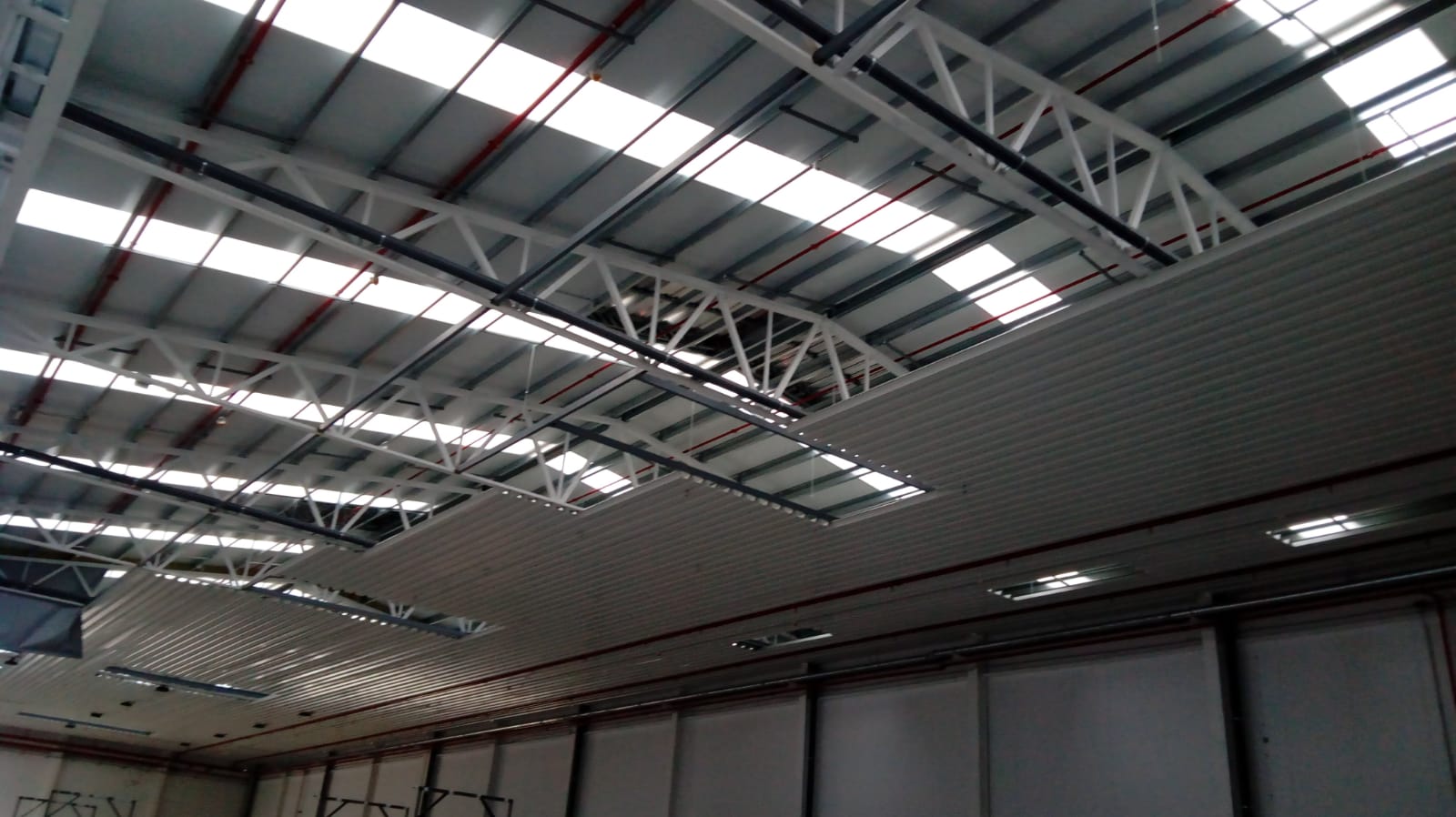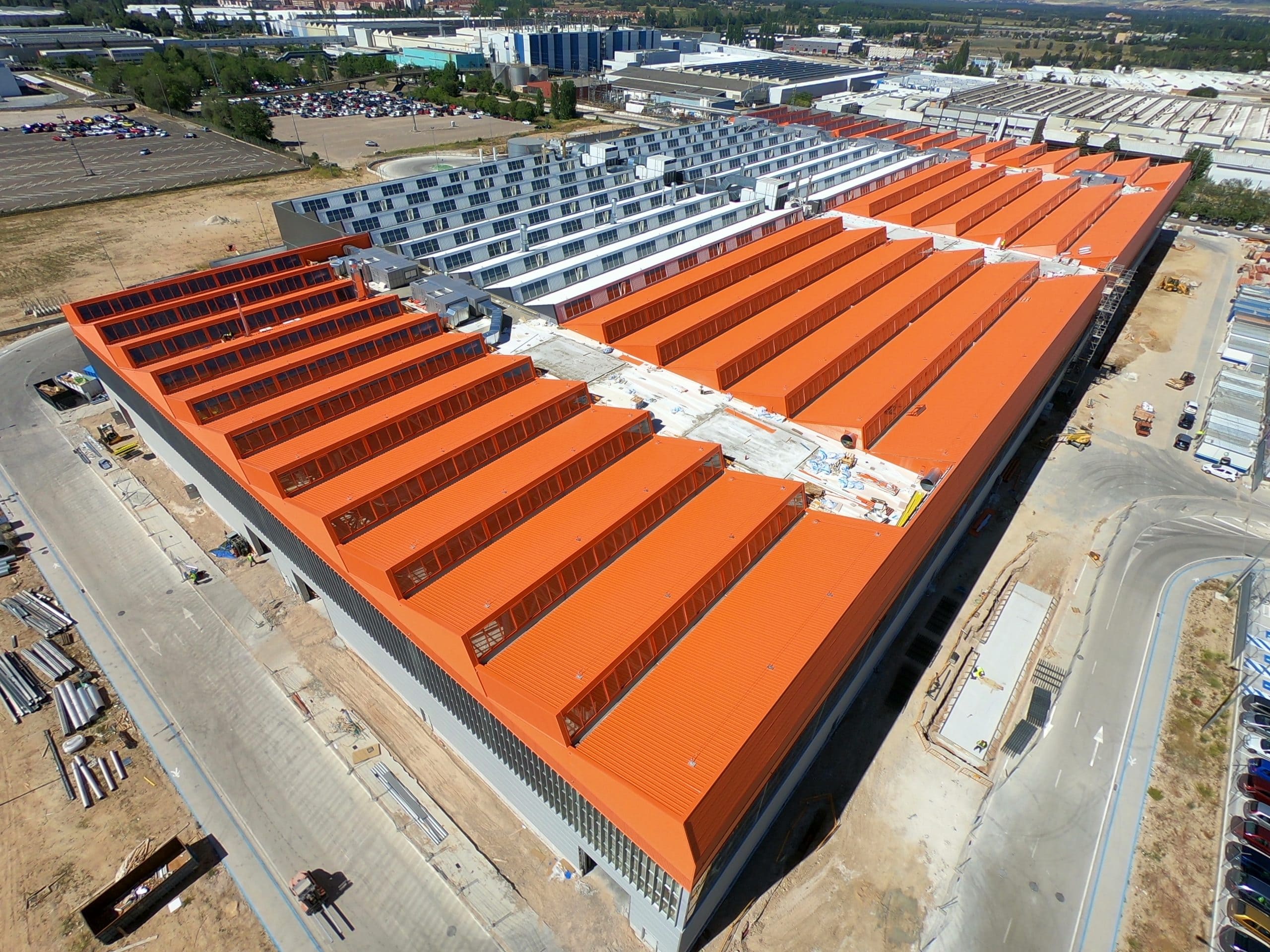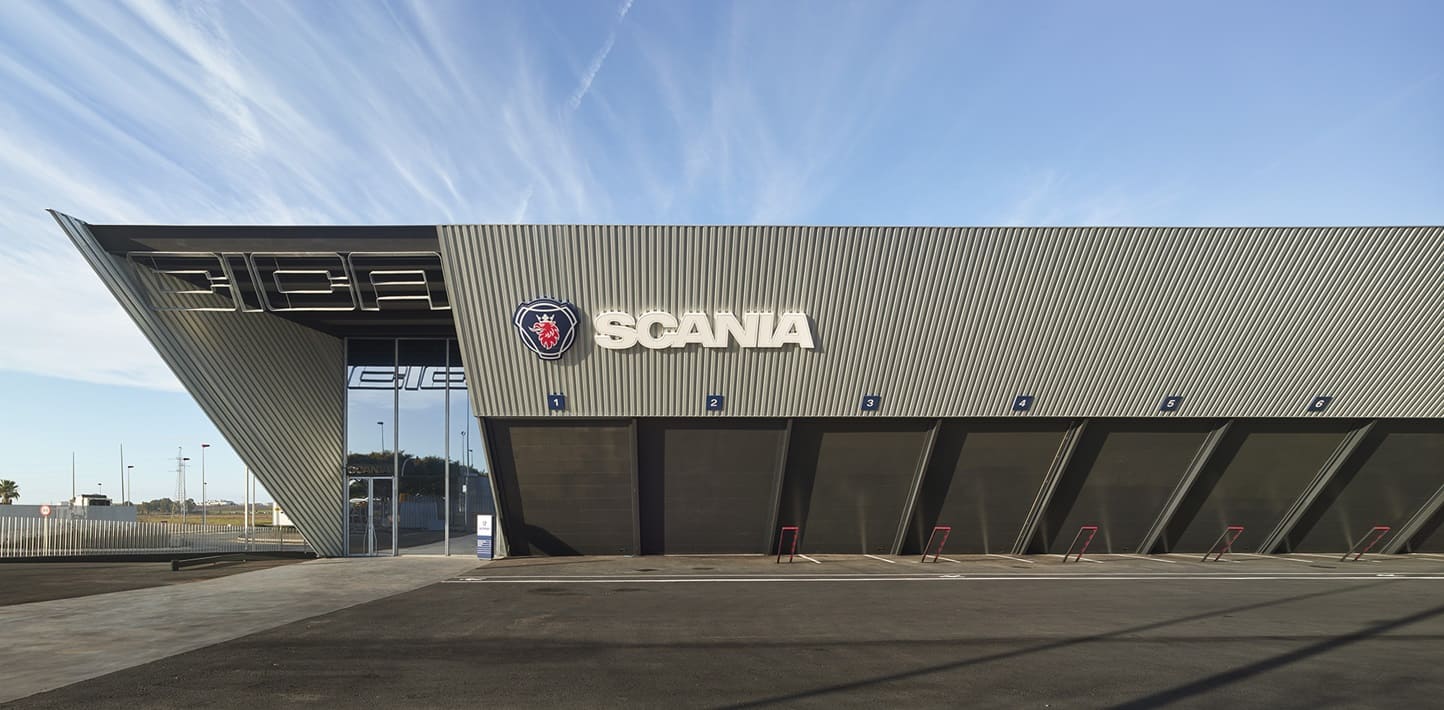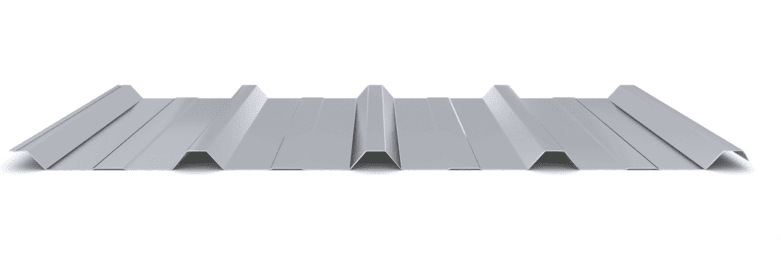
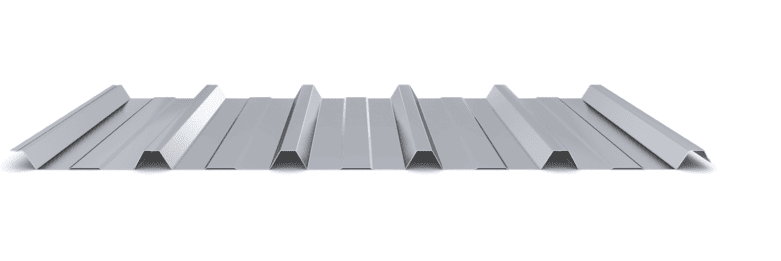
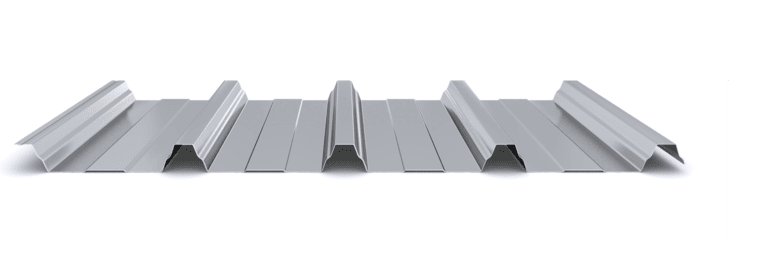
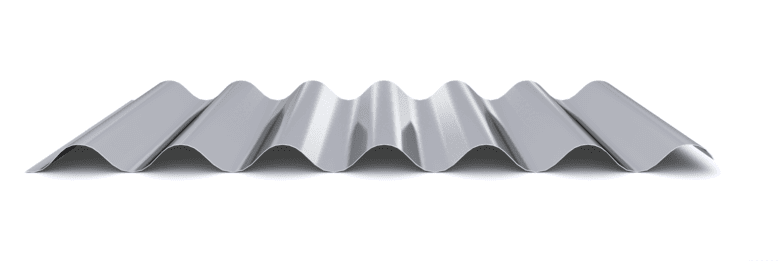

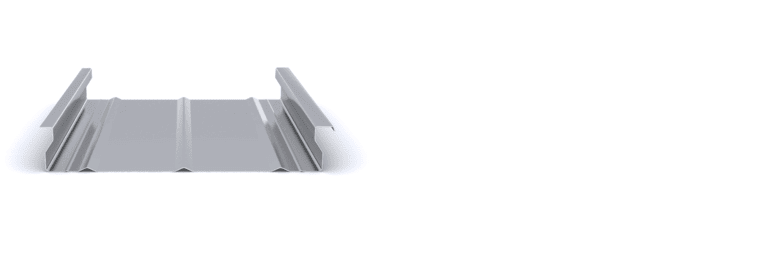
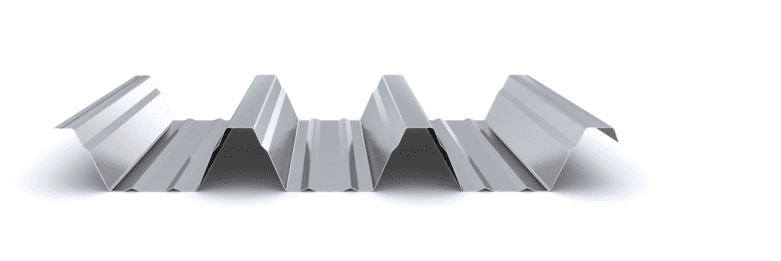

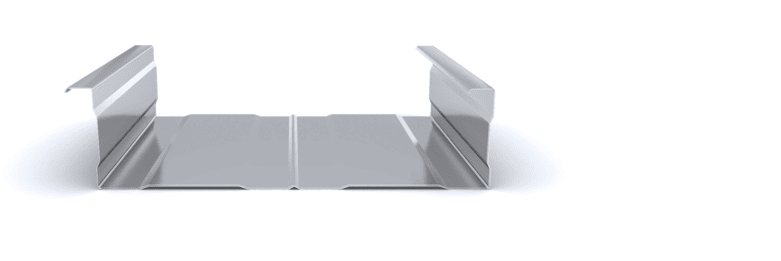
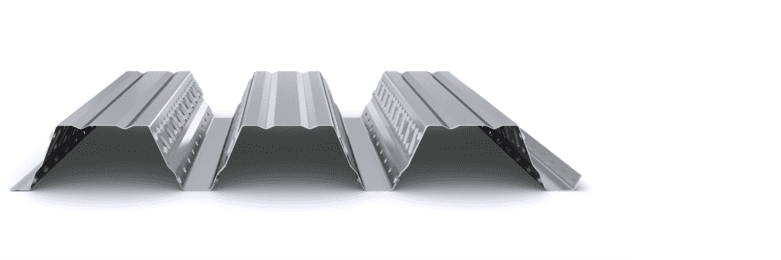
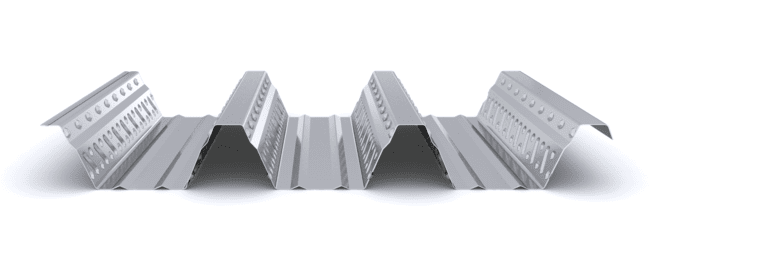
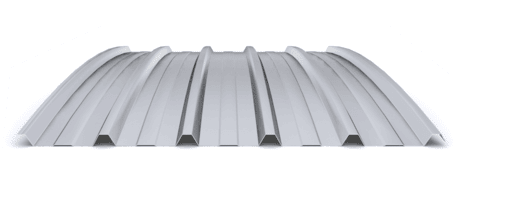
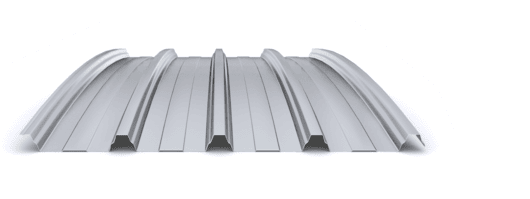
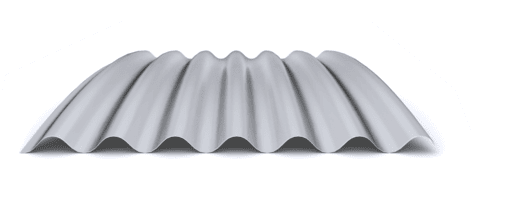
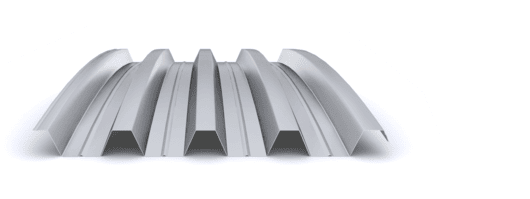
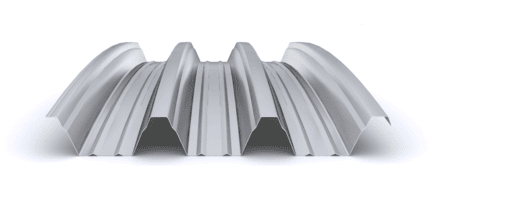
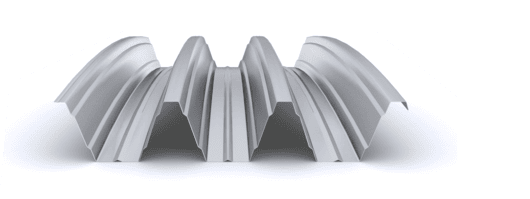
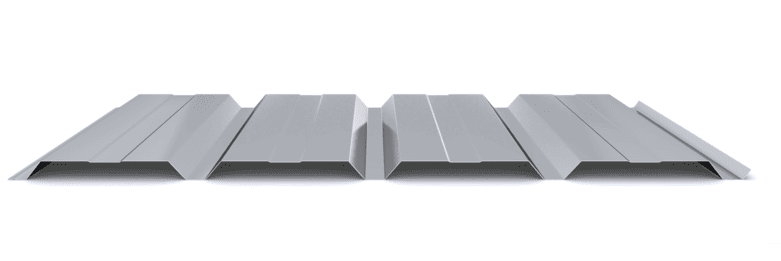
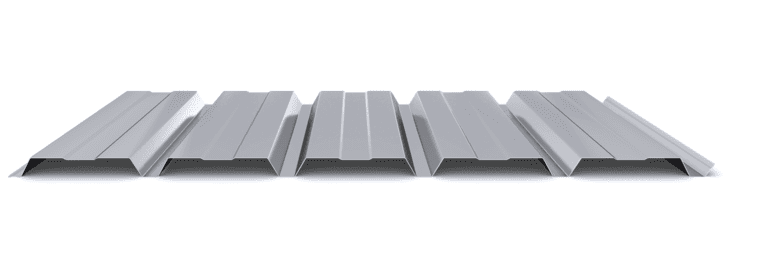
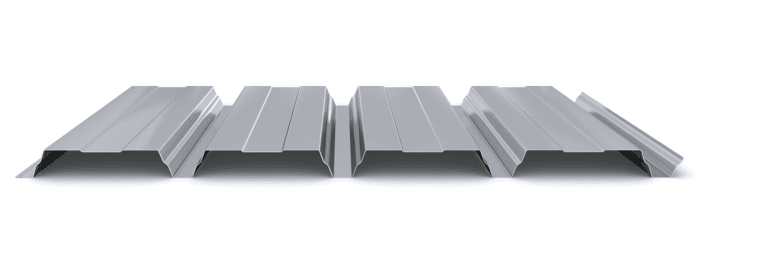
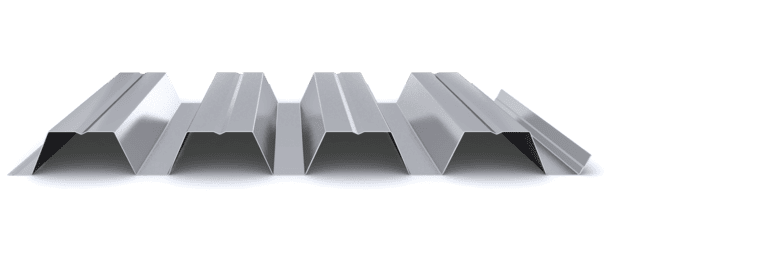

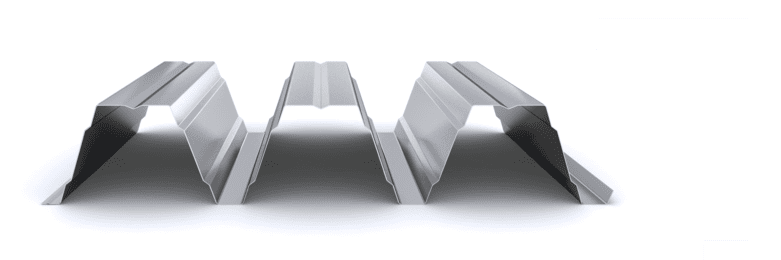

The self-supporting multi-layer industrial façade is made up of a ribbed exterior cladding profile, which acts as a sealing element, and an interior support tray profile that performs the resistant function. Both profiles are fixed to each other through the ribs of the tray profile, which maintain the space necessary to house the insulation. Its main function is to provide a watertight closure in constructions that require thermal conditioning of the interior.
The corrugated profile of the exterior cladding will meet the mechanical requirements specified in the project and will also guarantee the watertightness of the façade. The interior support tray profile will mainly comply with the mechanical requirements specified in the project. This interior support profile will be installed on the main structural structure, which is generally composed of metal, concrete or wooden frames. The main advantage of this system is the elimination of the secondary structure or purlins, since the support profile can reach spans of up to 6 meters between supports with the INCO 157.1 Tray profile, and up to 10 meters with the INCO 155.3 Facade profile. By dispensing with the secondary structure, the installation performance of the facade is considerably improved.
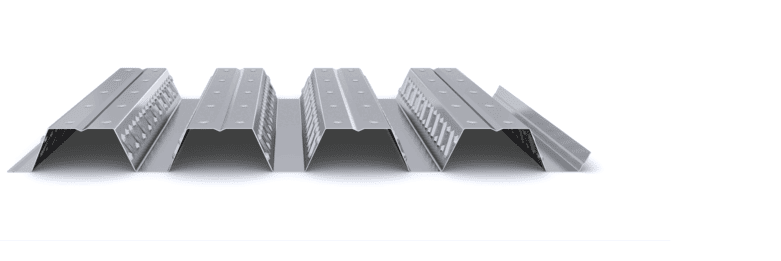
En aquellos recintos donde se requiera mejorar el confort acústico, se pueden emplear soluciones con el perfil bandeja de soporte interior microperforado, para incrementar la absorción acústica de la fachada. These perforations are made in the central part of the trays or in the profile webs in deep profiles. Typically, a R5T8 type perforation is used for the perforations in the central part of the trays and for the perforations in the webs of the deep profiles.