Request a
calculation form

Home / Solutions / Rehabilitation of curved roofing

Rehabilitation of curved roofing

croquis de rehabilitación cubierta curvada- esquema

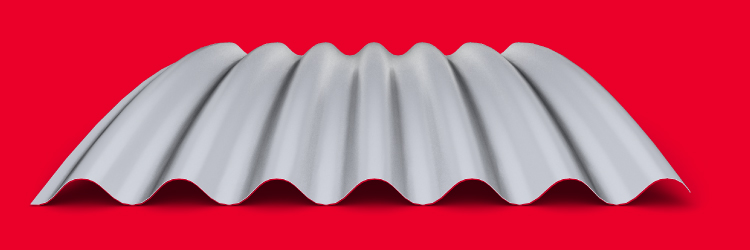
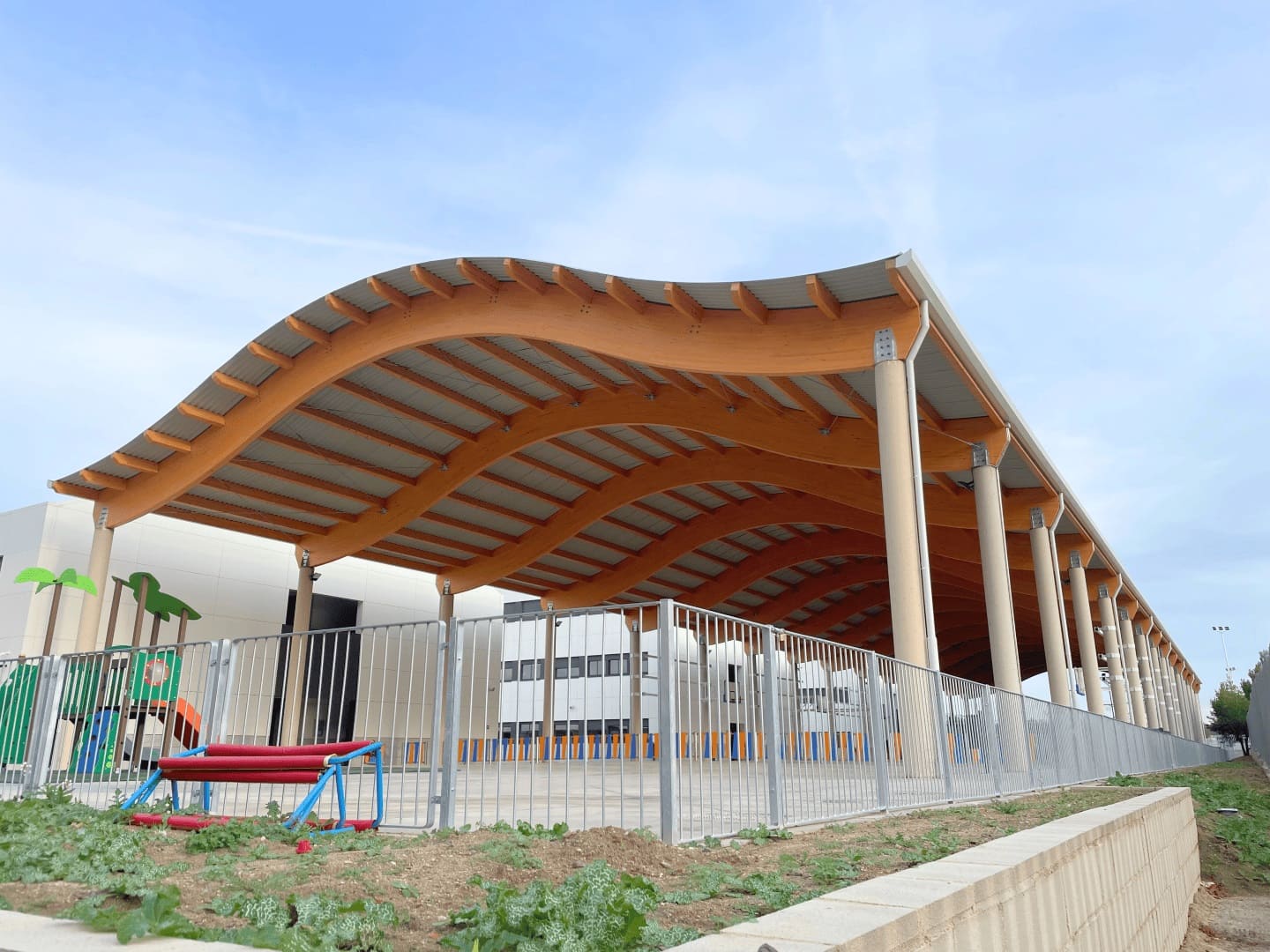
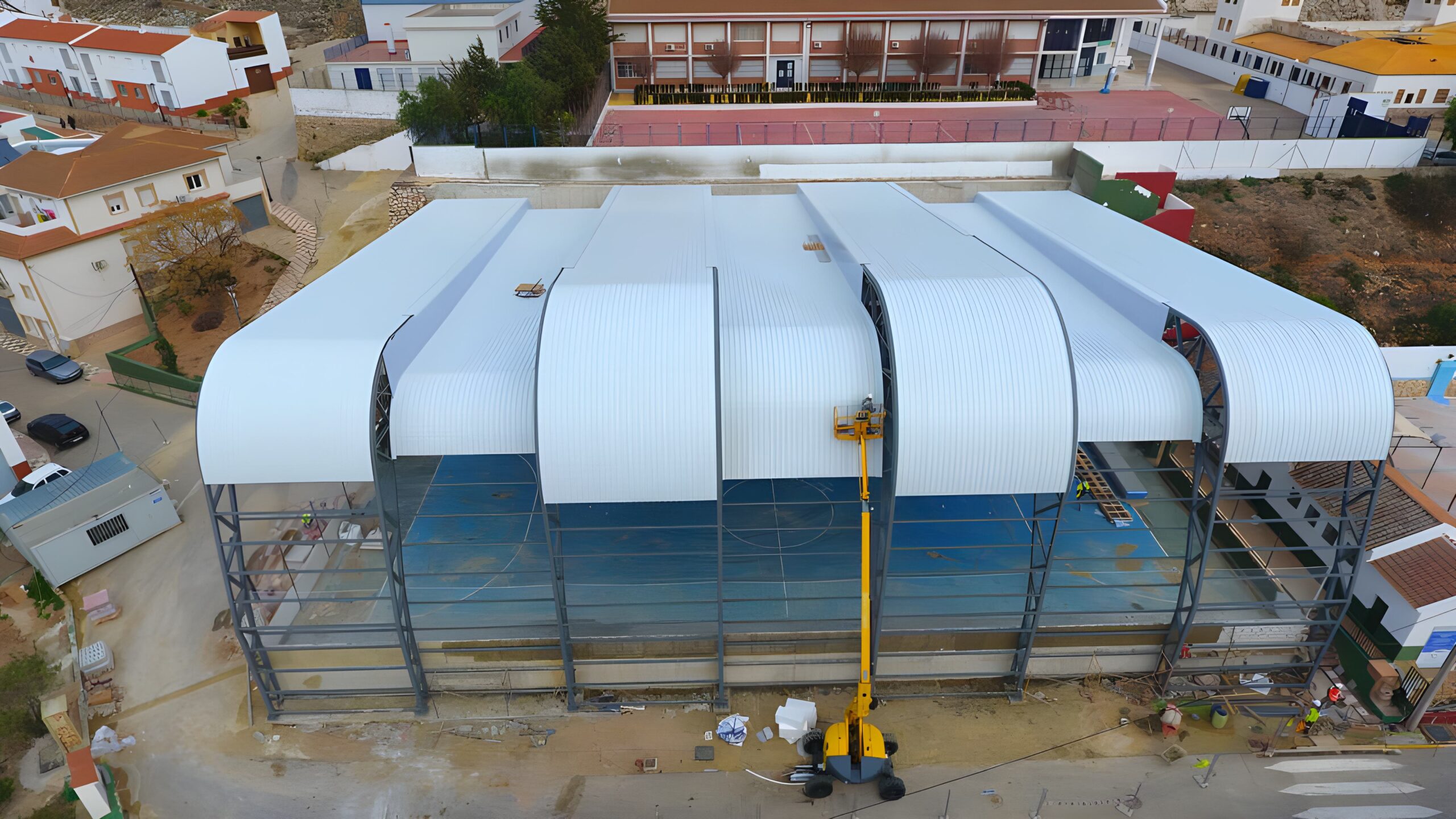
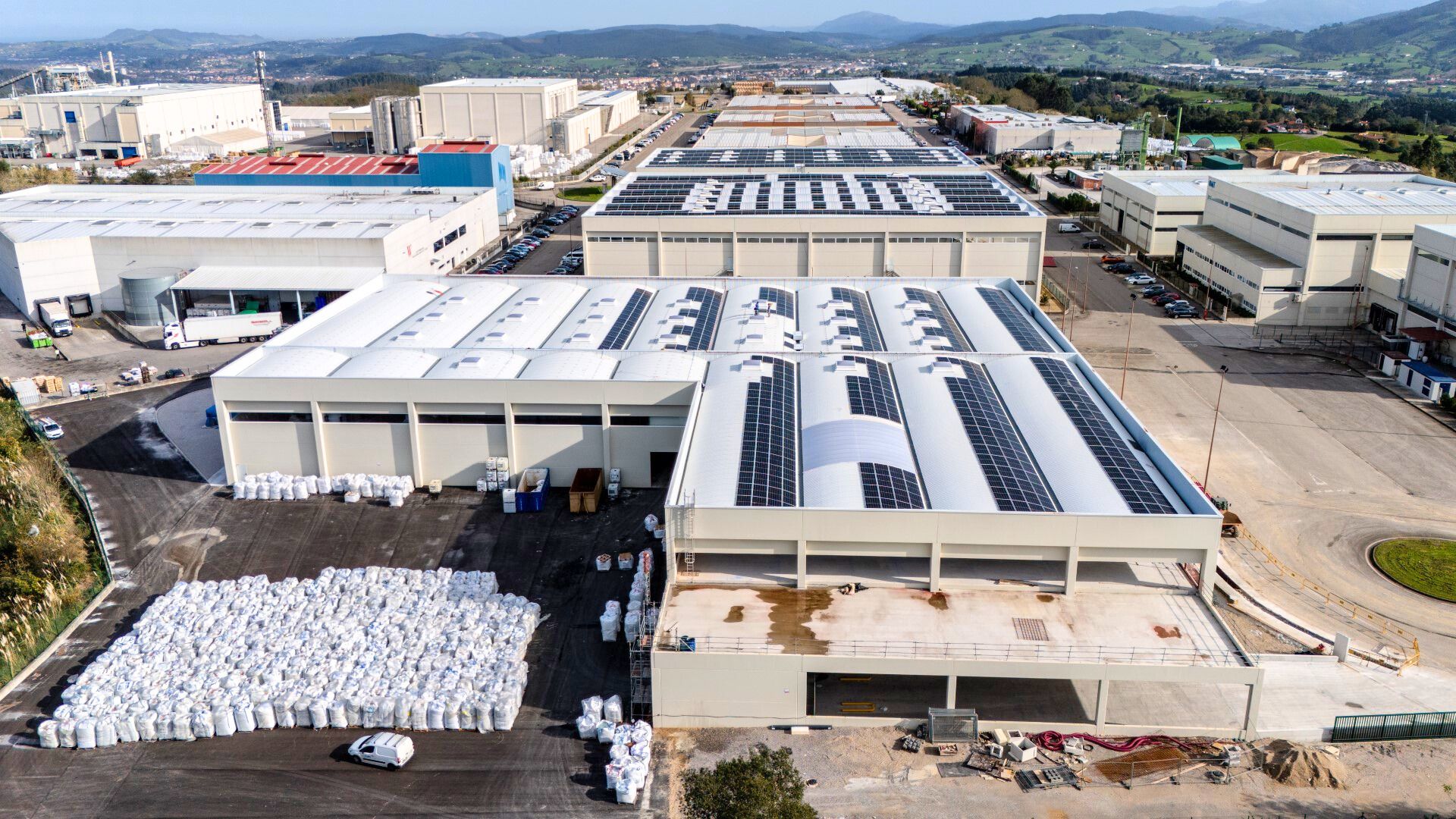
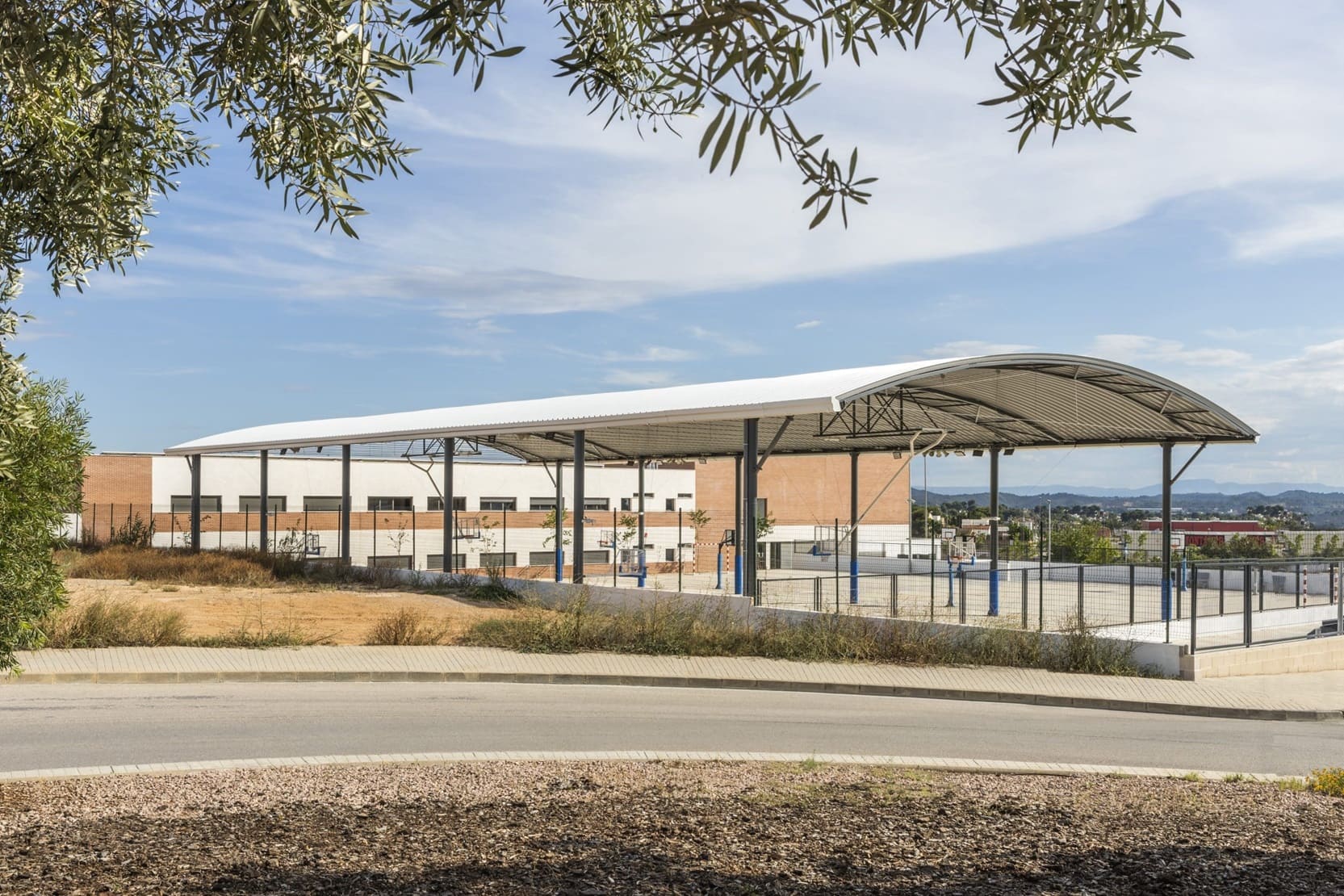
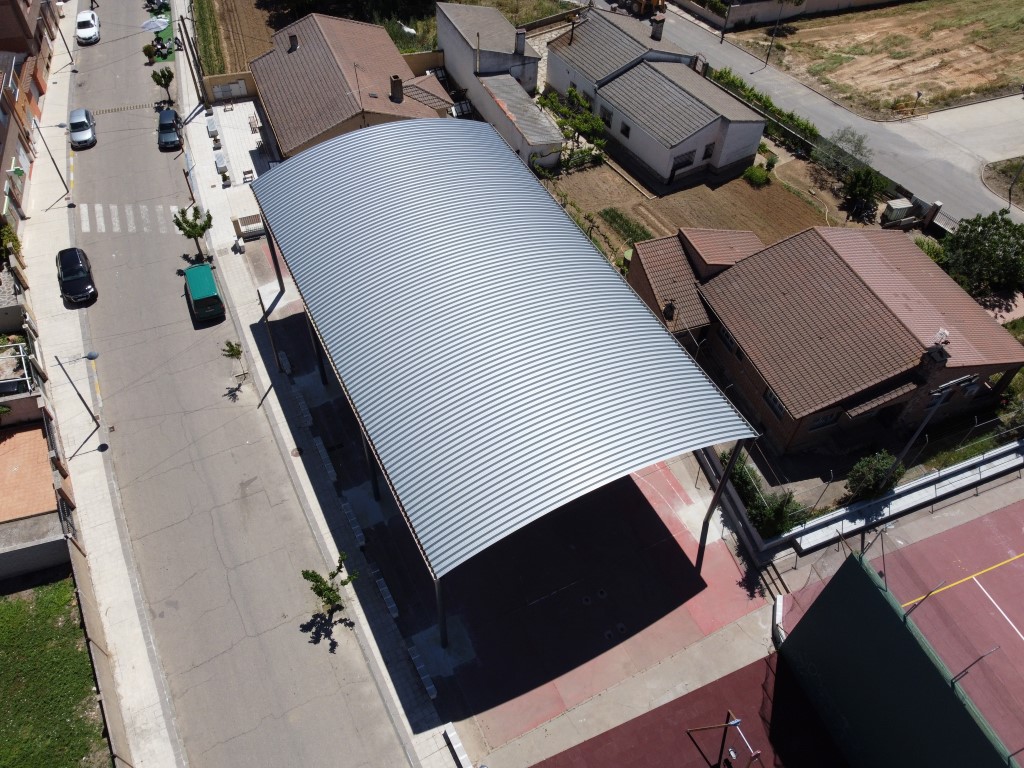
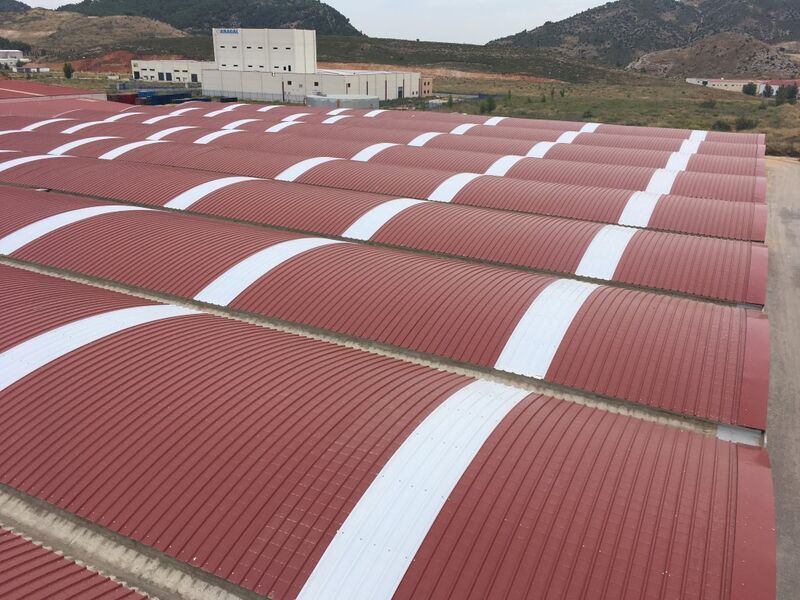
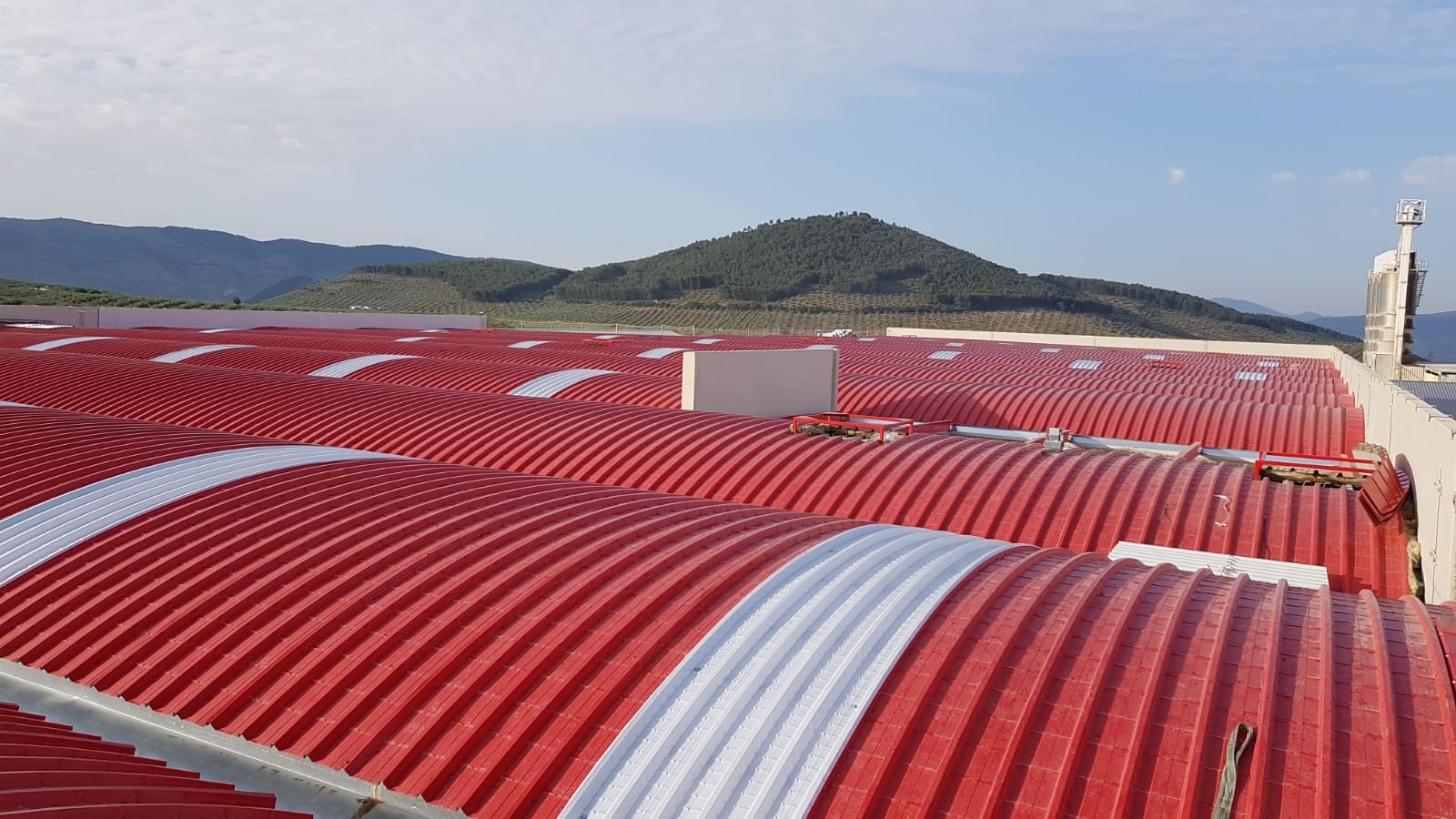
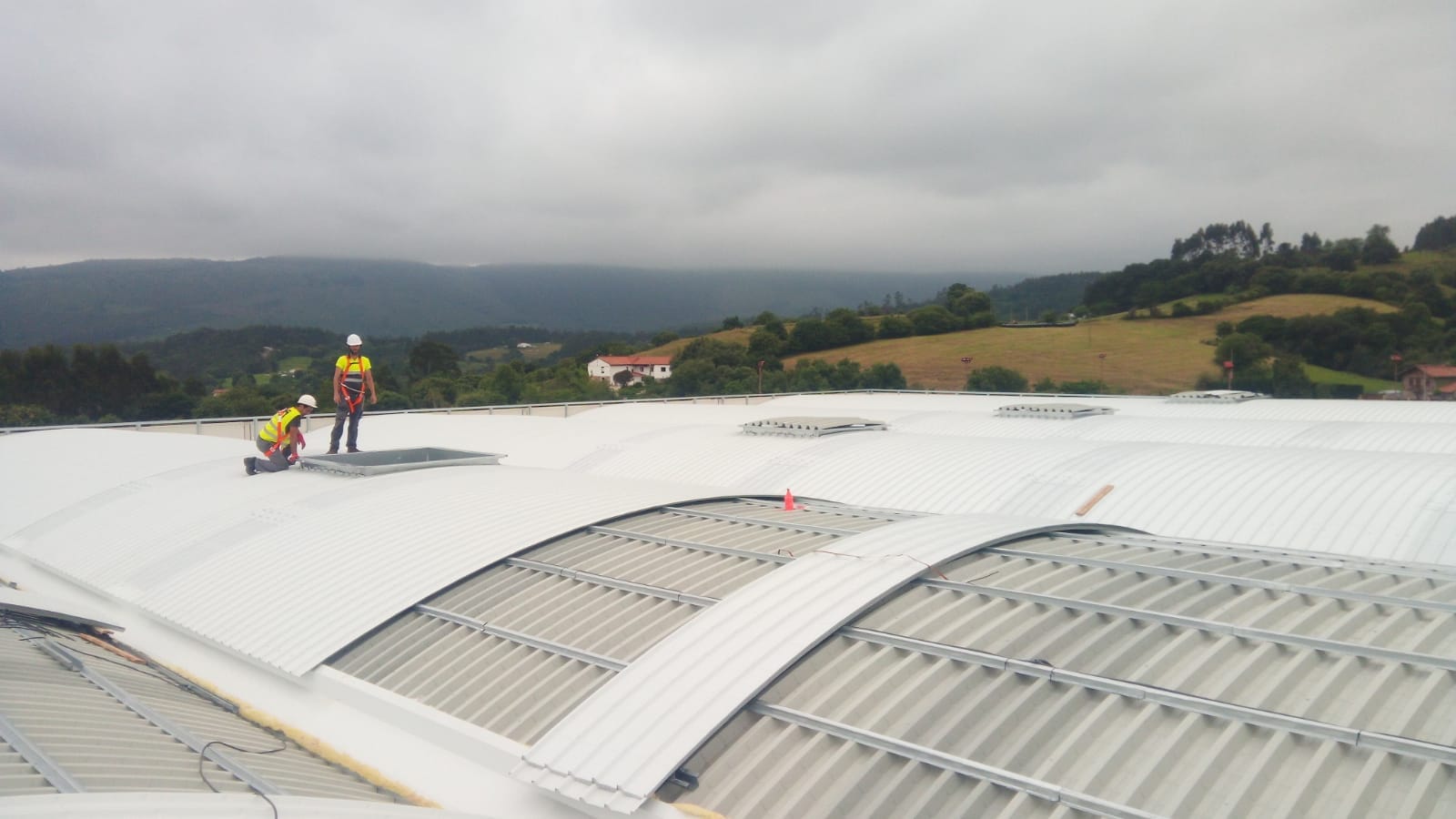
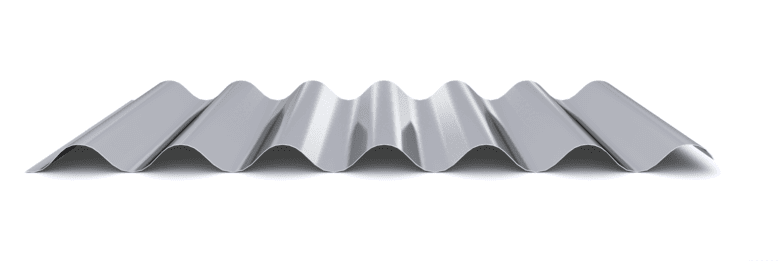
The rehabilitation of the curved roofing is formed by a non-self-supporting curved profile attached to the existing roofing.

The rehabilitation of a curved roofing requires the installation of an additional curved exterior coating profile on the existing roofing. Its main function is to provide a stable and economical reservoir in which existing roofing present water and oxidation problems. Furthermore, this intervention allows the colocation of an intermediate insulation to improve the thermal conditioning of the interior, in cases where the heating exists if it is insufficient or non-existent.

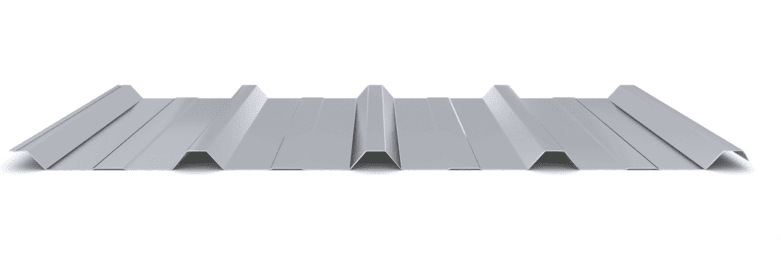
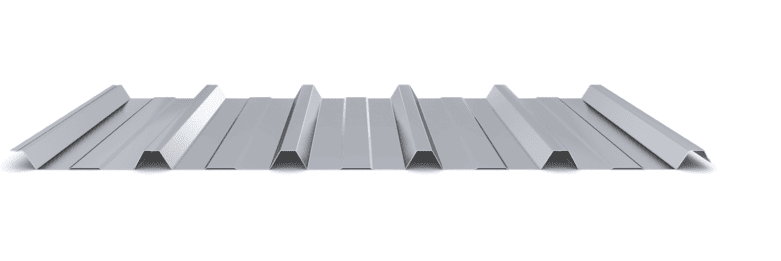
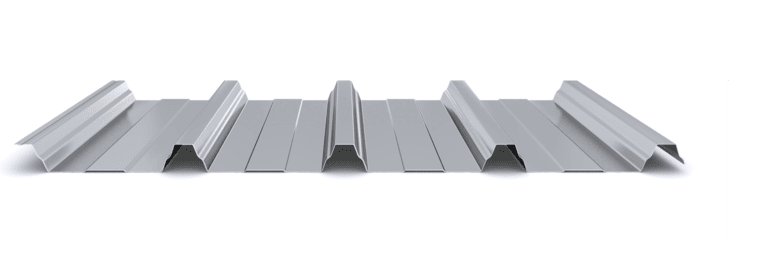
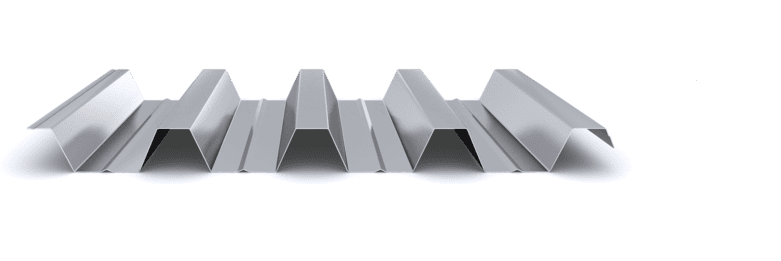
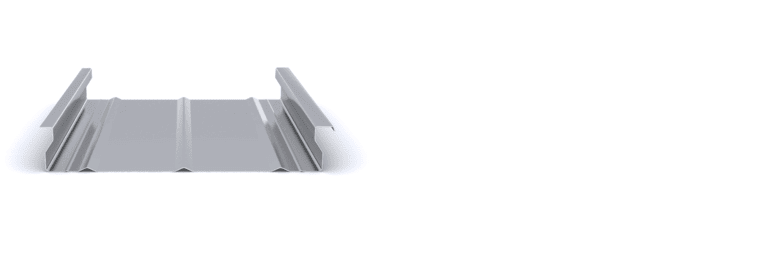
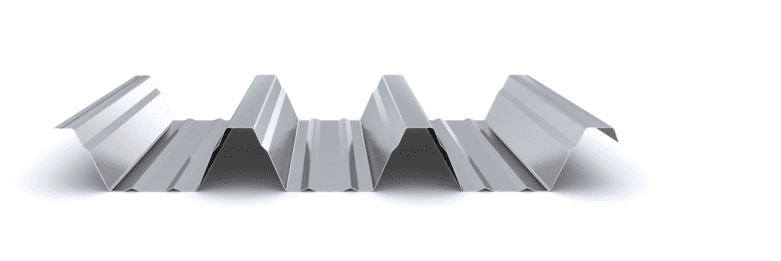
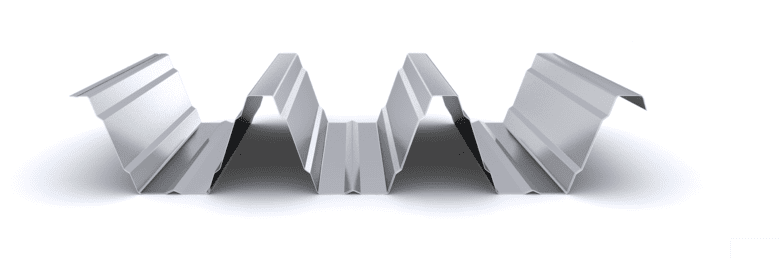
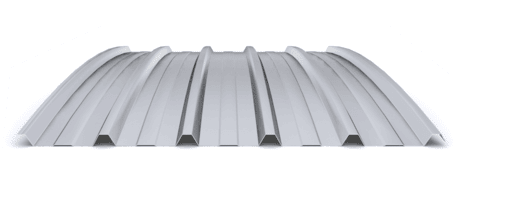
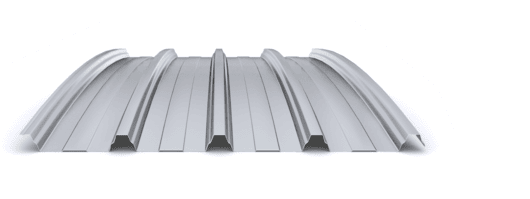
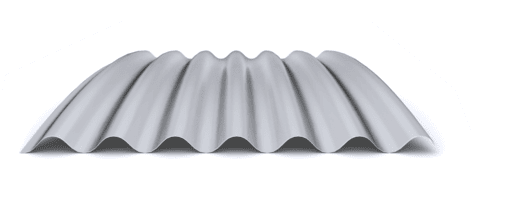
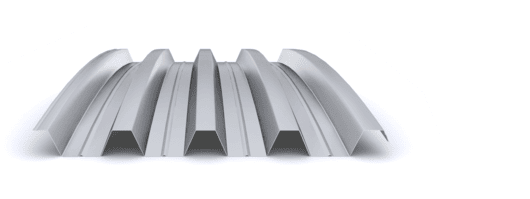
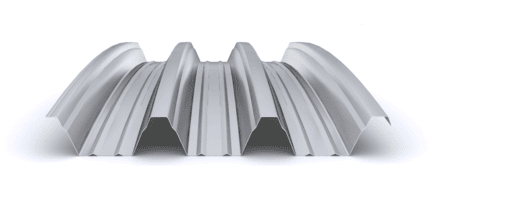
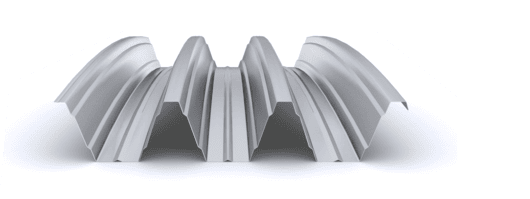
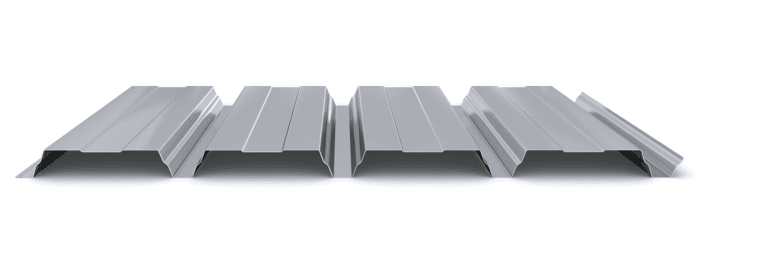
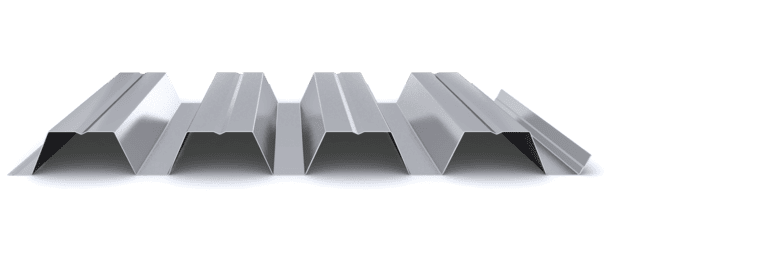
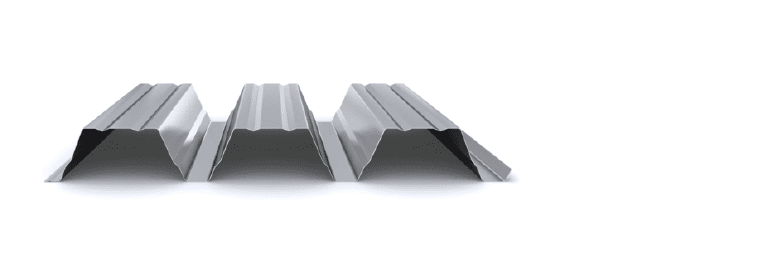
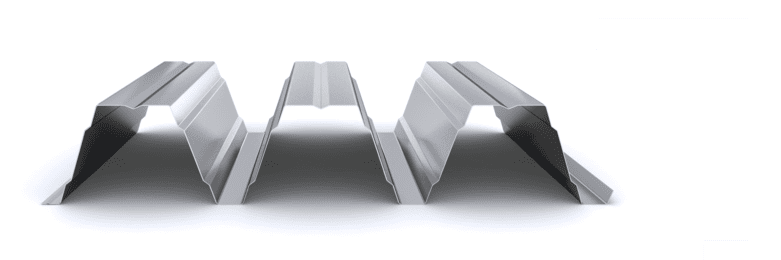
The curved profile of exterior coating meets the mechanical requirements specified in the project and guarantees the stability of the surface adjacent to the water. This curved profile is installed in a series of separating profiles, which are generally made up of metal profiles conforming to cold and are spaced between 1.50 and 3 meters. The profiles are more suitable for this curved roofing solution: INCO 30.5 Curved, INCO 44.4 Curvedand INCO 70.4 Curved profiles.

The curvatura of the trapezoidal profile is recorded through a series of equidistant contours which, with a few folds, provide the necessary curvatura.
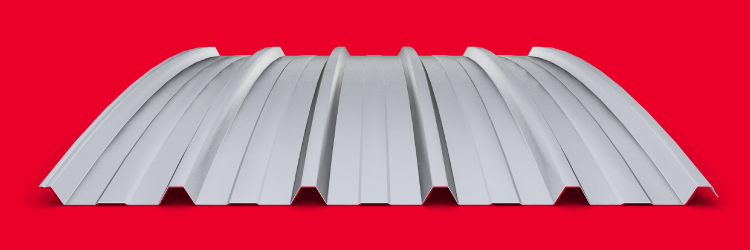
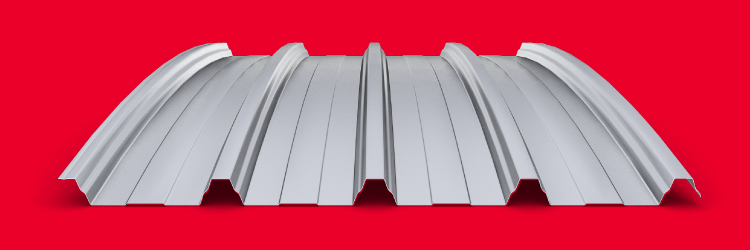
Featured Products

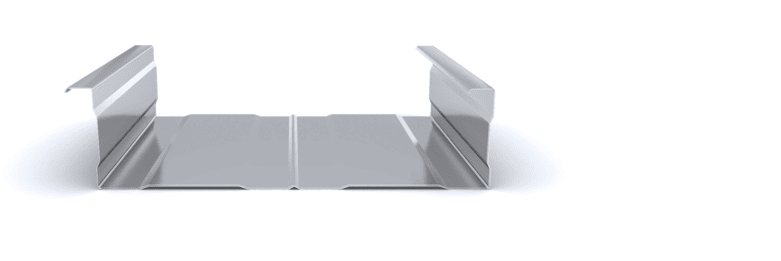
  • Economy and resistance
  • Support separation up to 3.00 m
  • Thicknesses: 0.60 – 1.20 mm
  • Up to 3,900 m² / transport
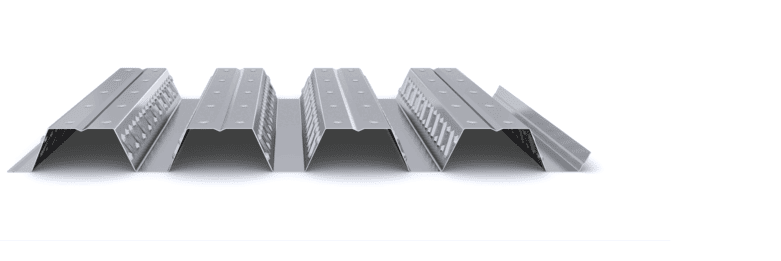
  • Good resistance
  • Support separation up to 3.50 m
  • Thicknesses: 0.60 – 1.20 mm
  • Up to 3,600 m² / transport
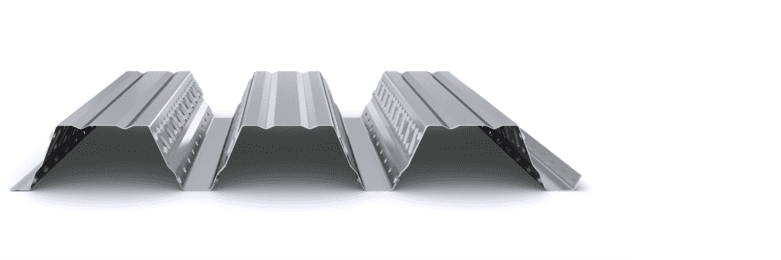
  • Symmetry and aesthetics
  • Support separation up to 4.00 m
  • Thicknesses: 0.60 – 1.00 mm
  • Up to 4,100 m² / transport

Projects

Latest projects

Start designing yout project

Request calculation report

Complete the form below to receive a detailed report justifying the most suitable enclosure profile. You will receive the information as soon as possible.

Building characteristics
Industrial roof application loads
(1) For sections of the roof profile with 2, 3, 4 or more supports, indicate the greatest distances between supports that appear in your project.
Type of environment
Attached documentation
Additional comments
Contact information
Project data
Building characteristics
Application loads for the industrial facade
(1) For sections of the façade profile with 2, 3, 4 or more supports, indicate the greatest distances between supports that are presented in your project.
Type of environment
Attached documentation
Additional comments
Contact information
Project data
Building characteristics
Deck loads
(1) For sections of the roof profile with 2, 3, 4 or more supports, indicate the greatest distances between supports that appear in your project.
Type of environment
Attached documentation
Additional comments
Contact information
Project data
Structure features
Composite slab characteristics
(1) For the sections of the composite slab with 2, 3, 4 or more supports, indicate the greatest distances between supports that appear in your project. Span length < 5,00 m.
Type of environment
Attached documentation
Additional comments
Contact information
Project data
Building characteristics
Characteristics of the facade
Roof typology

(1) Indicate the length of the span of the arch, which is the greatest horizontal distance between the supports of the curved roofing.

(2) Plan-view dimension representing the full length of the curved roof measured perpendicular to the arch span.

(3) Specify the obstructed area under the canopy, in square meters, as a proportion of the total area of the front or side (transverse or longitudinal) façade, in order to calculate the obstruction factor. If it is a closed construction or there is no obstruction area, indicate 0 m².

Environment characteristics
Type of environment
Attached documentation
Additional comments
Contact information
Project data