

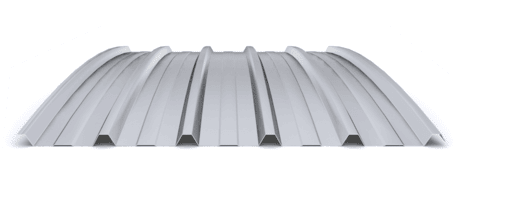
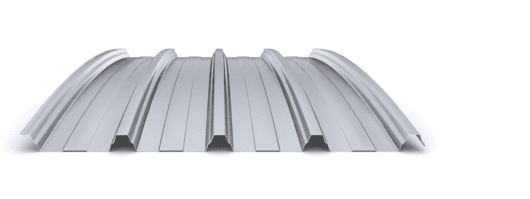
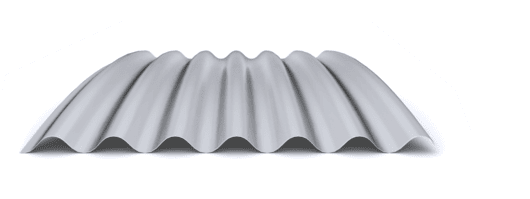
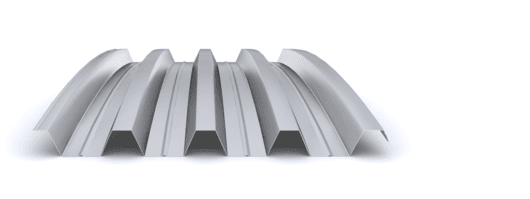

Composite deck thickness is one of the most relevant parameters in composite floor structural design, as it directly influences strength, stiffness, deflections, and the need for propping during construction. Proper thickness selection optimizes the system’s load-bearing capacity in both working phases, ensuring structural safety and overall efficiency.
Influence of Thickness on Structural Behavior
During the construction phase, the composite deck acts as self-supporting metal formwork, carrying the weight of fresh concrete, reinforcement, and construction loads. Once the concrete has hardened, steel and concrete act together as a composite slab, transferring bending and shear forces.
In this dual behavior, deck thickness (typically between 0.75 and 1.20 mm) is decisive:
In the construction phase, greater thickness increases profile stiffness and reduces deflections, allowing larger support spacing or unpropped execution in certain configurations.
In the composite phase, thickness contributes to overall load-bearing capacity and deflection control, particularly in continuous systems or higher load conditions.
Most Common Thicknesses
0.75 mm: suitable for short spans or propped solutions.
1.00 mm: balanced solution between stiffness and self-weight.
1.20 mm: higher stiffness, recommended for unpropped solutions or medium spans.
Selection must always be verified through structural calculation in accordance with applicable standards.
Comparison by Profile and Thickness
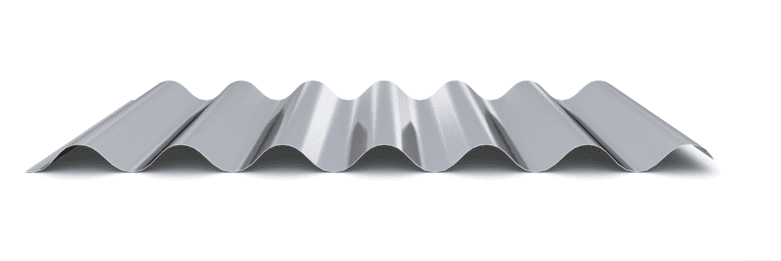
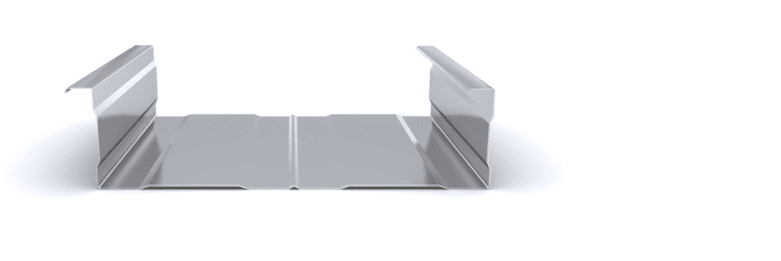
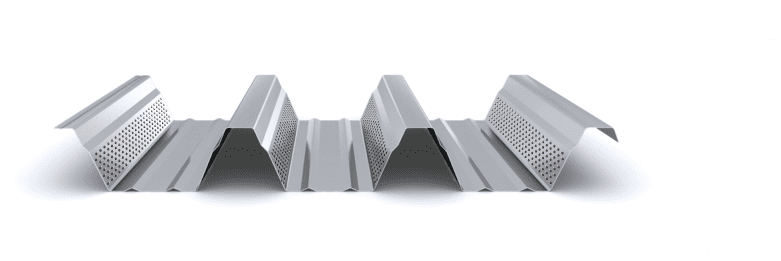
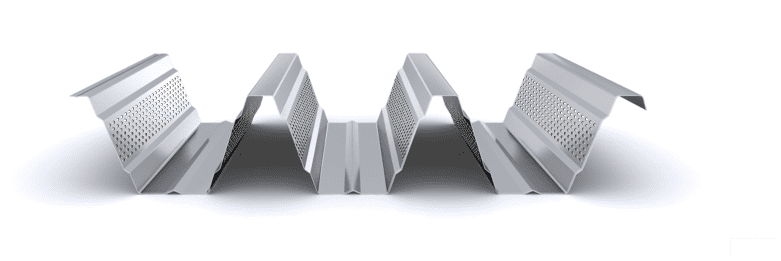
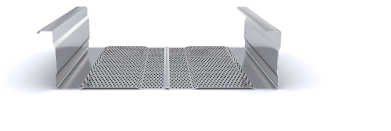
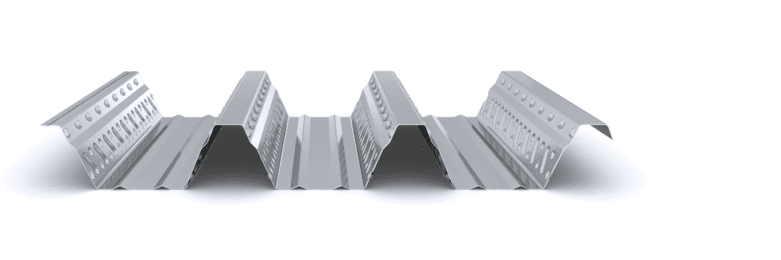
Composite profiles are manufactured in different thicknesses, expanding their range of application. For guidance, unpropped spans vary depending on the model, thickness, number of spans, and project loads.
For example:
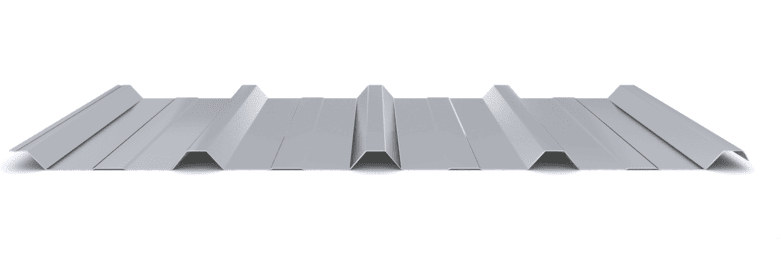
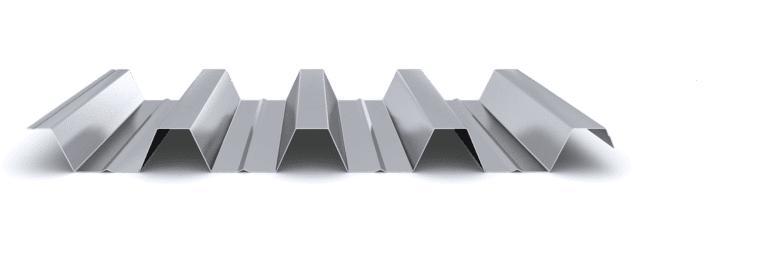
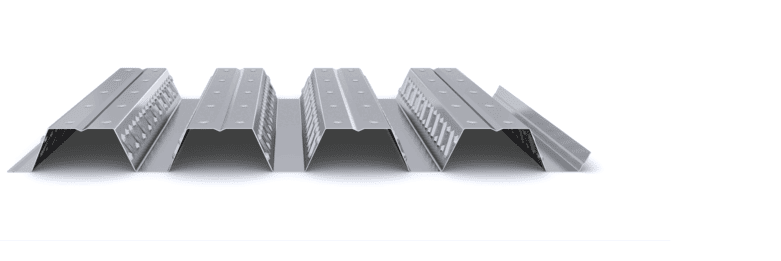
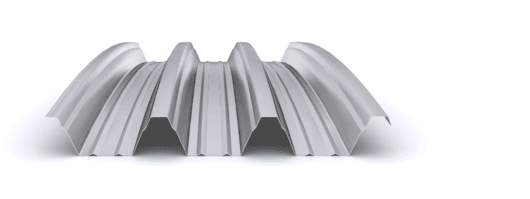
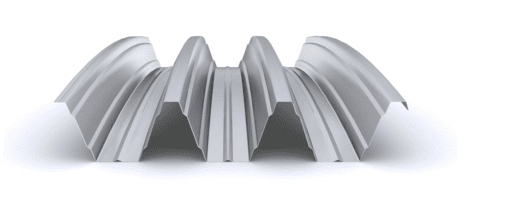
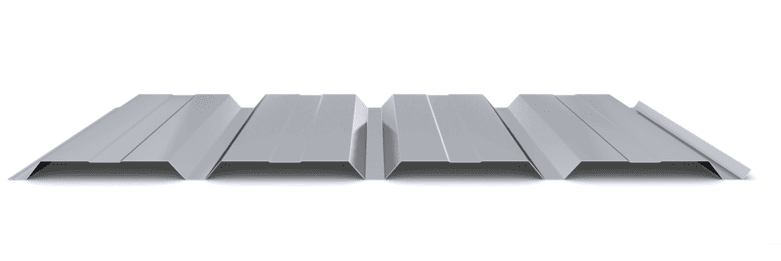
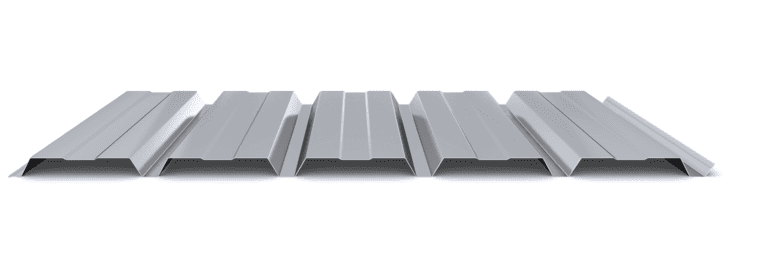
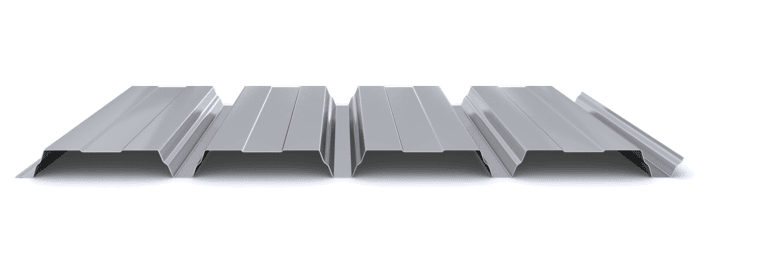
INCO 70.4 Composite: typical configurations between 2 and 3.5 m depending on thickness and slab depth.
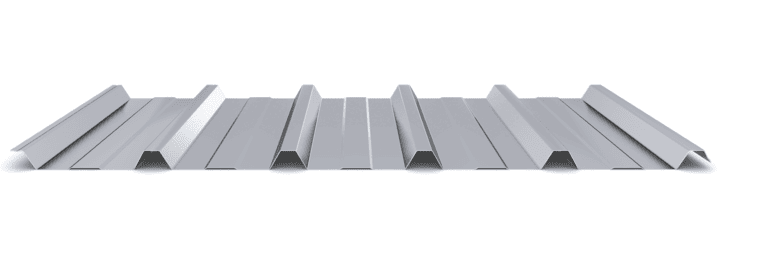
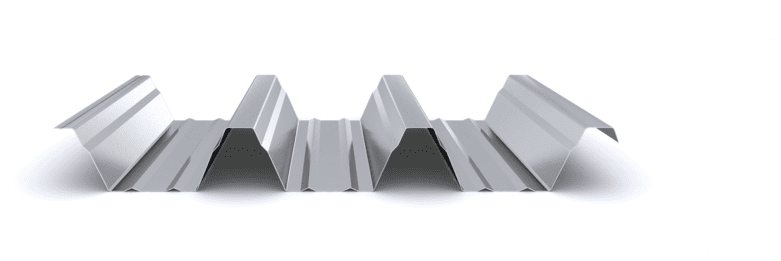
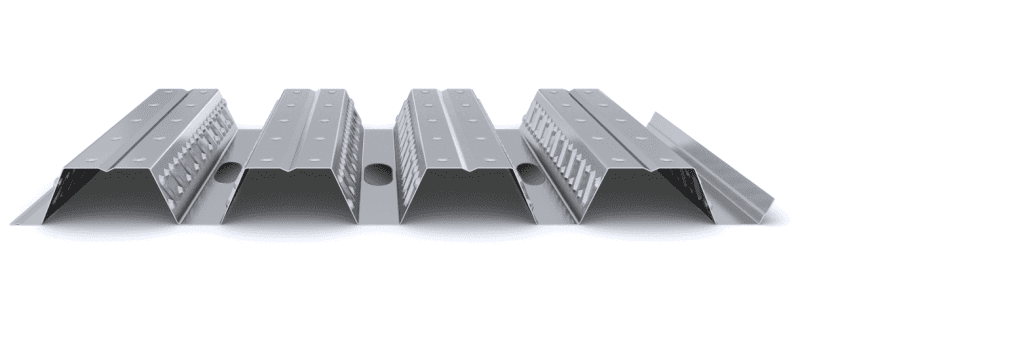
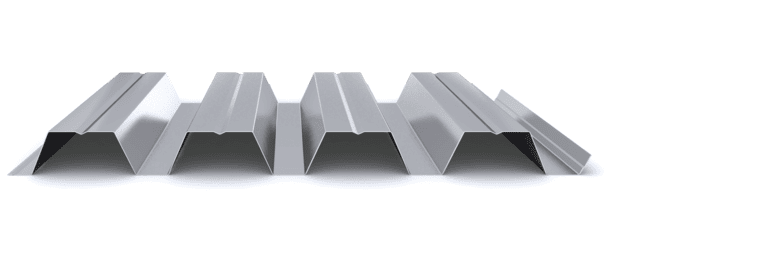
INCO 100.3 Composite: medium spans in standard configurations, with greater margin when using higher thicknesses.
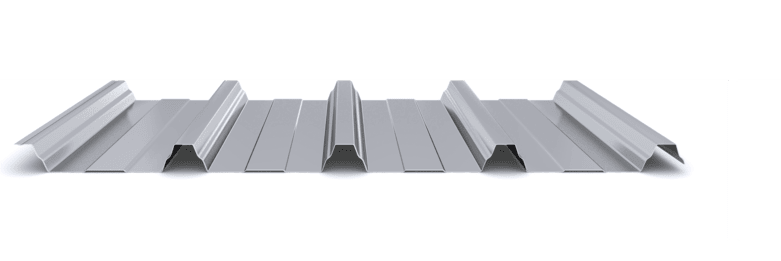
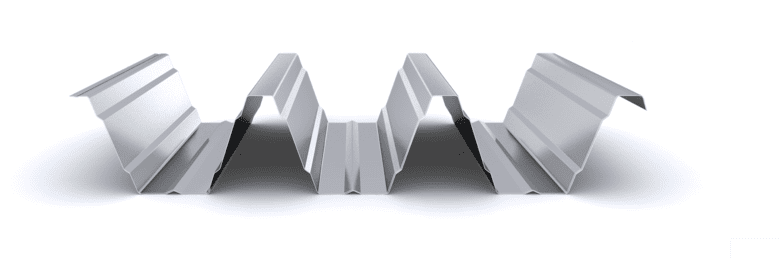
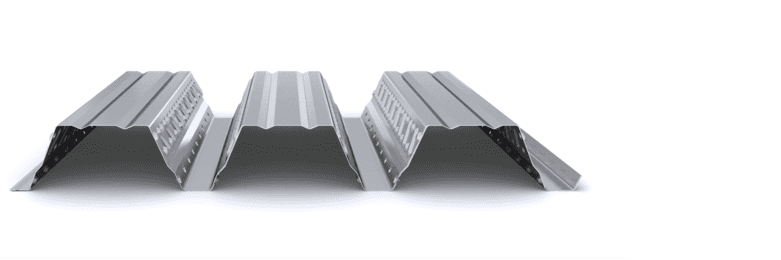
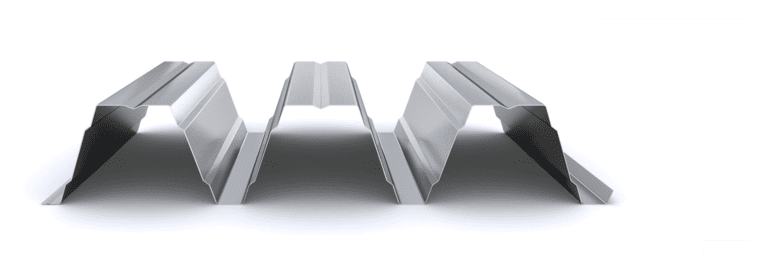
INCO 100.3 R Composite: intended for solutions with higher structural or fire-resistance requirements, subject to calculation.
Exact values depend on slab depth, support configuration, and the applied loads.
Relationship Between Thickness, Slab Depth, and Service Loads
Deck thickness is linked to total slab depth and service loads. Increasing thickness reduces deflections during the construction phase and may increase load-bearing capacity in the composite phase for the same slab depth.
Similarly, increasing total slab depth enhances overall stiffness and system load-bearing capacity. The combination of deck thickness and slab depth allows the structural solution to be adjusted to actual service loads while maintaining profile geometry and optimizing floor performance.
Advantages and Practical Applications
Correct thickness selection provides both structural and construction benefits:
Precise adaptation to span and design loads.
Possibility of reducing or eliminating propping during construction.
Improved deflection control during concreting.
Compatibility with standard shear connectors and fastening systems.
The decision should be based on a balance between span, loads, construction method, and regulatory requirements.
Design Recommendations
Consider the minimum thickness compatible with span between supports and concreting loads.
In continuous multi-span floors, an intermediate thickness usually provides a good balance between stiffness and self-weight.
In unpropped solutions, start from thicknesses equal to or greater than 1.00 mm, always subject to structural verification.
Consult load and deflection tables for final selection.
Conclusion
Composite deck thickness is an essential variable in composite floor design, as it directly influences stiffness, load-bearing capacity, and construction method. The available range allows the system to be adapted to different structural requirements, always subject to verification in accordance with applicable standards.
Incoperfil Technical Manual
For a complete definition of the system, design criteria, calculation bases, resistance tables, construction details, and installation procedures, consult the Incoperfil Composite Slab Technical Manual, available upon registration in the Documentation section of the website.
Last update: February 2026
© Incoperfil. All rights reserved.
The technical content of this article forms part of the Composite Flooring Technical Manual and the documentation registered by Incoperfil with ColorURIS (Act No. 1-INCOPERFIL-12.2025).