
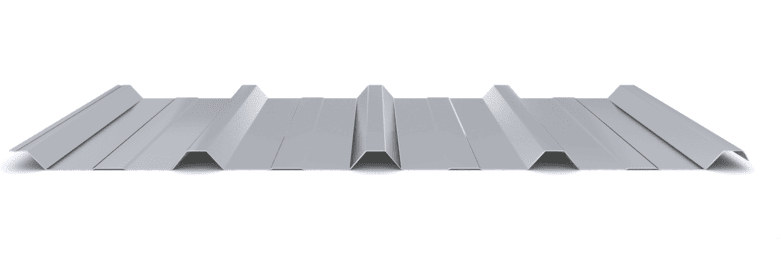
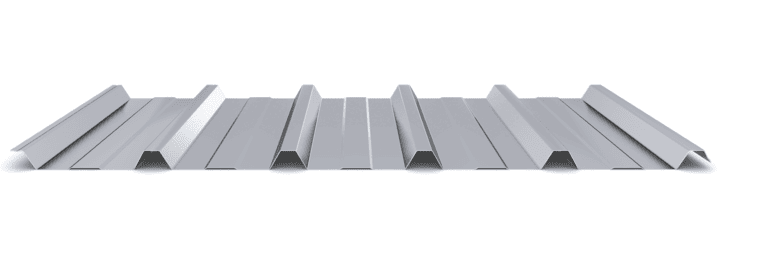
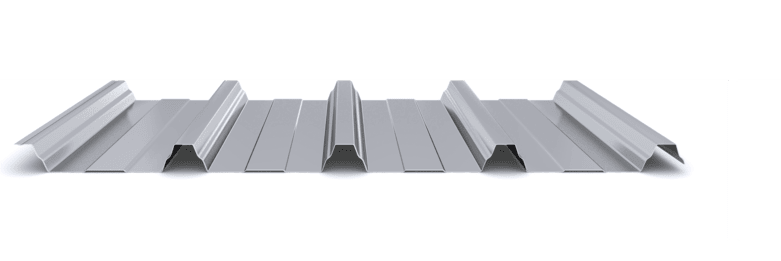
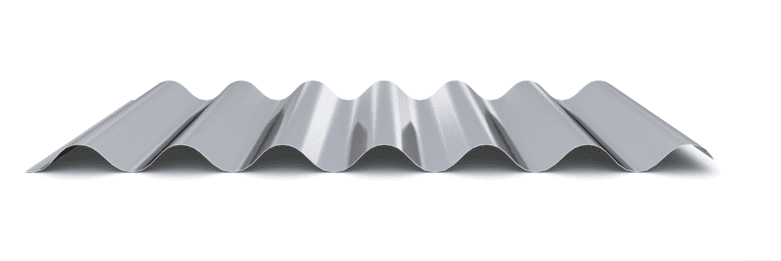
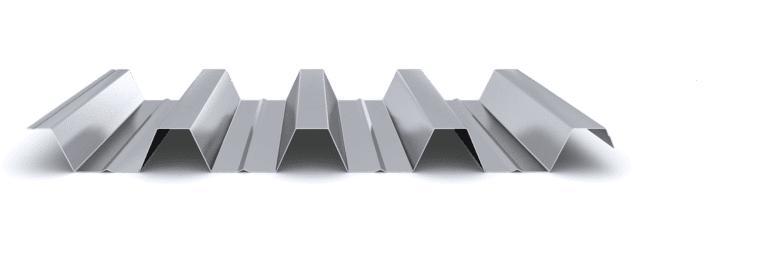
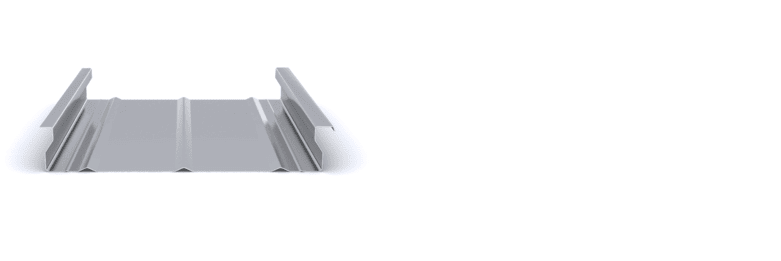
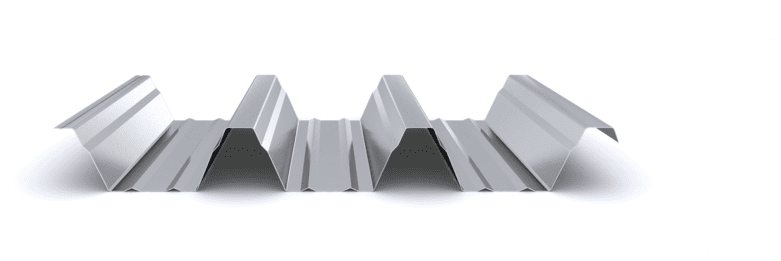
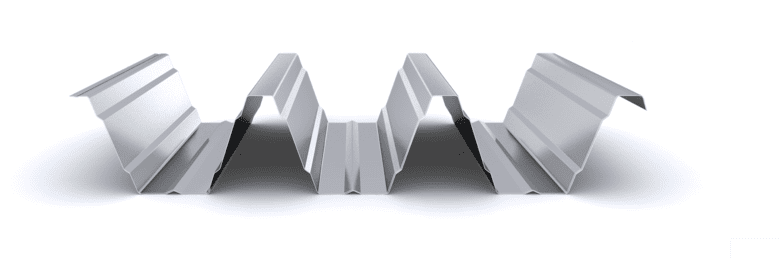
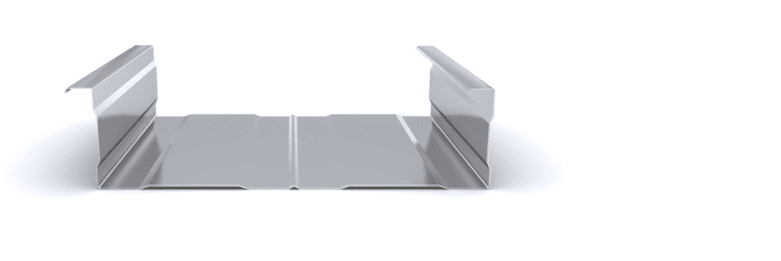
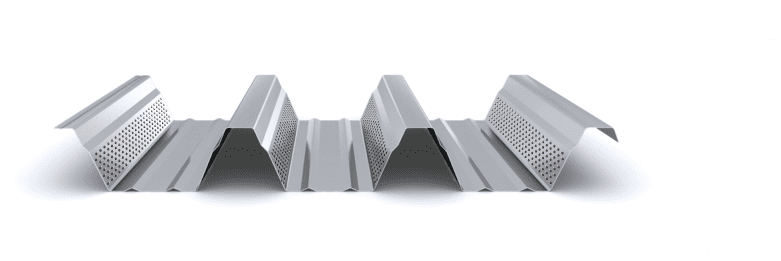
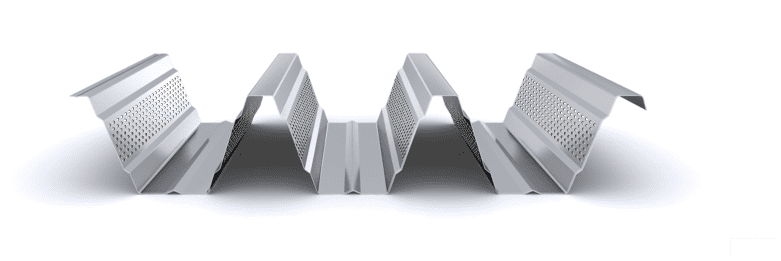
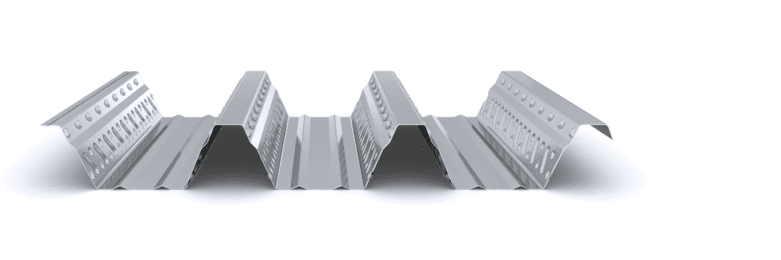
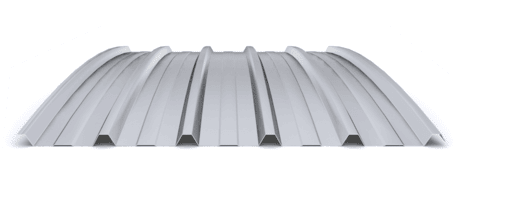
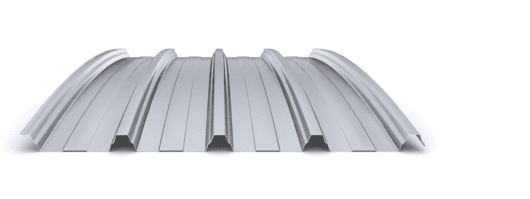
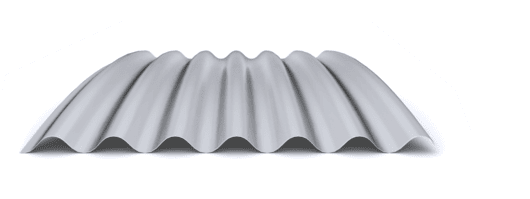
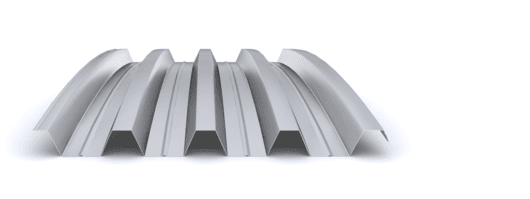
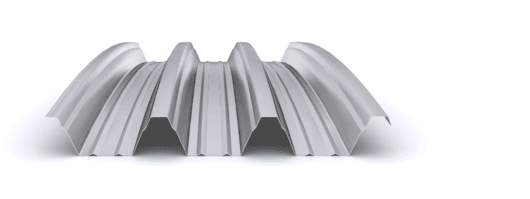
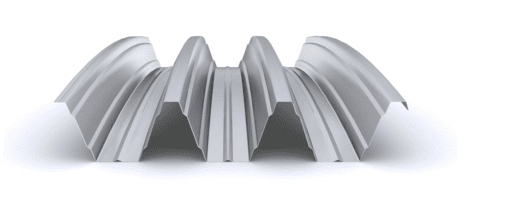
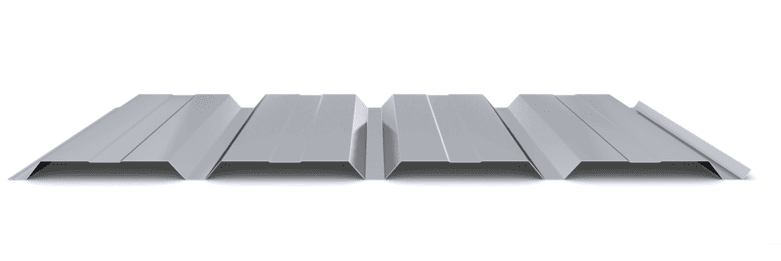
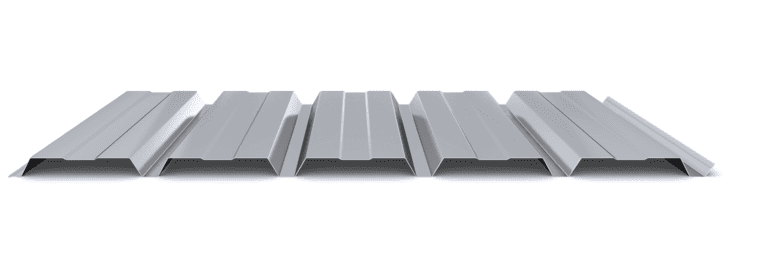
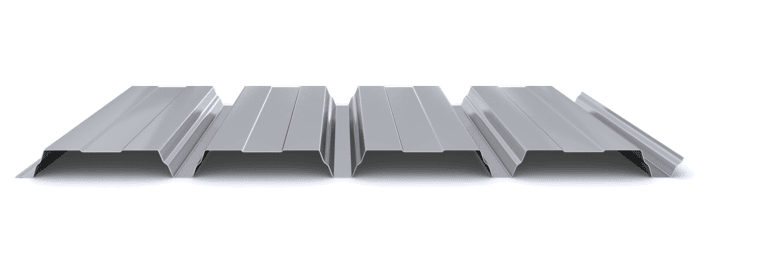
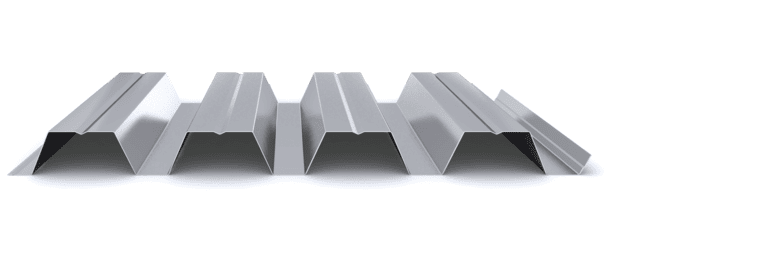

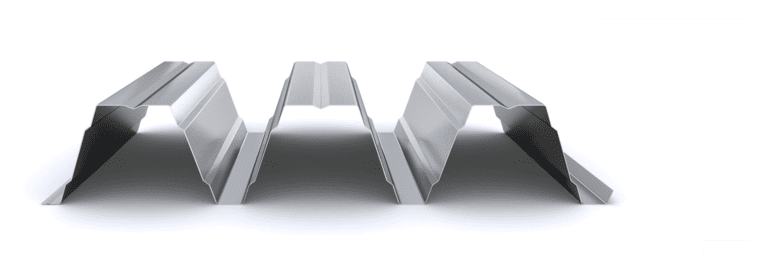
Fixings for composite metal decking play an essential role during the formwork stage. Although they do not contribute to the structural performance of the composite slab under service conditions, they are indispensable for ensuring the stability, alignment and safety of the system before and during concrete placement.
Function of the Fixings
Fixings secure the metal decking to the supporting structure, preventing displacement, wind uplift and movement caused by construction traffic and temporary loads.
Proper fixing allows:
- Maintaining the position and alignment of the decking sheets.
- Ensuring continuity of the longitudinal and transverse overlaps.
- Correctly transferring formwork reactions to the supporting structure.
- Preventing joint opening during concrete placement.
The correct arrangement of fixings contributes to safe concreting operations and ensures that the minimum bearing lengths specified in the design are maintained.
Types of Fixings
The fixing system depends on the type of supporting structure:
- Steel beams: self-drilling screws (approximately Ø 5.5 mm) or direct fastening systems.
- Concrete supports: self-tapping screws (approximately Ø 5.5 mm) or equivalent mechanical anchors.
- Timber supports: self-drilling screws (approximately Ø 6.3 mm) suitable for timber.
Fixings shall provide a secure connection between the decking and the supporting structure without damaging the galvanized coating or compromising the durability of the system.
Number and Arrangement of Fixings
The number and location of fixings depend on the decking profile, the beam width and the installation conditions.
Decking-to-Structure Fixings (Transverse Fixings at Supports)
- End supports: at least one fixing in every rib.
- Intermediate supports: typically one fixing every two ribs, unless otherwise specified in the project documentation.
Decking-to-Structure Fixings (Longitudinal Fixings Along Edge Supports)
- Maximum recommended spacing: approximately 500 mm.
Decking-to-Decking Fixings (Longitudinal Side-Lap Fixings)
- Maximum recommended spacing of 750 mm for simply supported decking.
- Up to 1,000 mm for continuous decking spanning three or more supports.
All side laps should be visually inspected before concreting to ensure correct engagement.
Cleaning and Inspection Before Concrete Placement
Once fixing has been completed, all metal drill swarf generated during drilling should be removed, as it may corrode and cause superficial staining of the galvanized coating.
Before concrete placement, it is recommended to verify:
- The integrity of the galvanized coating.
- Correct engagement of all overlaps.
- That all fixings are present and properly installed.
Where minor damage to the galvanized coating has occurred, a zinc-rich protective coating may be applied in accordance with the manufacturer’s technical recommendations.
Conclusion
Fixings for composite metal decking are a key component during the construction stage of a composite floor system. Their correct selection, installation and inspection ensure formwork stability, safe concrete placement and installation in accordance with the project’s technical requirements.
Incoperfil Technical Manual
For complete information on the composite floor system, including design criteria, calculation methods, load tables, construction details and installation procedures, refer to the Incoperfil Composite Floor Technical Manual, available upon registration in the Documentation section of the Incoperfil website.
Last updated: February 2026
© Incoperfil. All rights reserved.
The technical content of this article forms part of the Incoperfil Composite Floor Technical Manual and the documentation registered by Incoperfil with ColorIURIS (Record No. 1-INCOPERFIL-12.2025).