Request a
calculation form

With steel,
we build the future

Home / Materials

Materials

STEEL FOR CONSTRUCTION

Guaranteed resistance and durability

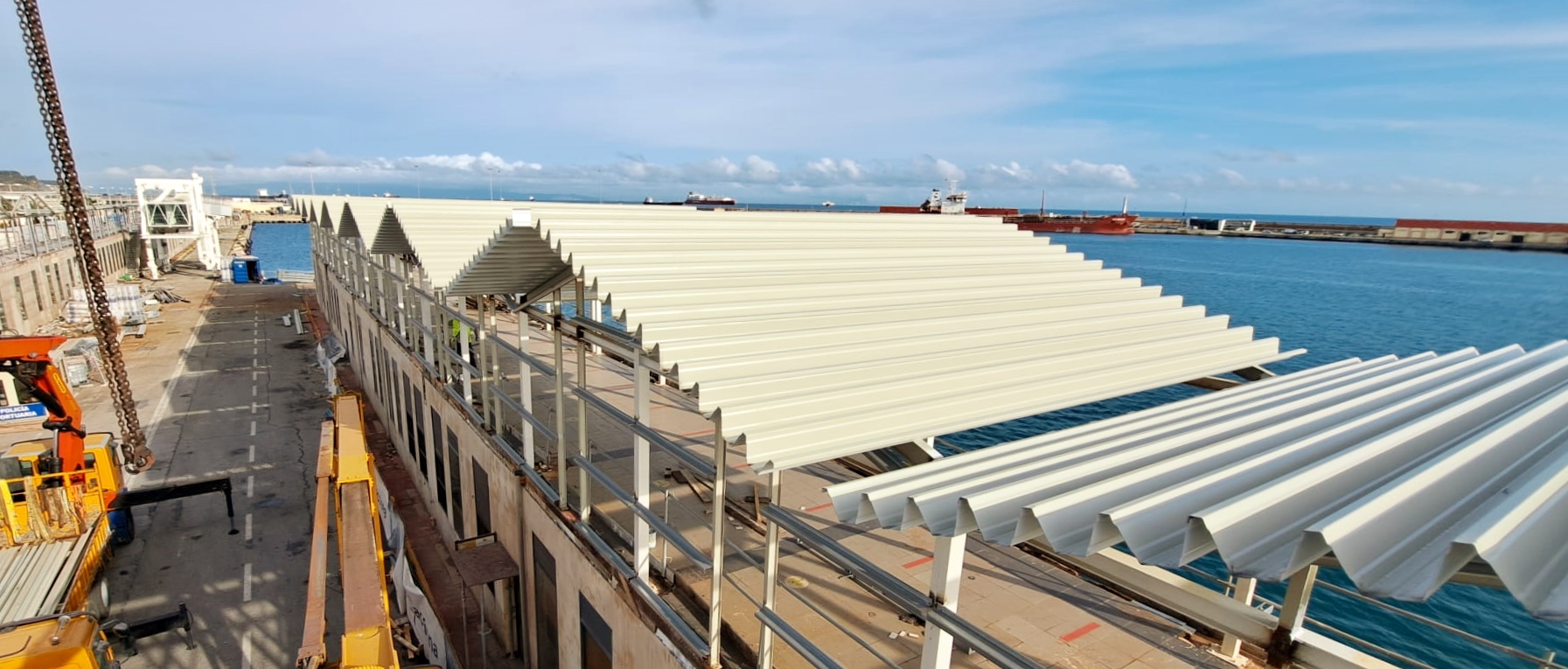
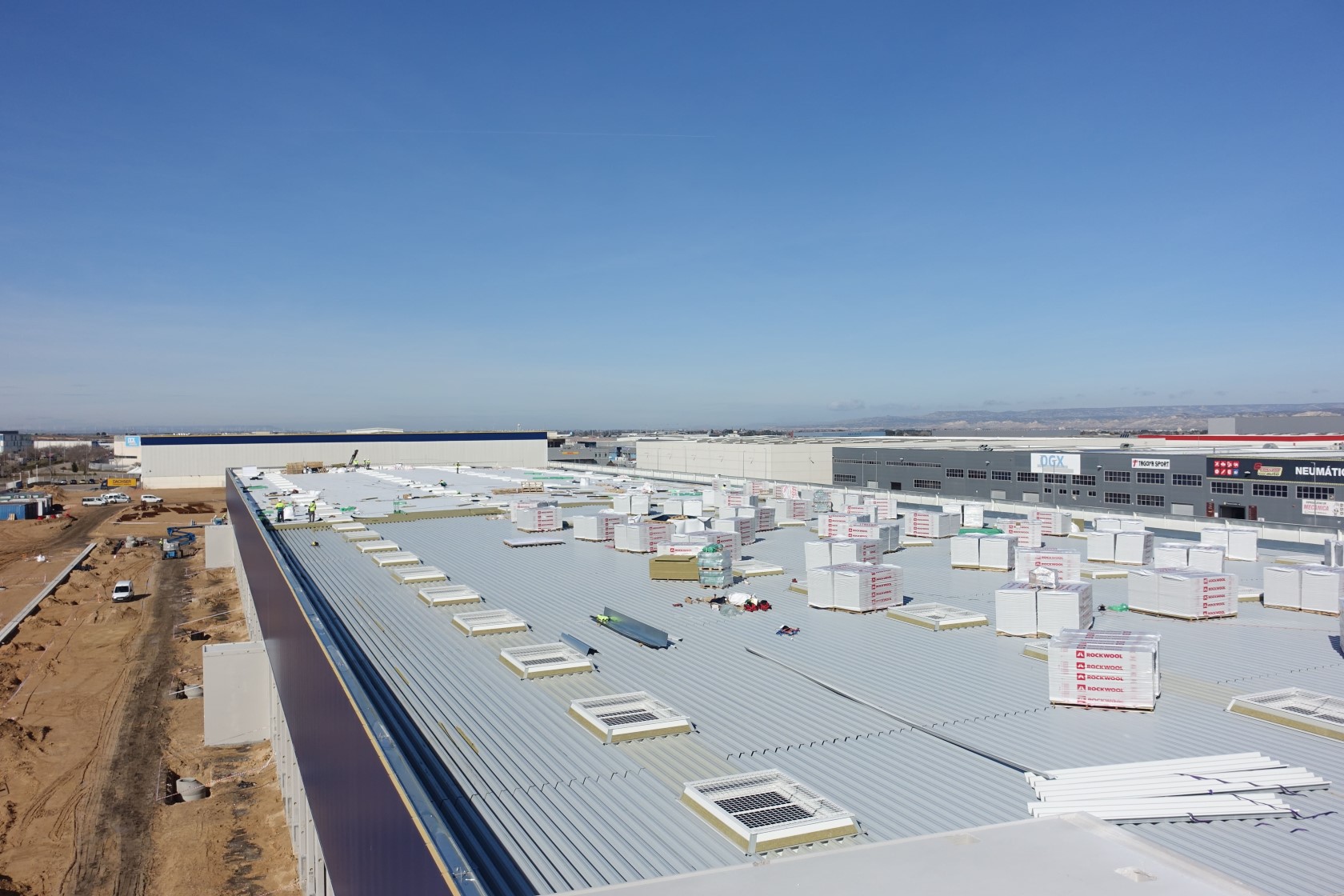
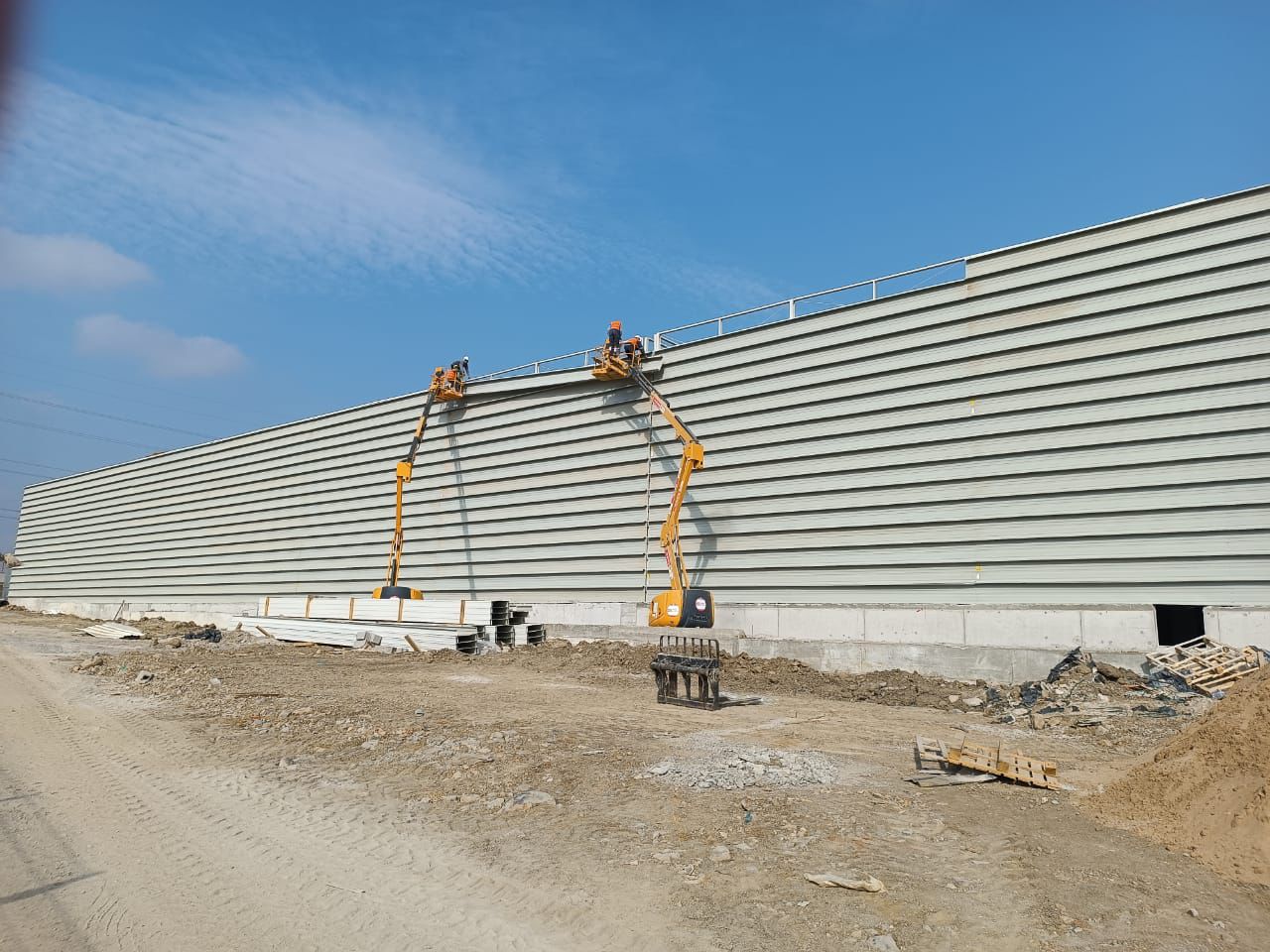
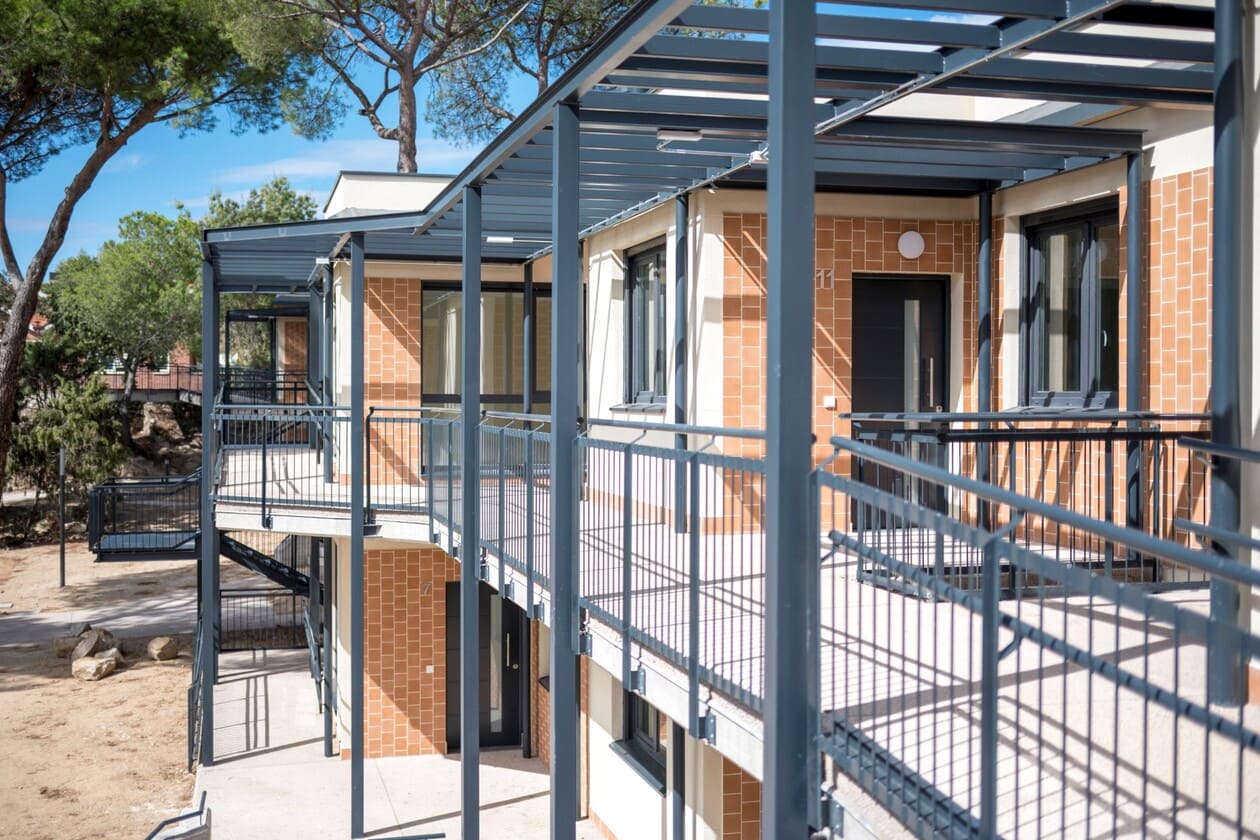
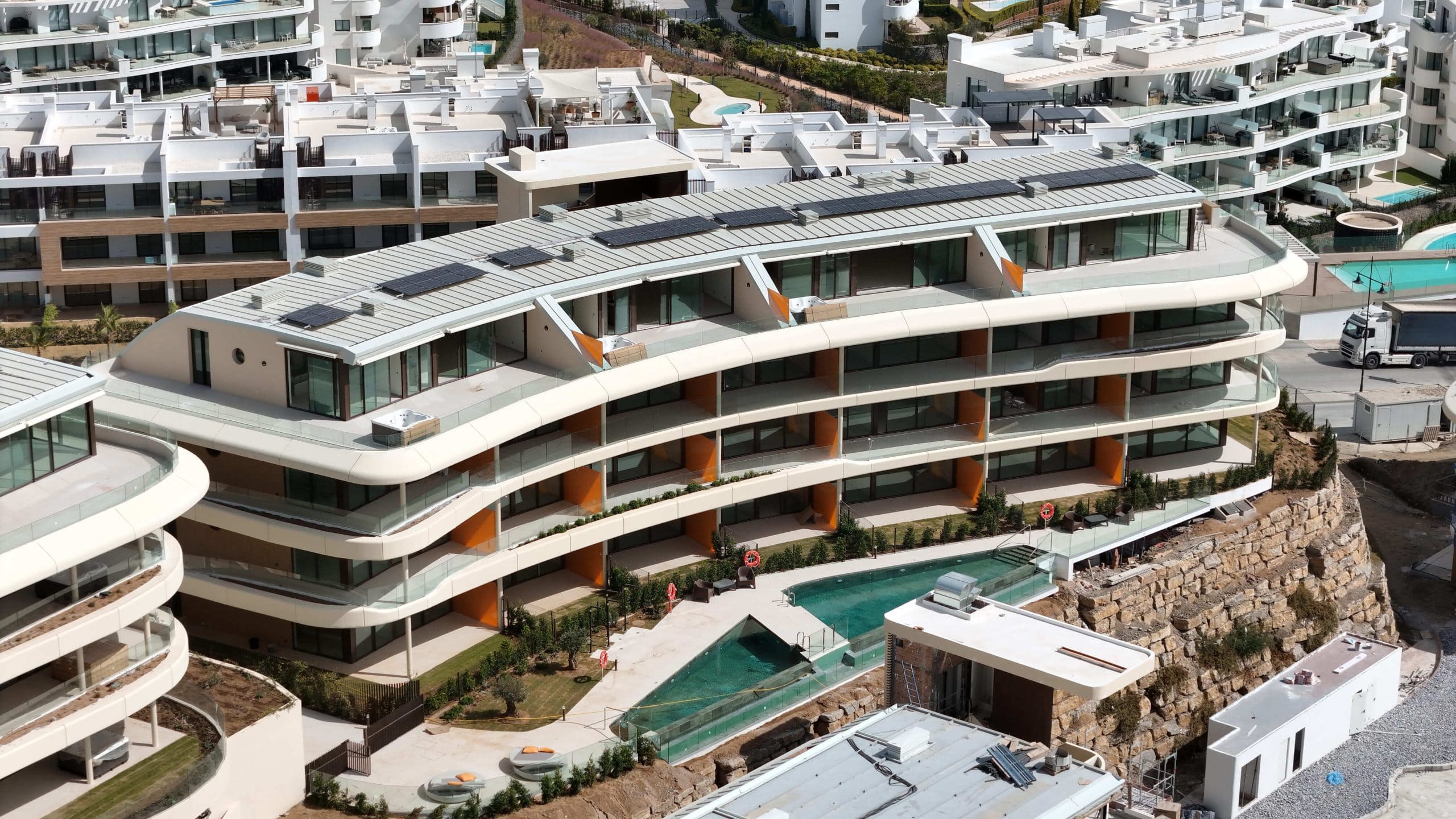
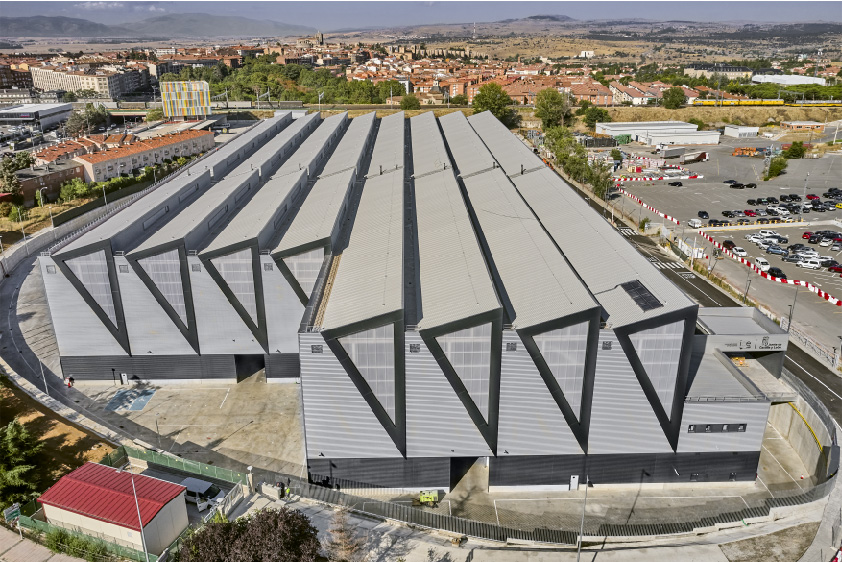
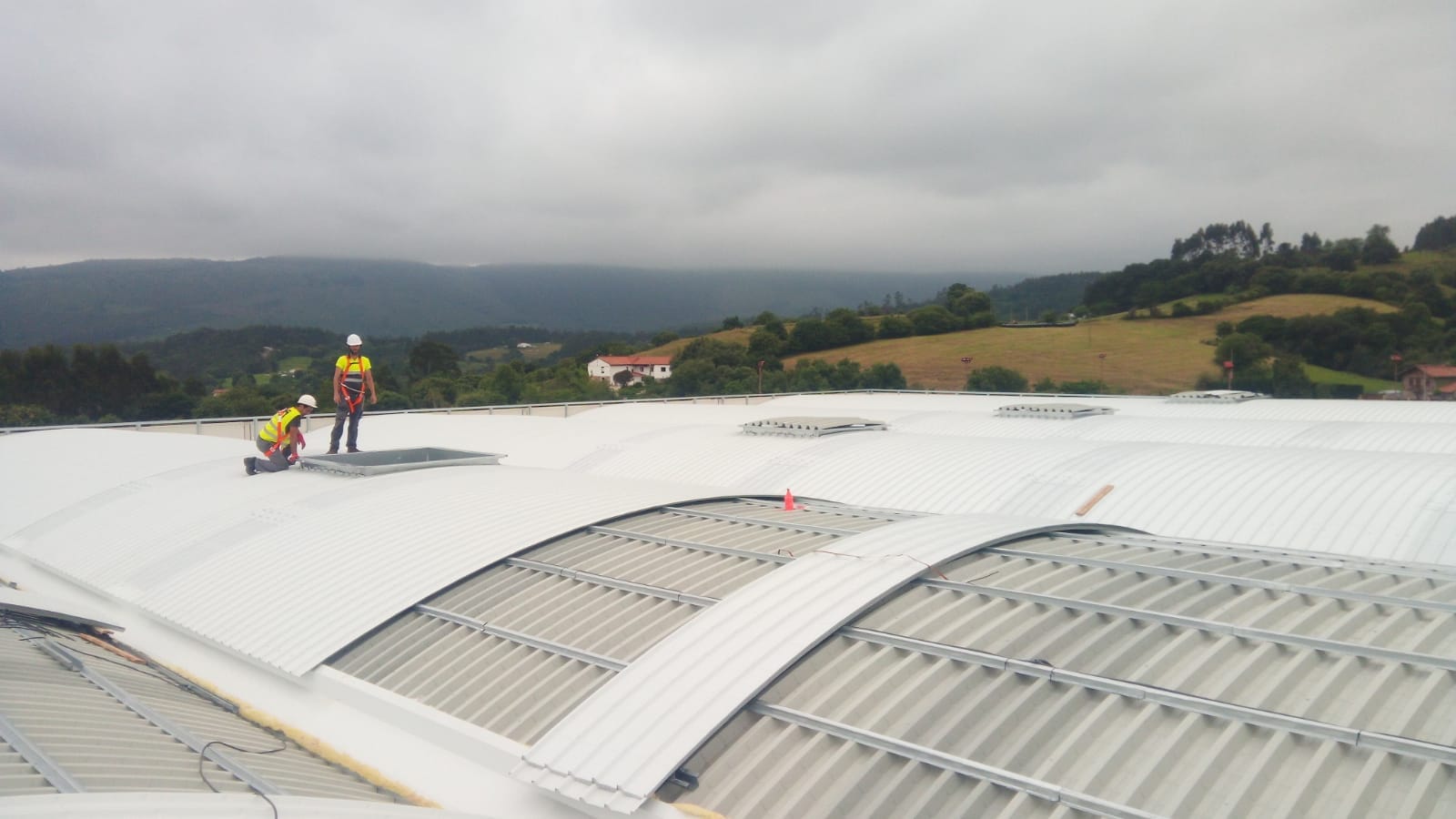
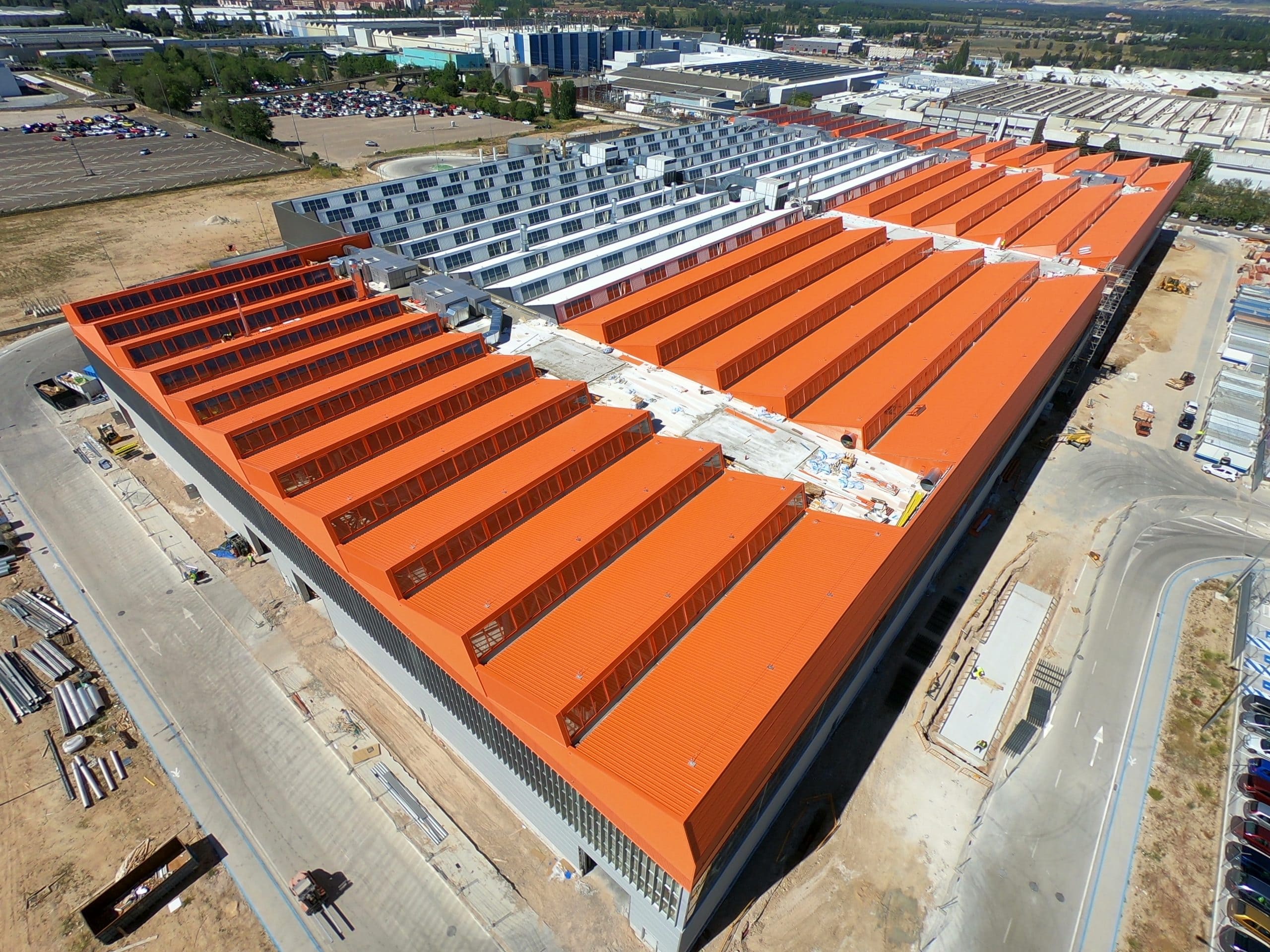
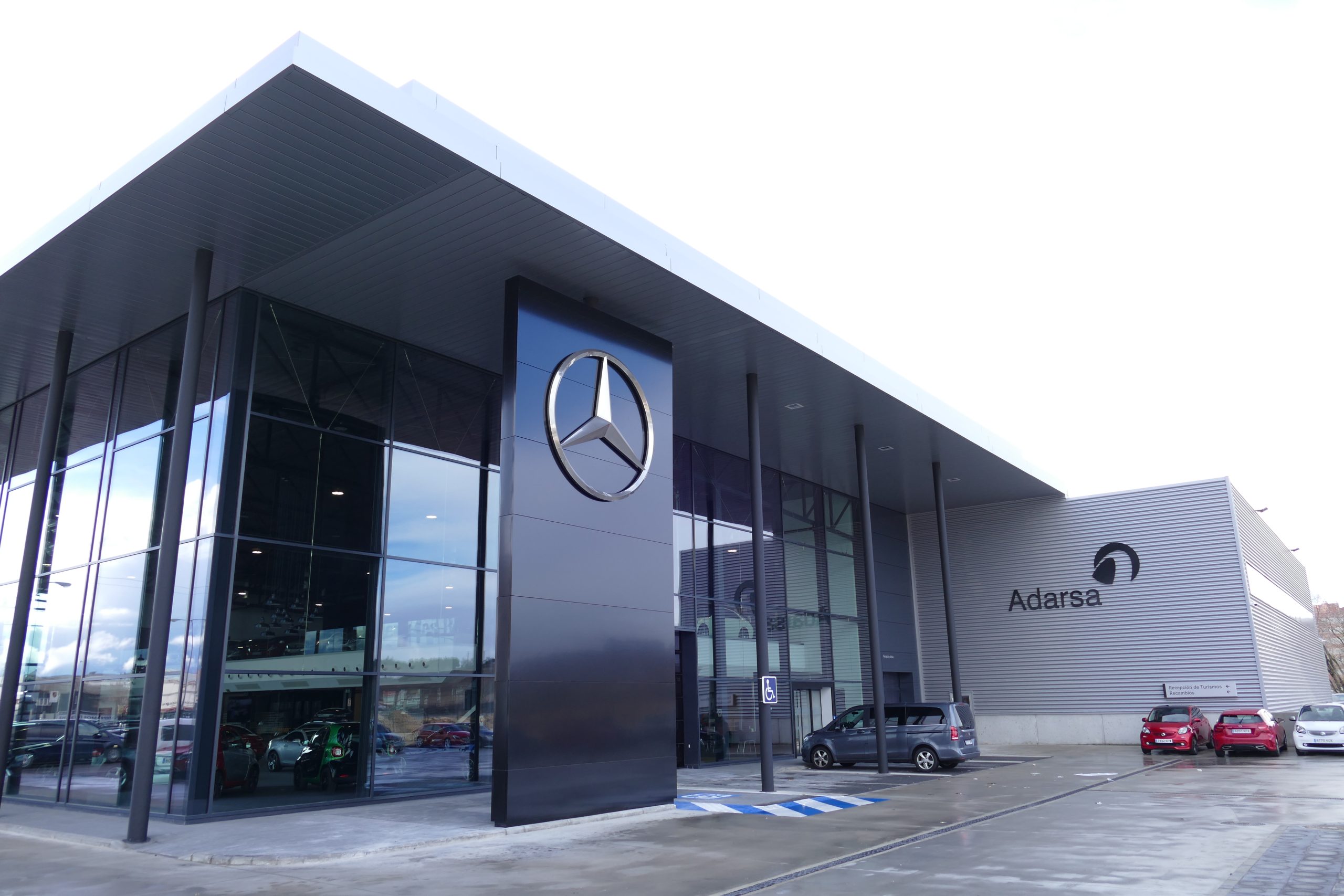
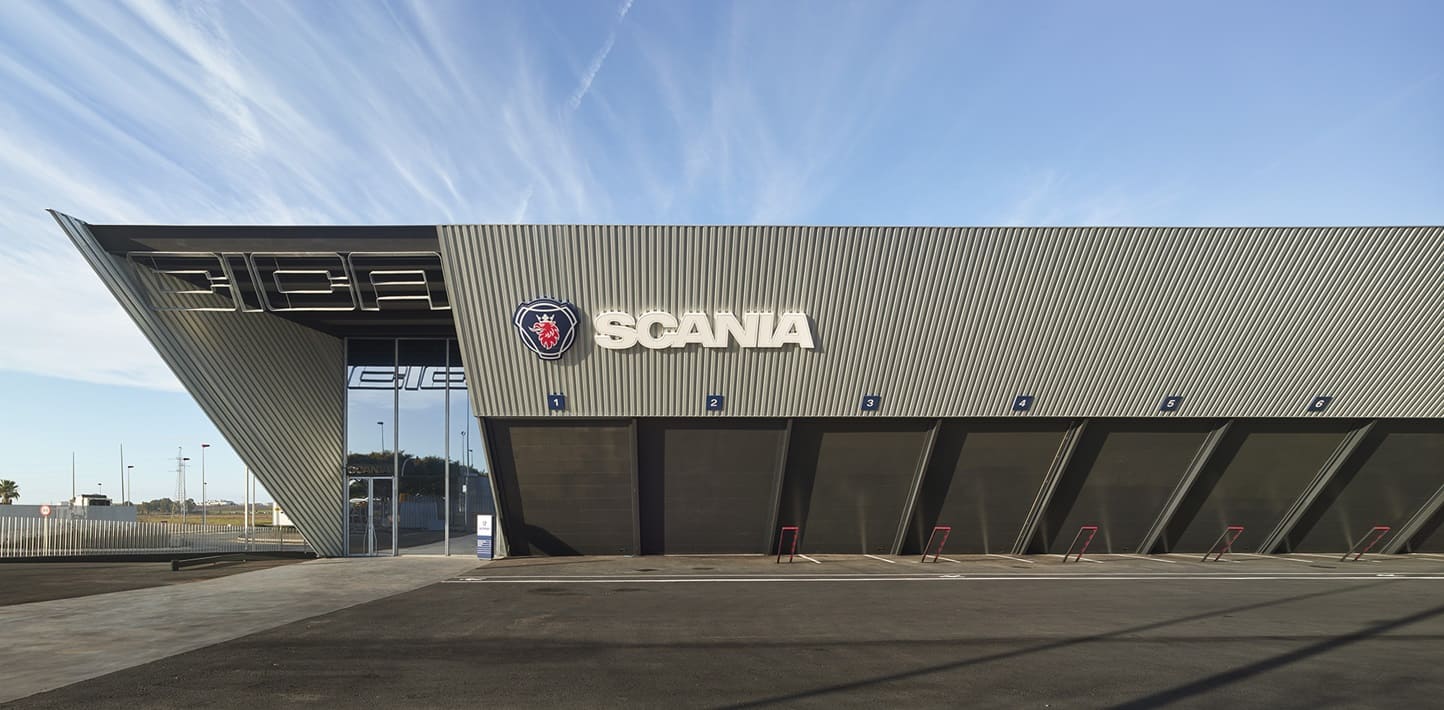
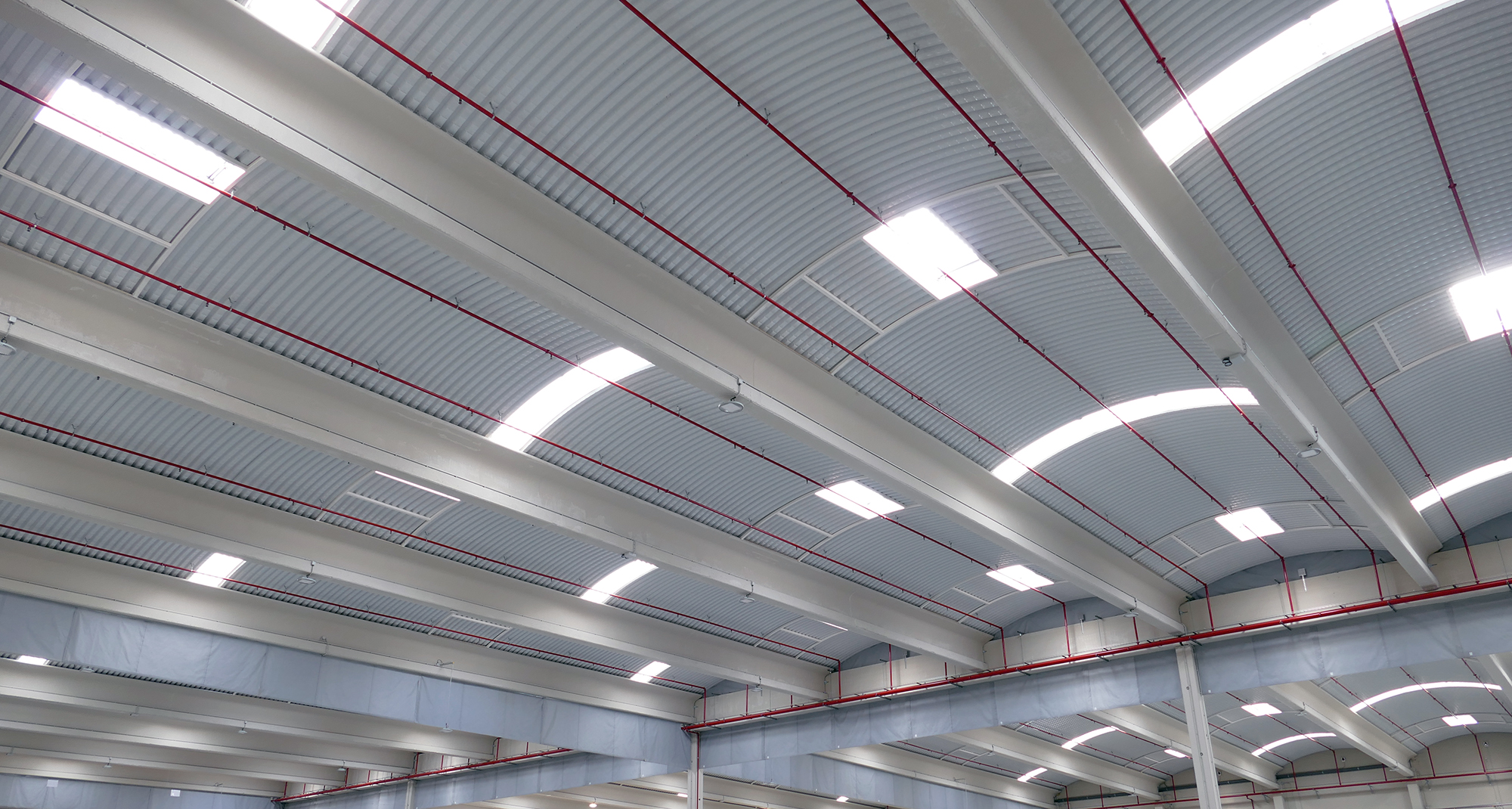
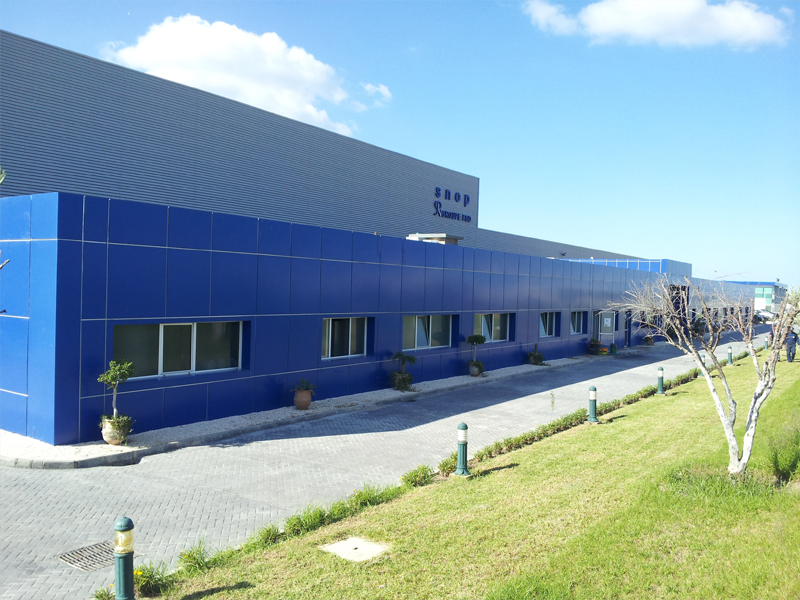
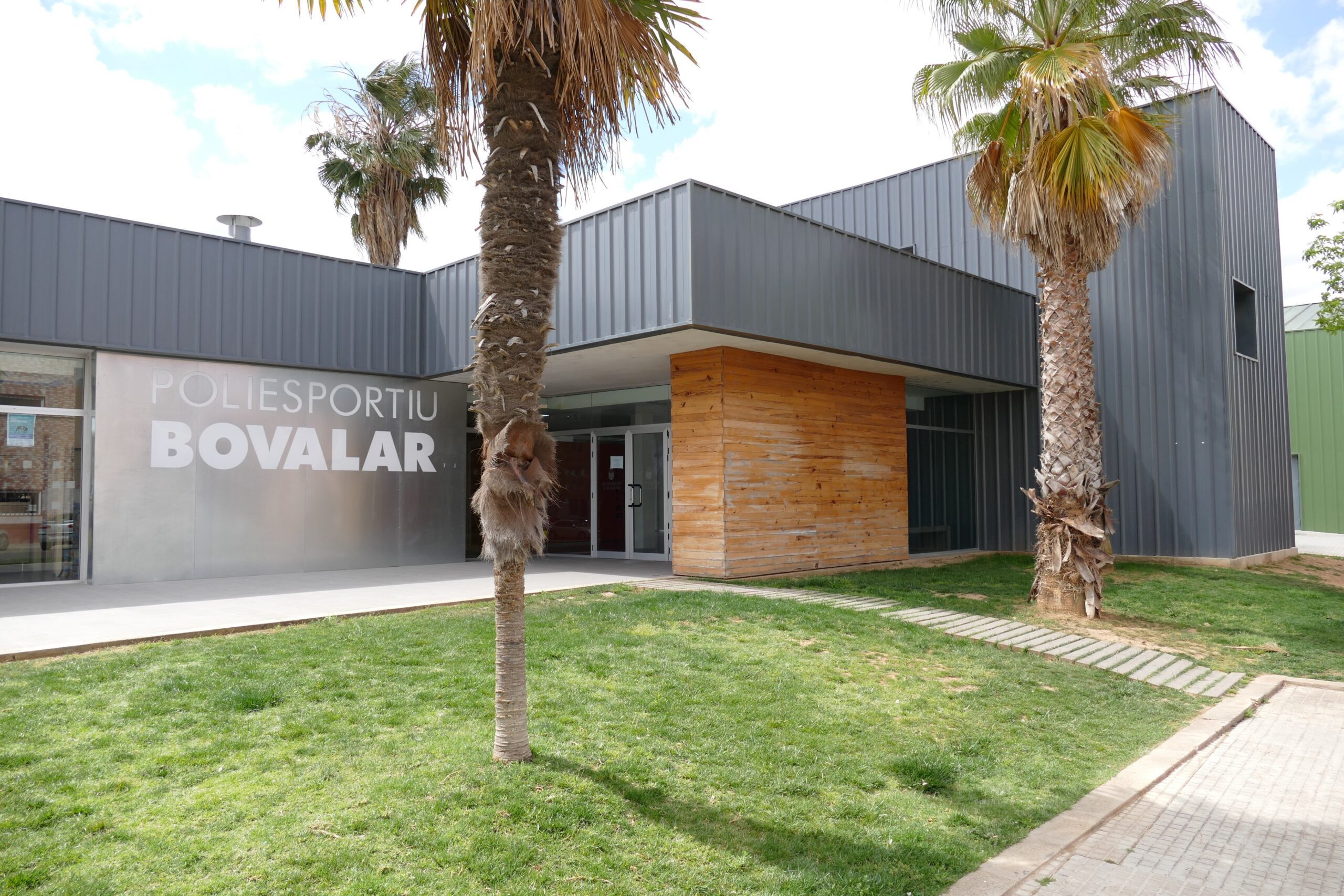
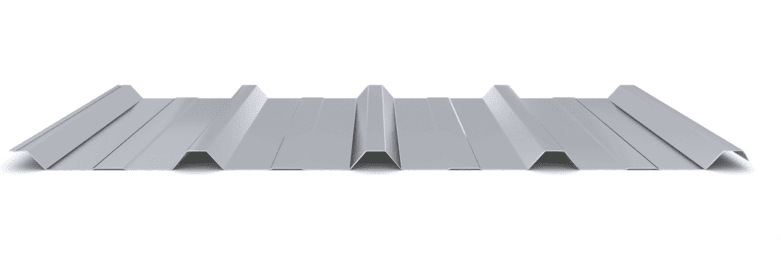
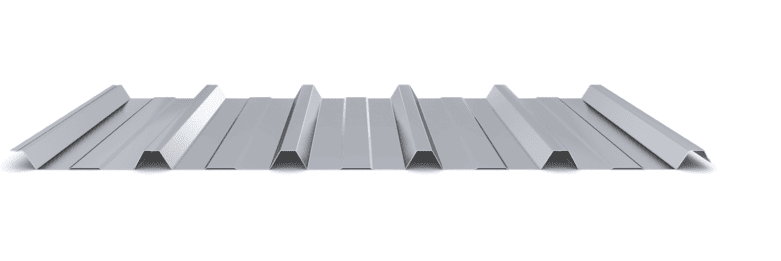
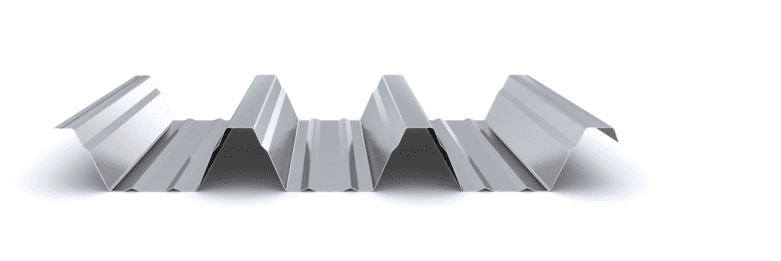
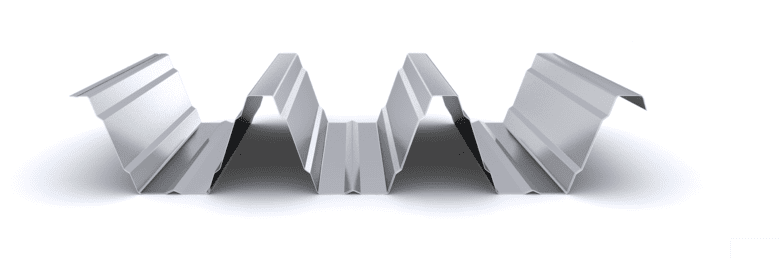
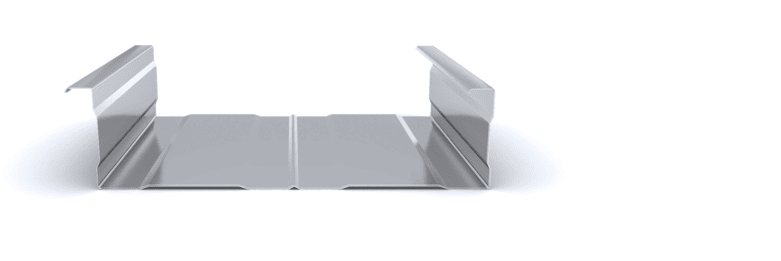
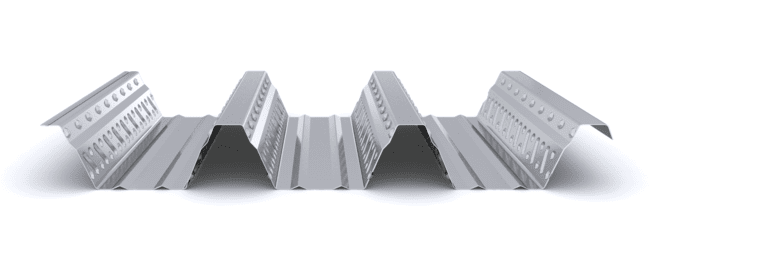
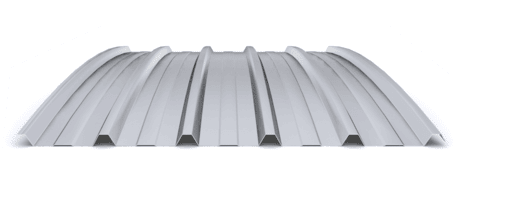
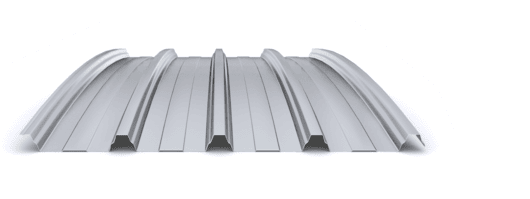
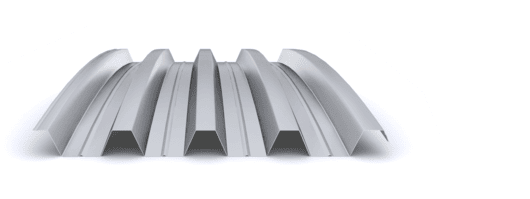
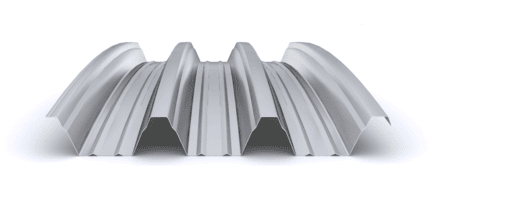
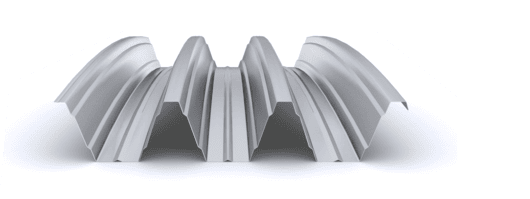
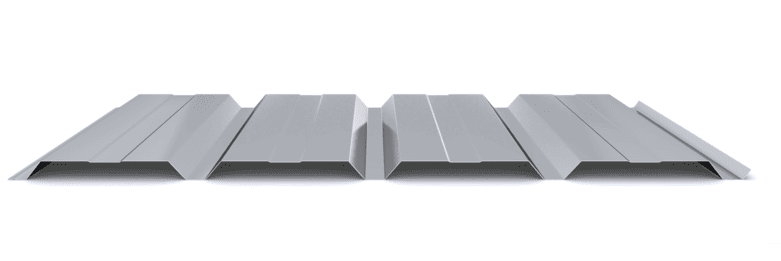
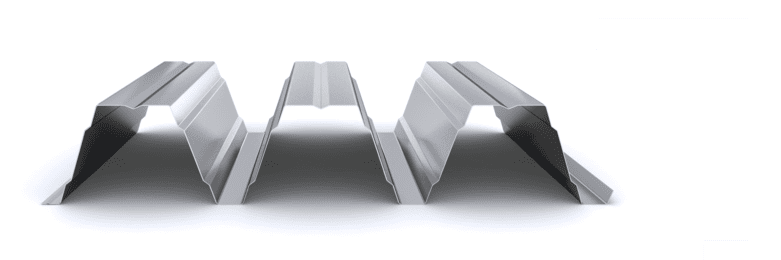
Steel is the most commonly used material in the manufacture of industrial enclosure profiles due to its mechanical properties and excellent formability. The application of zinc coatings and paint considerably improves its corrosion resistance. Other materials, such as Corten steel and aluminum, can also be used in the profiling process. Additionally, the perforated finish can be applied to any of these materials.

Steel

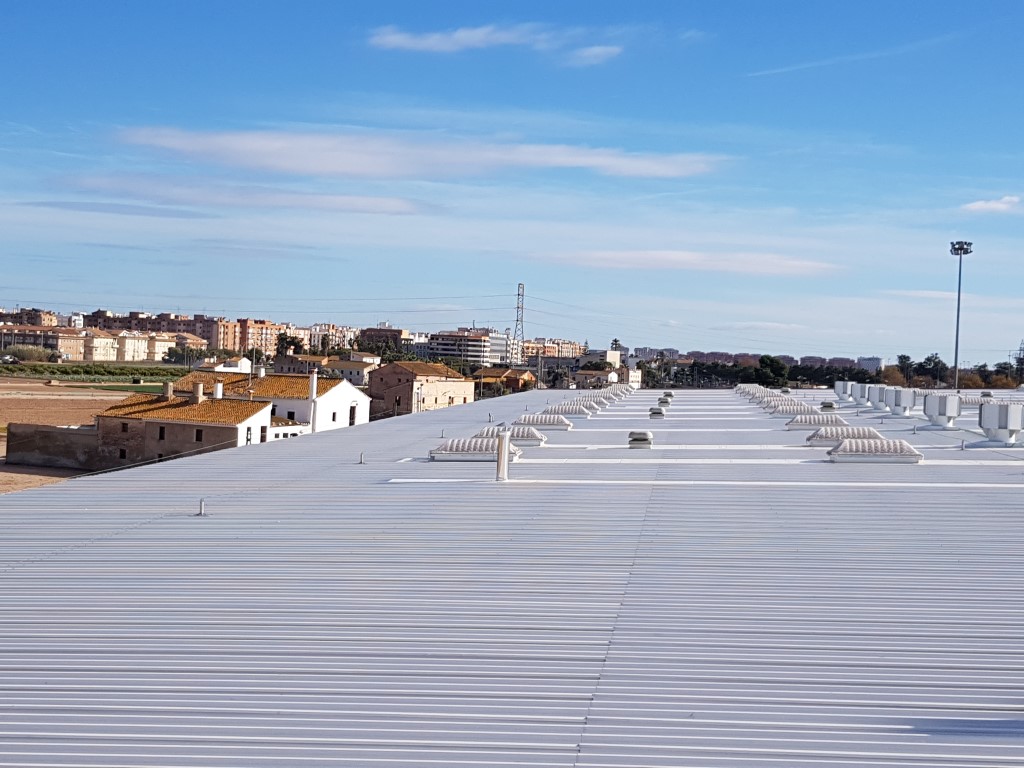
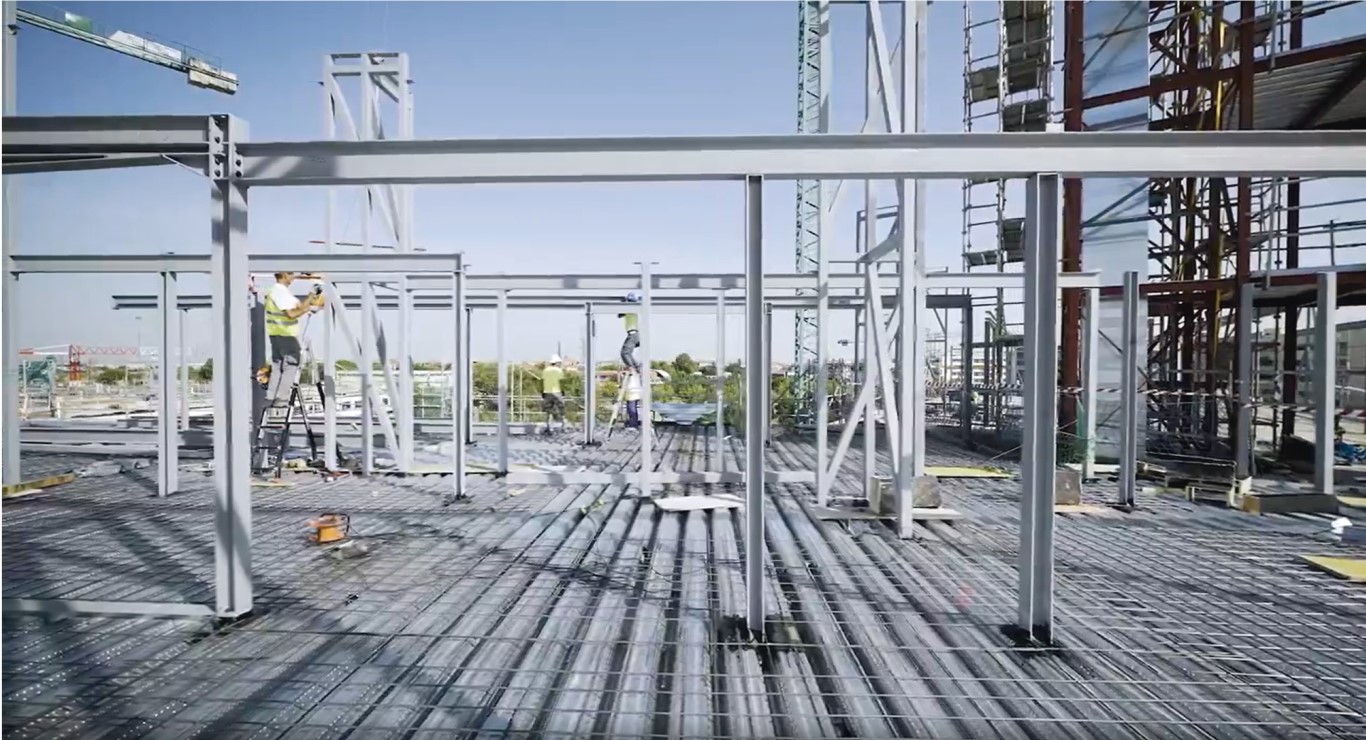
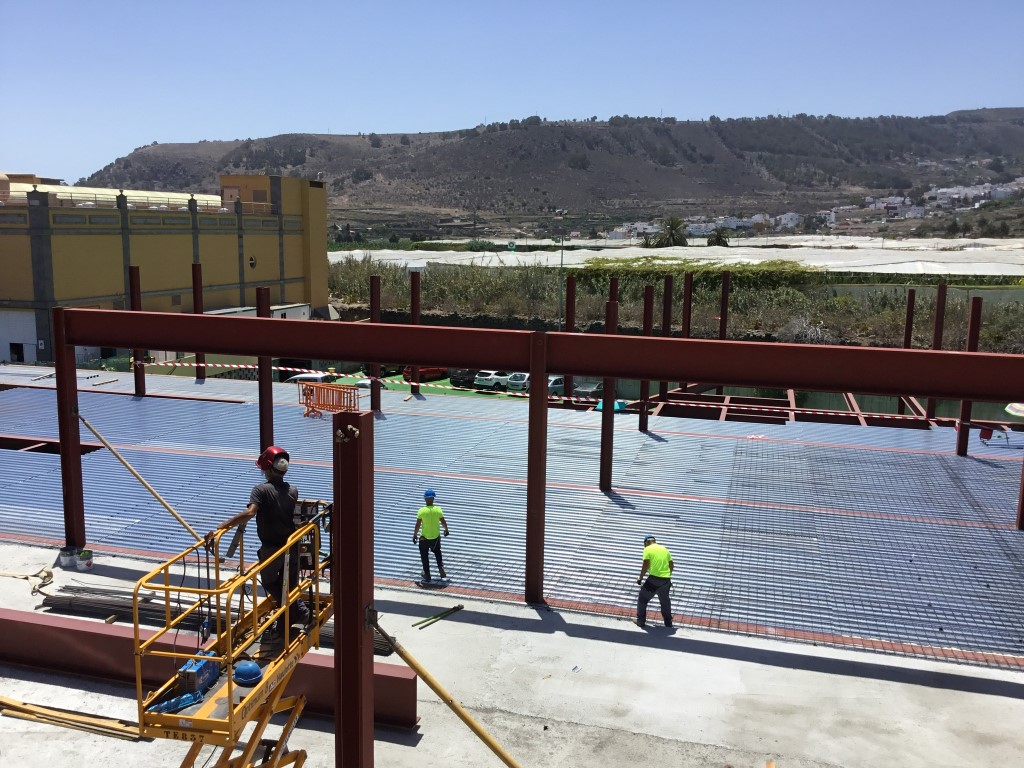
Steel for construction has significant advantages over other materials, such as resistance, lightness and durability, as long as adequate protection is guaranteed by a metallic zinc coating and a layer of paint to considerably improve its resistance to corrosion in environments. aggressive.

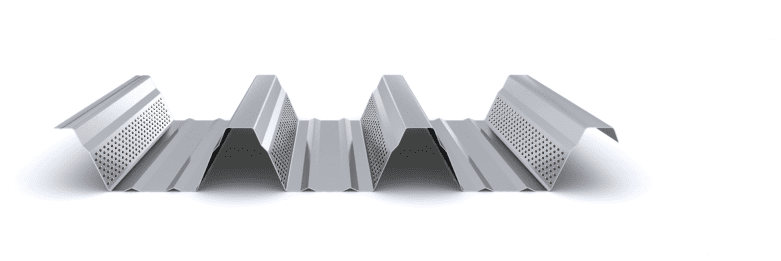
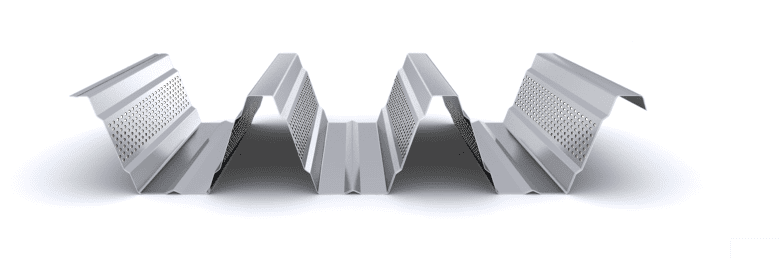
Perforated

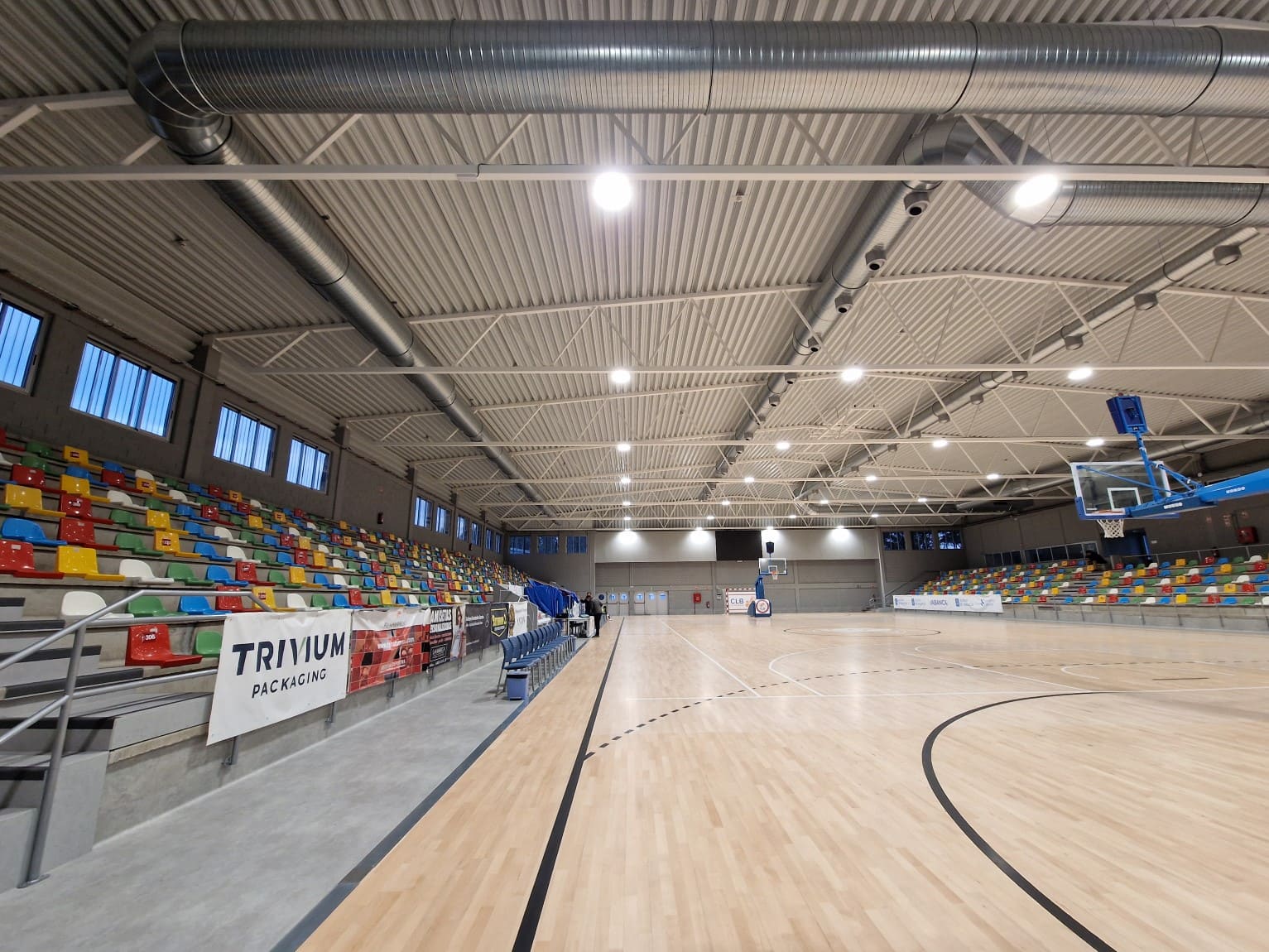
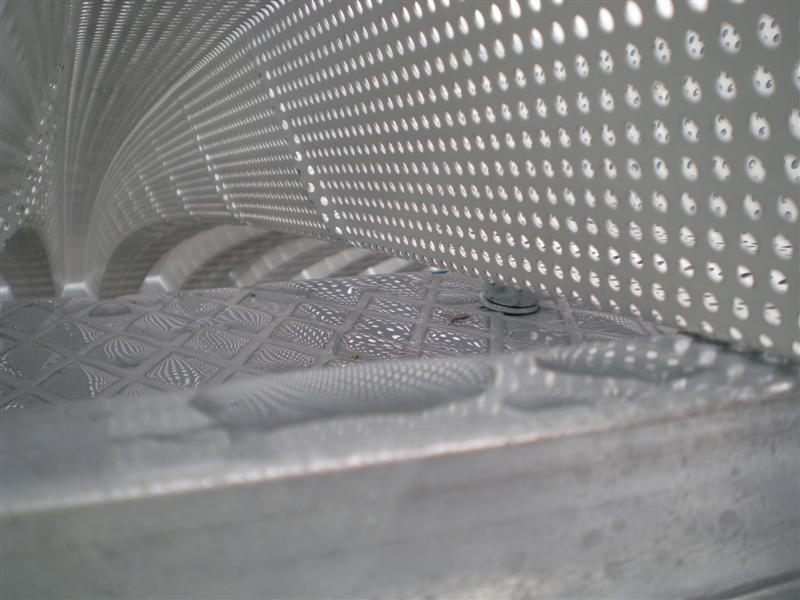
The perforated finish consists of perforating the material before being shaped, mainly in interior applications to improve acoustic absorption or outdoors to act as solar control.

Corten steel

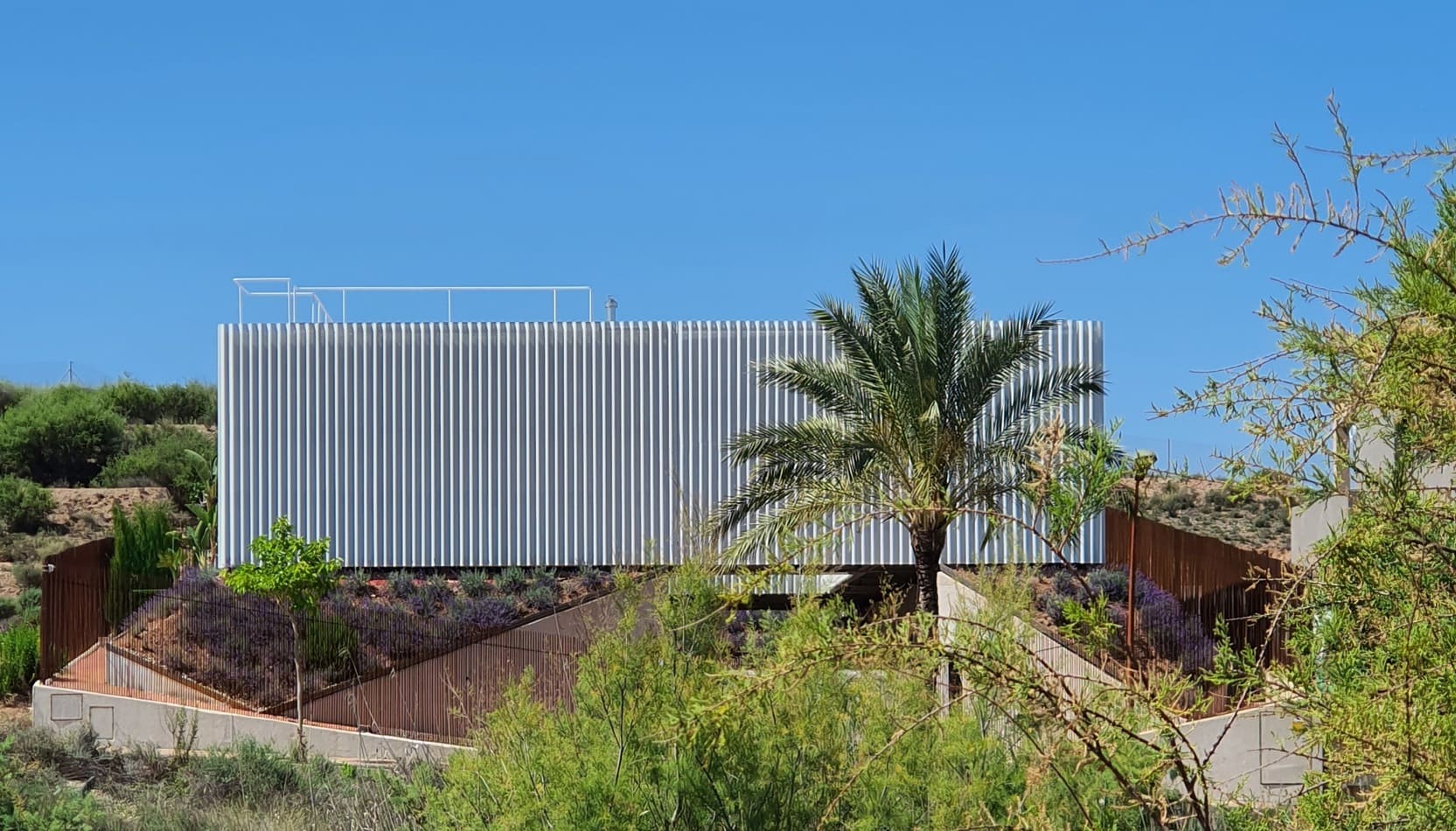
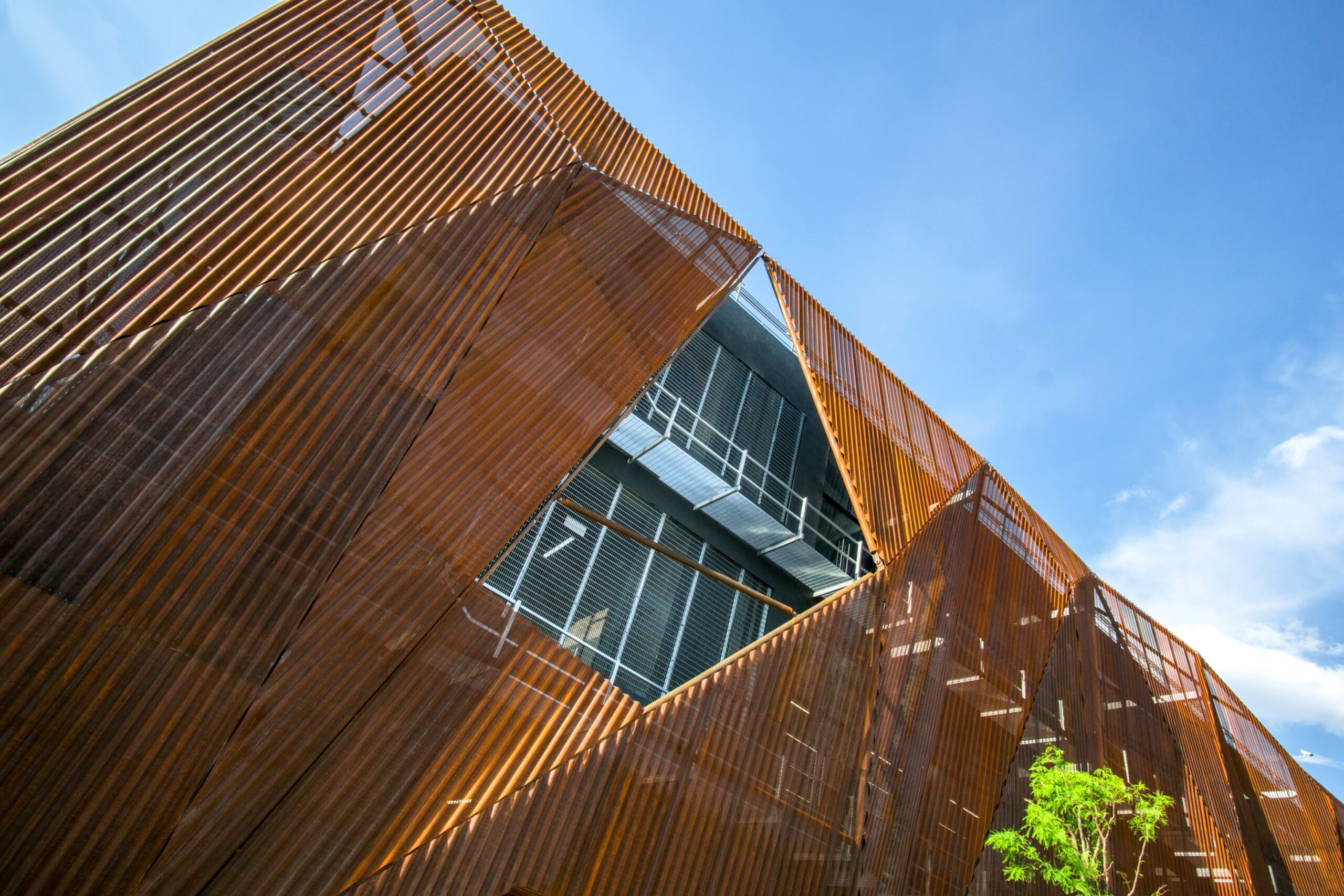
Corten steel stands out for its resistance to atmospheric corrosion and its characteristic appearance, thanks to a protective oxide layer formed by its copper and chromium alloy, being ideal for facade applications with minimal maintenance.

Aluminium

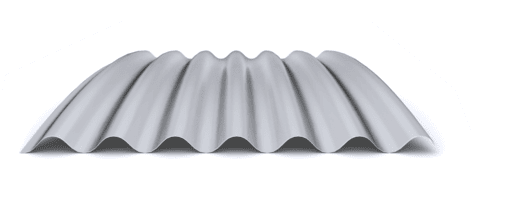
Aluminum is a material widely used in construction due to its strength, durability, low weight and finish. At Incoperfil, we have acquired experience in the manufacture of corrugated aluminum profiles for application in industrial enclosures, offering high quality products.


Start designing yout project

Request calculation report

Complete the form below to receive a detailed report justifying the most suitable enclosure profile. You will receive the information as soon as possible.
Building characteristics
Industrial roof application loads
(1) For sections of the roof profile with 2, 3, 4 or more supports, indicate the greatest distances between supports that appear in your project.
Type of environment
Attached documentation
Additional comments
Contact information
Project data
Building characteristics
Application loads for the industrial facade
(1) For sections of the façade profile with 2, 3, 4 or more supports, indicate the greatest distances between supports that are presented in your project.
Type of environment
Attached documentation
Additional comments
Contact information
Project data
Building characteristics
Deck loads
(1) For sections of the roof profile with 2, 3, 4 or more supports, indicate the greatest distances between supports that appear in your project.
Type of environment
Attached documentation
Additional comments
Contact information
Project data
Structure features
Composite slab characteristics
(1) For the sections of the composite slab with 2, 3, 4 or more supports, indicate the greatest distances between supports that appear in your project. Span length < 5,00 m.
Type of environment
Attached documentation
Additional comments
Contact information
Project data
Building characteristics
Characteristics of the facade
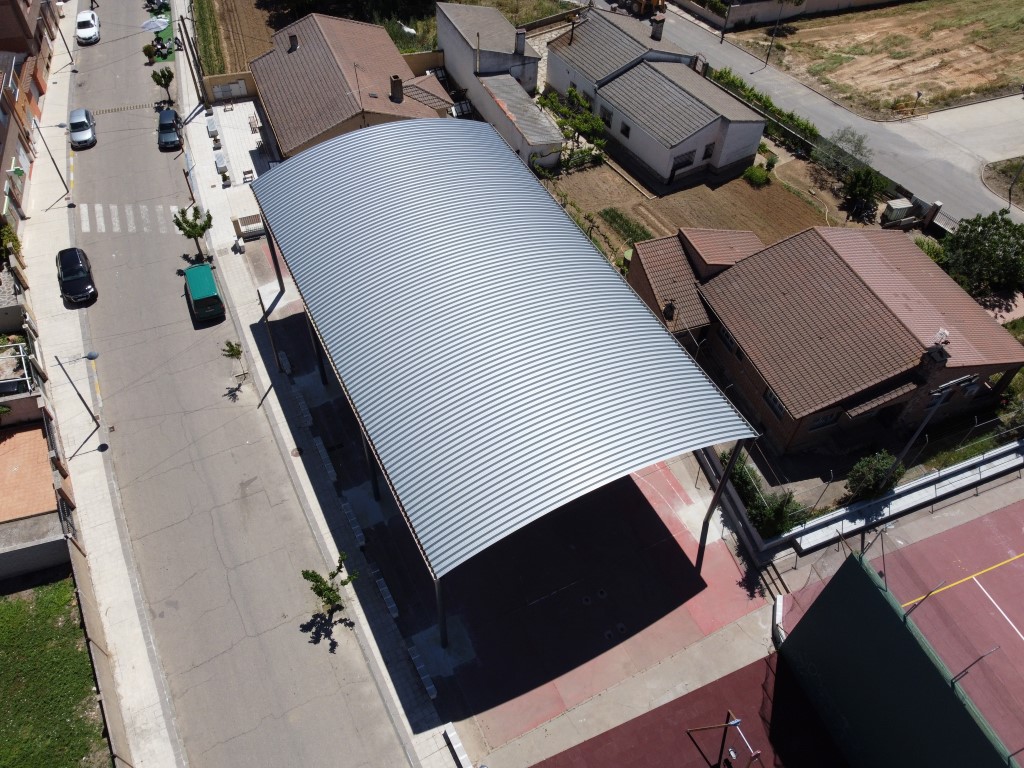
Roof typology

(1) Indicate the length of the span of the arch, which is the greatest horizontal distance between the supports of the curved roofing.

(2) Plan-view dimension representing the full length of the curved roof measured perpendicular to the arch span.

(3) Specify the obstructed area under the canopy, in square meters, as a proportion of the total area of the front or side (transverse or longitudinal) façade, in order to calculate the obstruction factor. If it is a closed construction or there is no obstruction area, indicate 0 m².

Environment characteristics
Type of environment
Attached documentation
Additional comments
Contact information
Project data