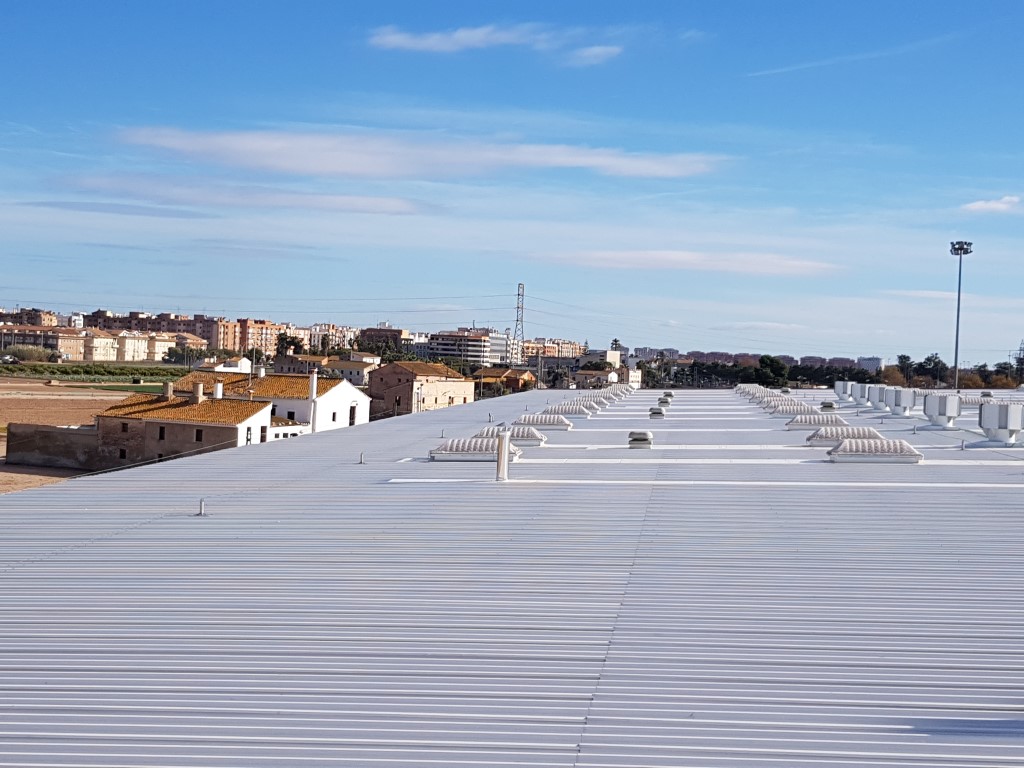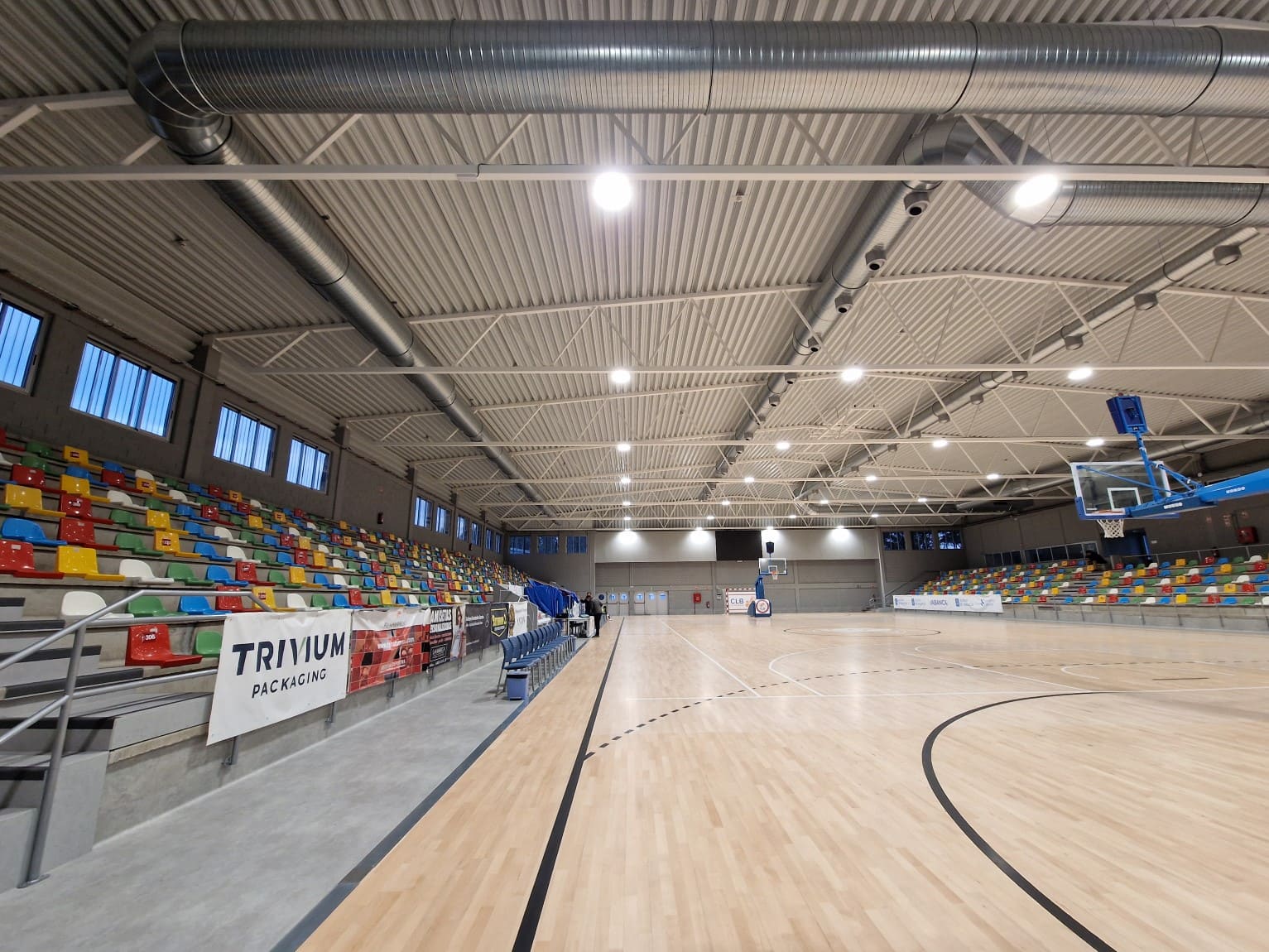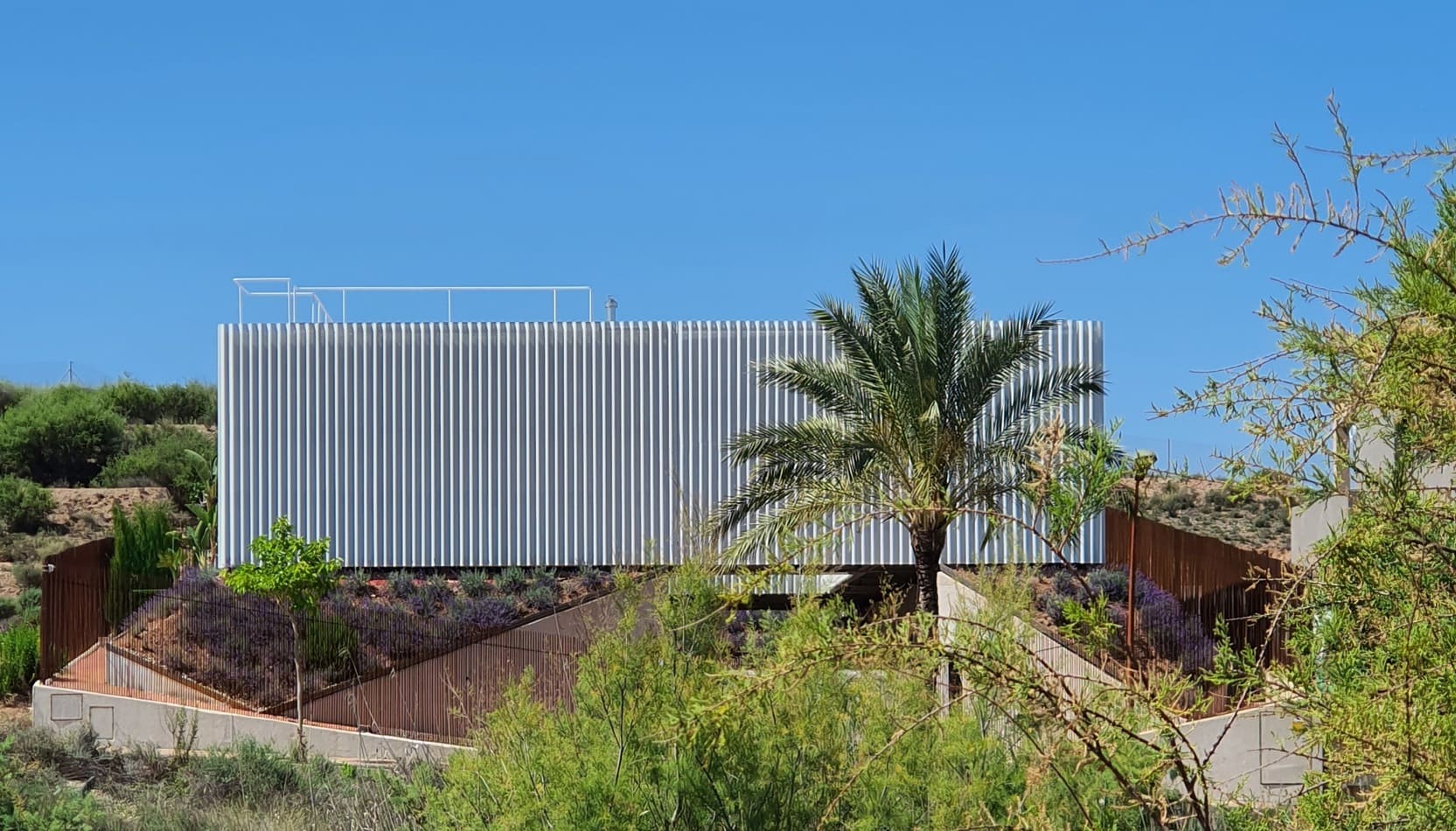
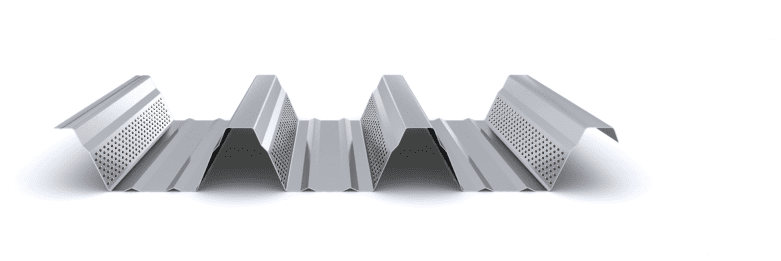
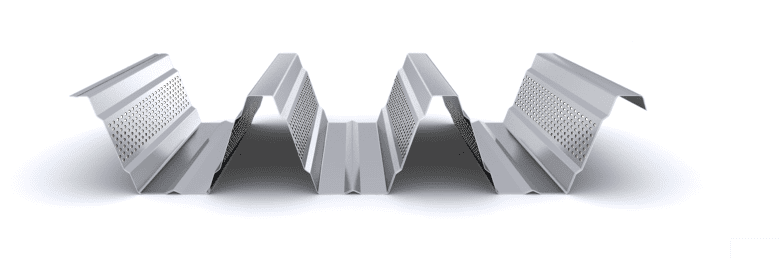
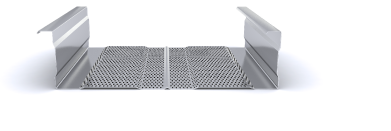
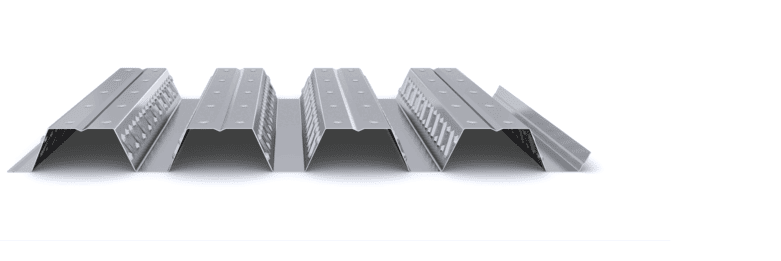
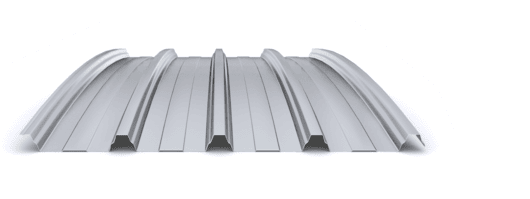
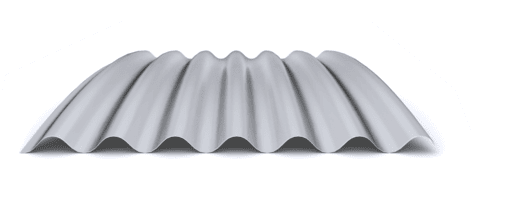
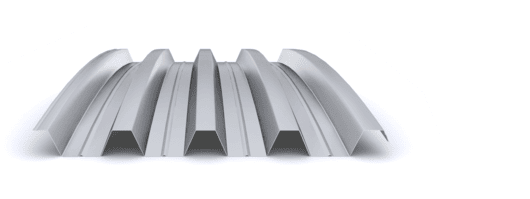
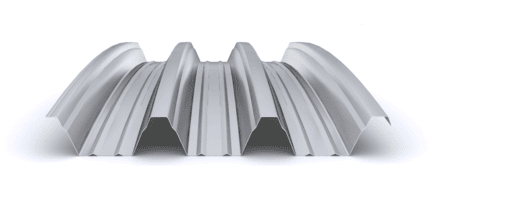
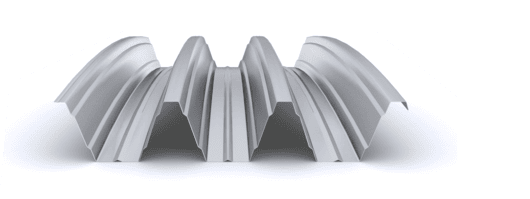
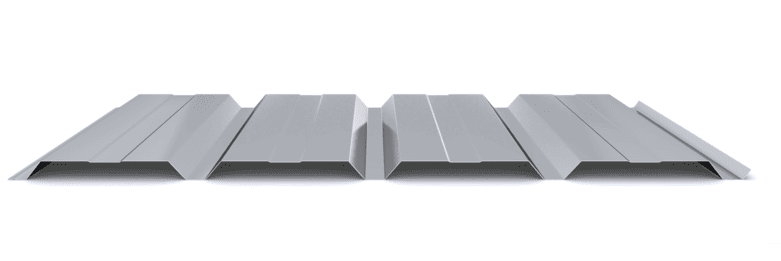
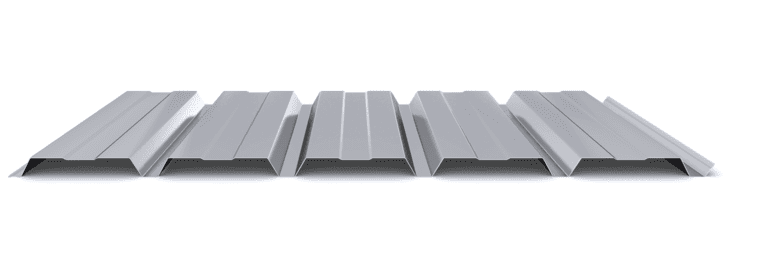
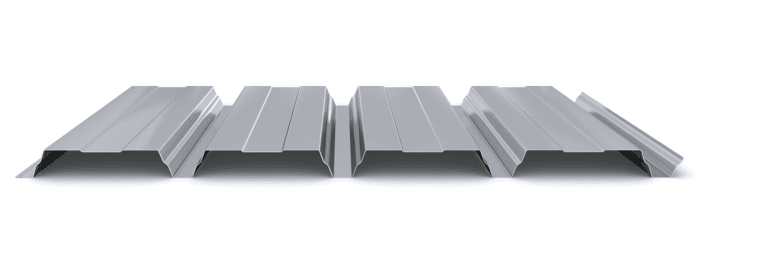
The deck roofing system is a solution used in the industrial construction sector due to its structural efficiency, quick installation, and ability to integrate thermal and acoustic insulation.
This type of roof combines different materials, such as profiled sheet metal, insulation, and waterproofing membrane, to offer a versatile and durable system.
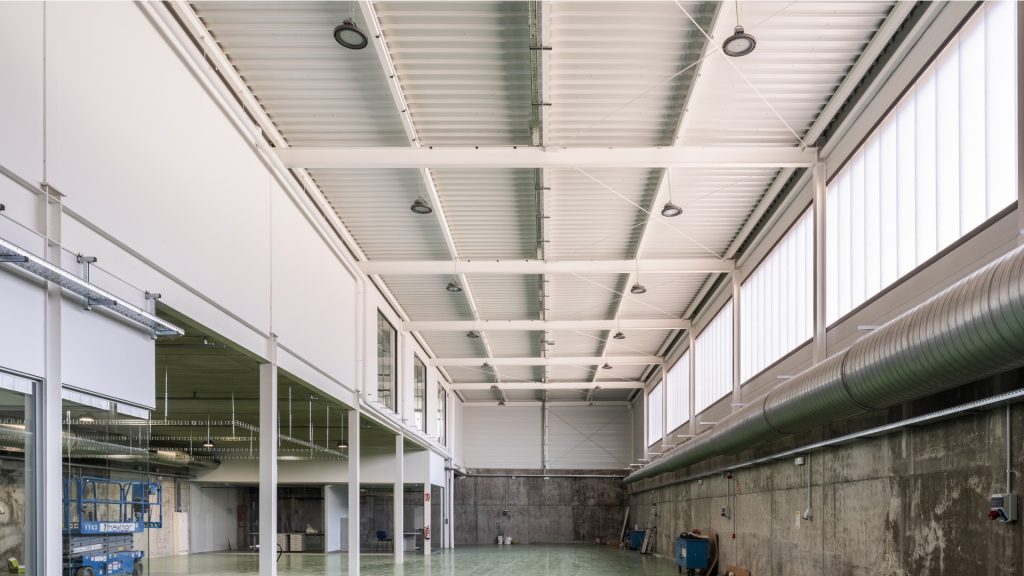
It is frequently used in industrial warehouses, logistics centers, and commercial buildings due to its load-bearing capacity, improved energy efficiency, and reduced construction times.
At Incoperfil, we offer deck roofing systems tailored to the needs of each project, ensuring compliance with current regulations and the highest quality materials used.
Today we want to help you learn about all its features, benefits, and key technical aspects in detail.
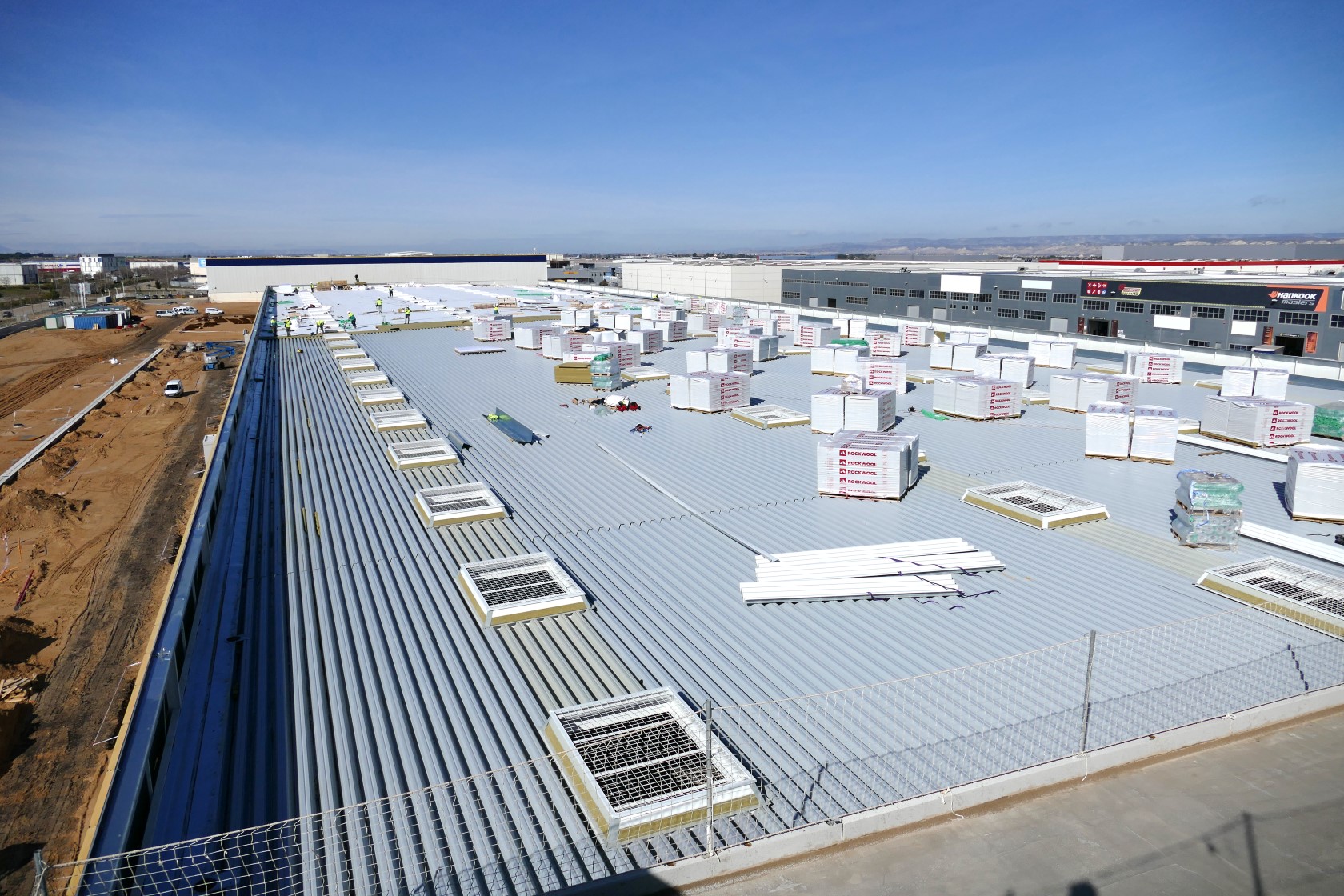
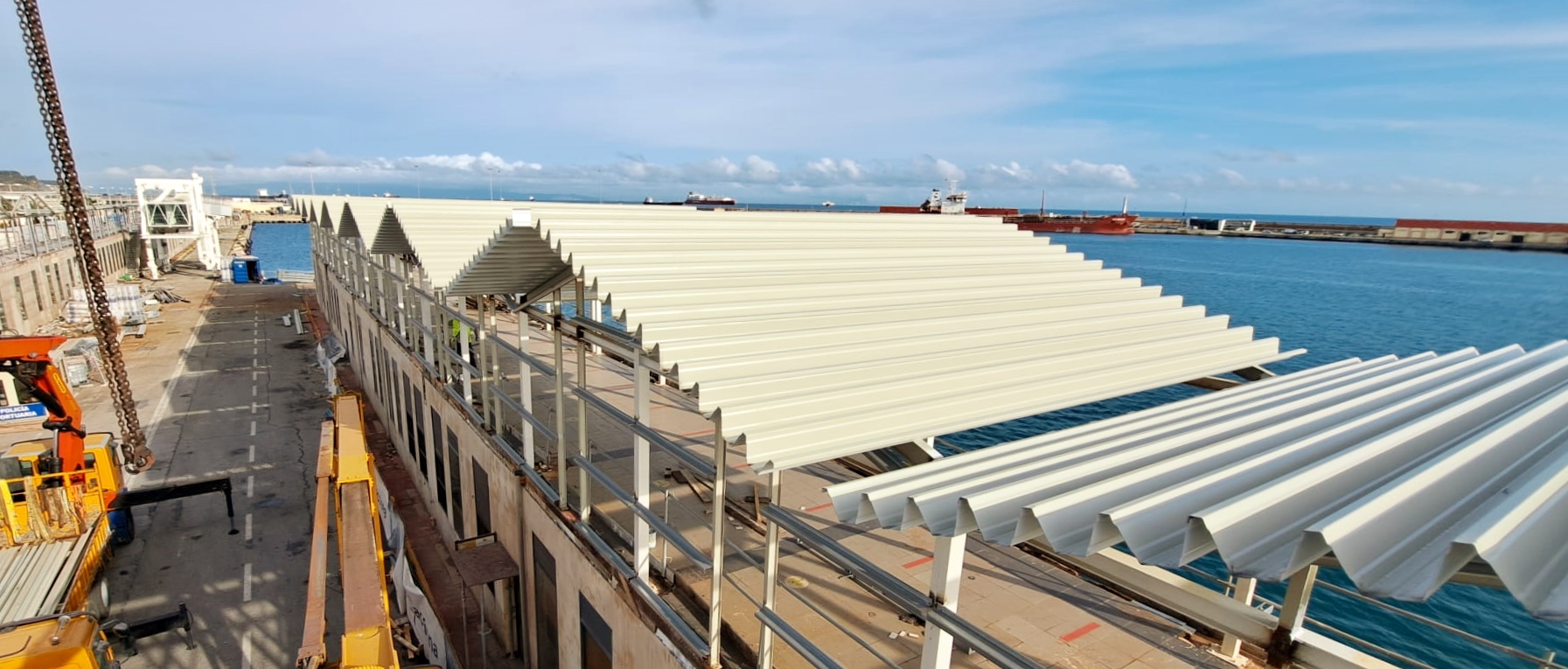
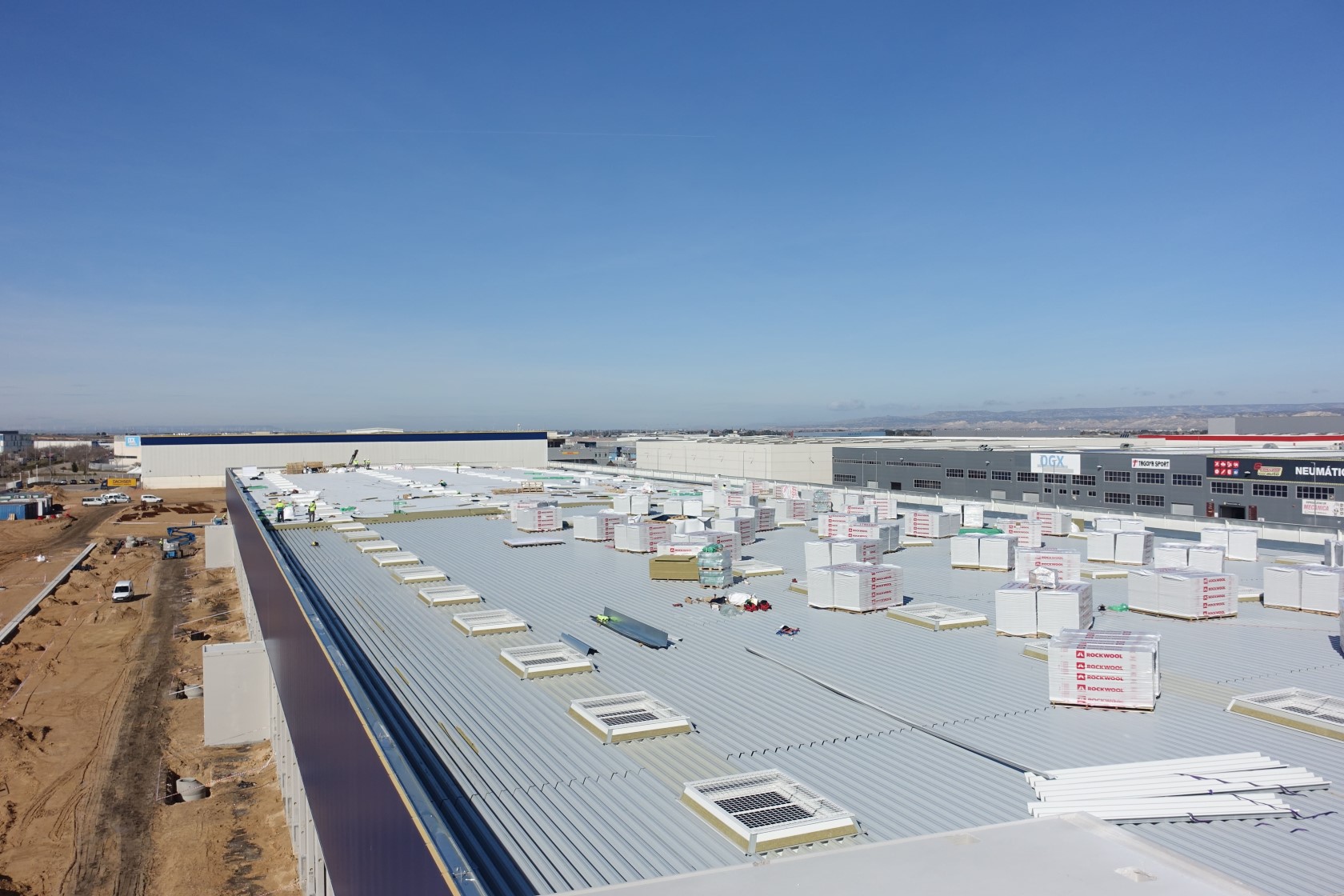
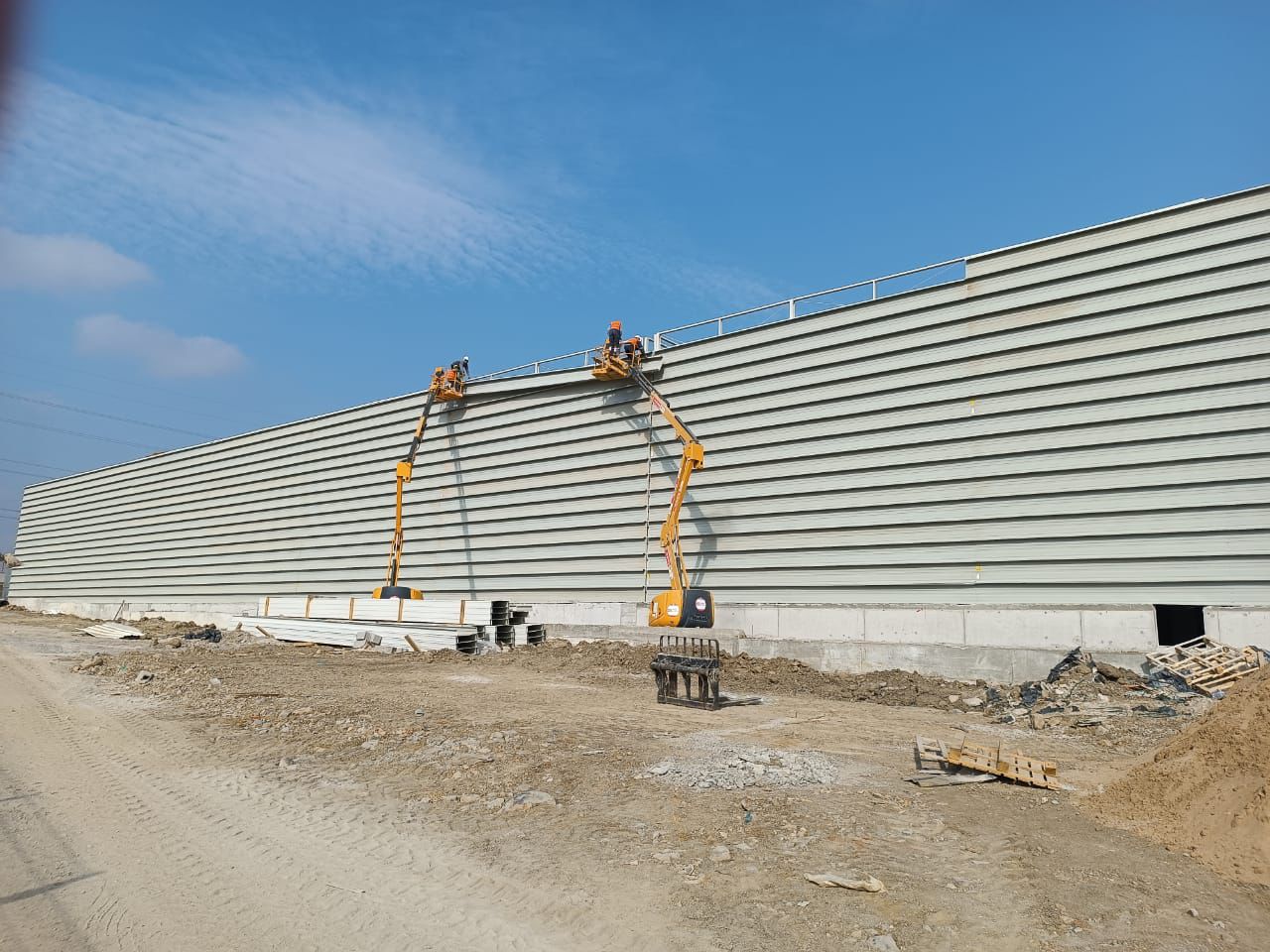
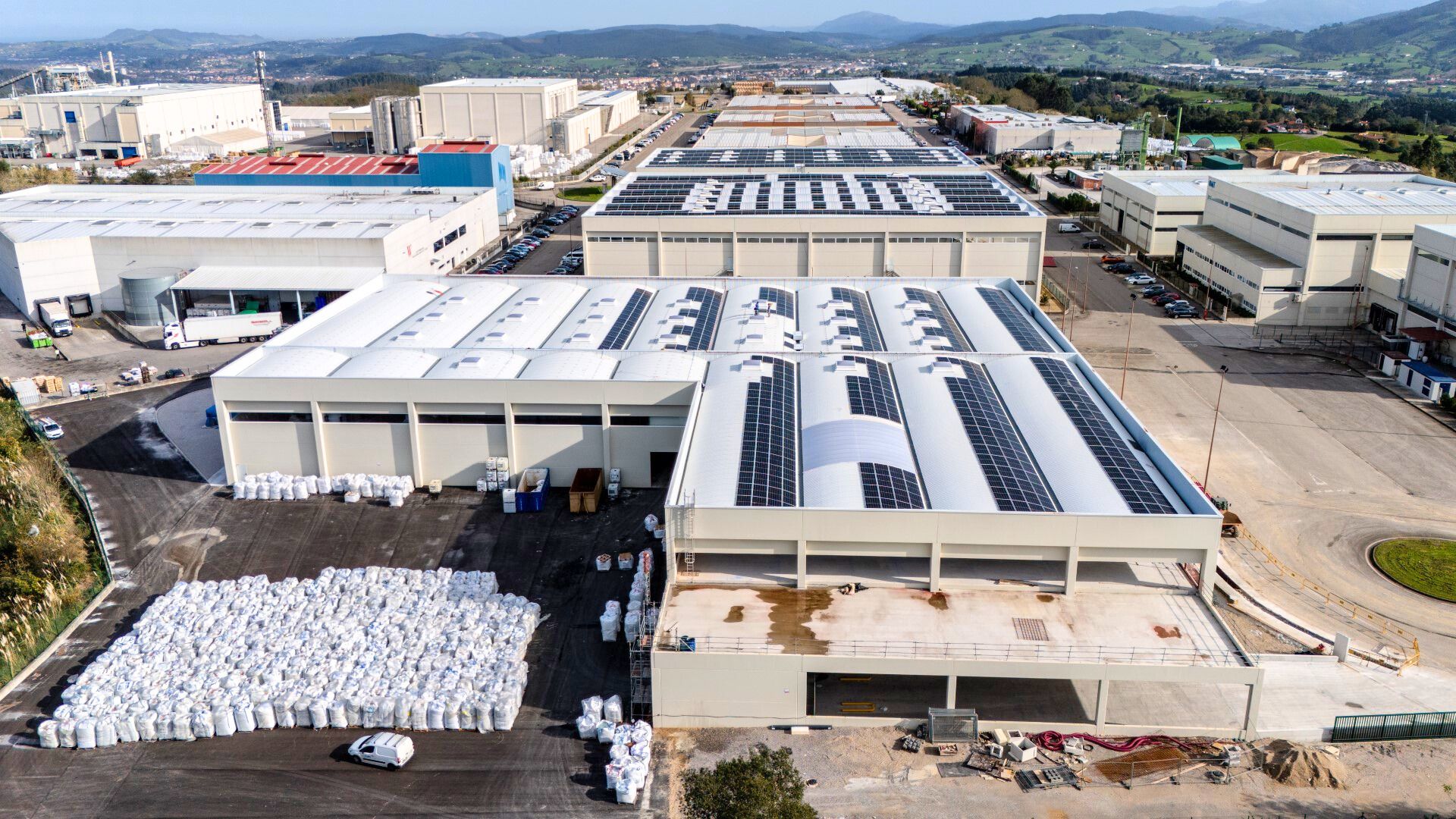
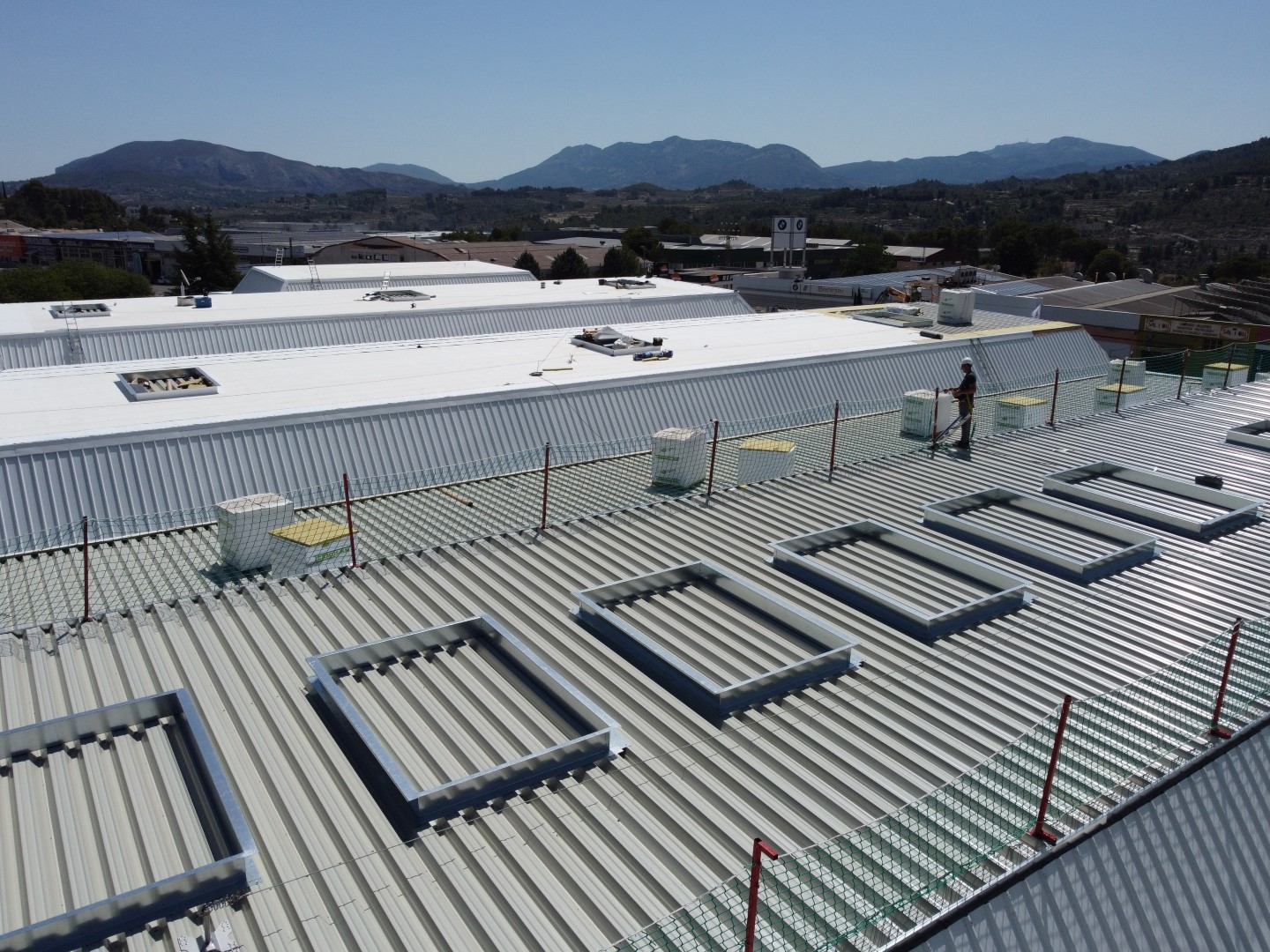
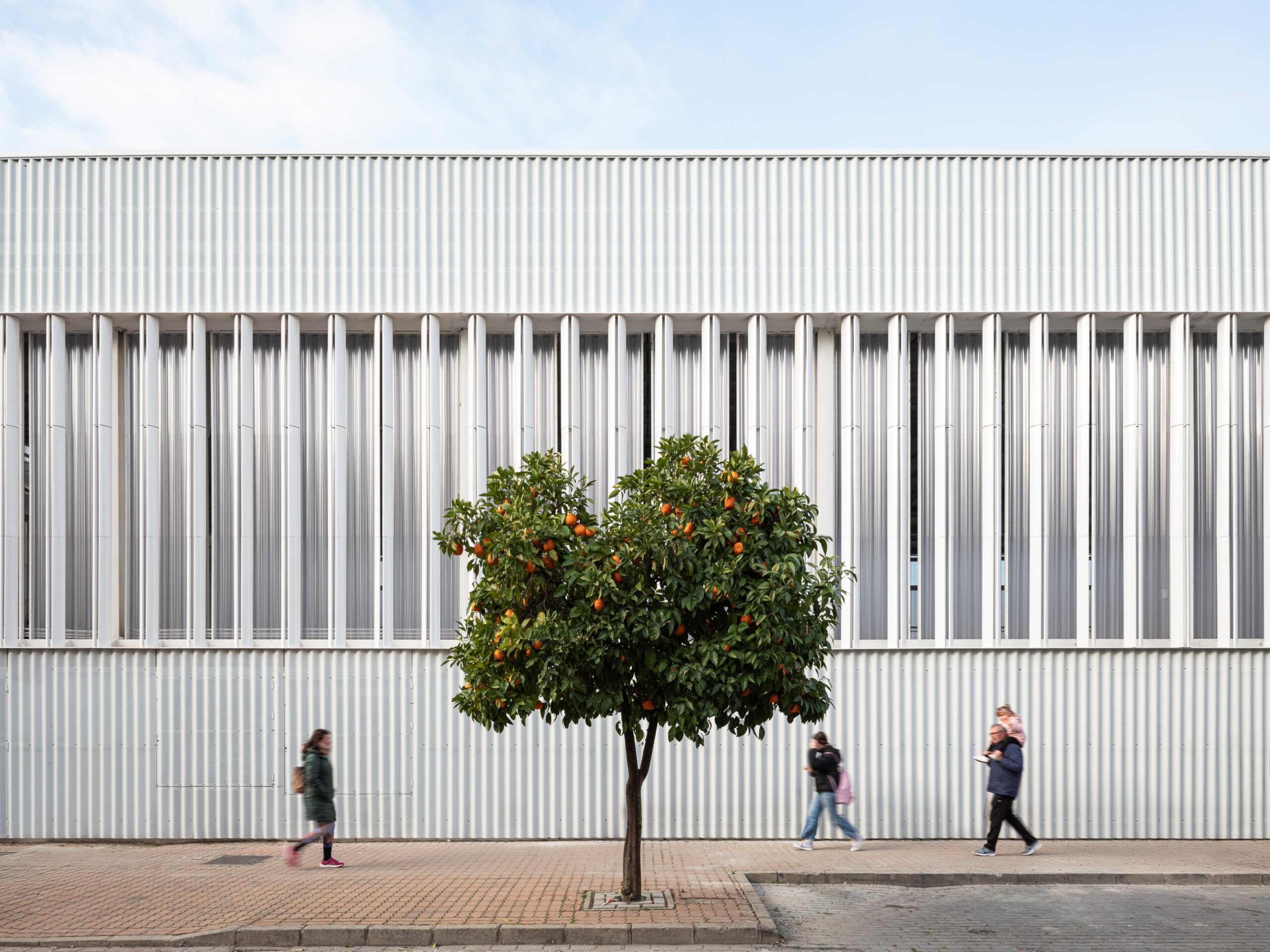
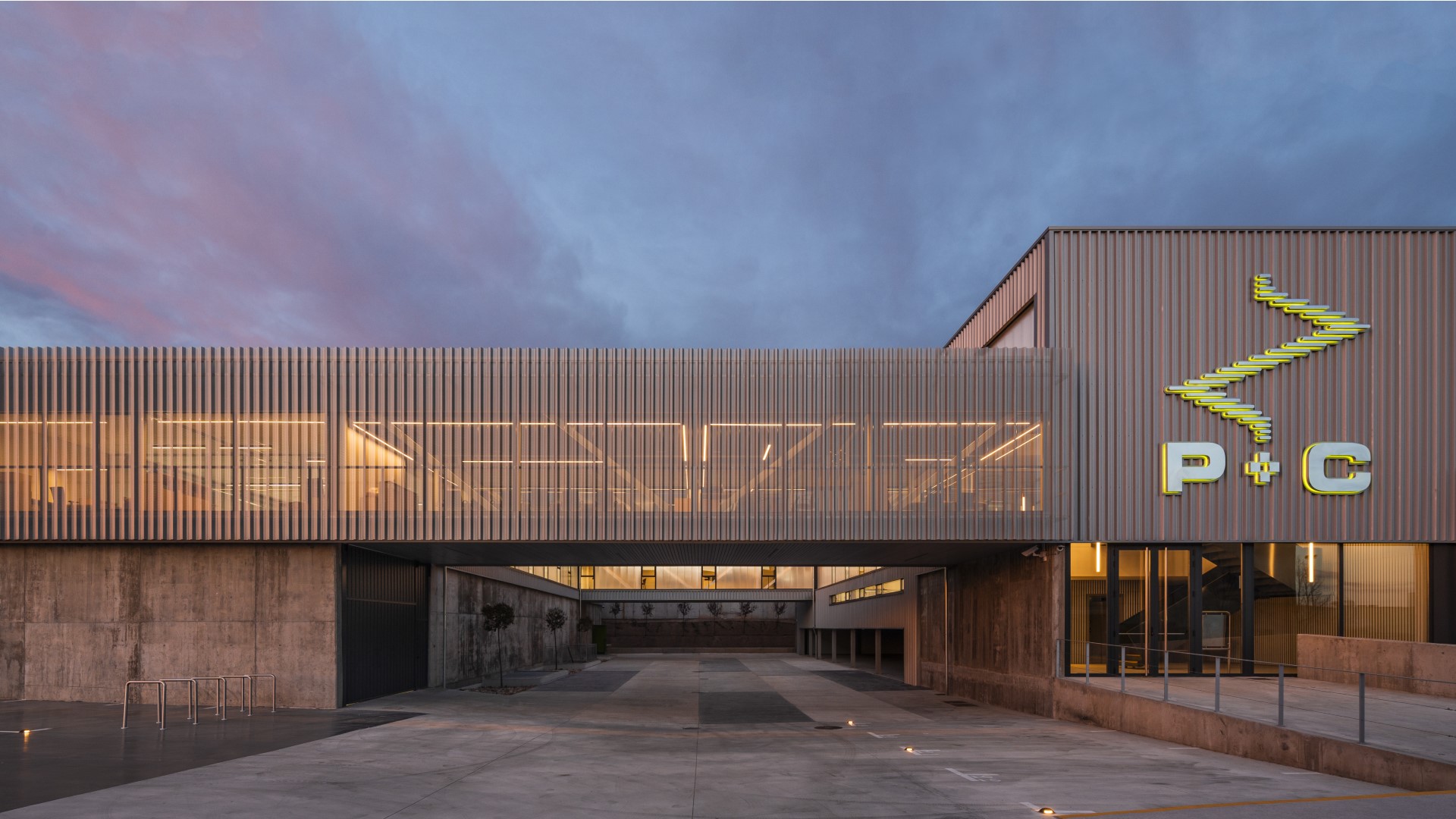
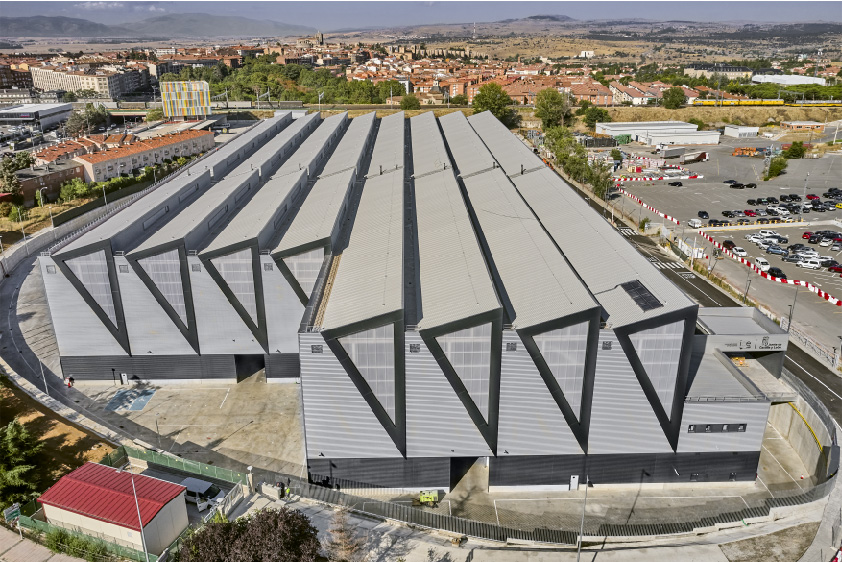
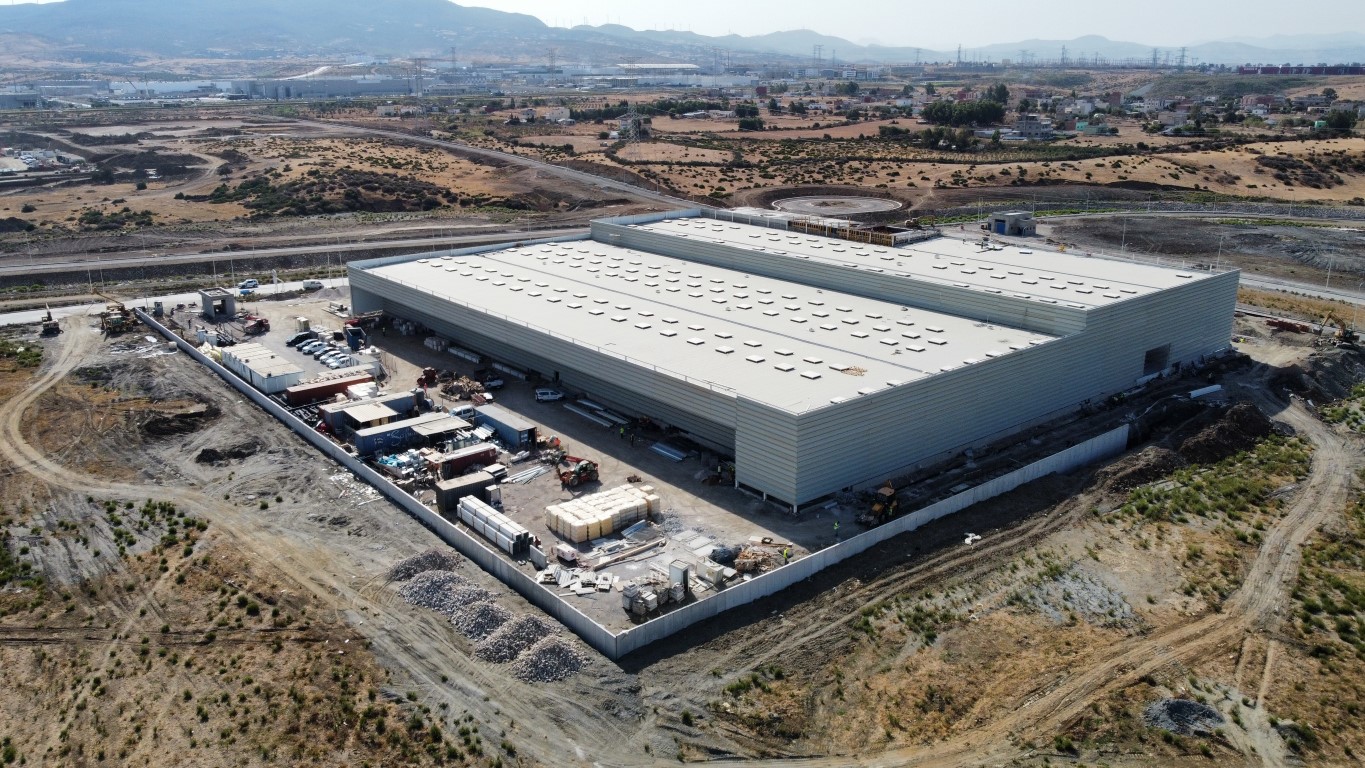
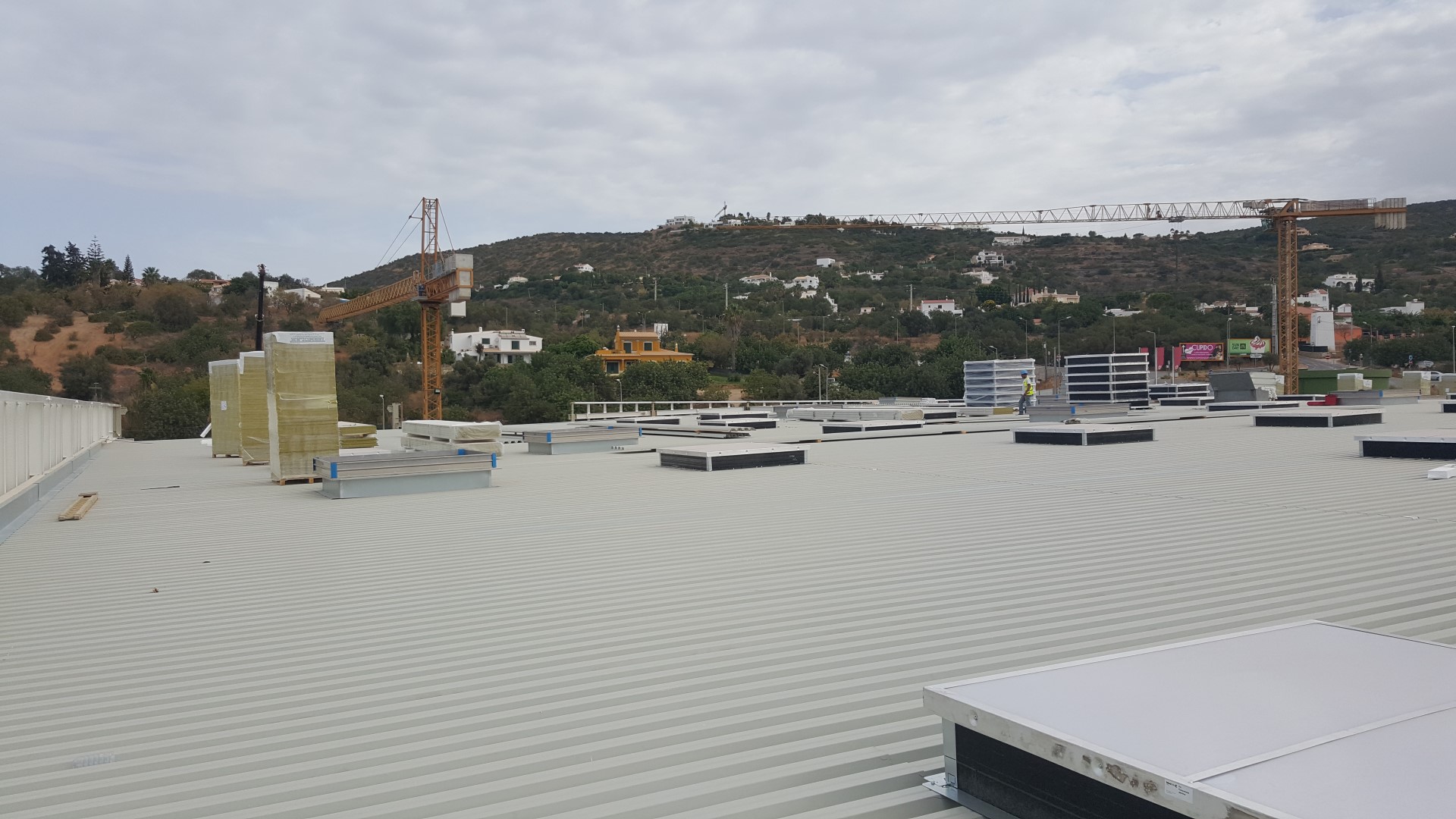
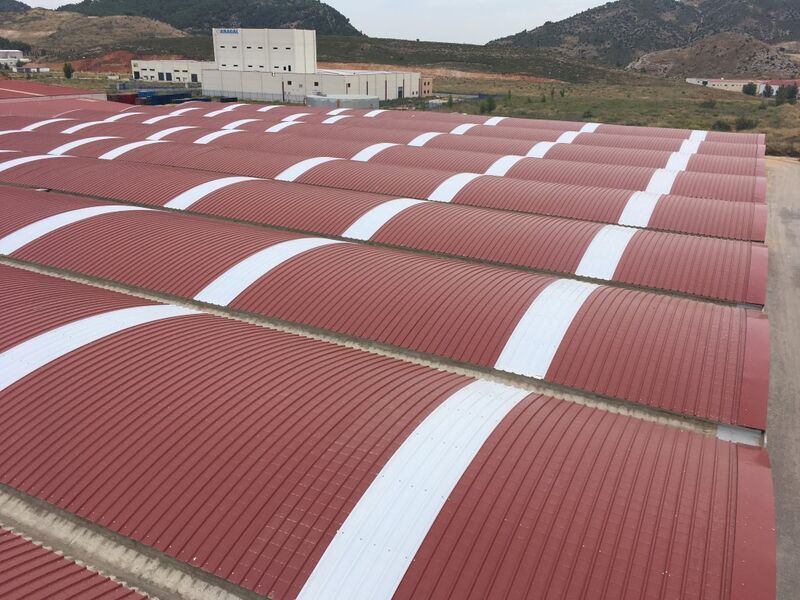
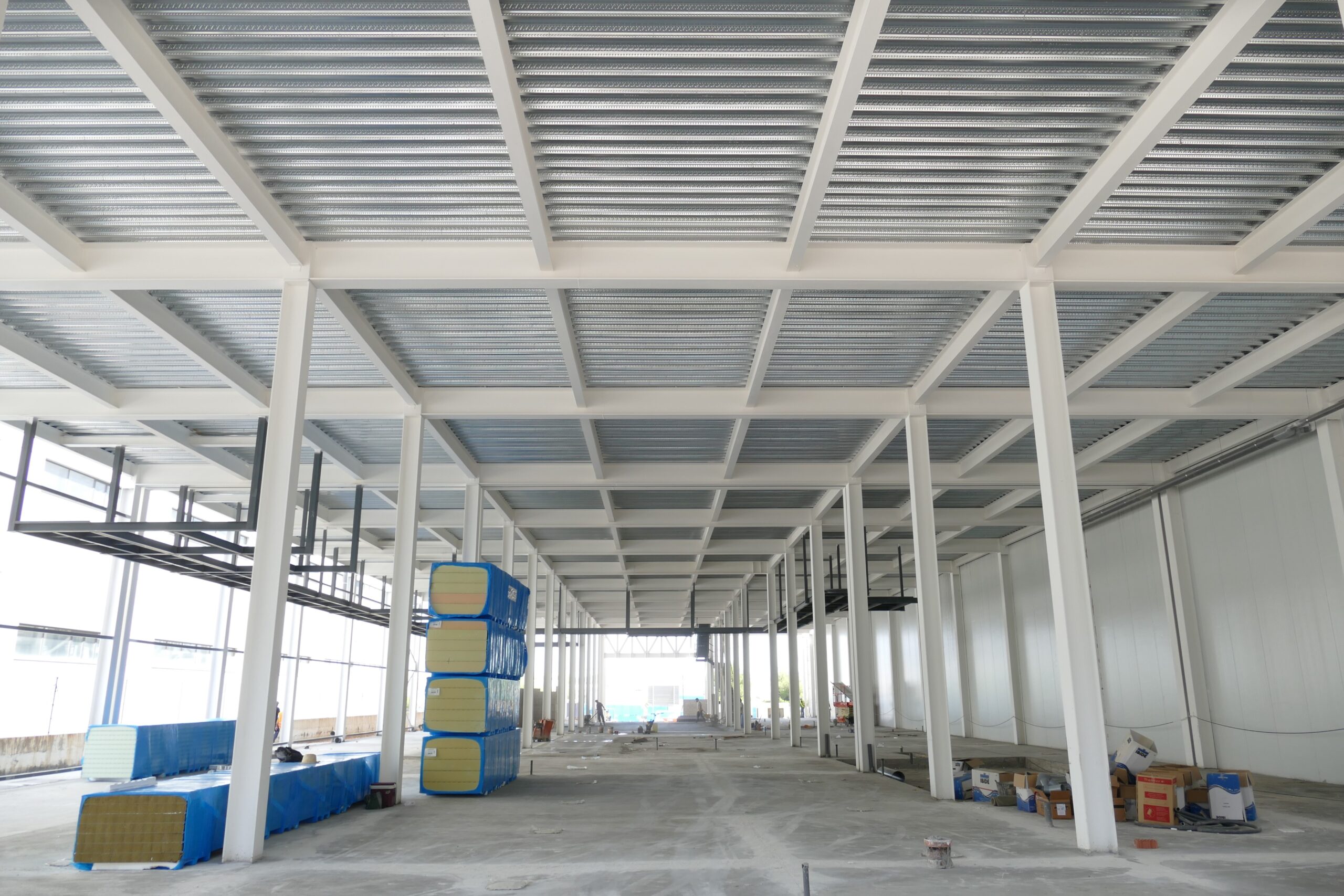
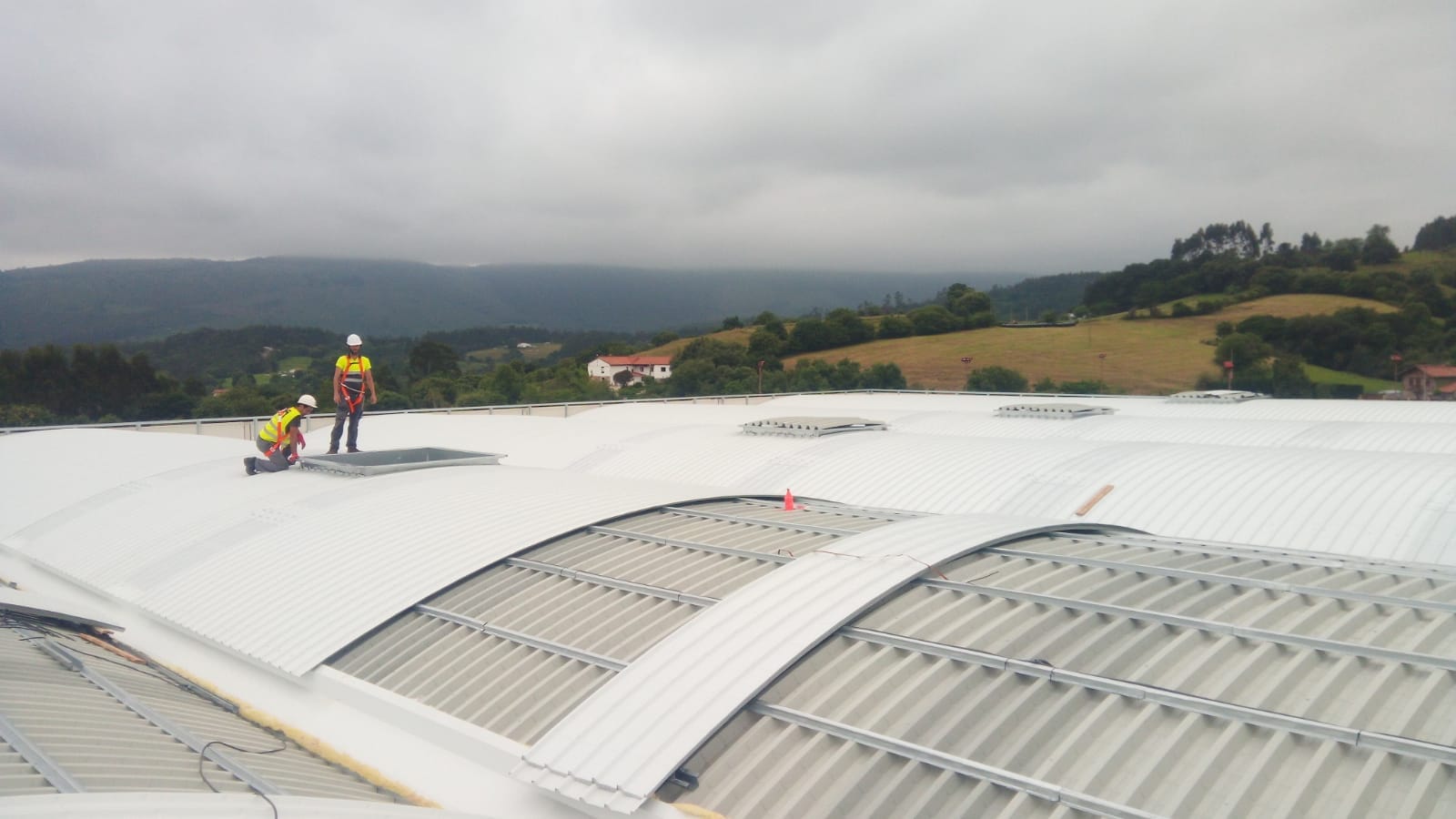
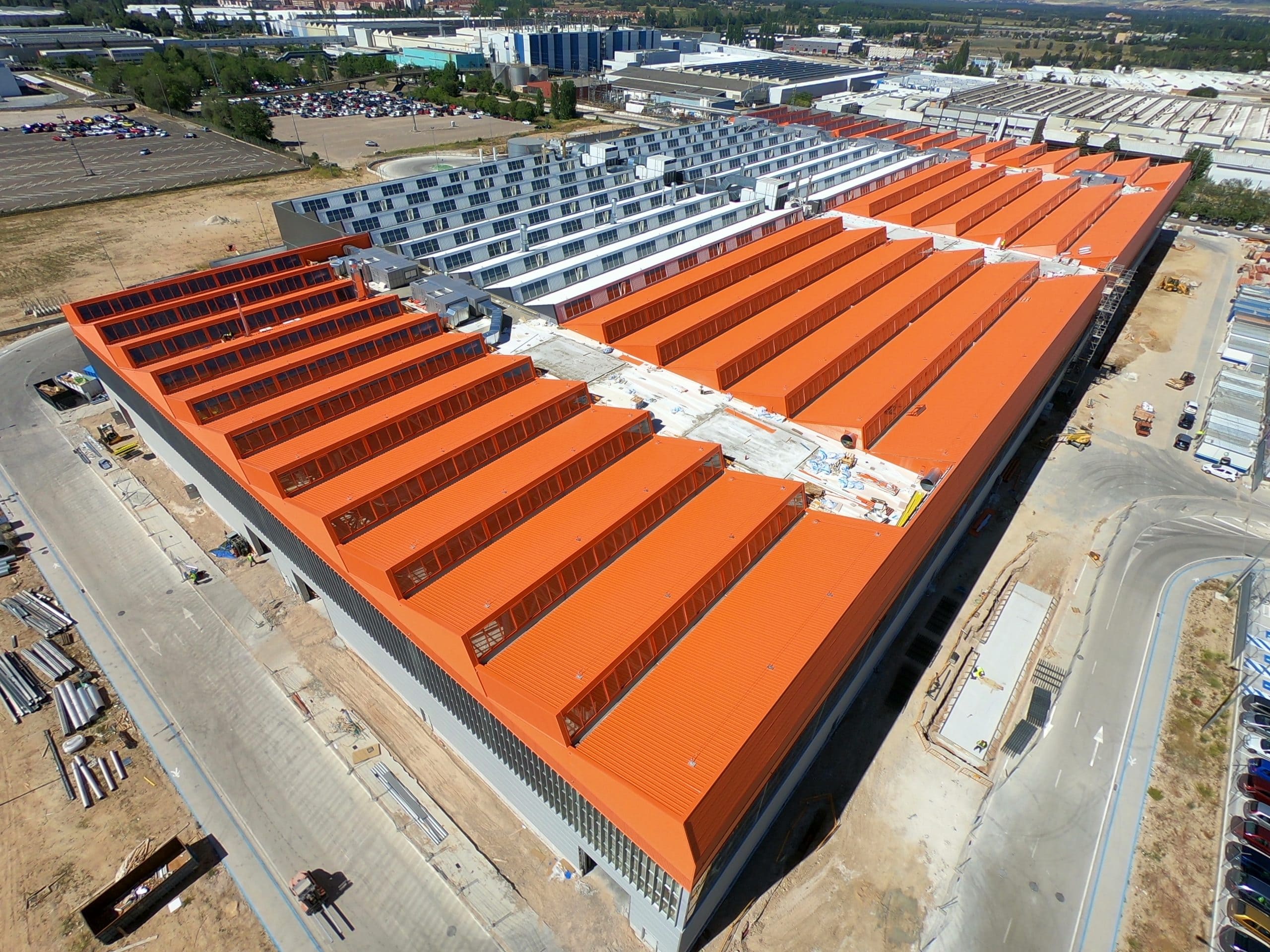
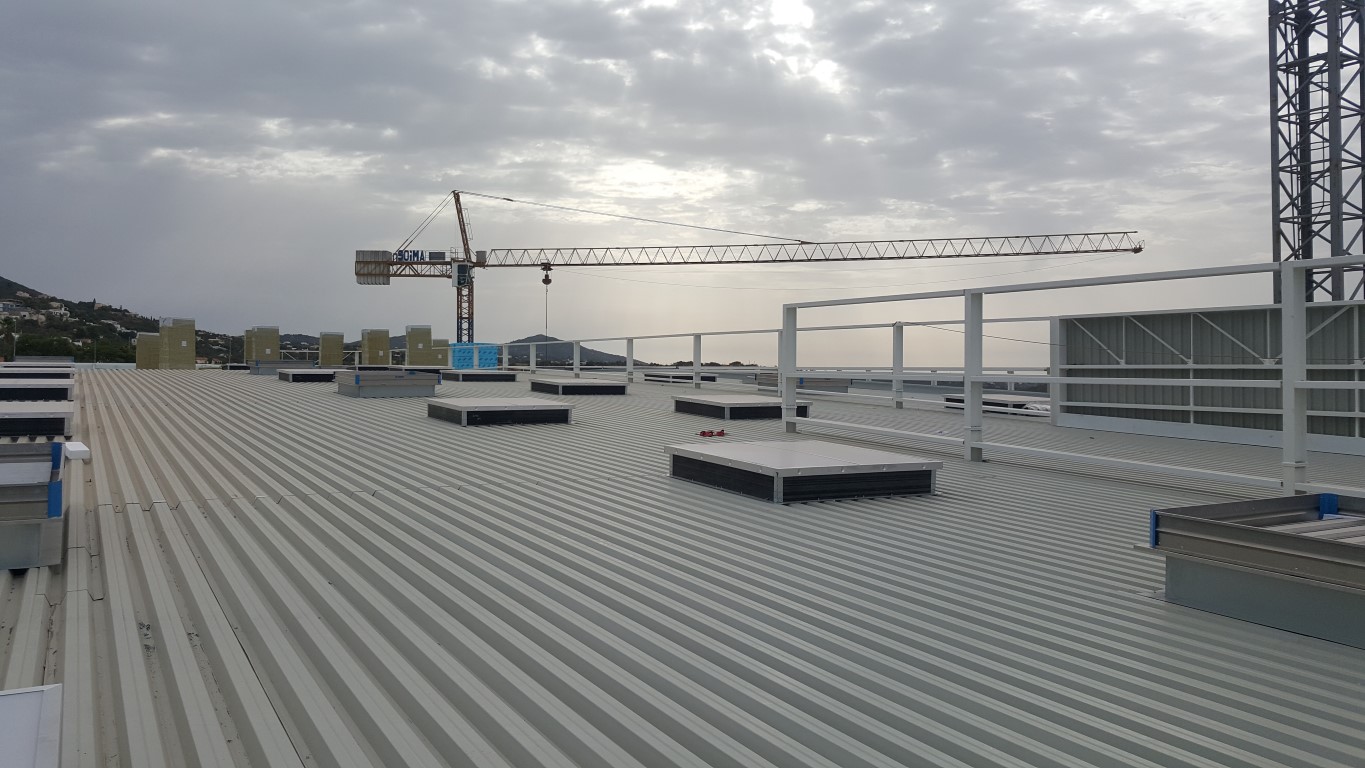
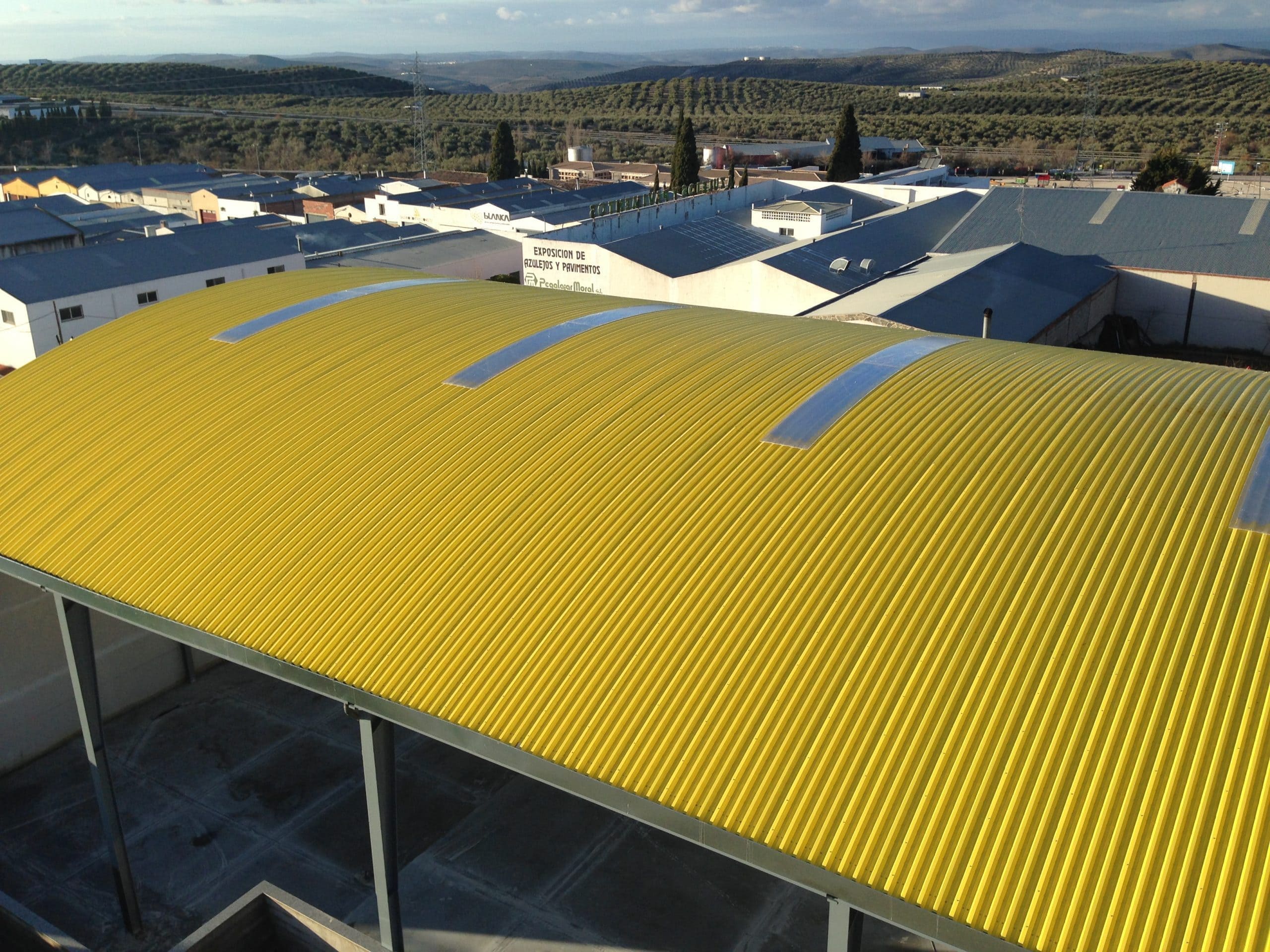
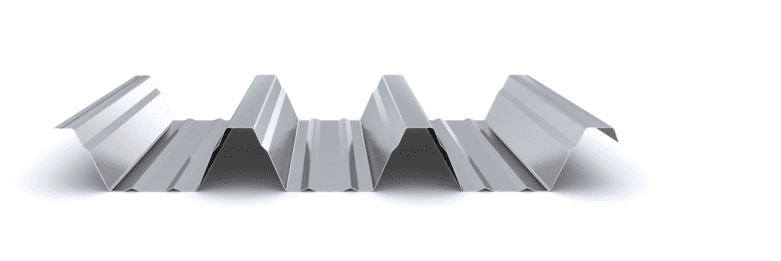
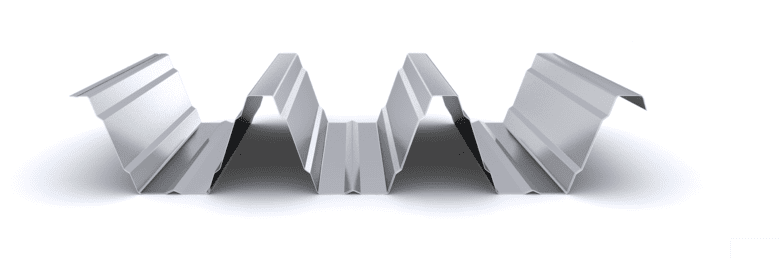
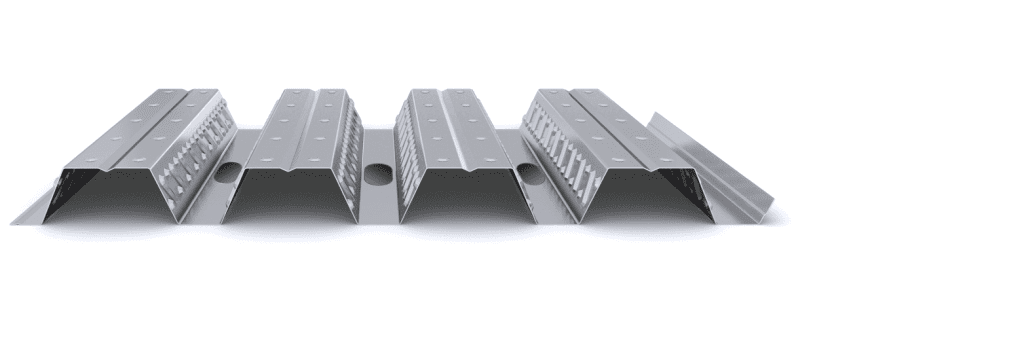
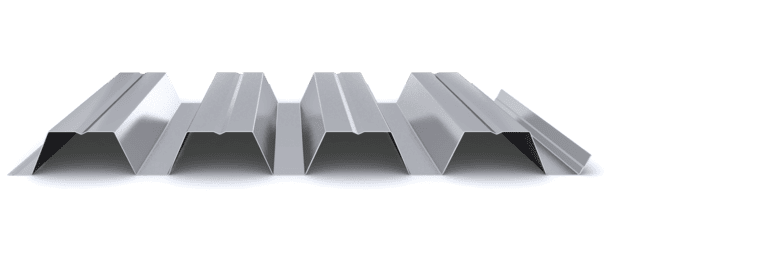
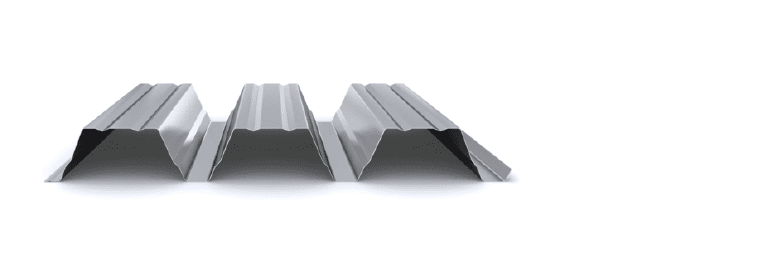
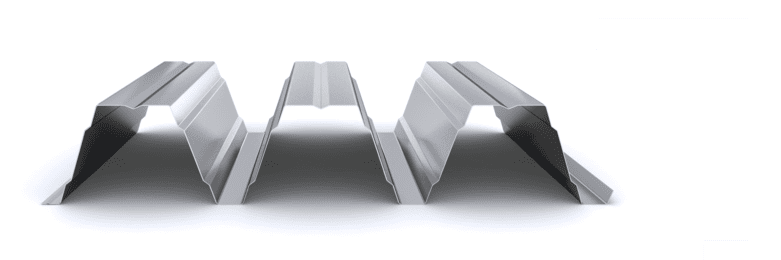
INCO 155.3 Deck for a major international logistics operator at PLAZA, logistics platform in Zaragoza
Features of the Deck Roof
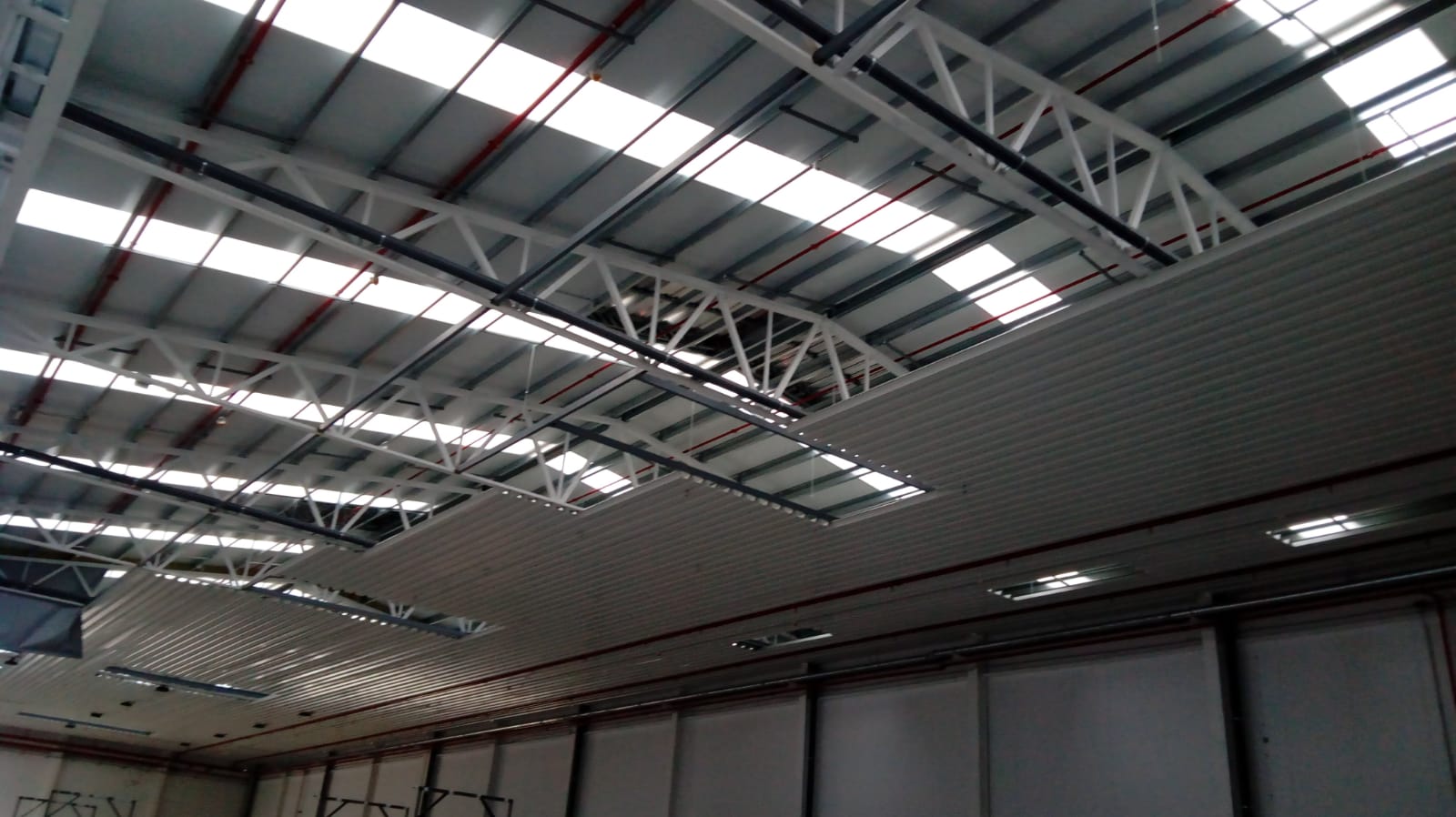
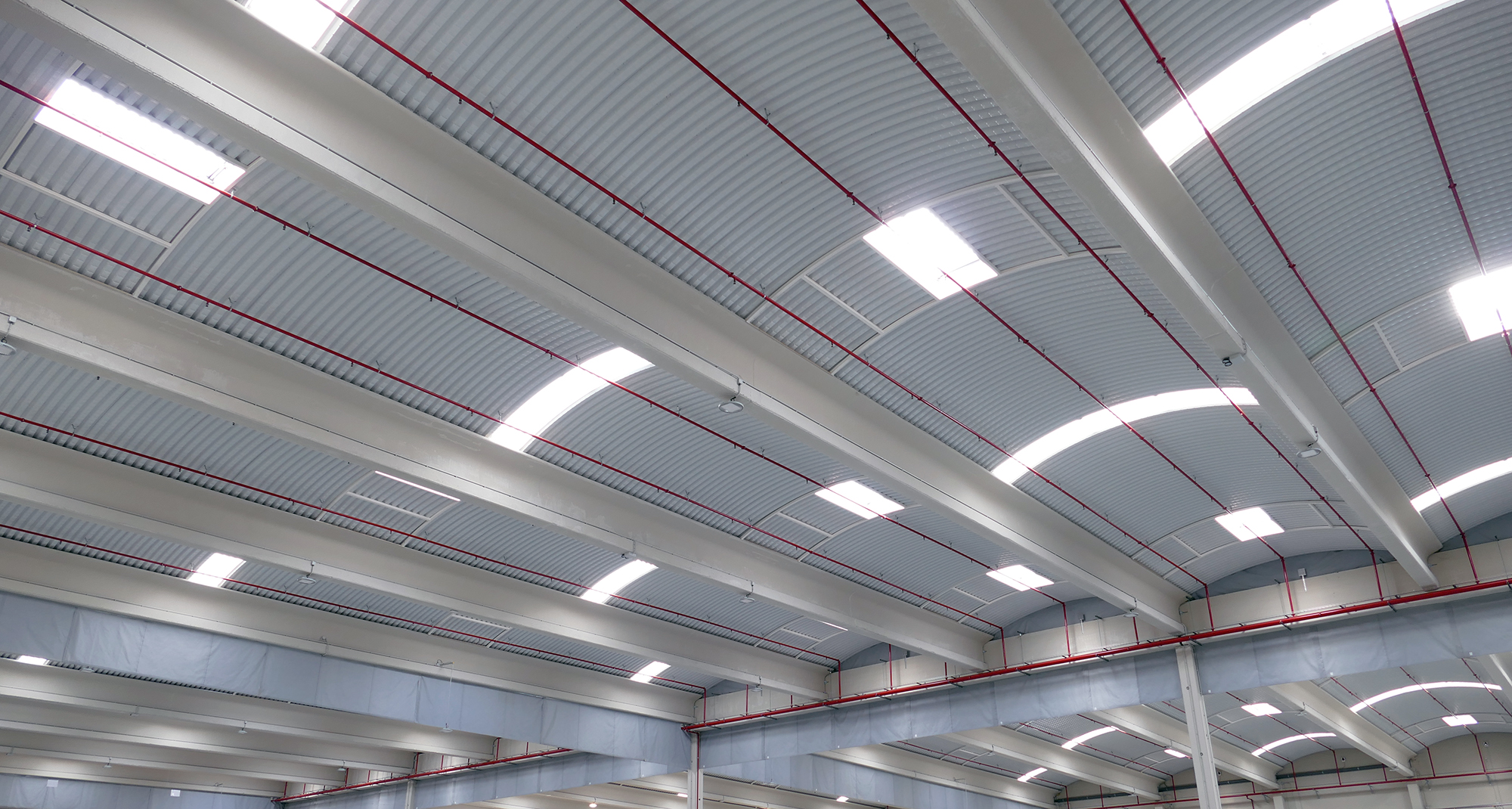
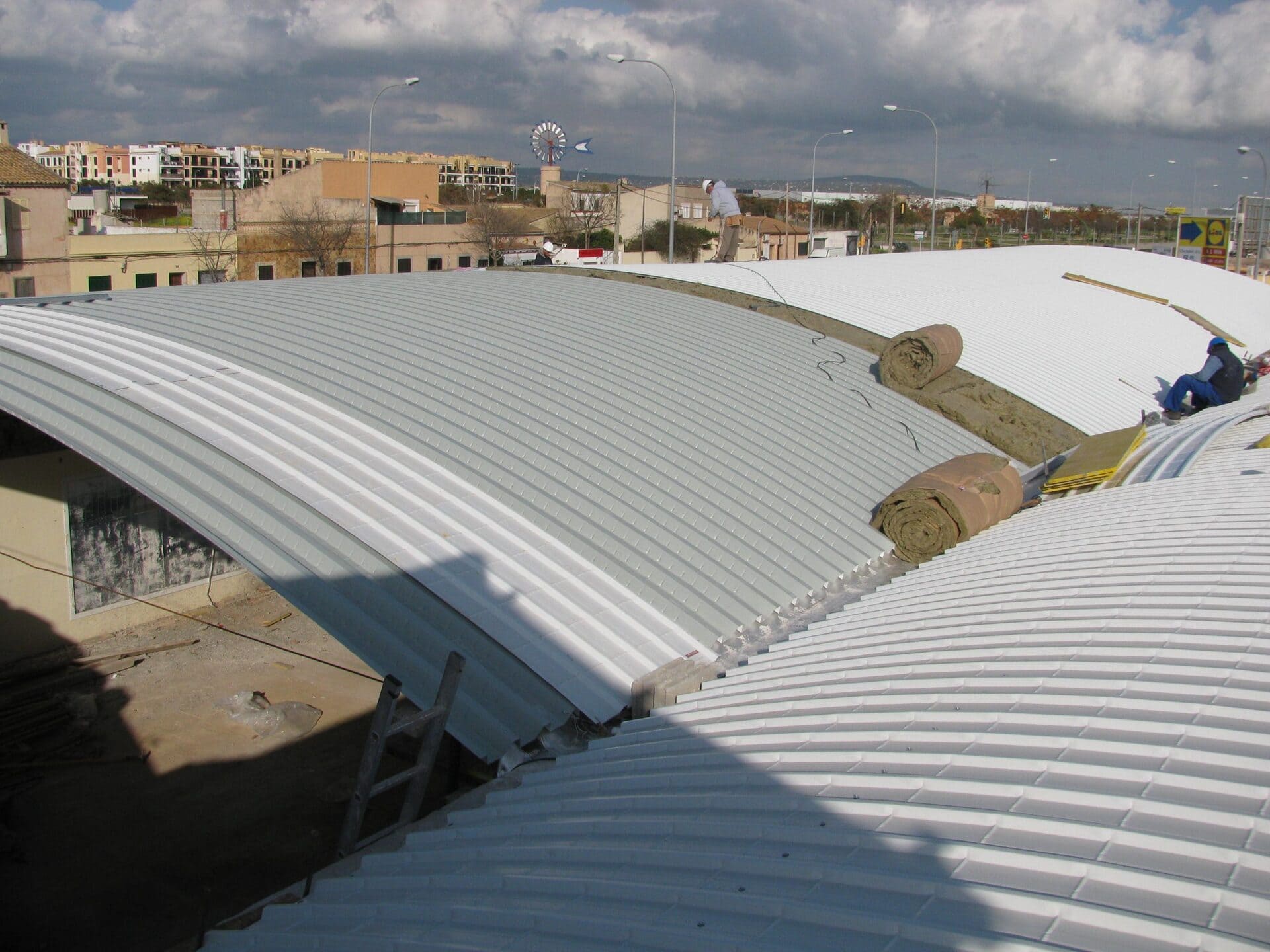
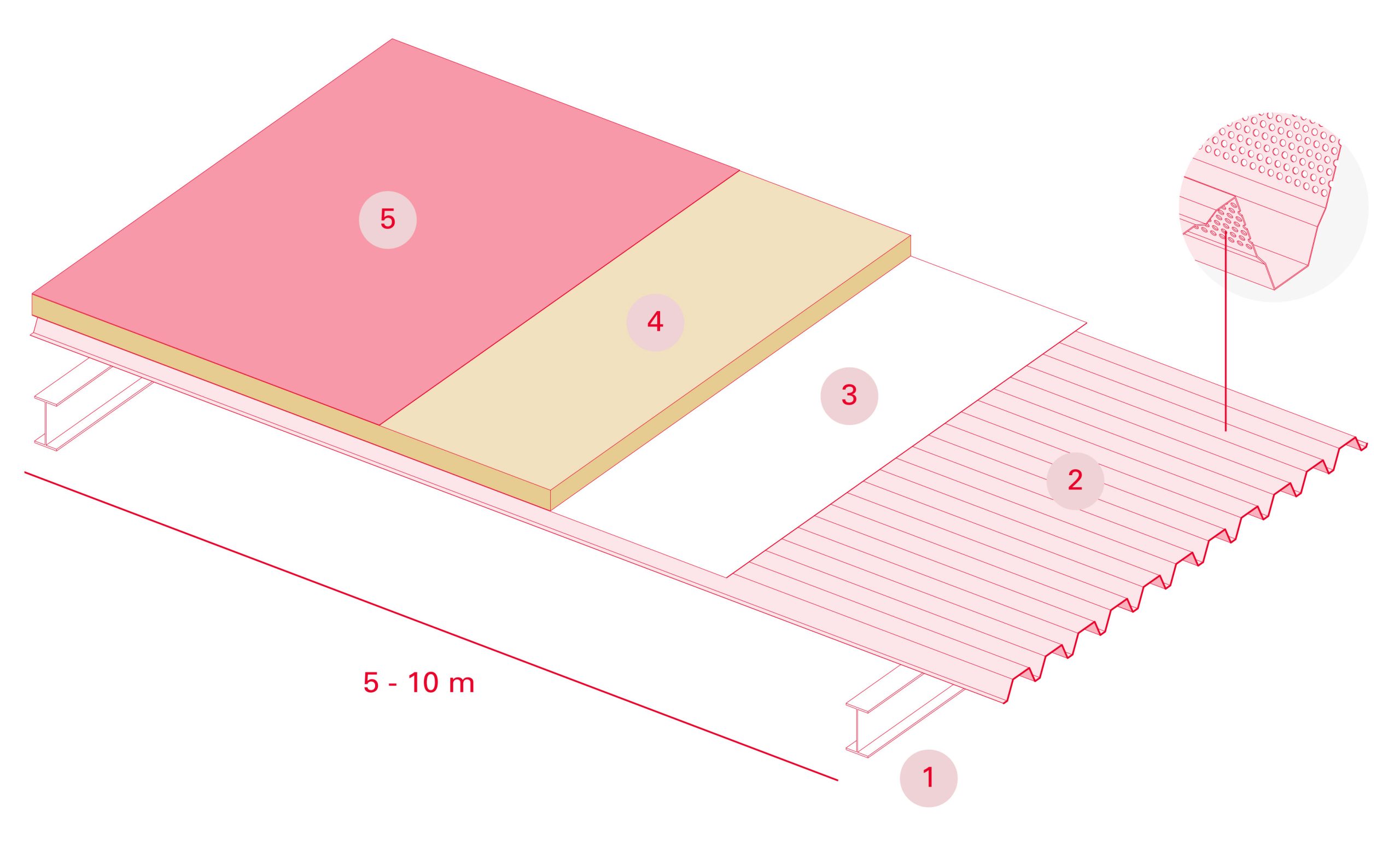
The deck roof consists of multiple layers that work together to provide an efficient structural solution. The main components include:
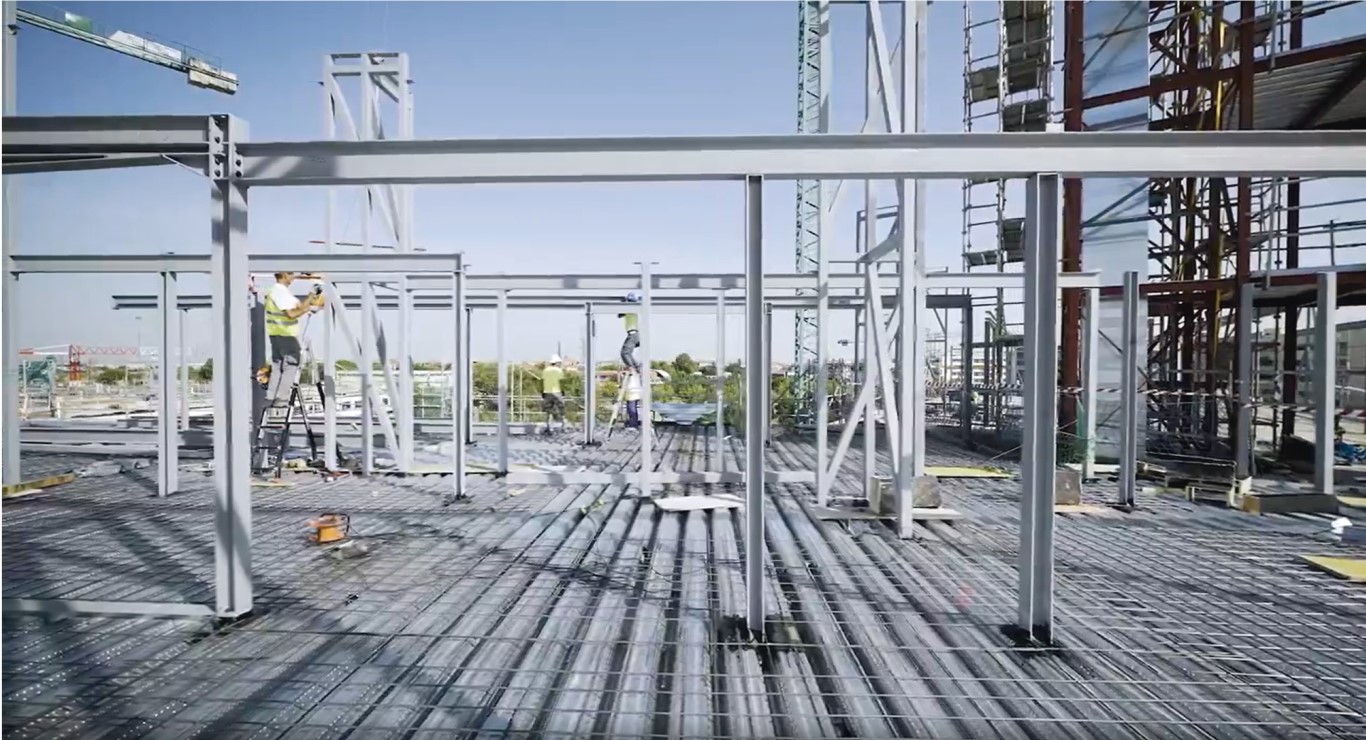
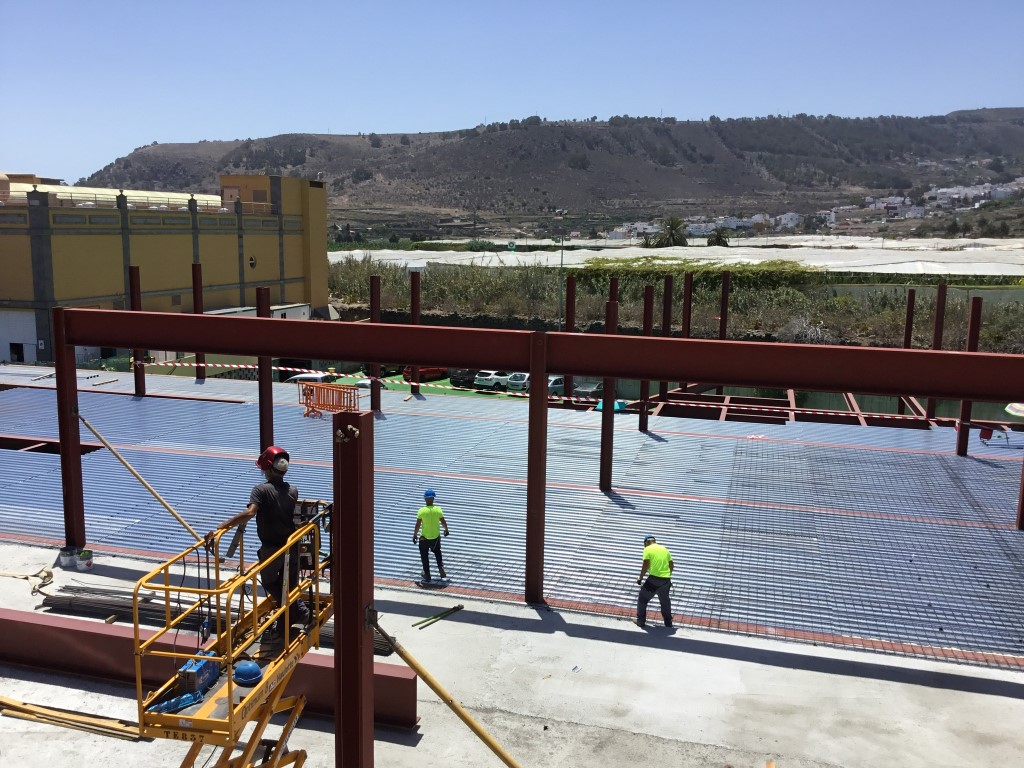
- Primary structure: Composed of portals spaced every 5–10 meters, it supports the main loads on the roof, ensuring its stability and integrity.
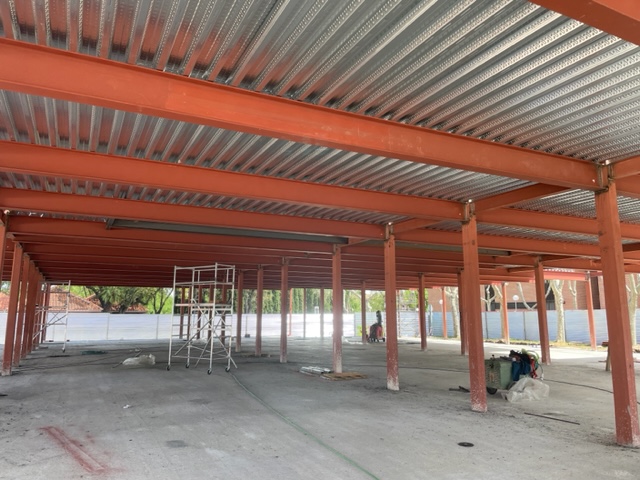
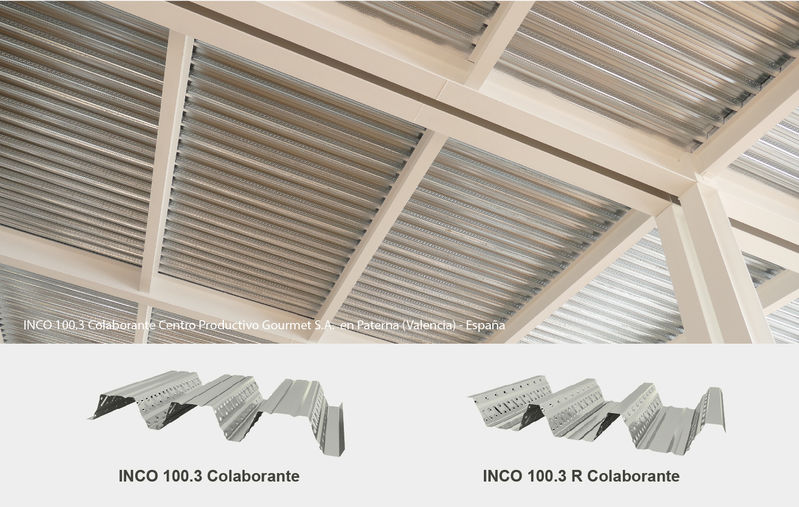
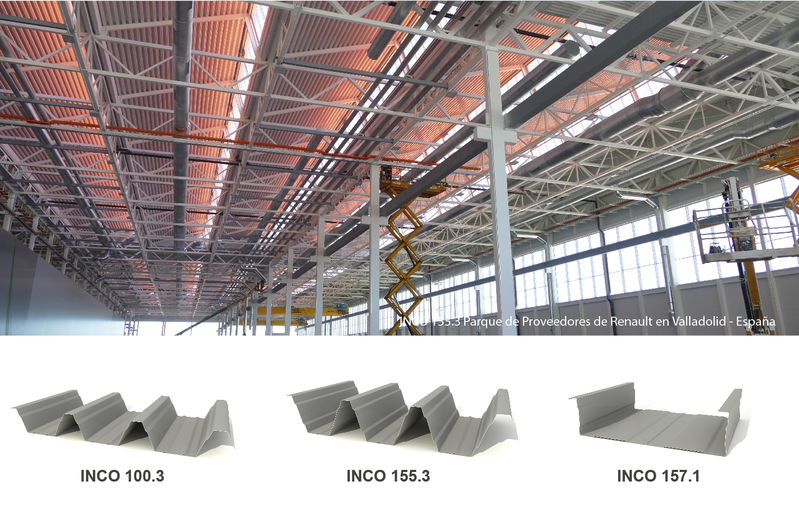
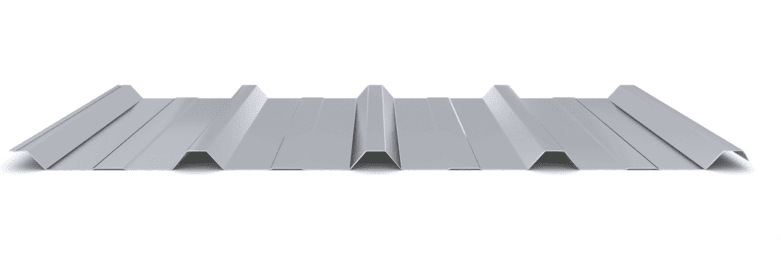
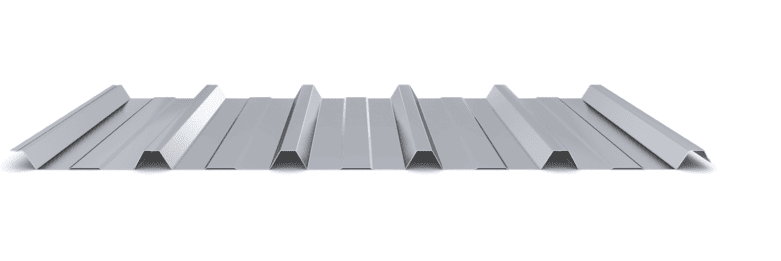
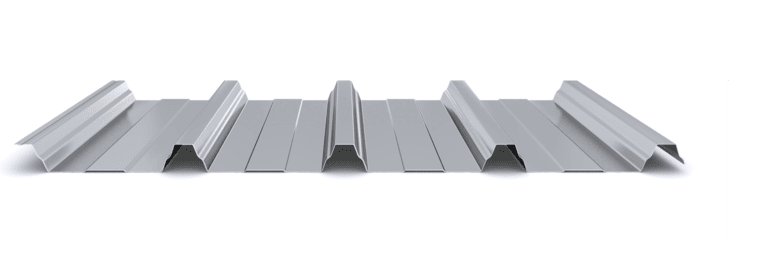
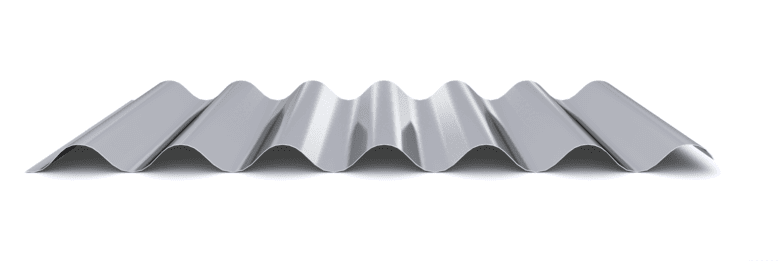
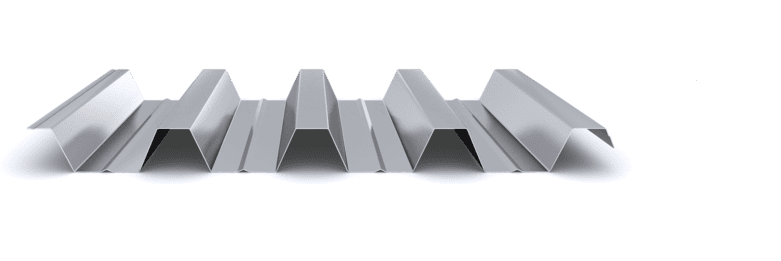
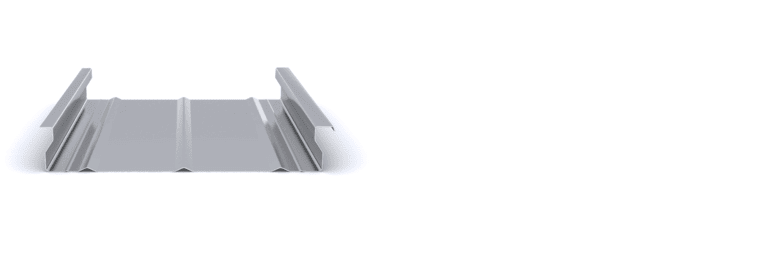
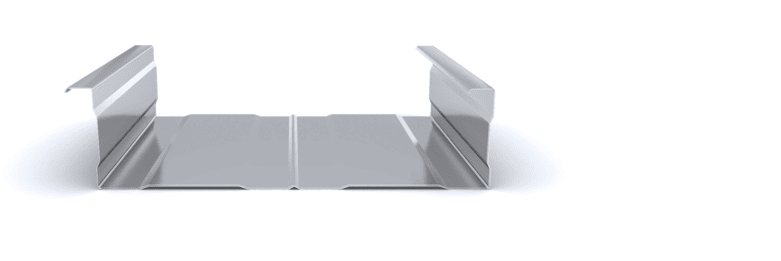
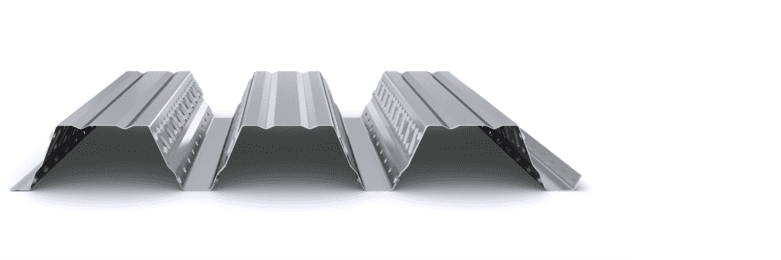
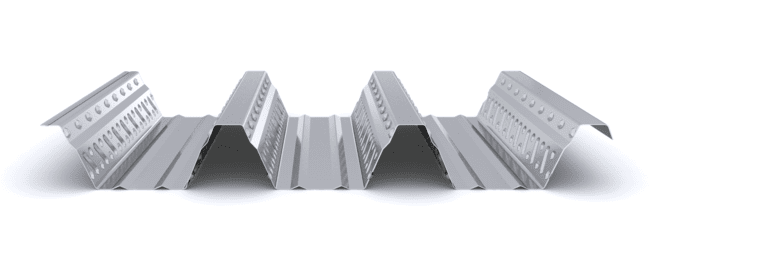
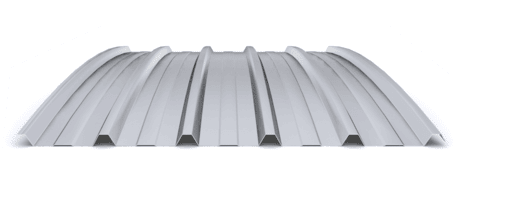
- Profiled steel sheet or interior support profile: This is the first layer of the roof enclosure, fixed directly onto the main structure. It supports its own weight, that of other layers, and external loads, meeting relevant mechanical requirements.
- Vapor barrier: Regulates vapor diffusion to prevent condensation and protect the insulation, improving energy efficiency and interior comfort.
- Thermal insulation: Usually made of rock wool, it significantly contributes to energy savings and enhances both thermal and acoustic comfort inside the building.
- Waterproof membrane: Ensures the watertightness of the roof and allows for low-slope designs.
- Fasteners and fixing elements: Ensure the stability of the whole system and proper adhesion of the materials.
A key advantage of this system is its ability to adapt to different slopes and architectural designs, facilitating integration into various types of buildings.
Advantages of the Deck Roofing System
Choosing a deck roof for industrial construction brings several technical and operational benefits:
Fast Installation and Reduced On-Site Construction Time
Installing a deck roof is significantly quicker compared to traditional roofing systems.
The steel sheet serves as the structural base, eliminating the need for formwork and speeding up execution.
This allows for better project planning and lowers construction-related costs.
Energy Efficiency and Thermal Insulation
The inclusion of a thermal insulation layer helps reduce the building’s energy losses.
Depending on the material used, different levels of thermal resistance can be achieved, complying with the Spanish Building Code (CTE) and European energy efficiency regulations.
Structural Strength and Load-Bearing Capacity
Thanks to the combination of steel sheet, insulation, and waterproofing membrane, the deck roof can support typical loads found in industrial and logistics buildings.
Its design allows it to withstand wind, snow, and maintenance traffic, ensuring long-term safety and durability.
Lightweight and Adaptable to Different Designs
Compared to other construction systems, the deck roof has a lower weight, making it easier to install on metal structures and reducing foundation loads.
Its versatility allows use on flat or slightly sloped roofs, adapting to a wide range of architectural configurations.
Compatible with Waterproofing and Acoustic Protection Systems
Deck roofs can integrate advanced waterproofing solutions like PVC synthetic membranes or modified bitumen, enhancing their durability against external elements.
The addition of materials like mineral wool or rock wool further improves sound insulation, reducing noise transmission in industrial environments.
Fire Protection Safety
Choosing the right rock wool insulation adds an extra layer of protection against the spread of fire and smoke. These non-combustible materials do not contribute to fire load in the system.
Applications of Deck Roofs in Industrial Construction
The use of deck roofing has become widespread in various industrial and commercial sectors due to its versatility and efficiency. Common applications include:
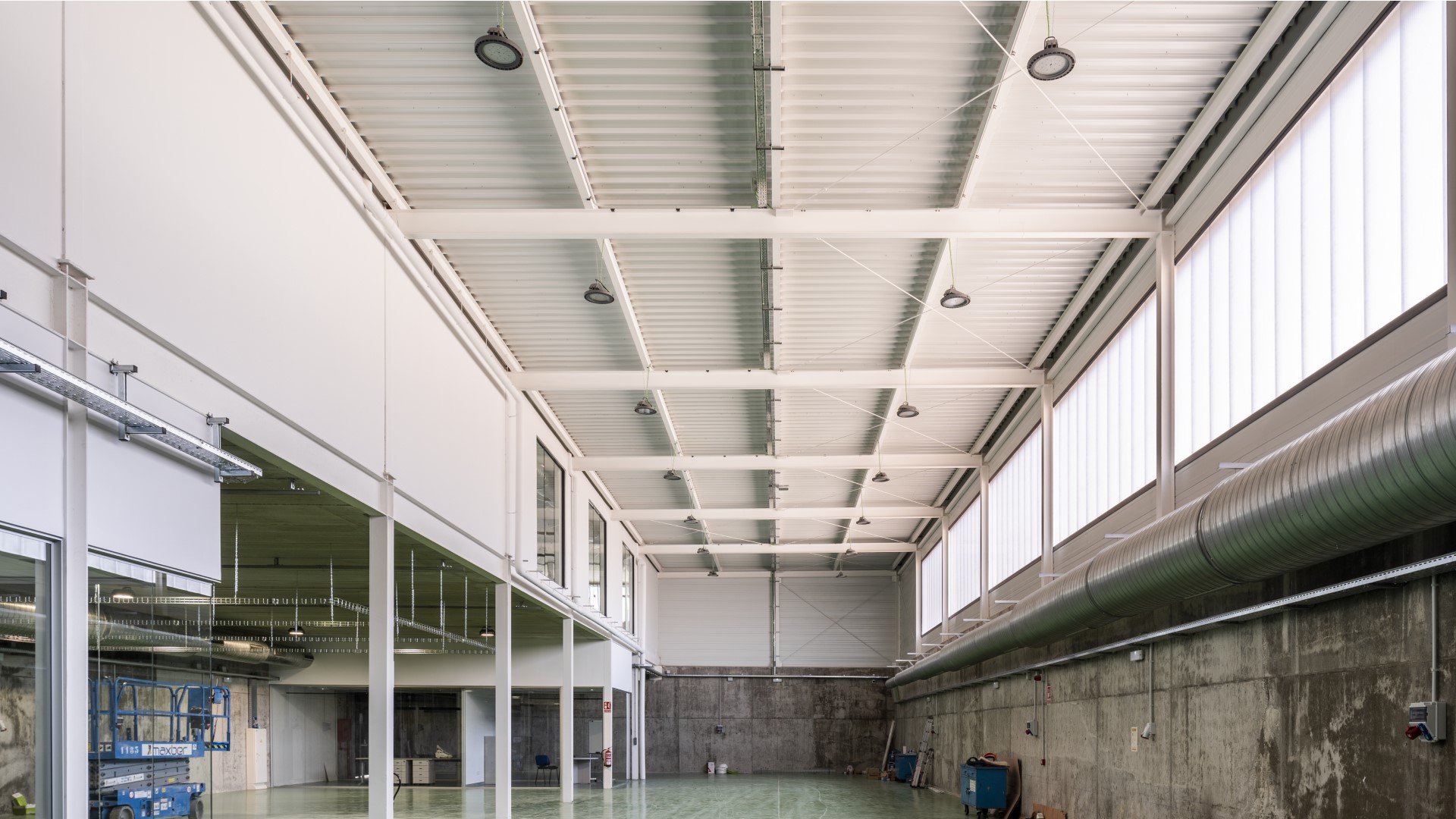
- Industrial warehouses and logistics centers: Provide a strong and quick-to-install solution for large-scale roofing.
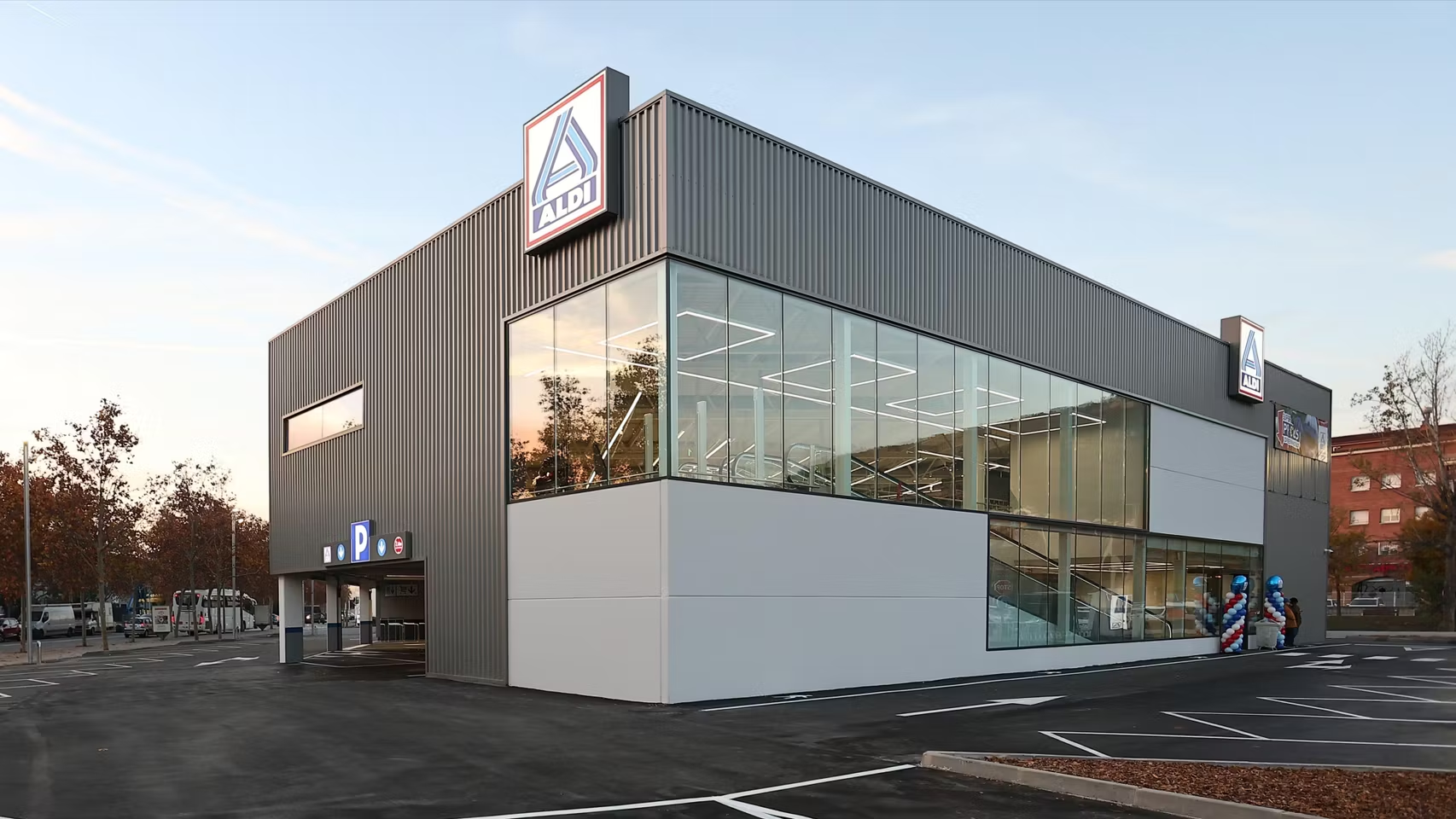
- Shopping centers and office buildings: Help improve the building’s energy efficiency, reducing HVAC consumption.
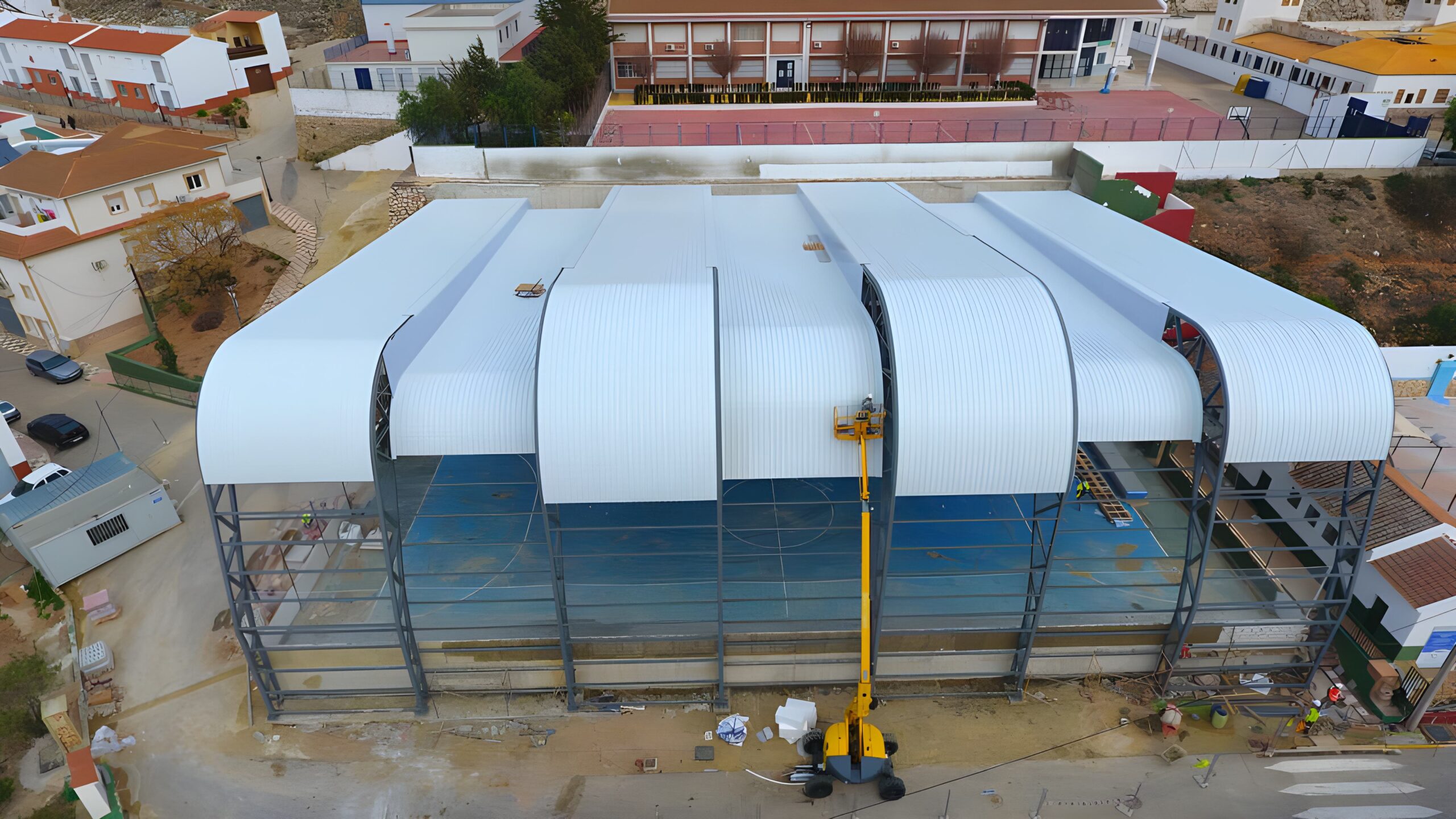
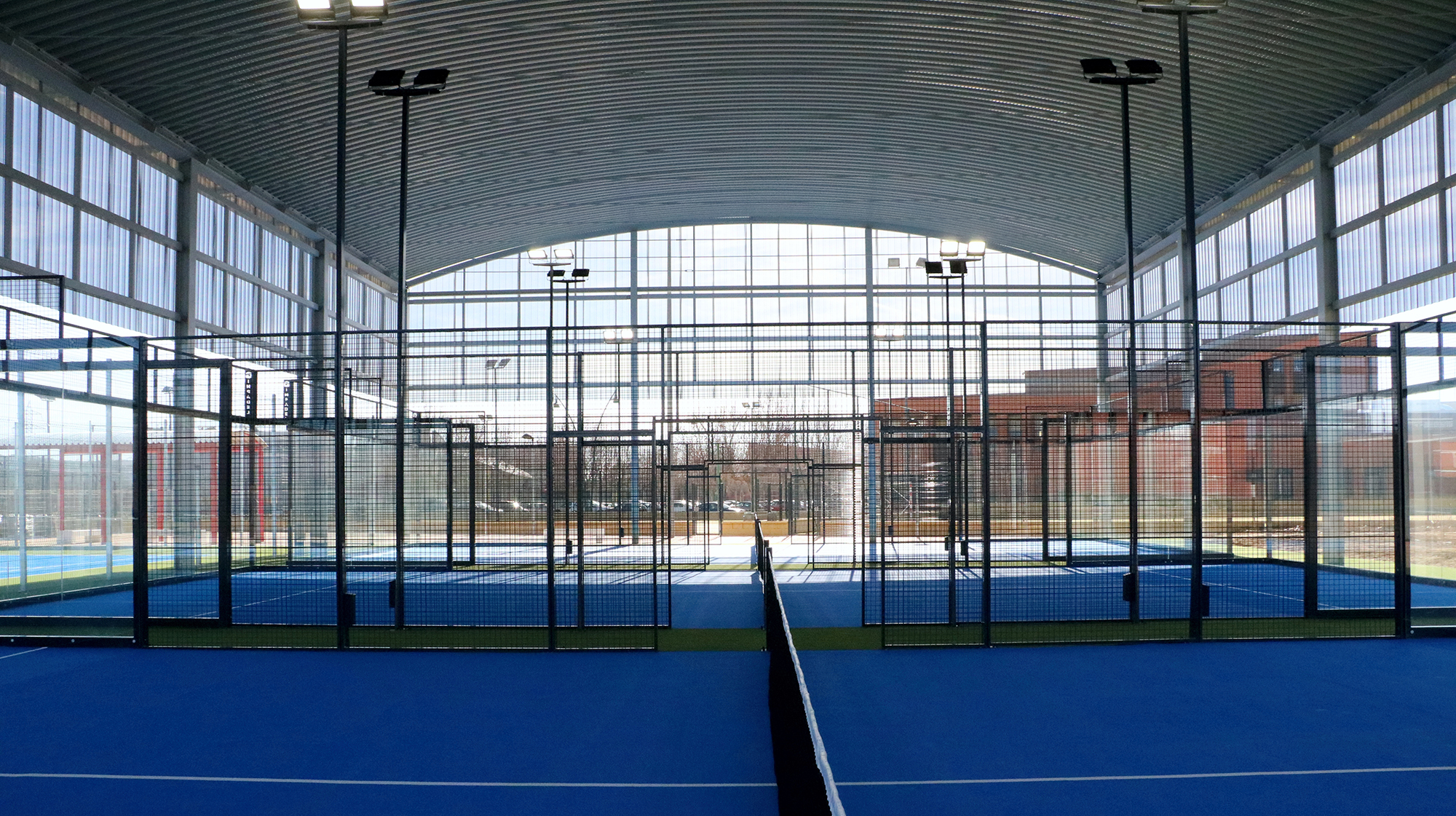
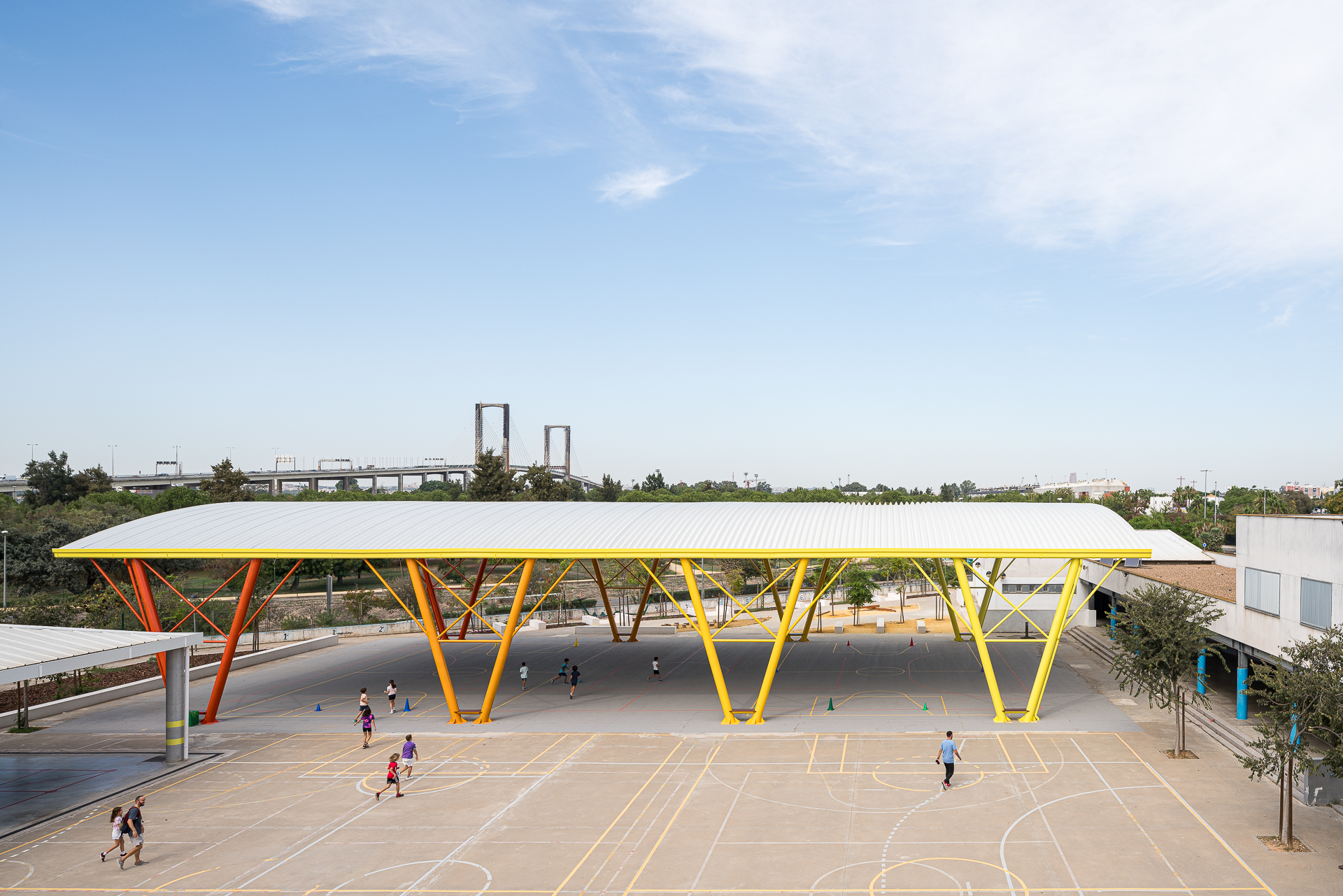
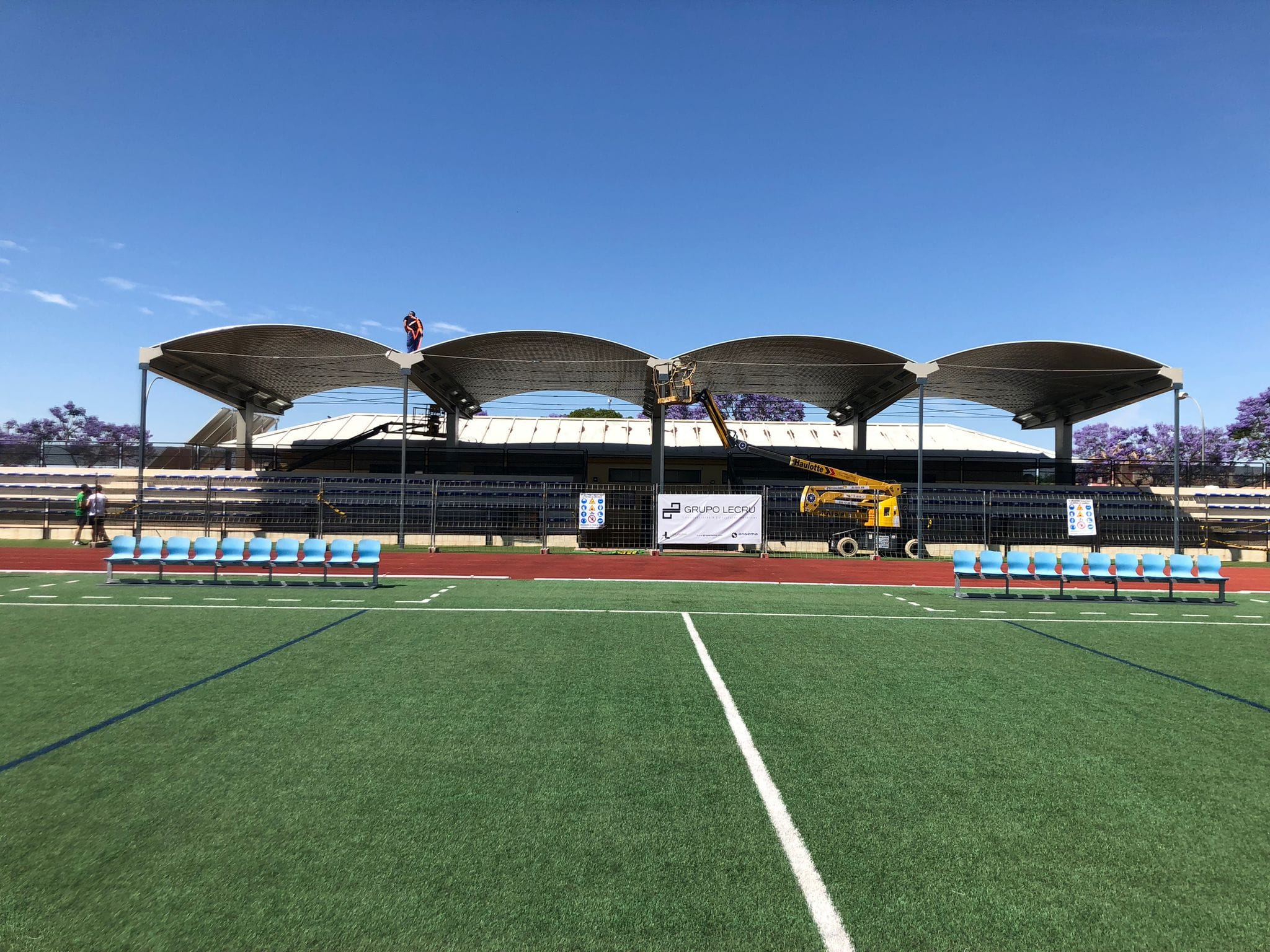
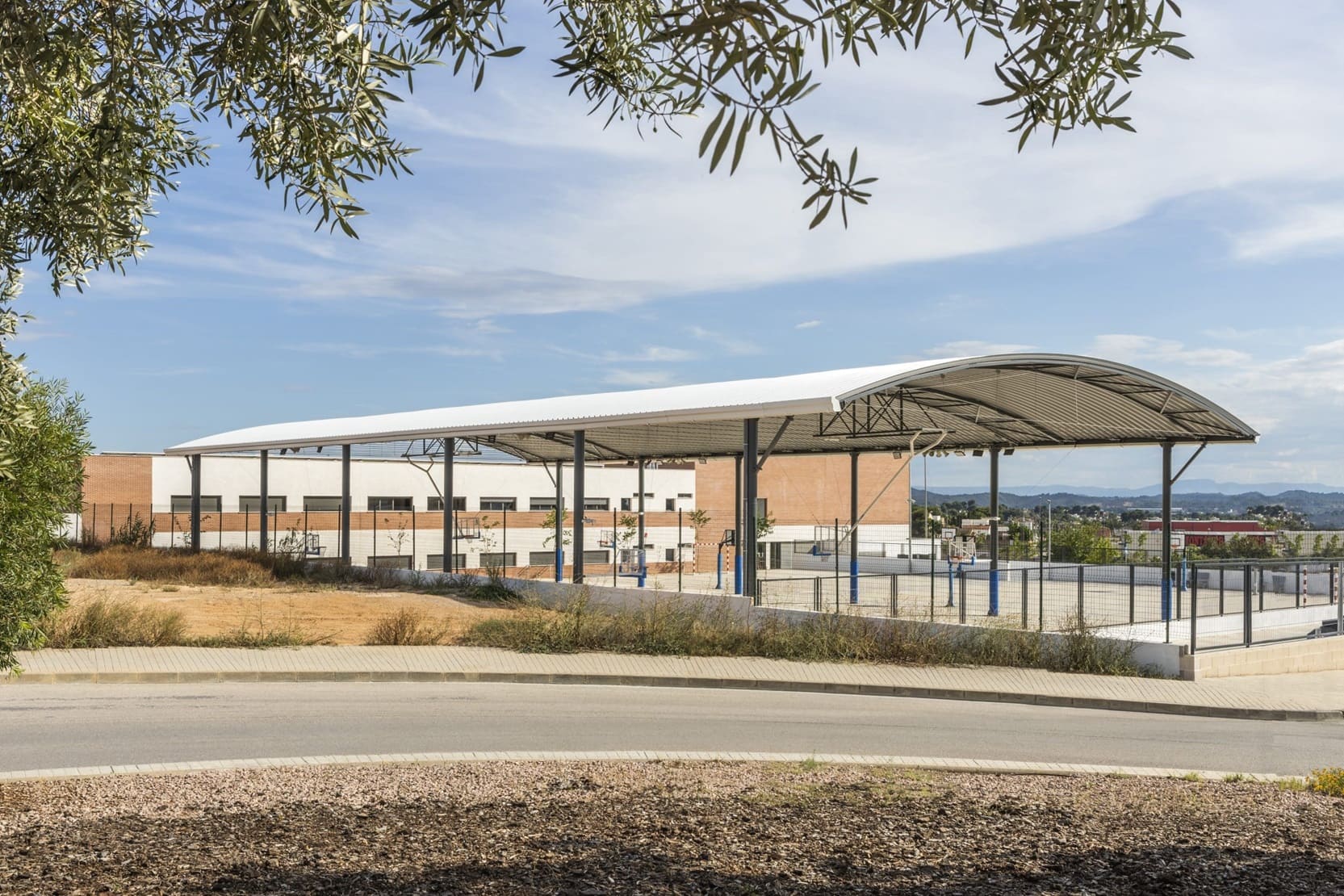
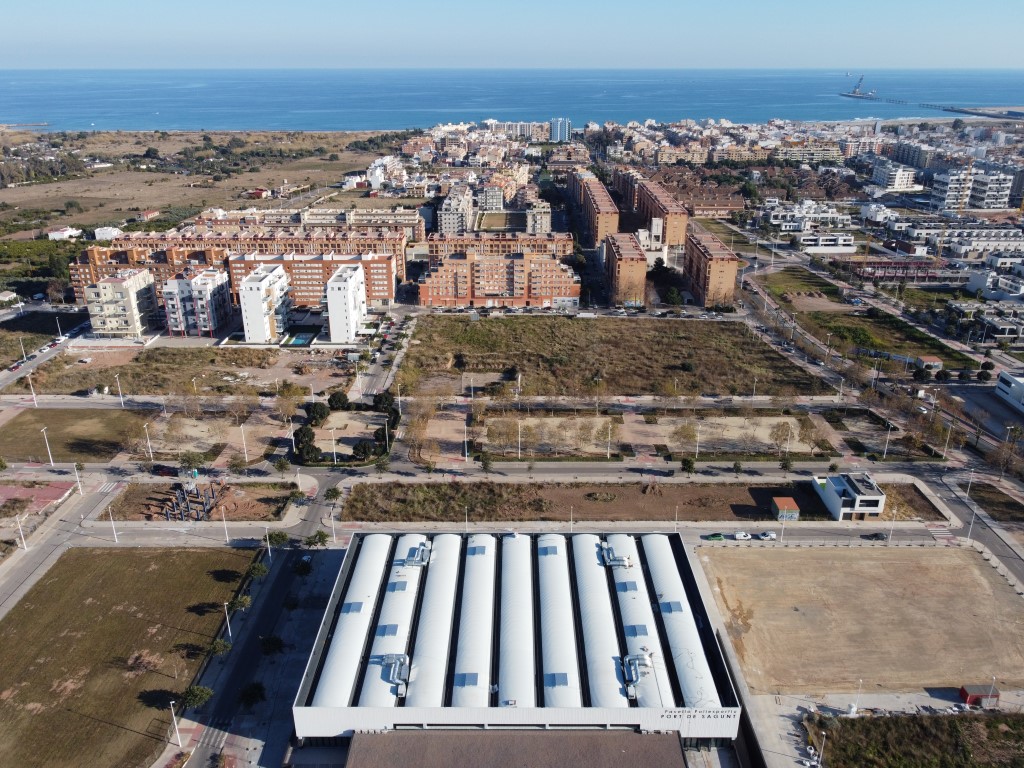
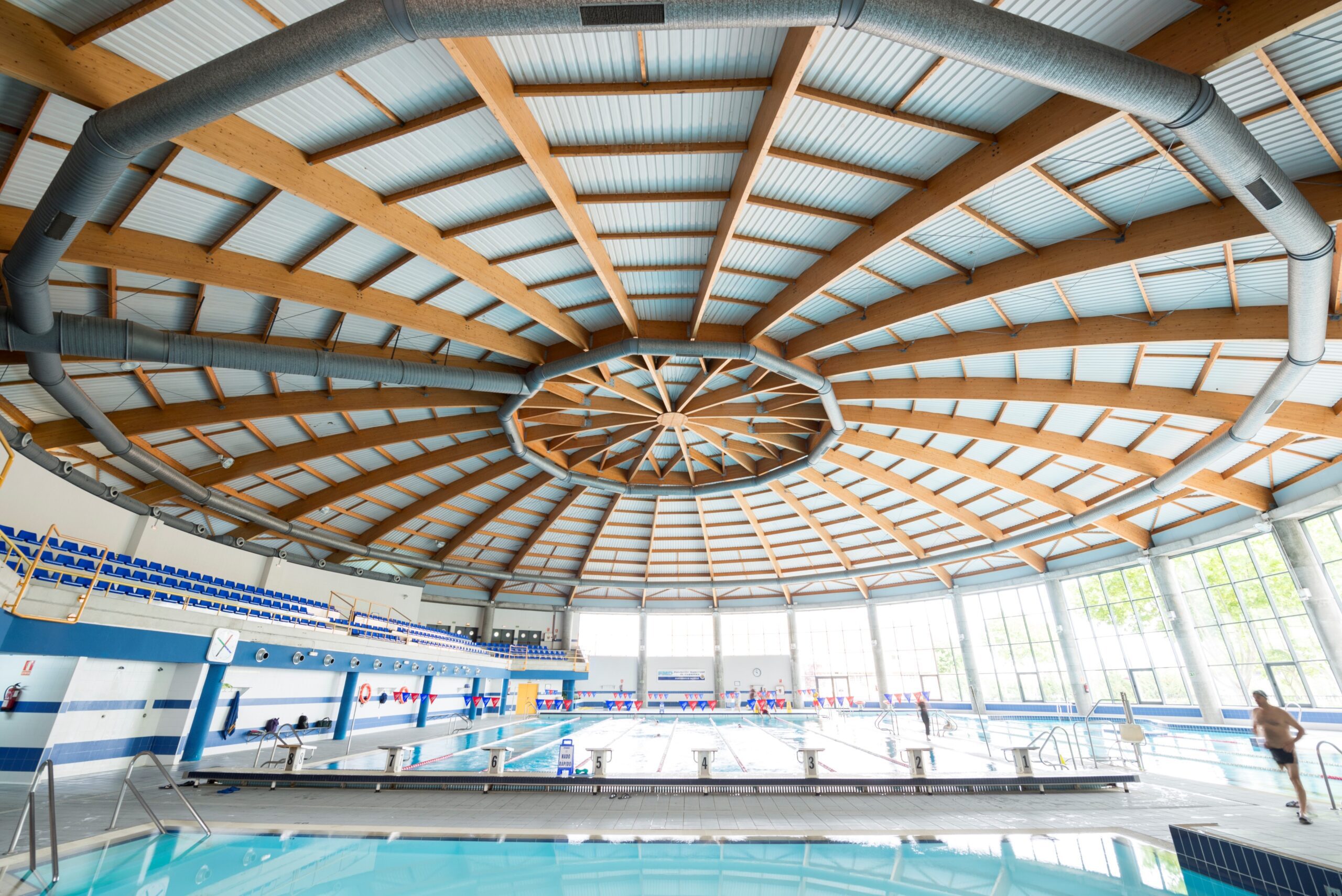
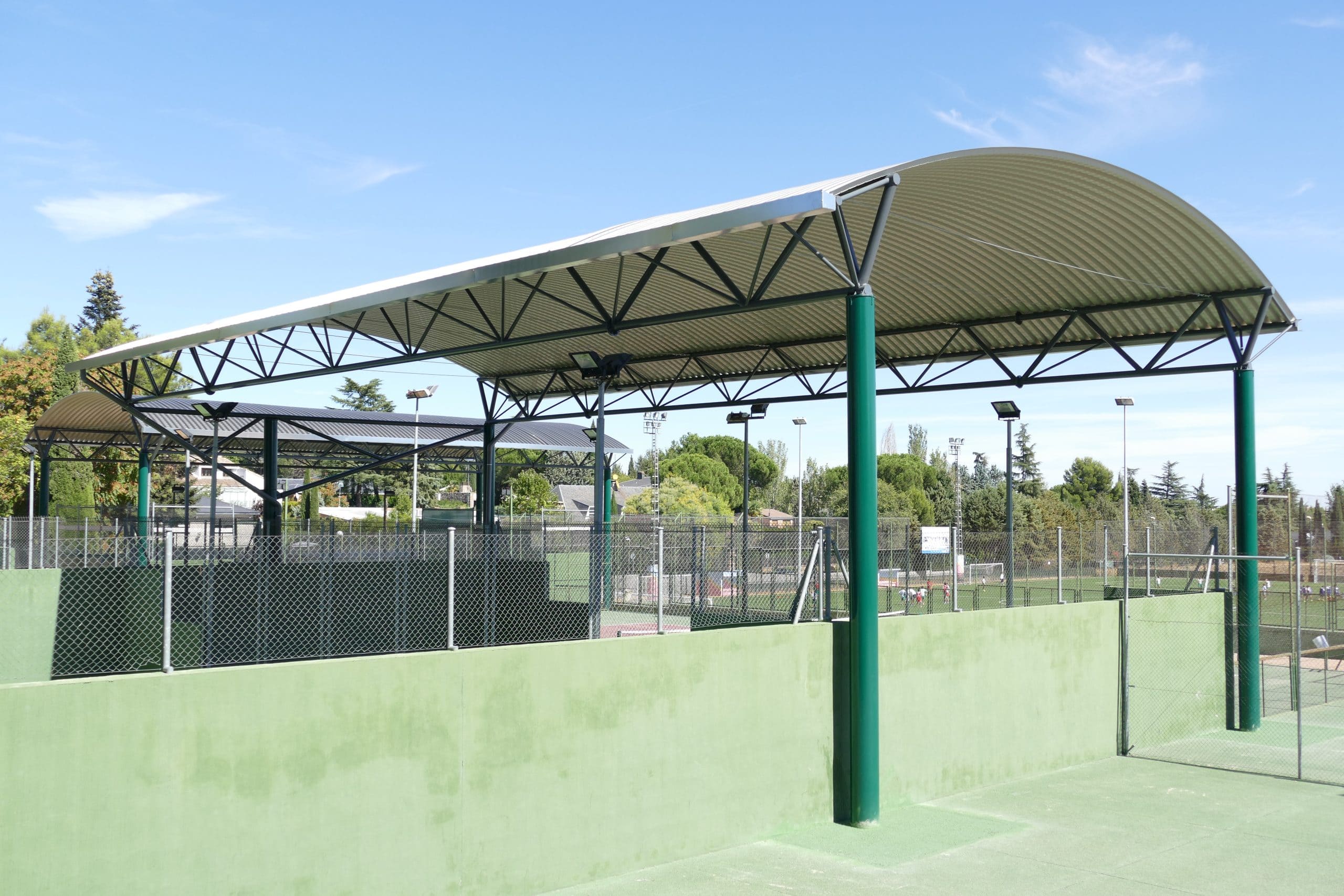
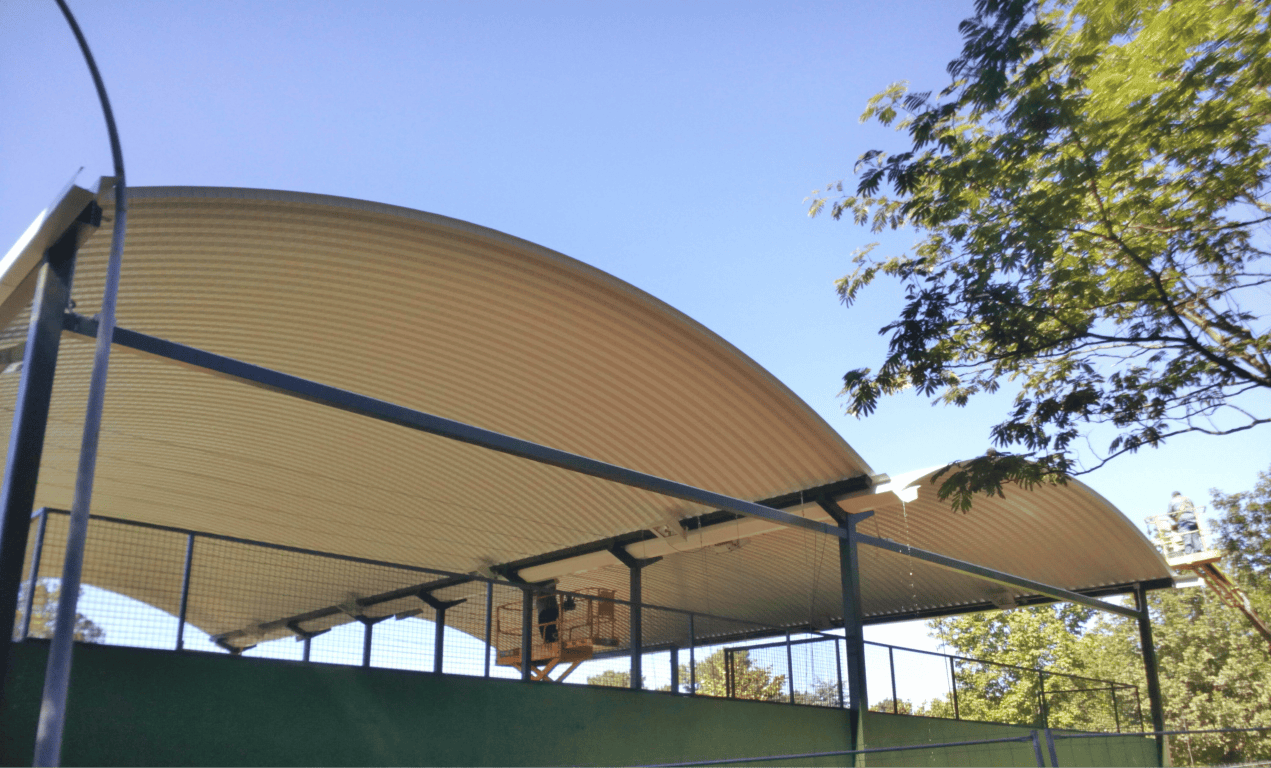
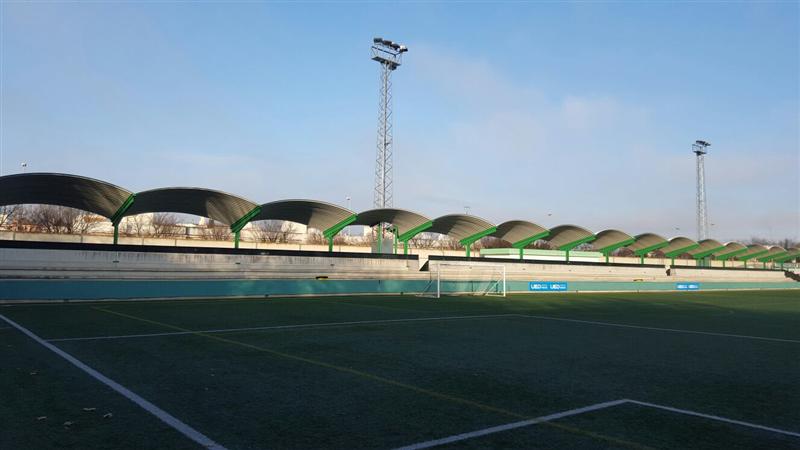
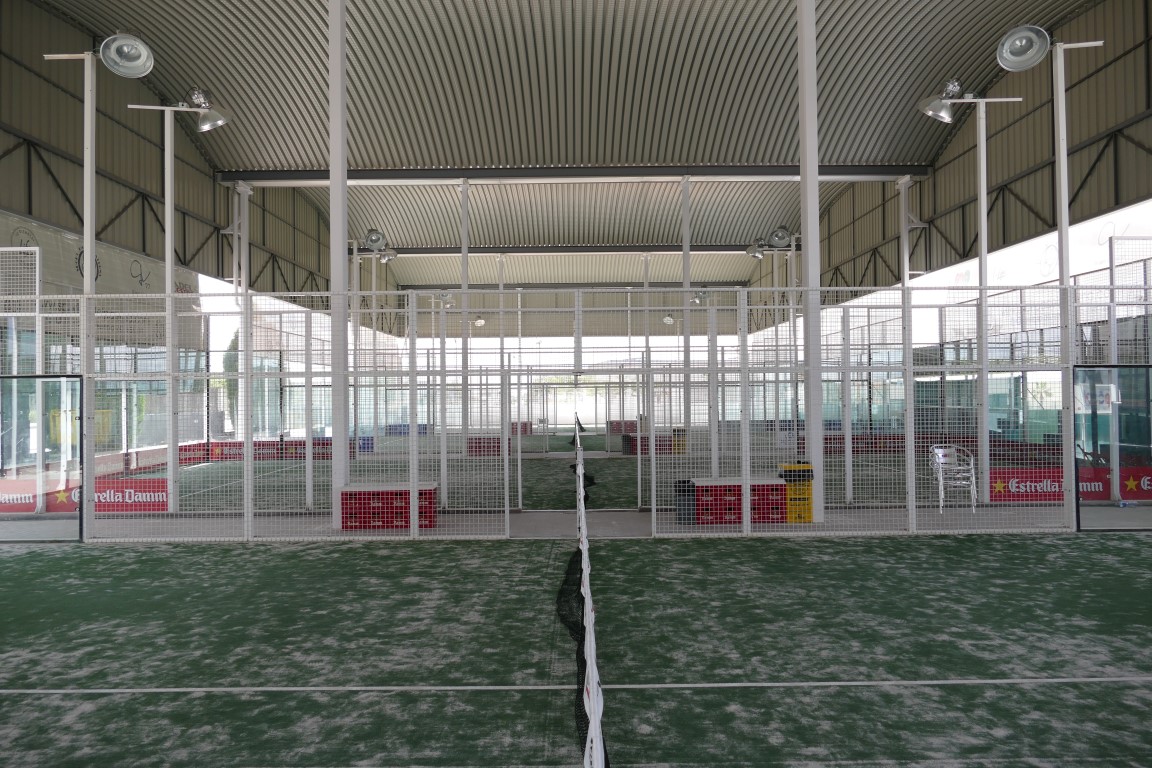
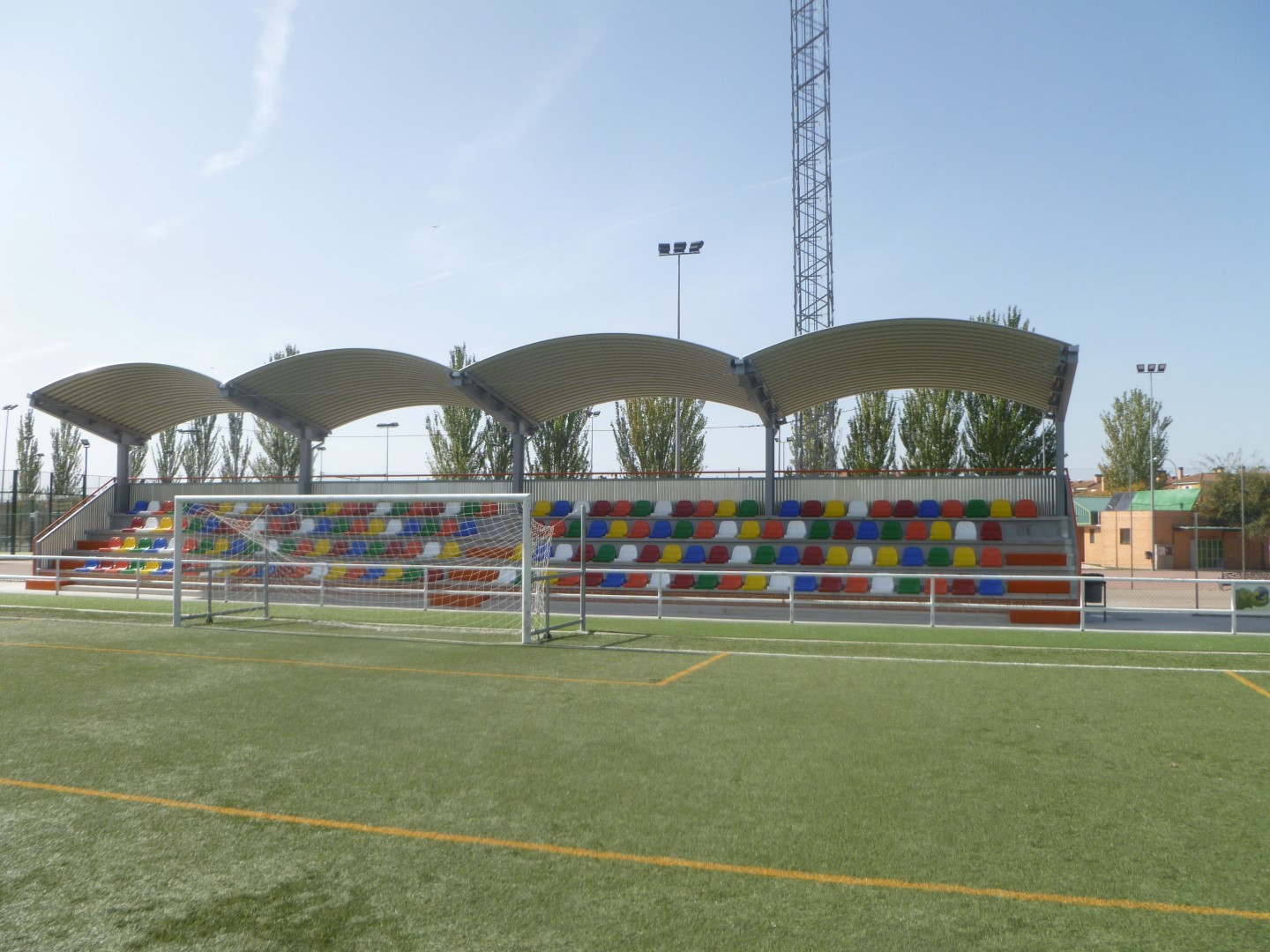
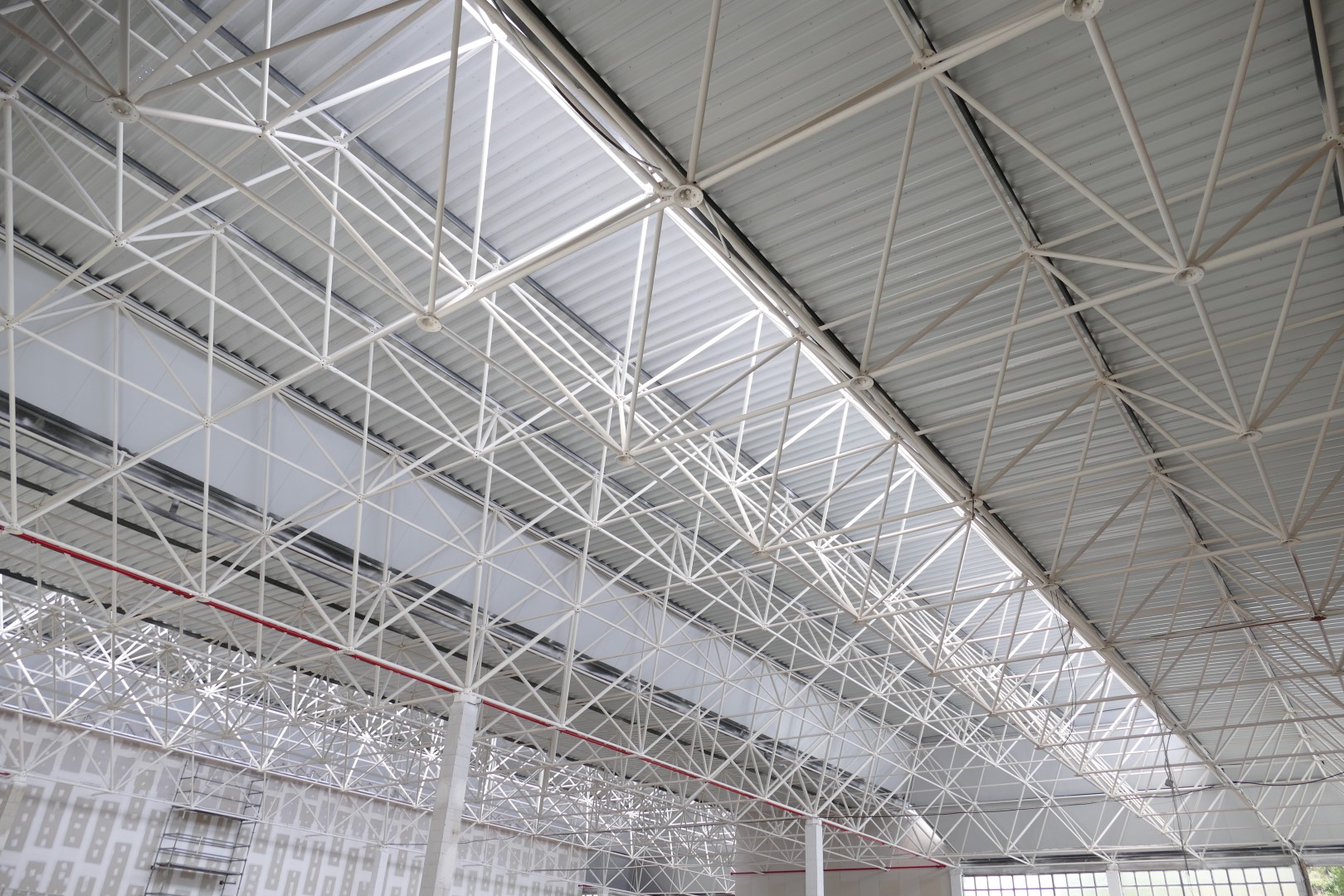
- Sports facilities and pavilions: Allow large spans without heavy structural systems.
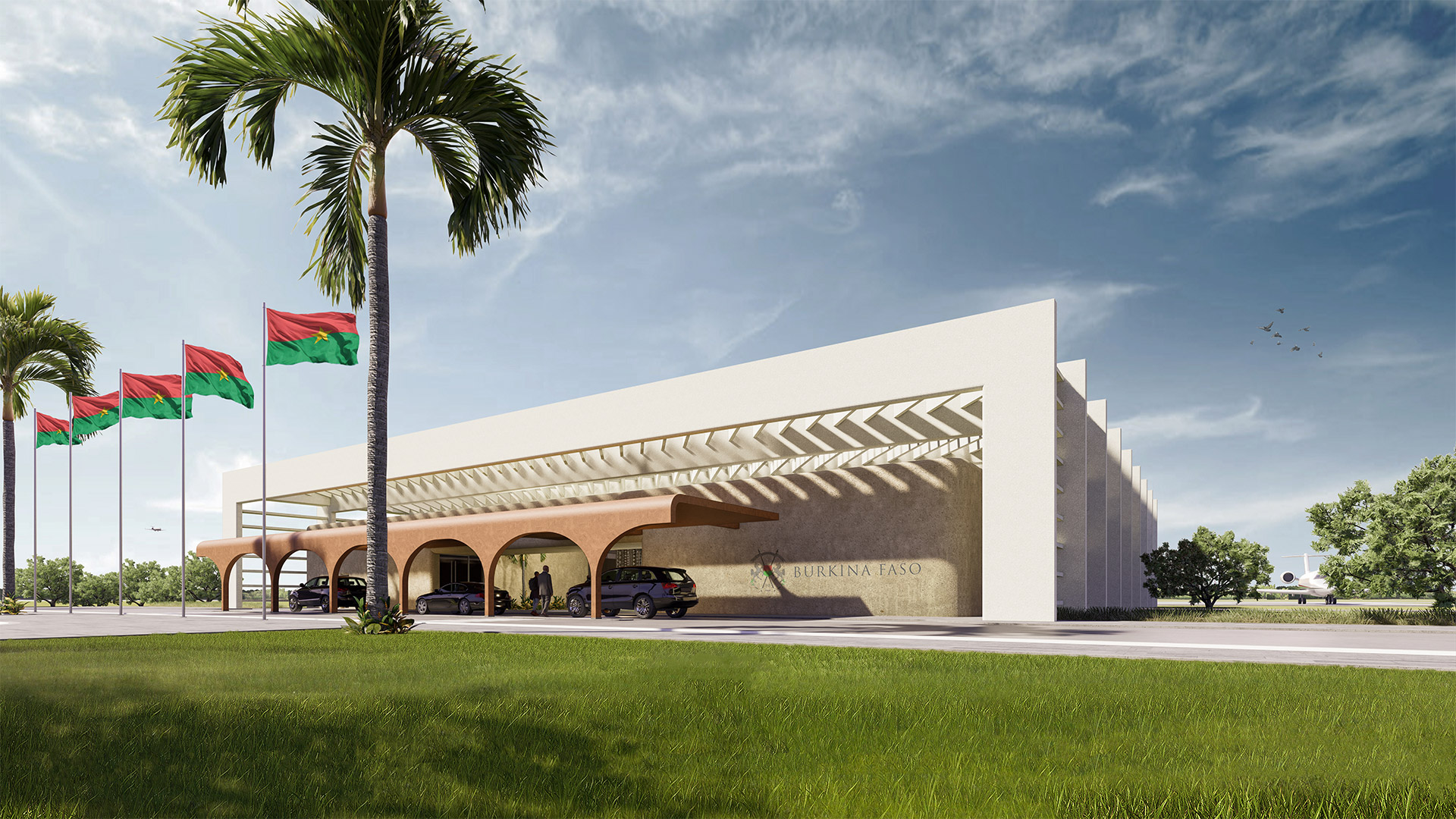
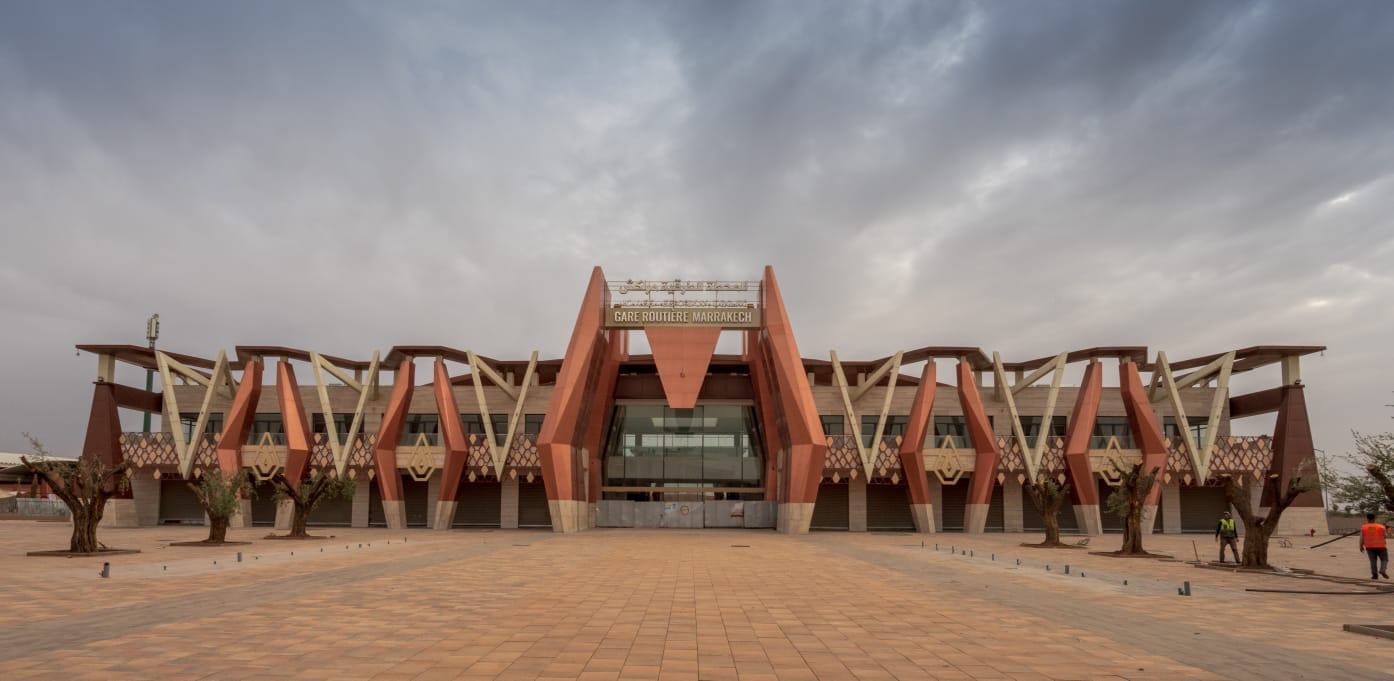
- Airports and transport stations: Offer long-lasting, weather-resistant roofing solutions.
Regulations and Technical Requirements for Deck Roofs
The design and installation of a deck roof must comply with several regulations to ensure its safety and efficiency. Key standards include:
- Technical Building Code (CTE): Covers aspects such as energy efficiency, thermal insulation, and structural safety.
- Eurocode 3: Defines calculation criteria for steel structures, including the profiled sheets used in deck roofs.
- Waterproofing standards: Specify requirements for correct installation of waterproofing membranes and protection against leaks.
Complying with these regulations is essential for the proper functioning of the deck roof and its integration with the rest of the building’s structure.
Deck roofs are an efficient solution in industrial construction thanks to their rapid installation, thermal insulation capacity, and structural strength.
Their use in industrial buildings, shopping centers, and logistics facilities helps optimize energy performance and reduce project timelines.