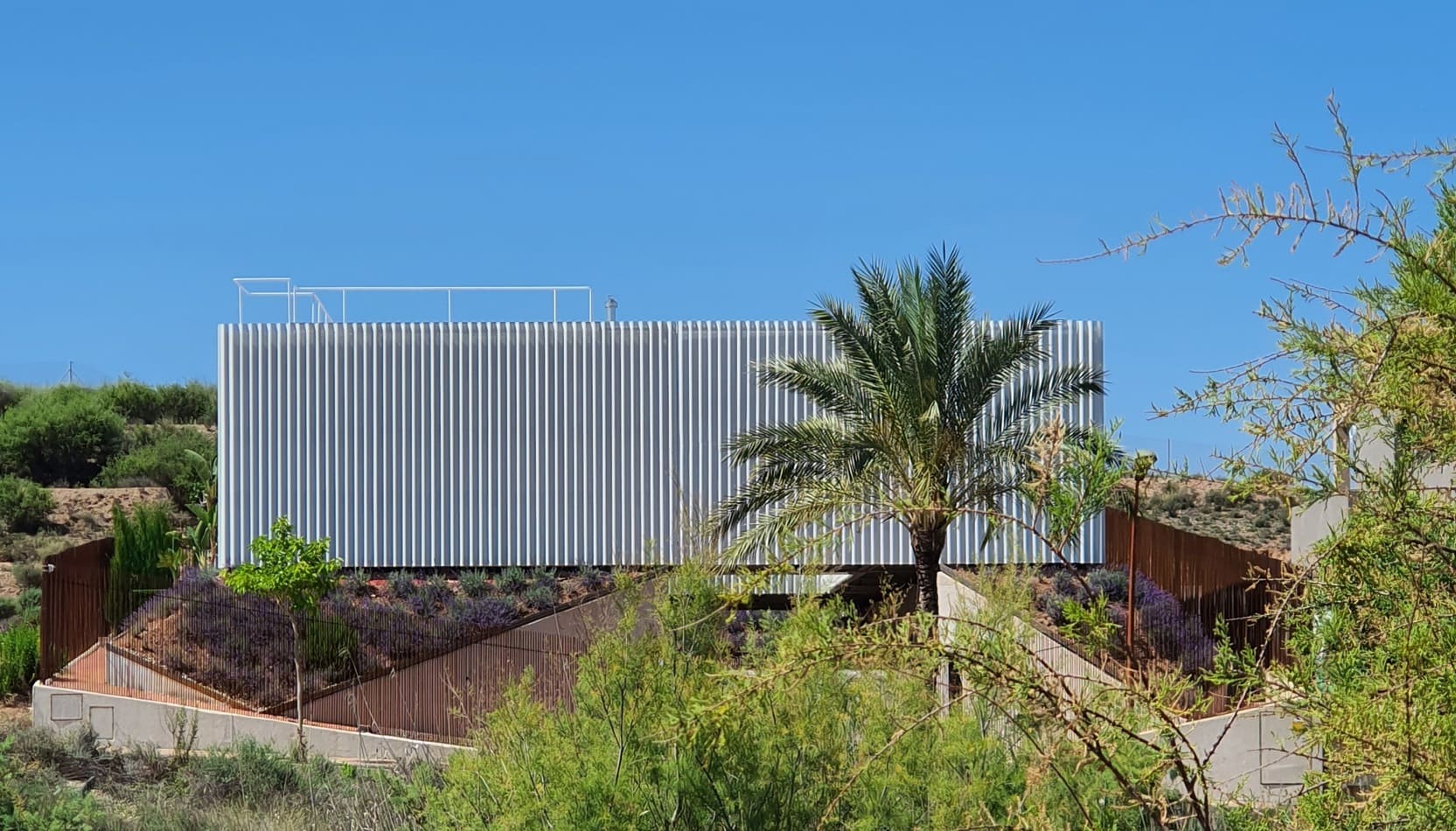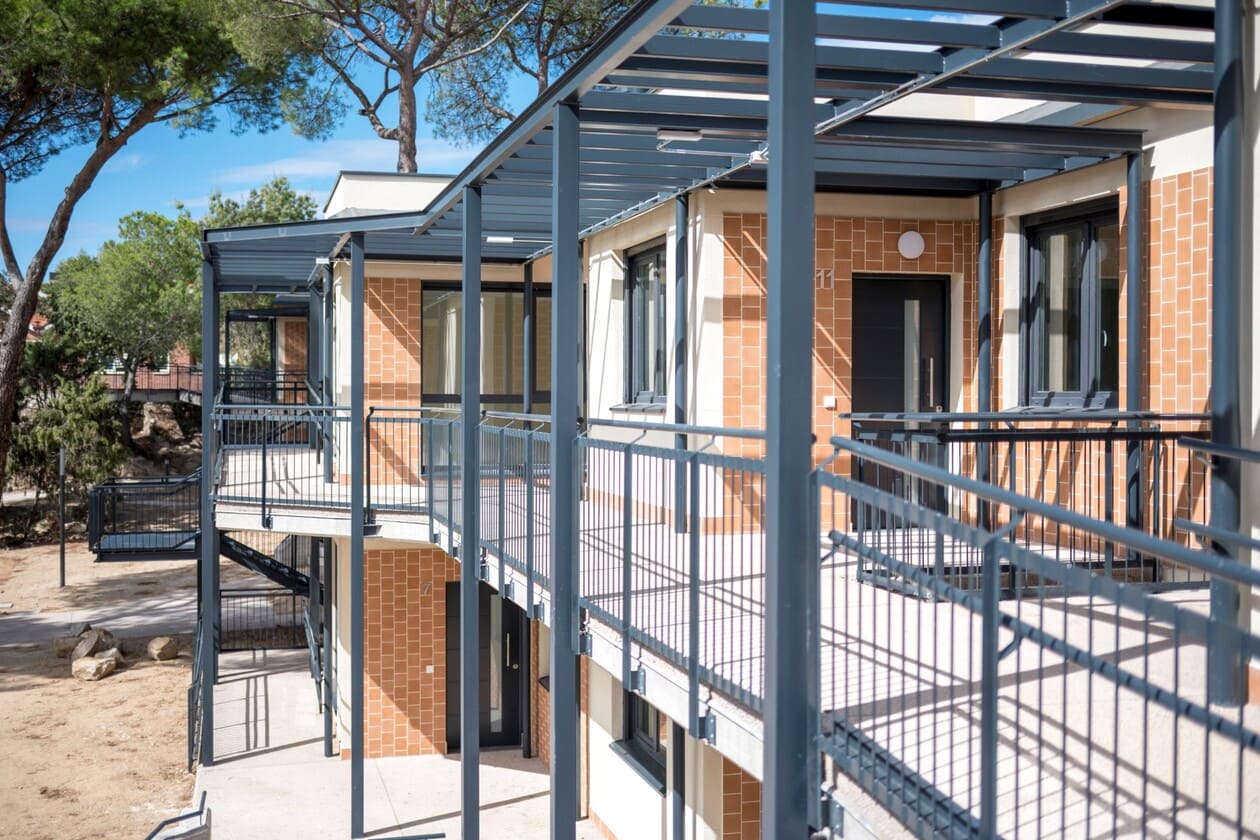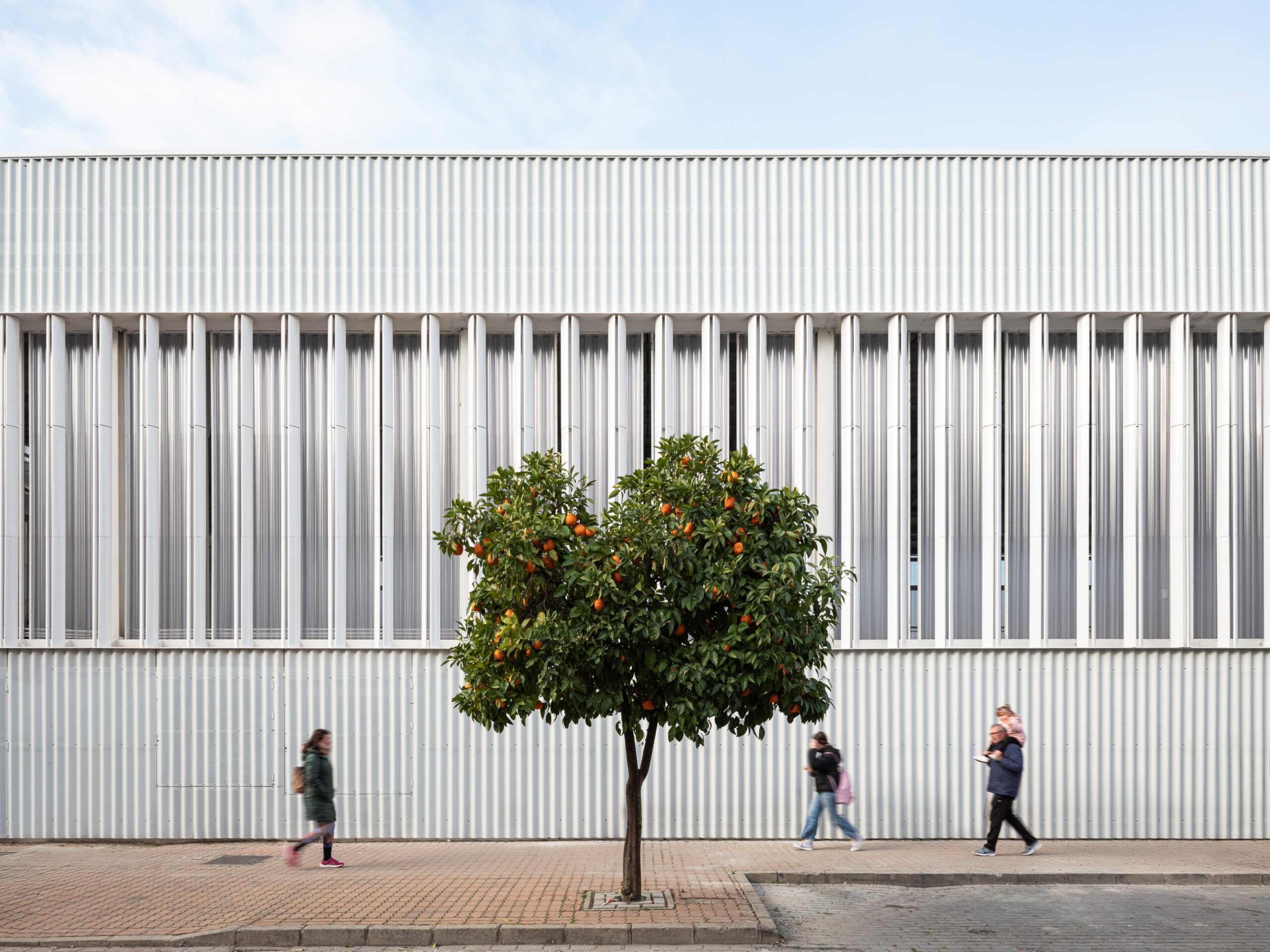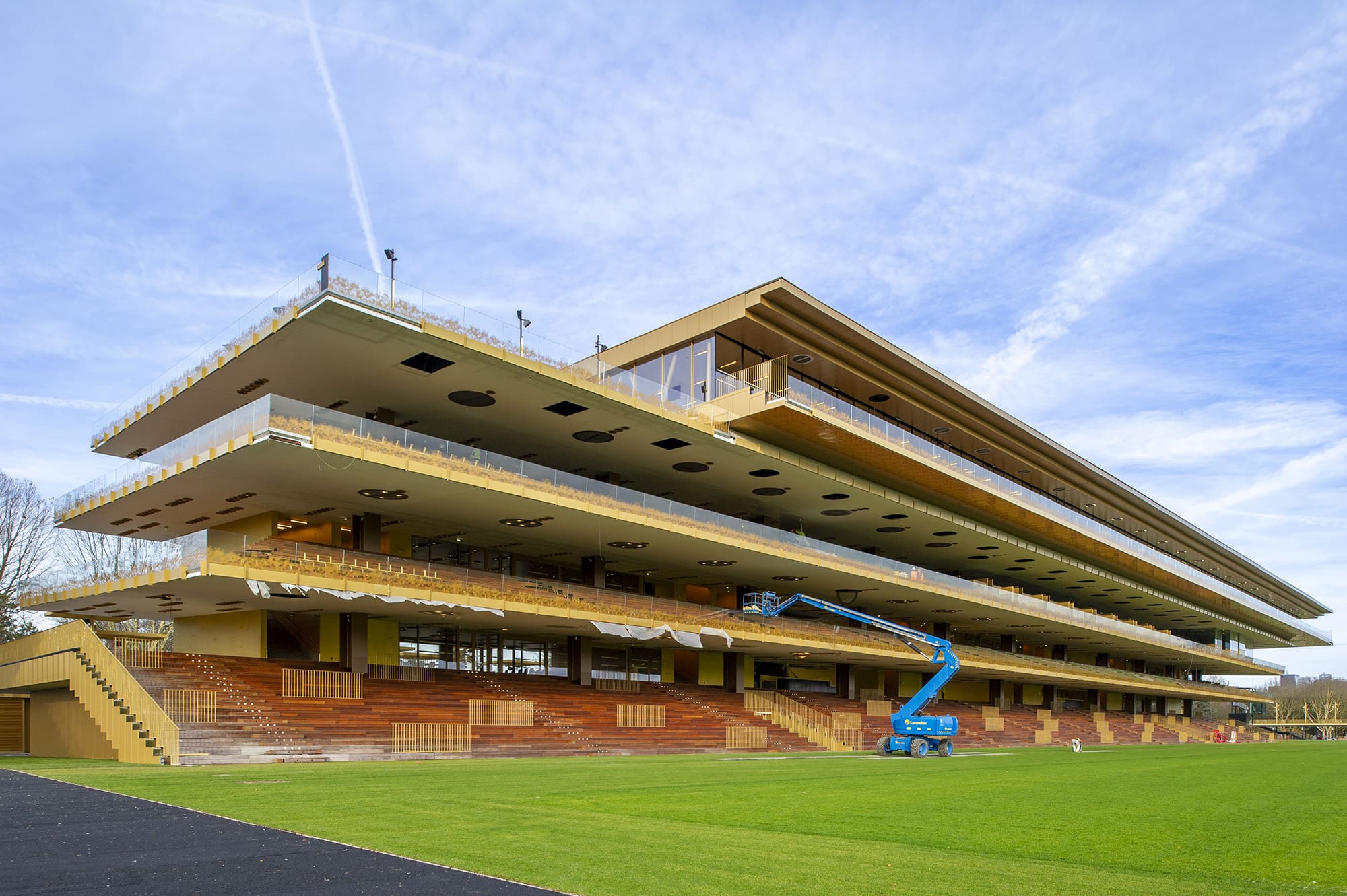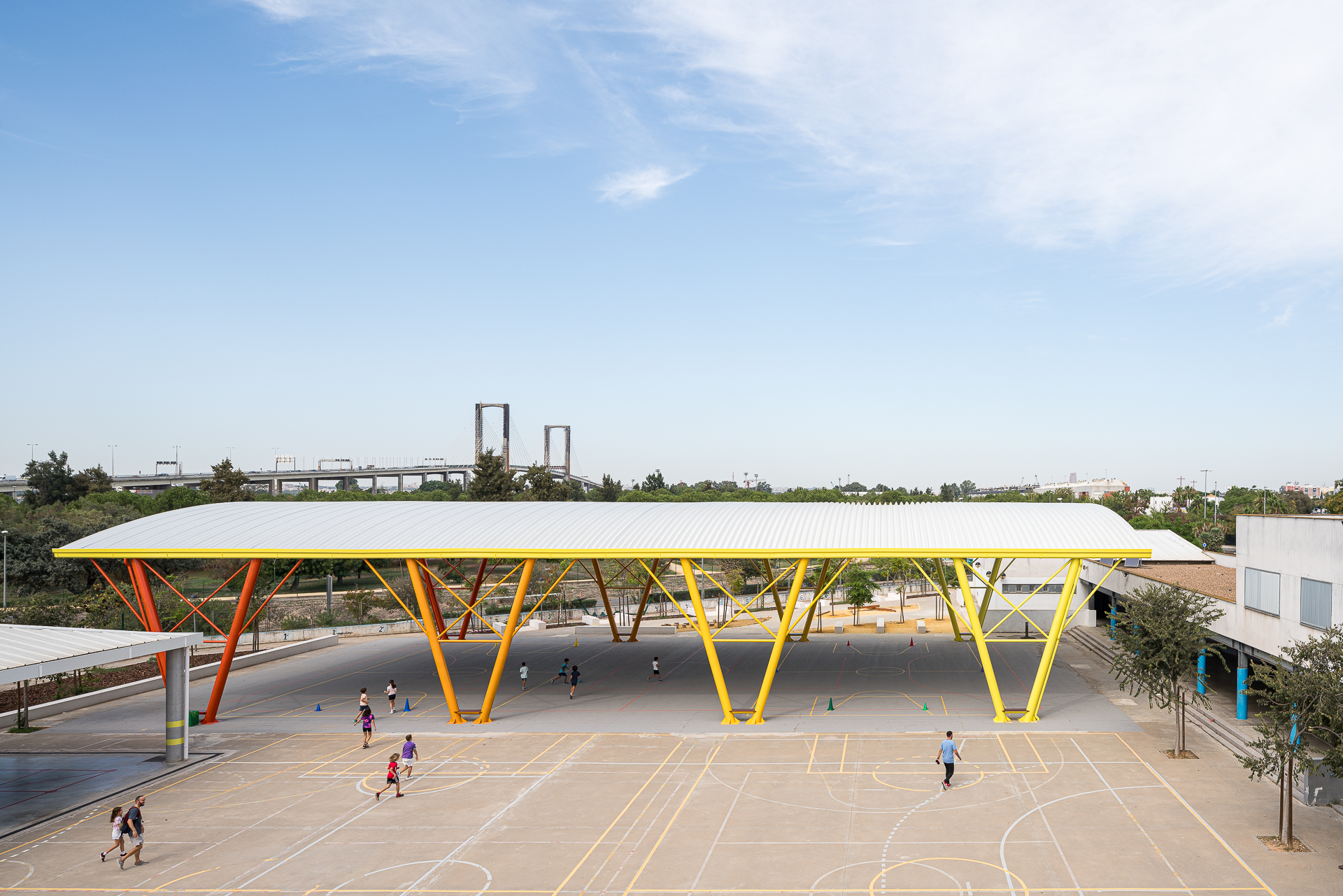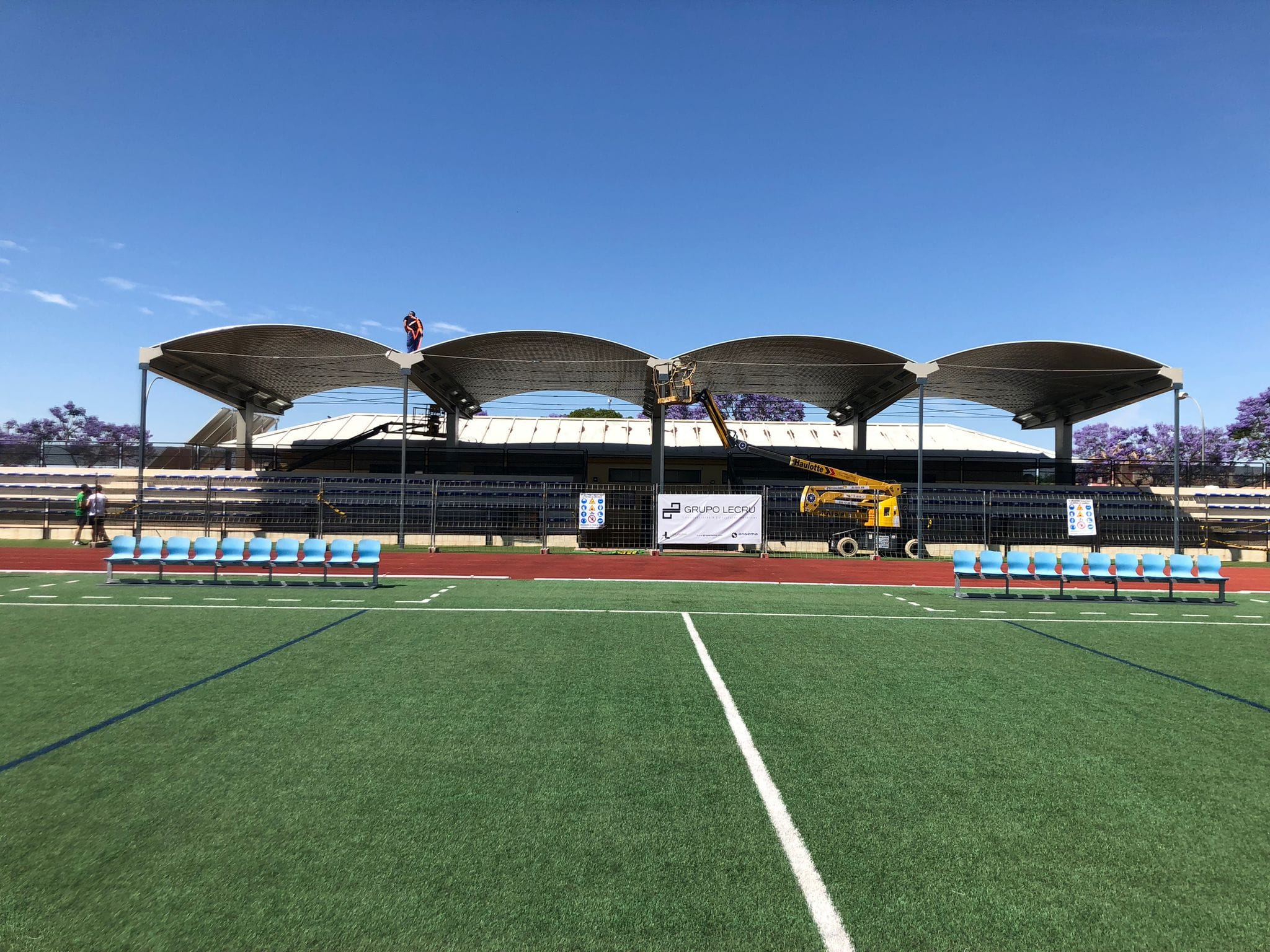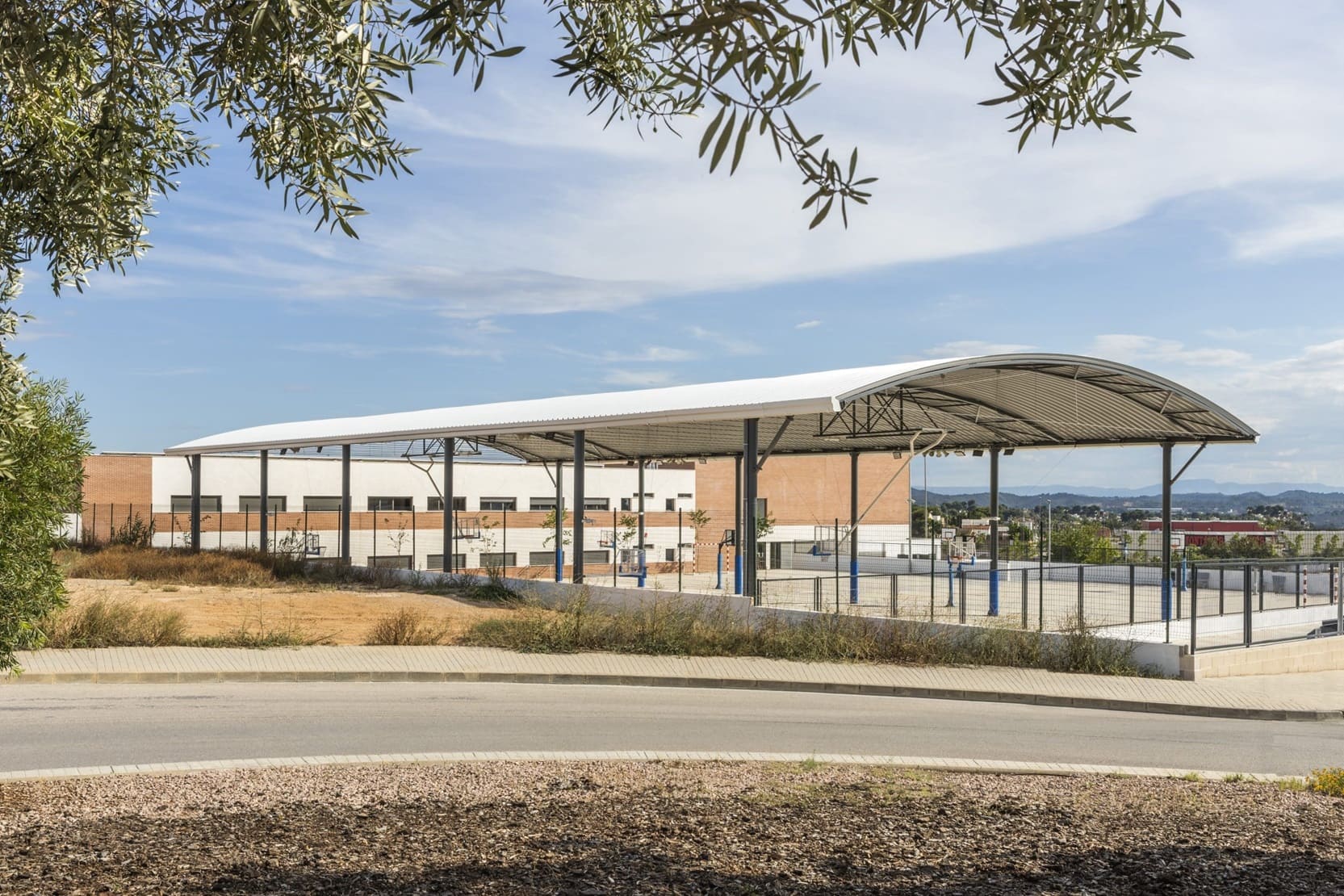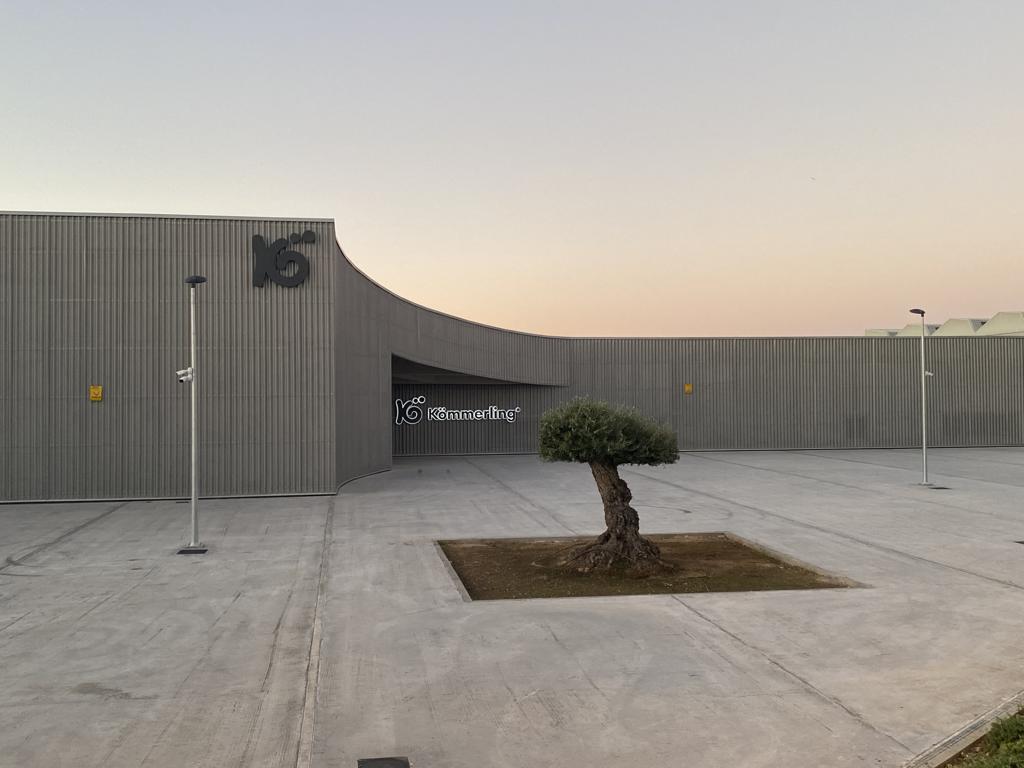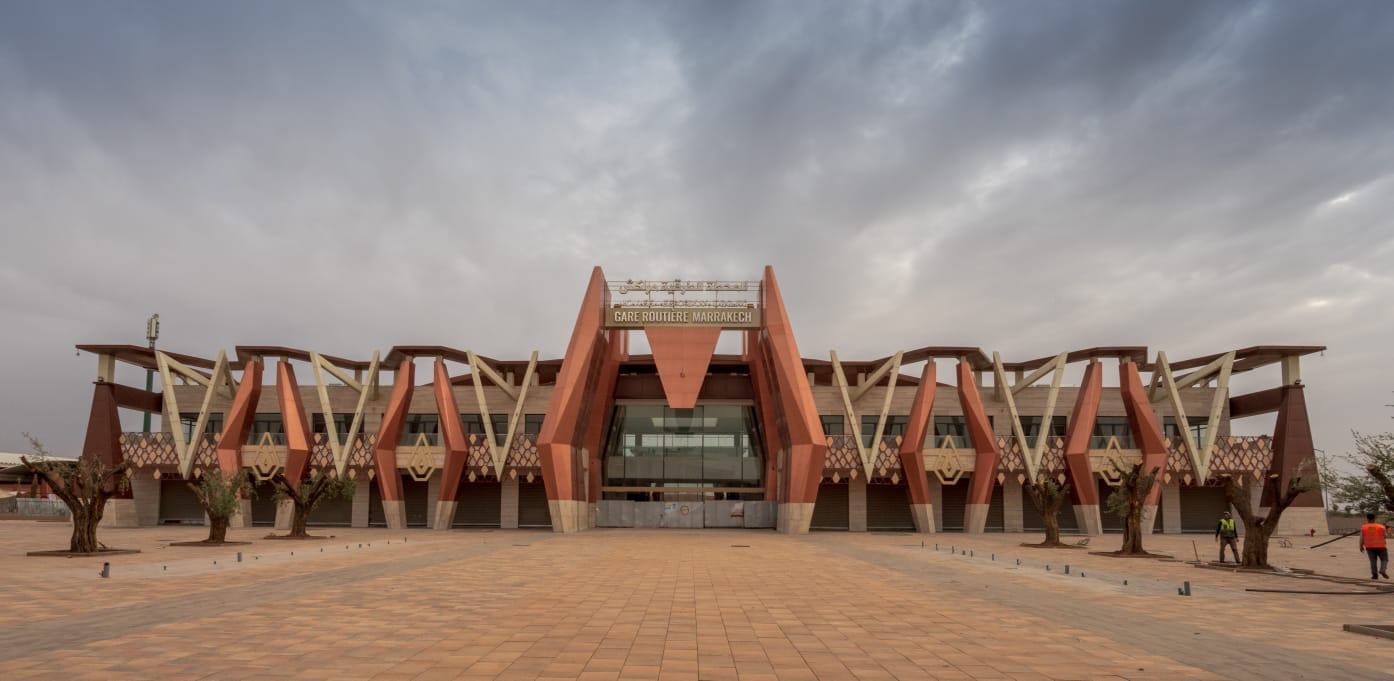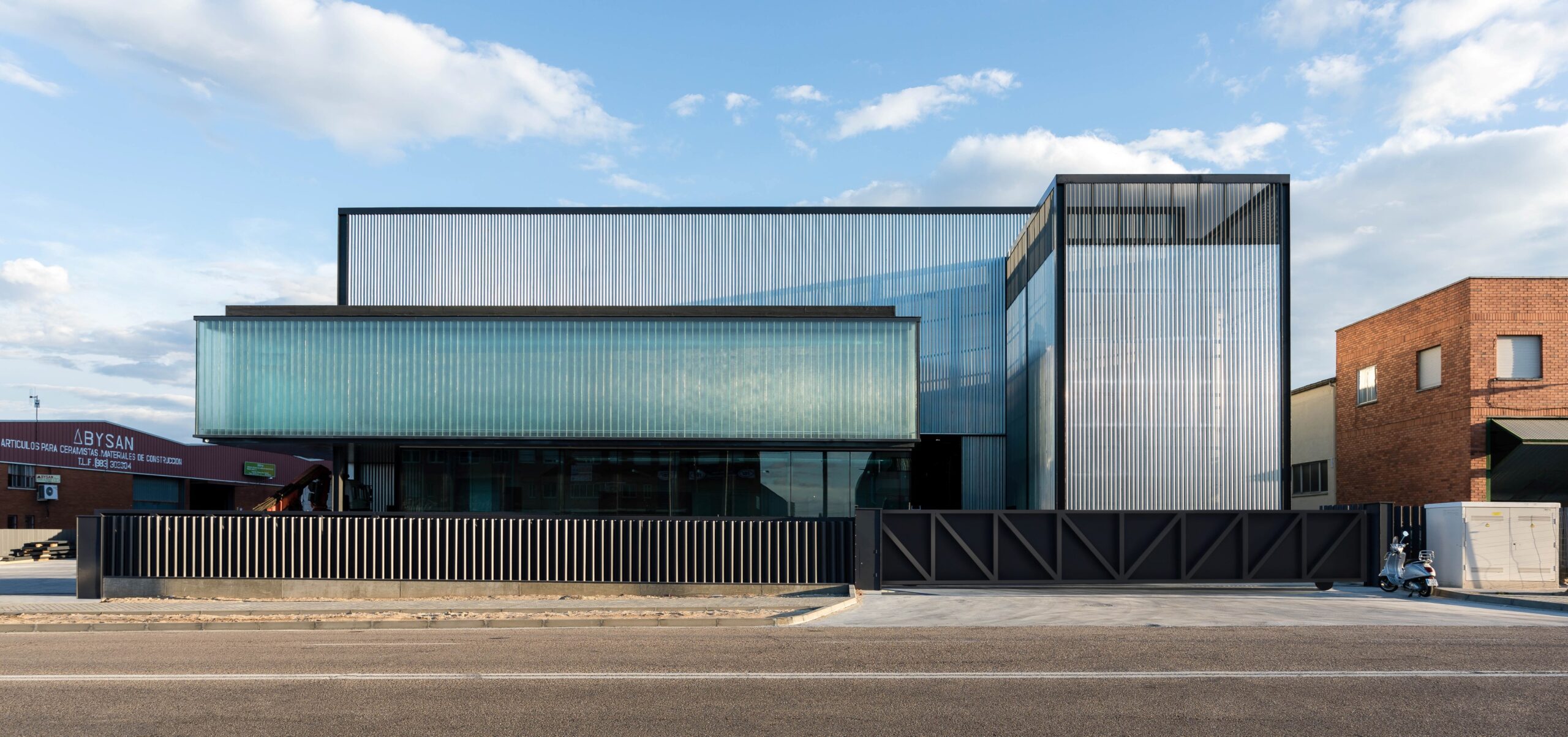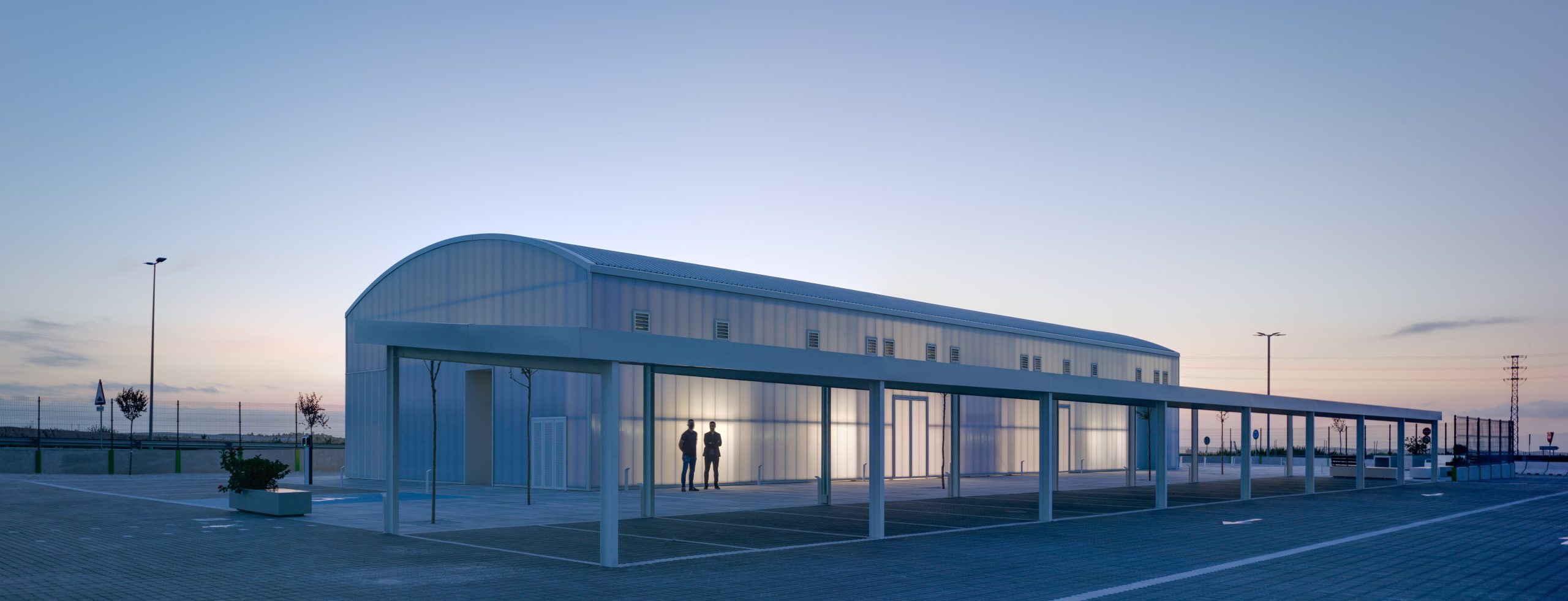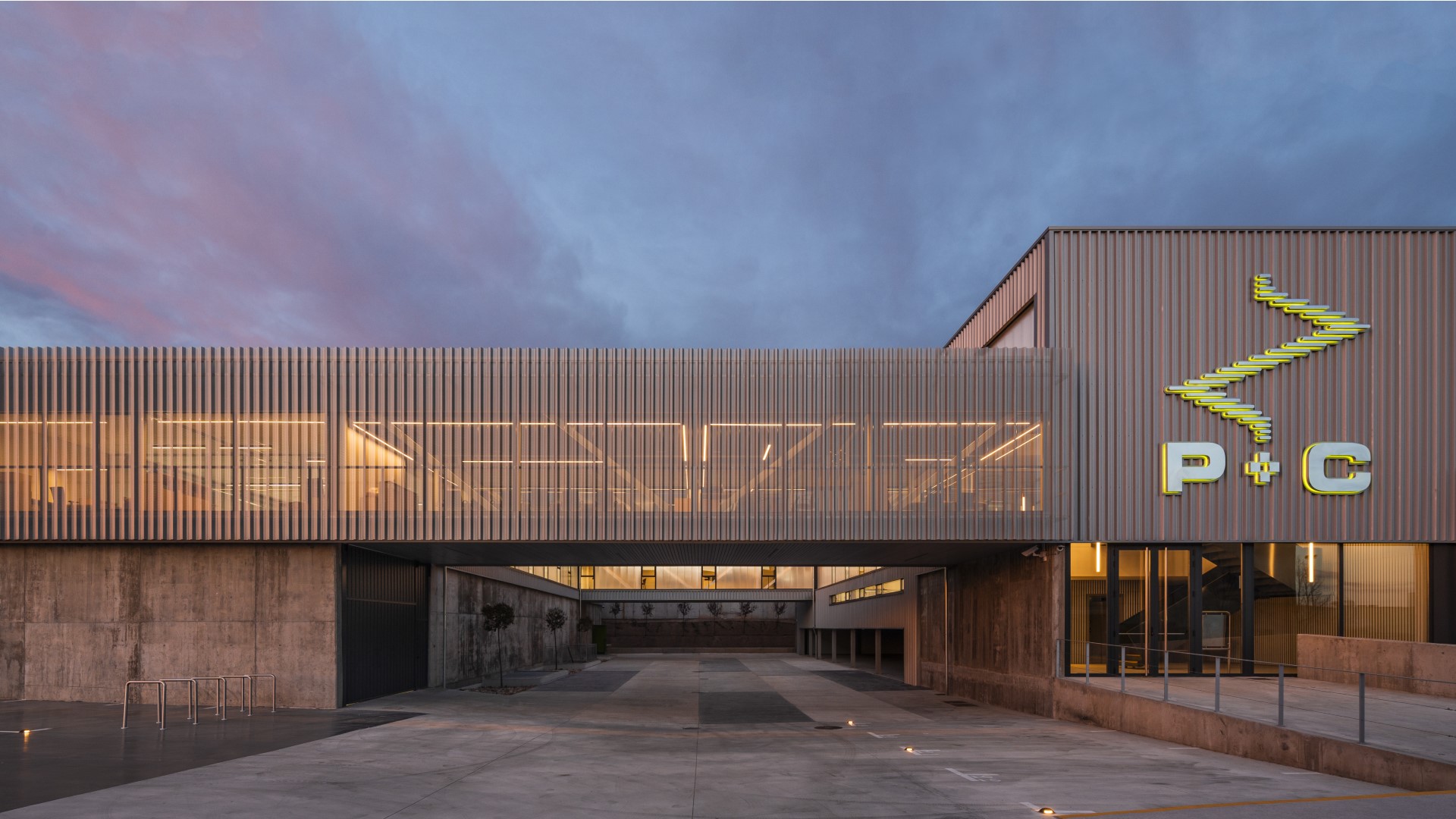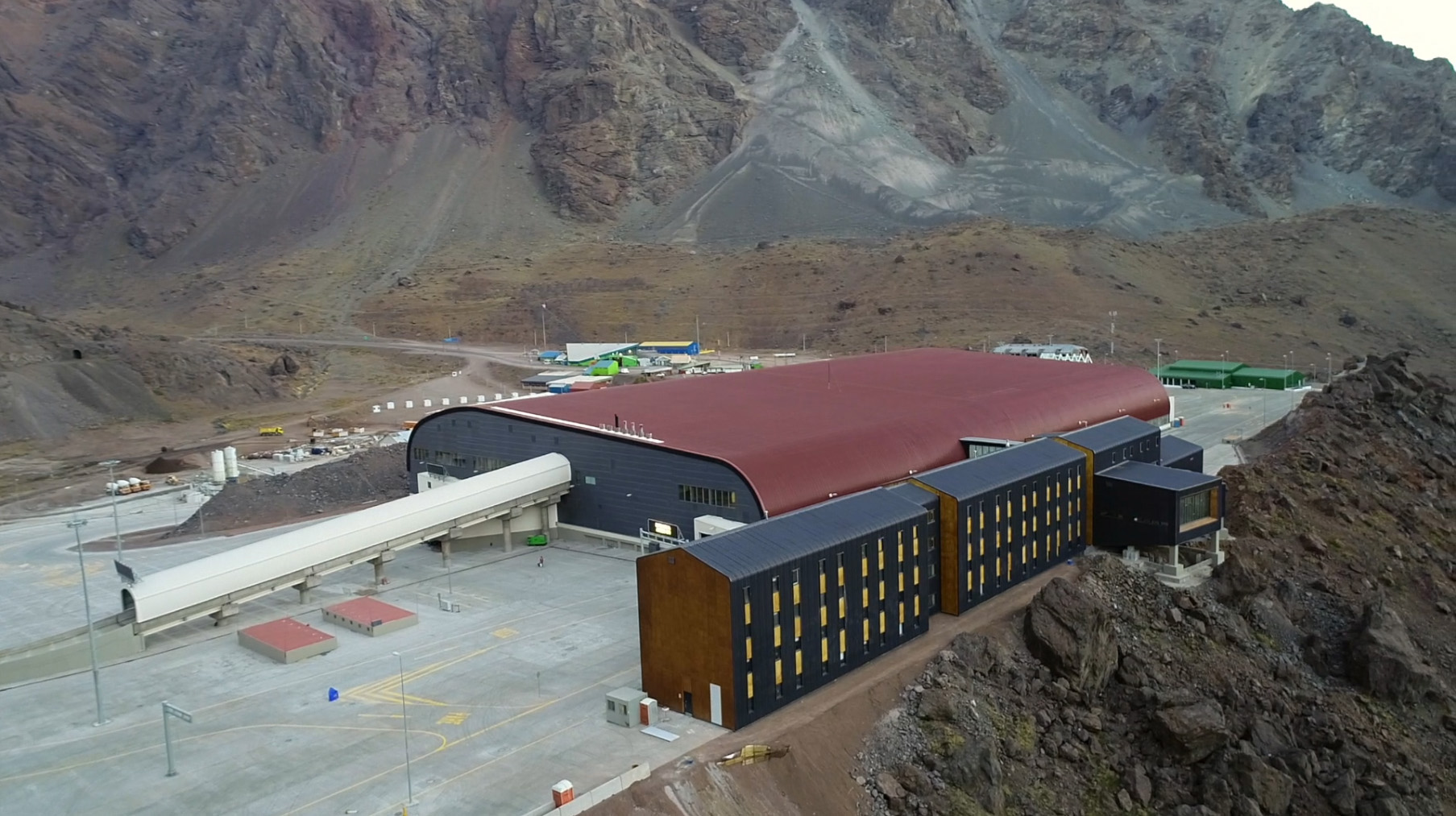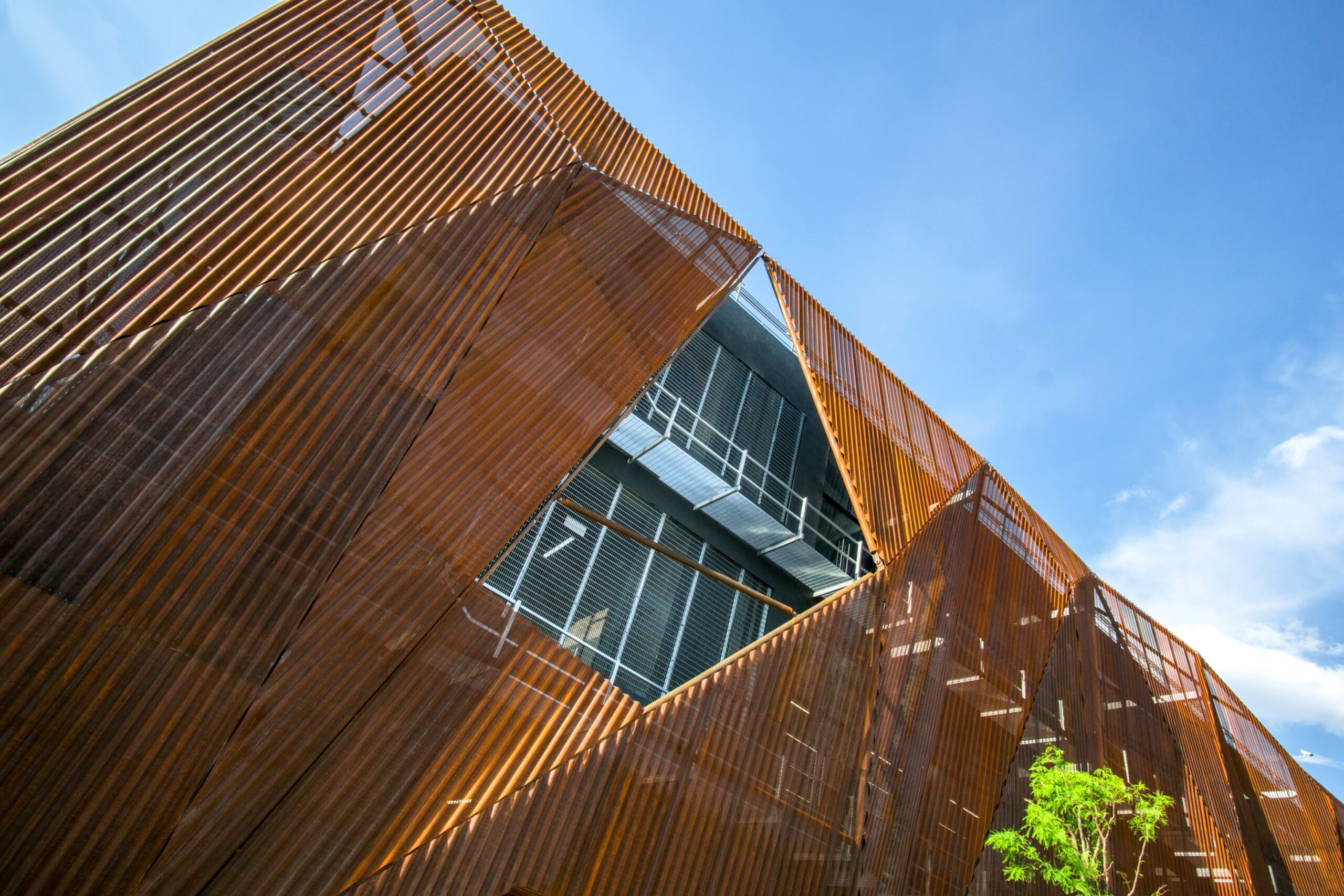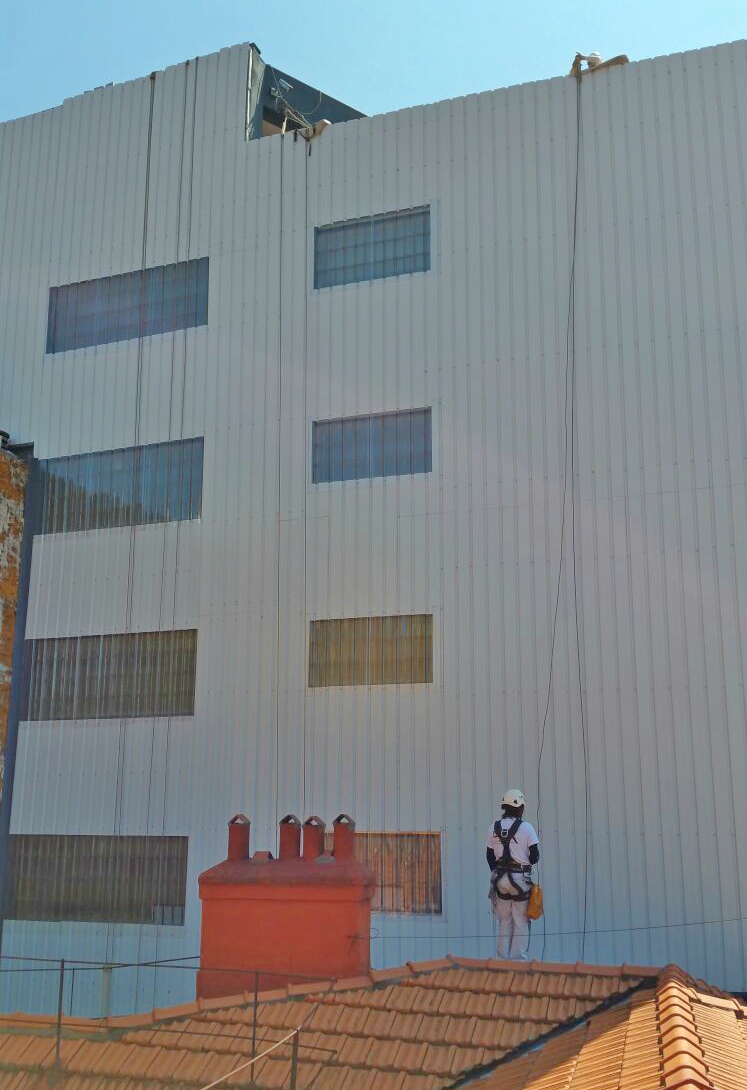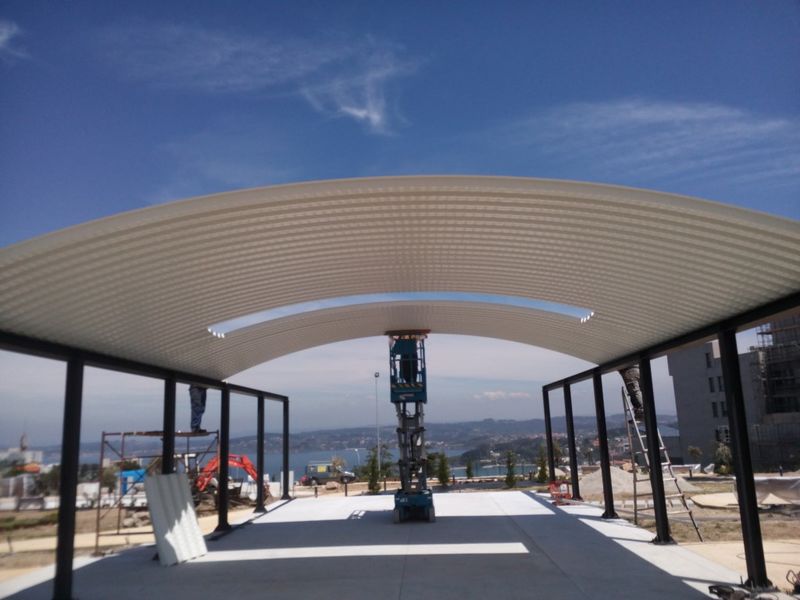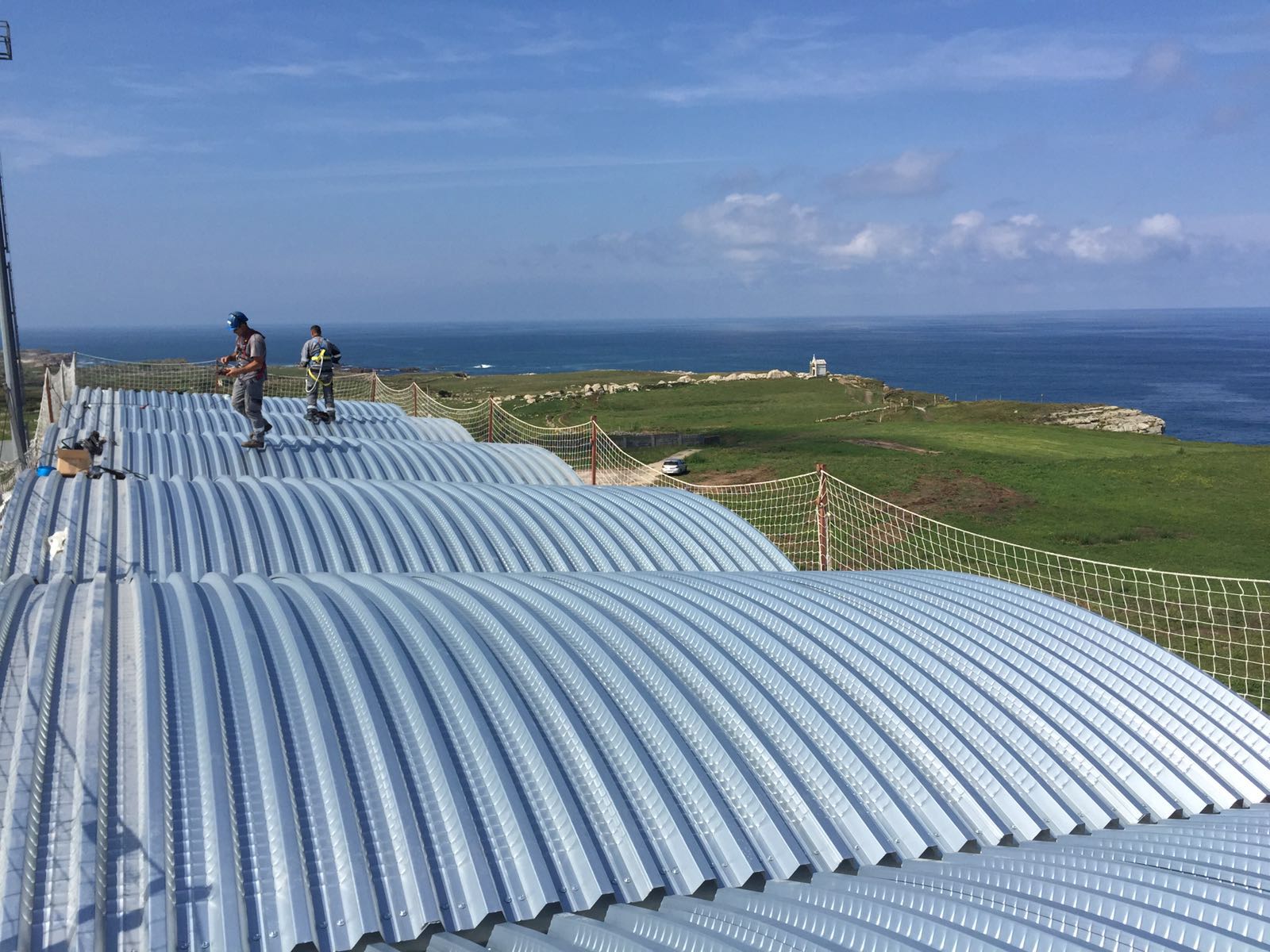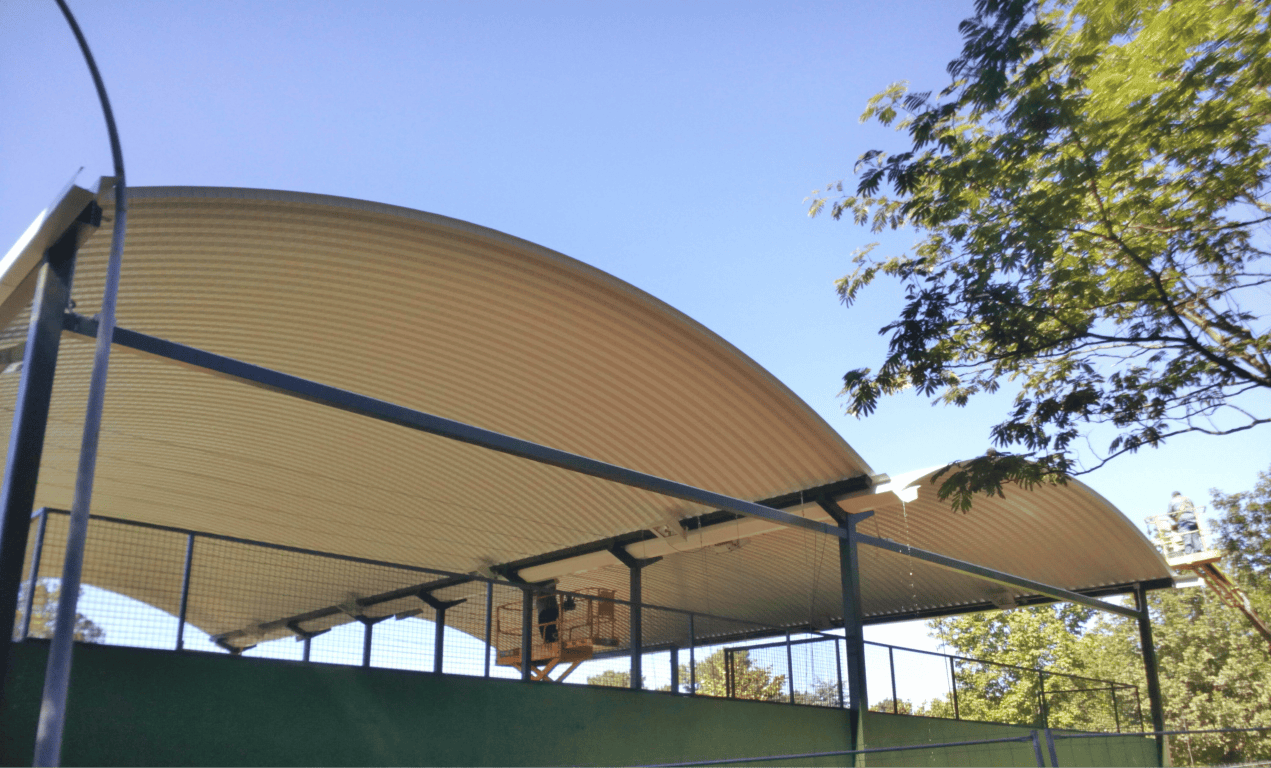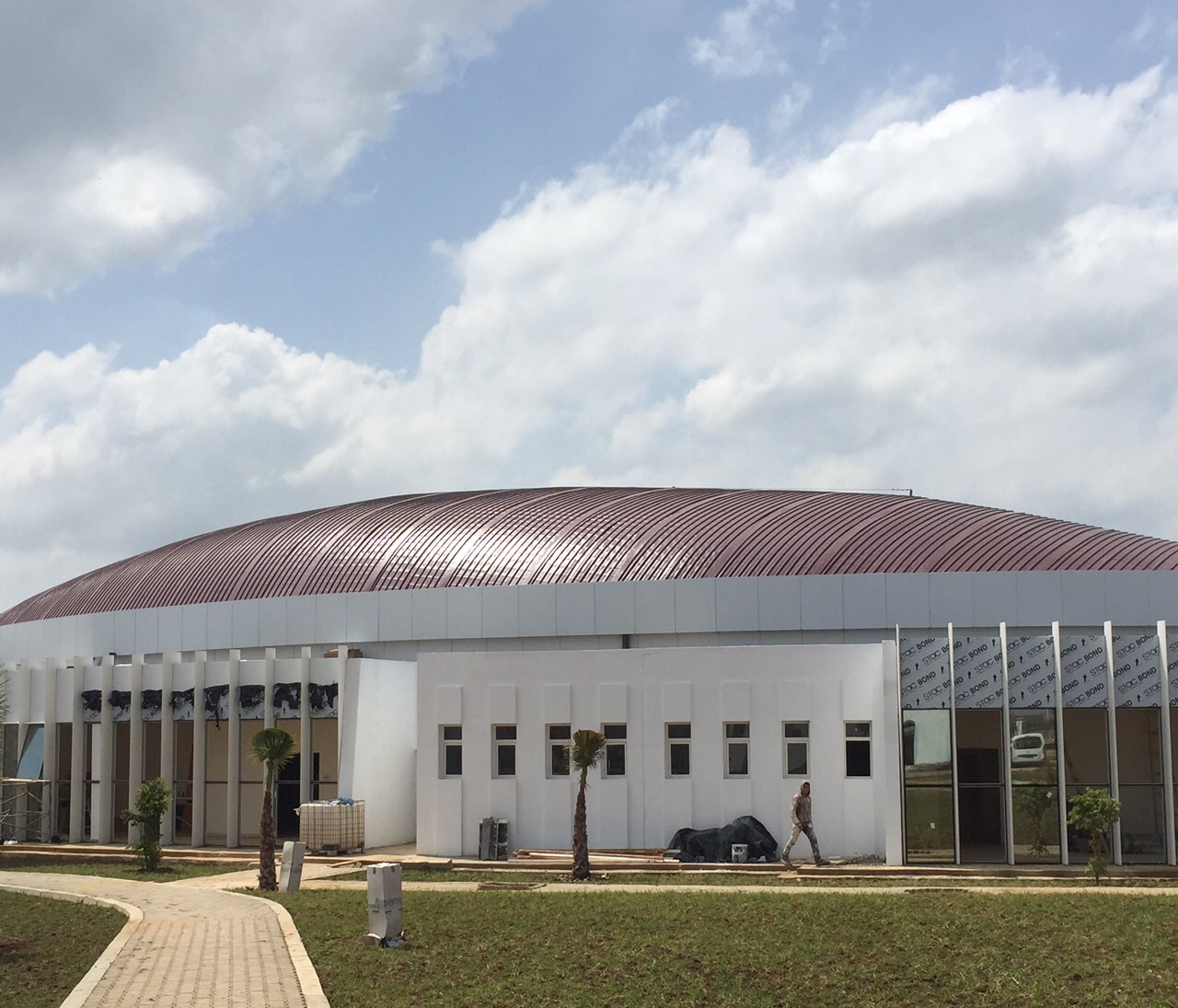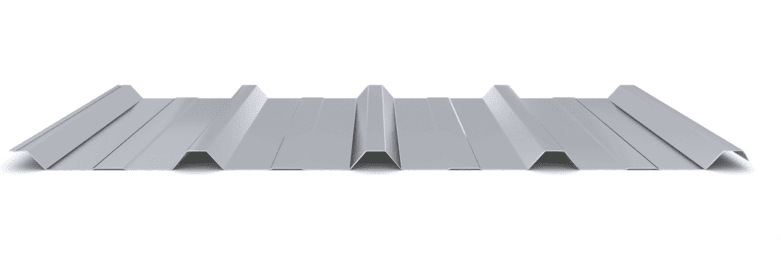
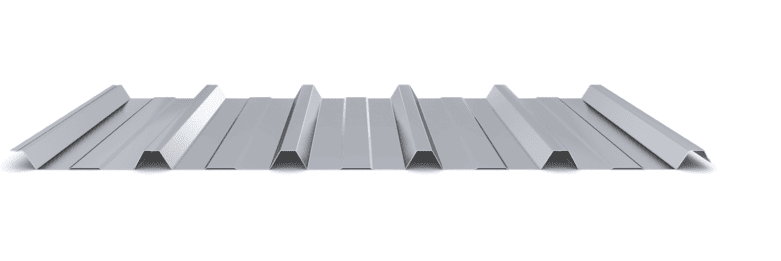
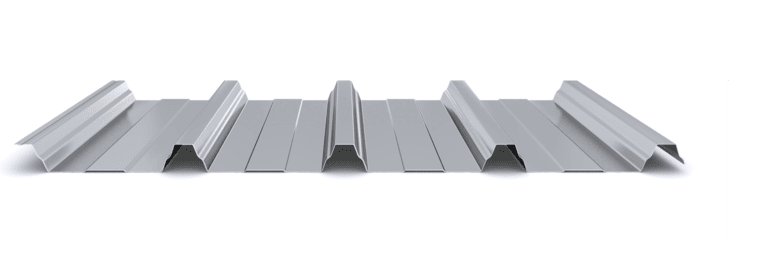
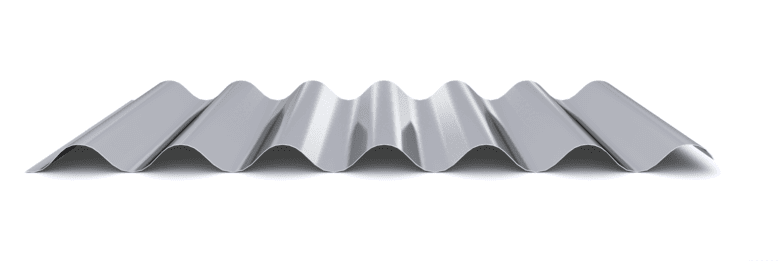
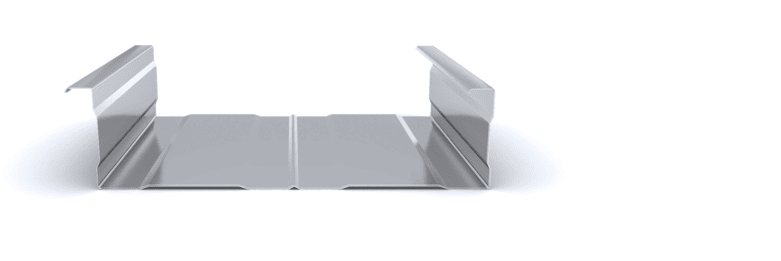
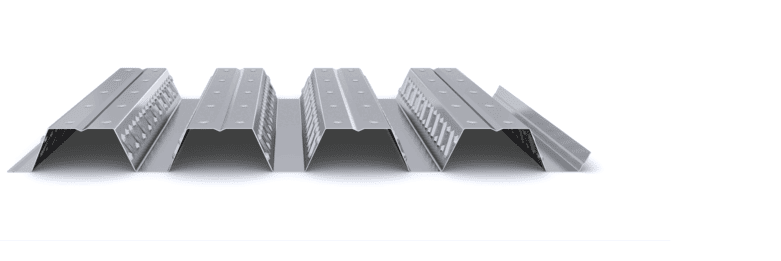
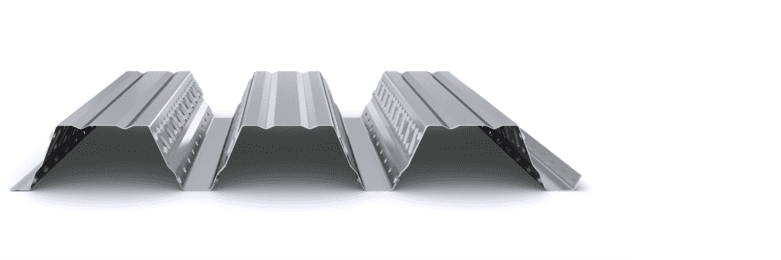
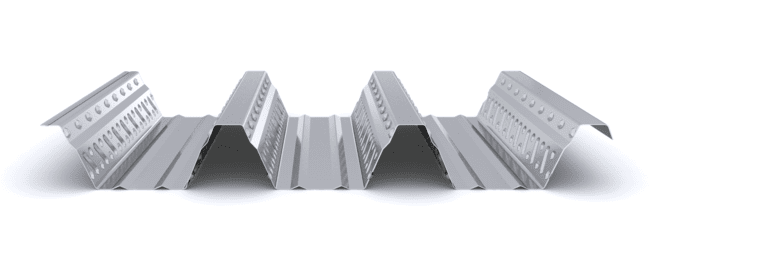
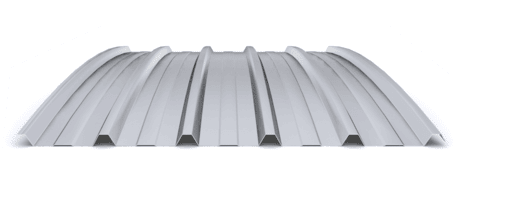
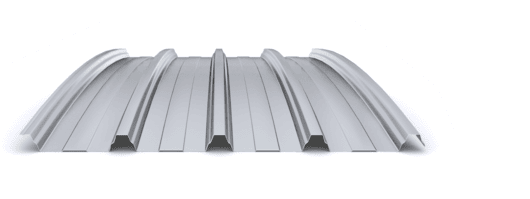
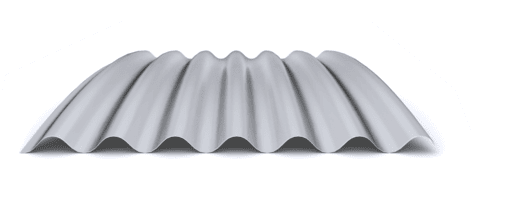
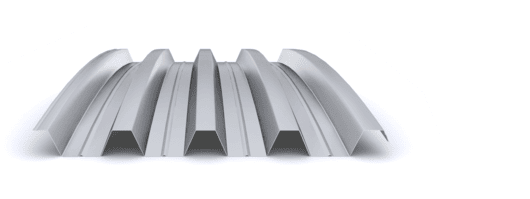
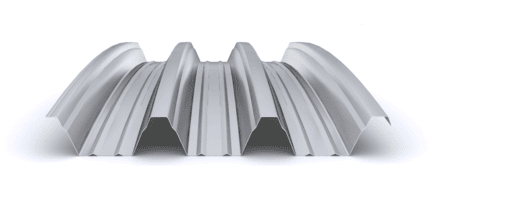
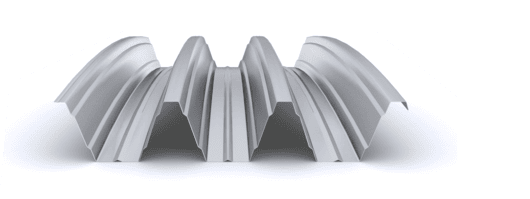
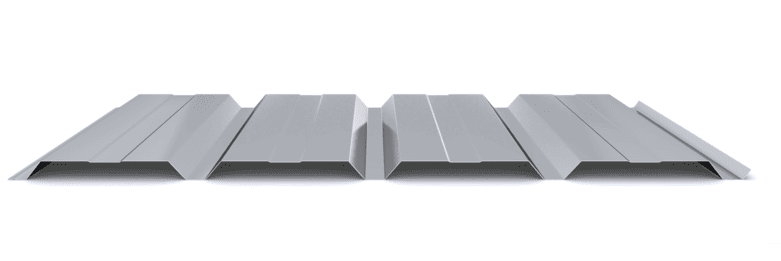
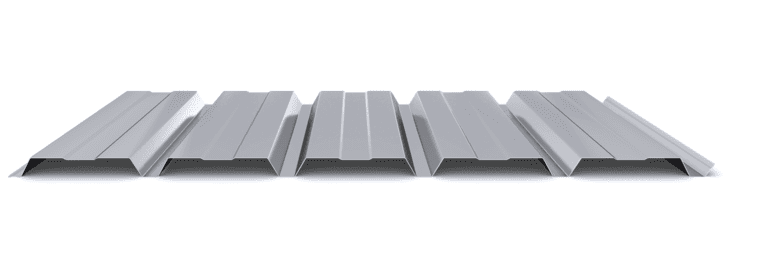
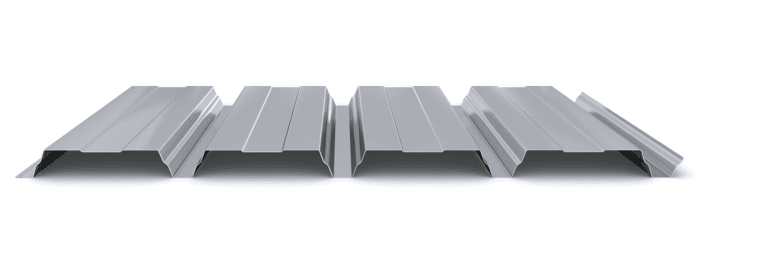
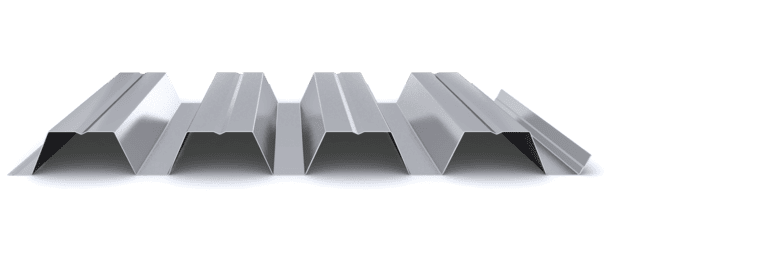
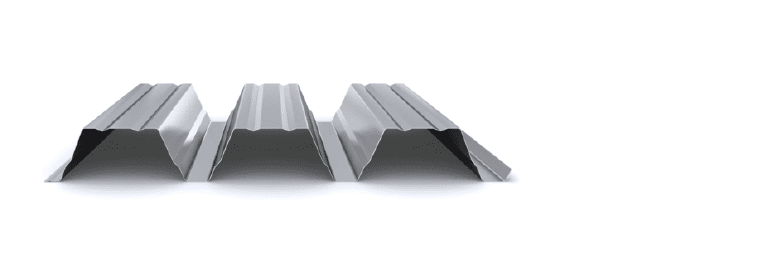
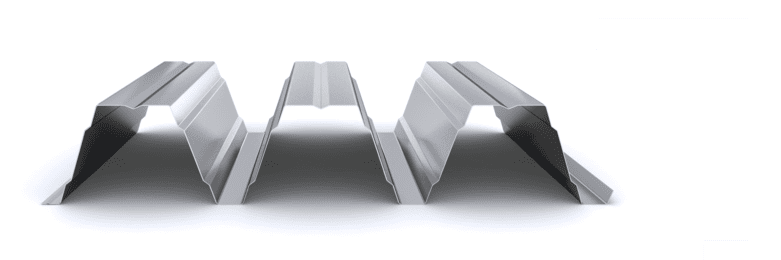
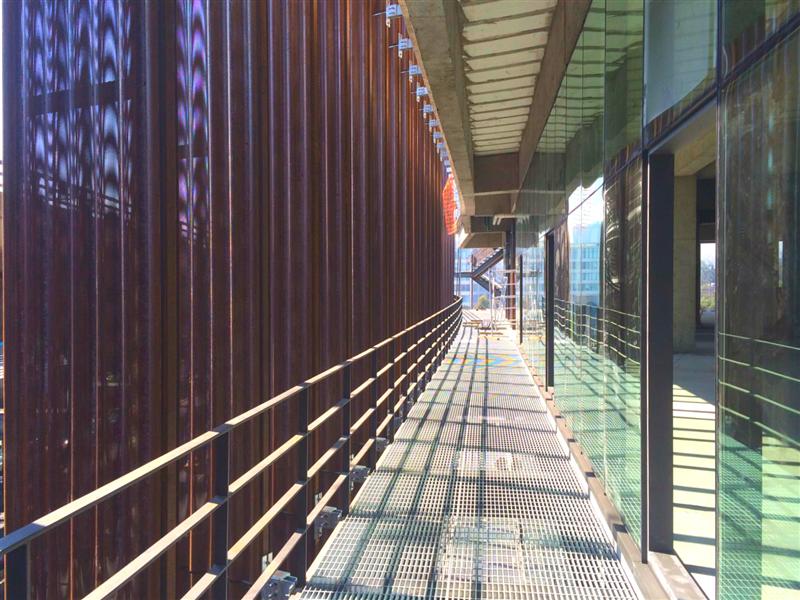
Corten steel stands out for its resistance to atmospheric corrosion and its characteristic appearance, thanks to a protective oxide layer formed by its copper and chromium alloy, being ideal for facade applications with minimal maintenance.
Corten steel is a steel alloy developed to eliminate the need for paint and form a stable rust appearance on the exposed surface. Its chemical composition includes a high content of copper, chromium, nickel and phosphorus, which gives it superior resistance to atmospheric corrosion. These elements allow the formation of a protective layer of oxide that, unlike normal steel, acts as a barrier to prevent the penetration of corrosion, thus increasing its durability. Among its notable properties, Corten steel is known for its weather resistance and low maintenance.
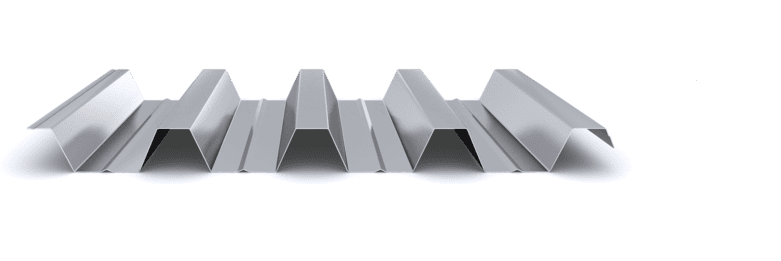
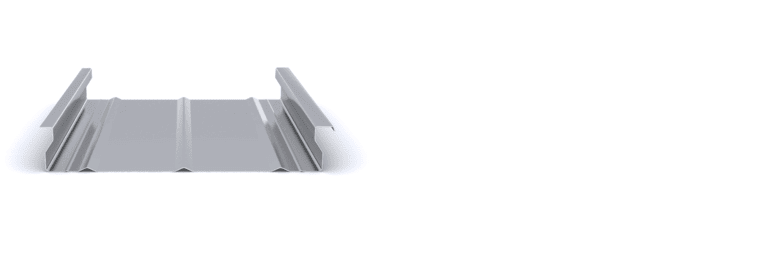
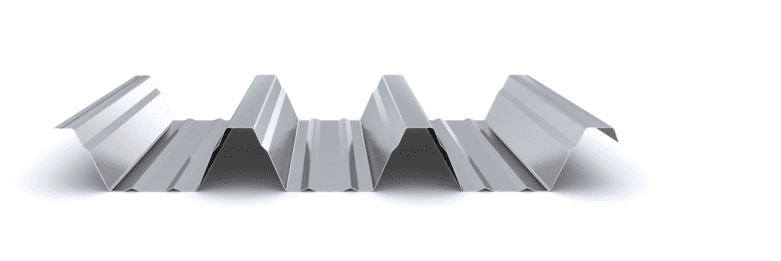
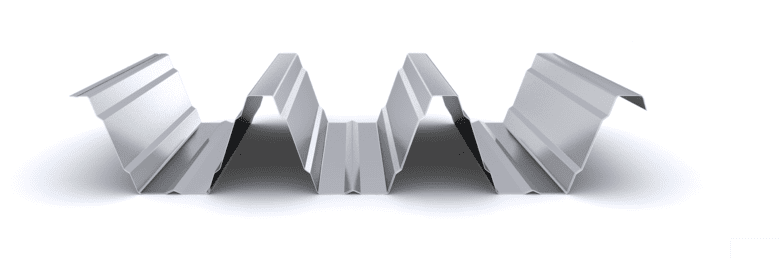
The manufacture of the Corten steel enclosure profiles is carried out in a raw state. Once the enclosure is installed, due to its exposure to the elements, it develops a natural patina finish that not only protects the material, but also provides it with a characteristic aesthetic finish, widely used in architecture and design. This patina evolves over time depending on the degree of oxidation, adding a dynamic and changing character to the appearance of the material.
Design Considerations
Before designing a Corten steel facade, certain precautions must be taken into account. Below we list the most important aspects to consider:
Environmental conditions: The use of Corten steel is not recommended in environments with continuous humidity (more than 60% of the time), in buildings less than 1 km away from the sea, and in areas in contact with salt or less than 1 m away. of the vegetation.
Humidity reduction: To reduce permanent humidity on Corten steel, the project design must prevent the accumulation of water, dust, leaves and dirt in the evacuation elements, and ensure proper ventilation of the building.
Prevention of galvanic corrosion: Corten steel should be separated from more noble metals such as stainless steel, copper, lead or tin, as well as from less noble metals such as zinc and aluminum when exposed to rainwater.
Limitation of irregular discoloration: It must be ensured that water flows evenly over the entire surface and avoid possible water entry due to capillarity. Even so, the patina will not be completely uniform, since it is a living material.
Prevention of damage due to patina release: It is essential to carry out a runoff study to avoid damage during the natural oxidation phase of the pieces. This prevents the release of the patina or rust from causing irreversible damage to adjacent elements or the roadway.
These are some of the basic tips for the correct use of Corten steel. Incoperfil has a technical department that can advise you on any questions you may have regarding your project.