
Request a
calculation form

Home / Projects / Self-supporting multi-layer industrial façade with INCO 157.1 Tray profile in TAC area of ​​Tangier – Morocco
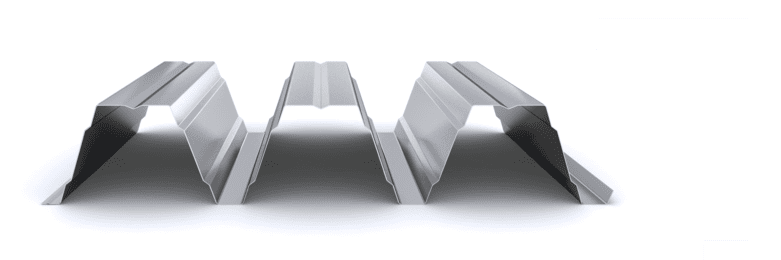
Bandeja INCO 157.1 para  Baomac Electronic Morocco

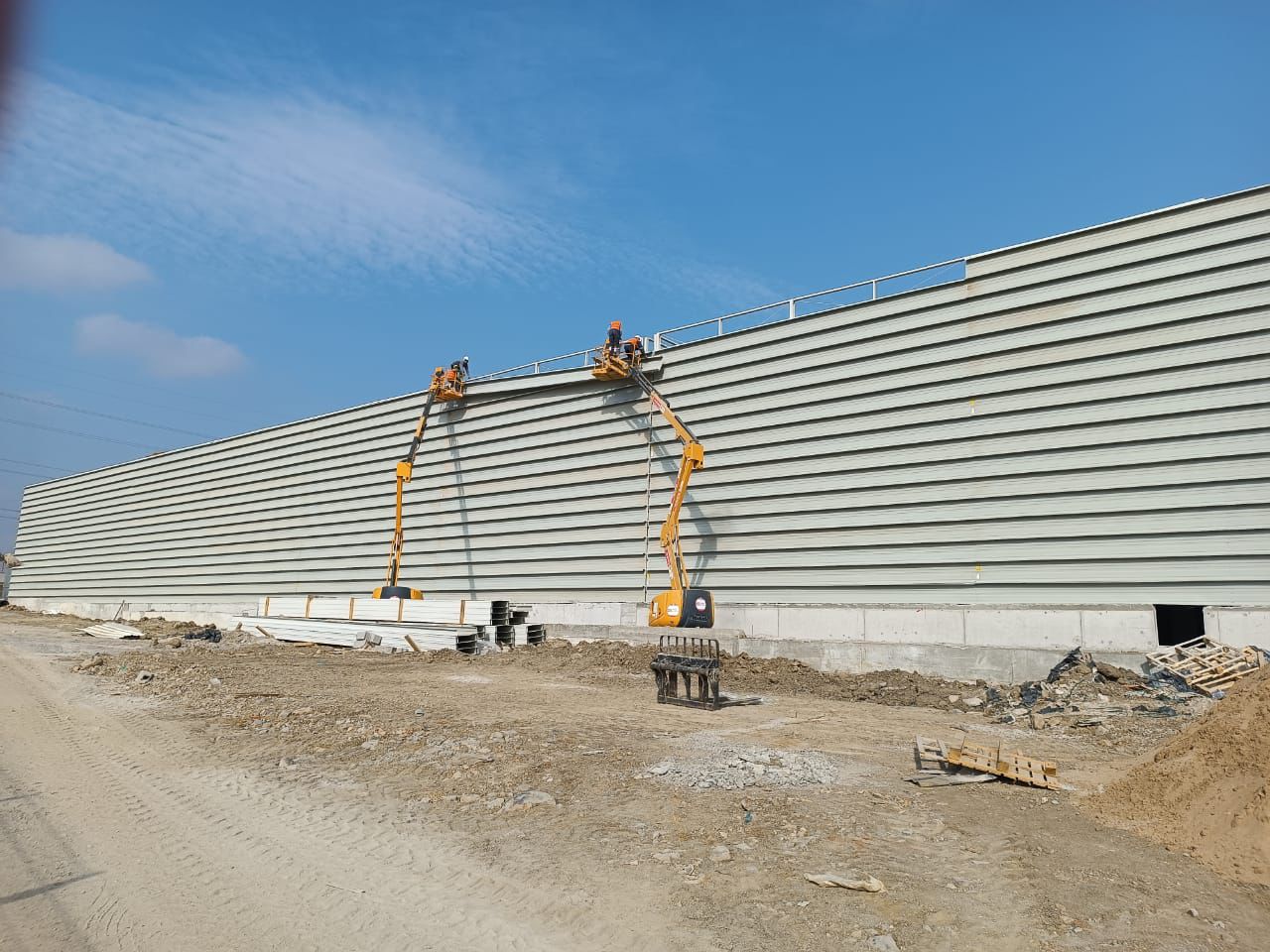
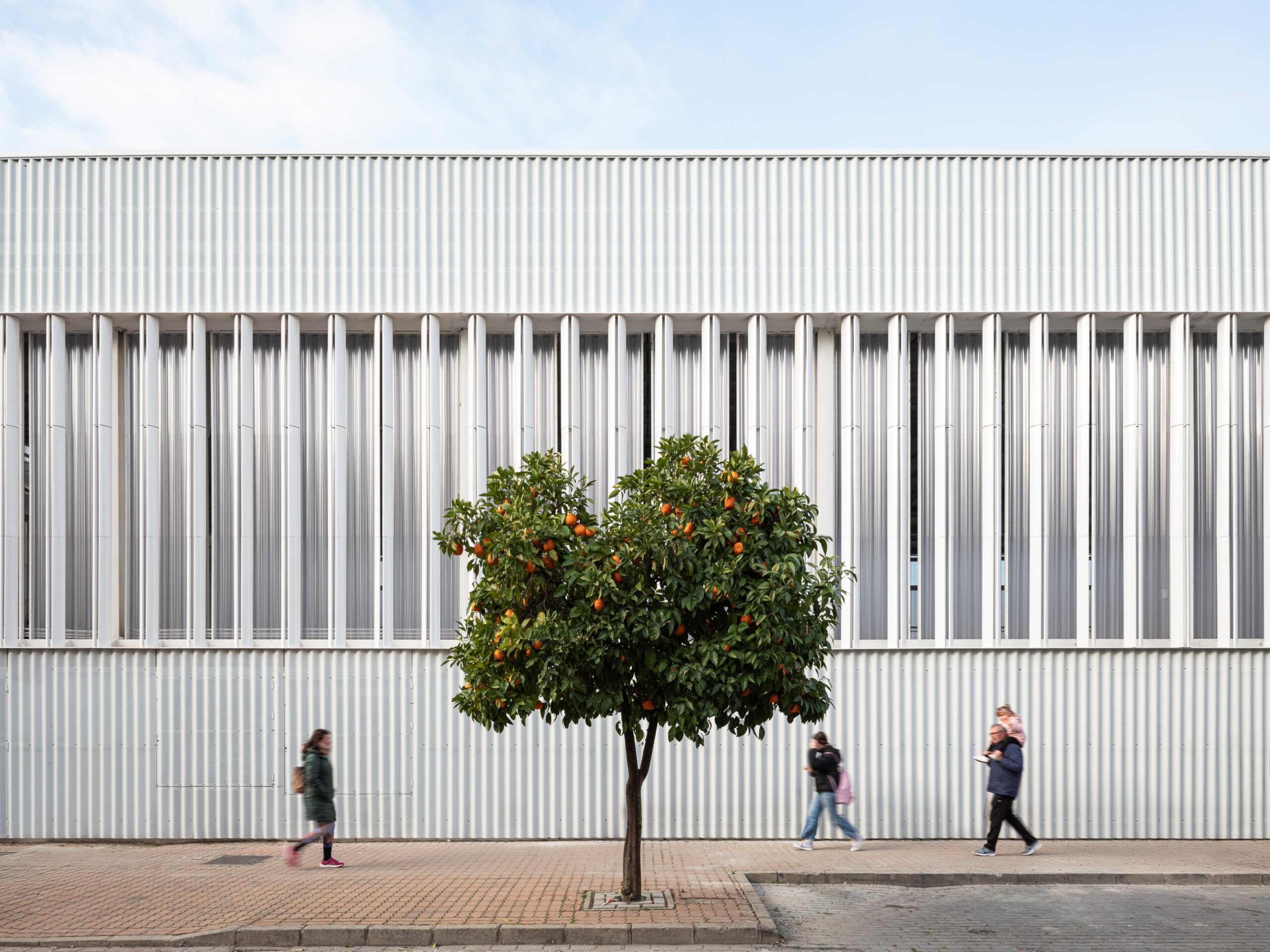
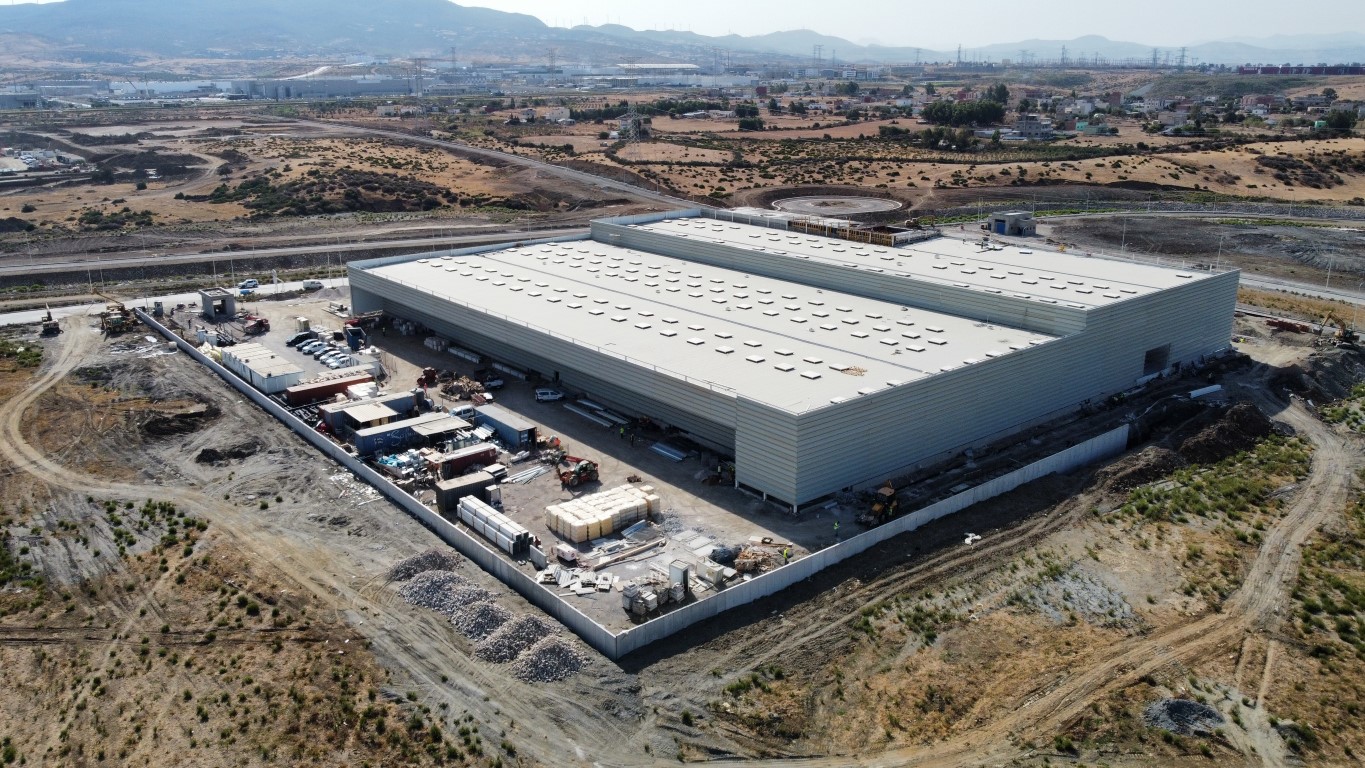
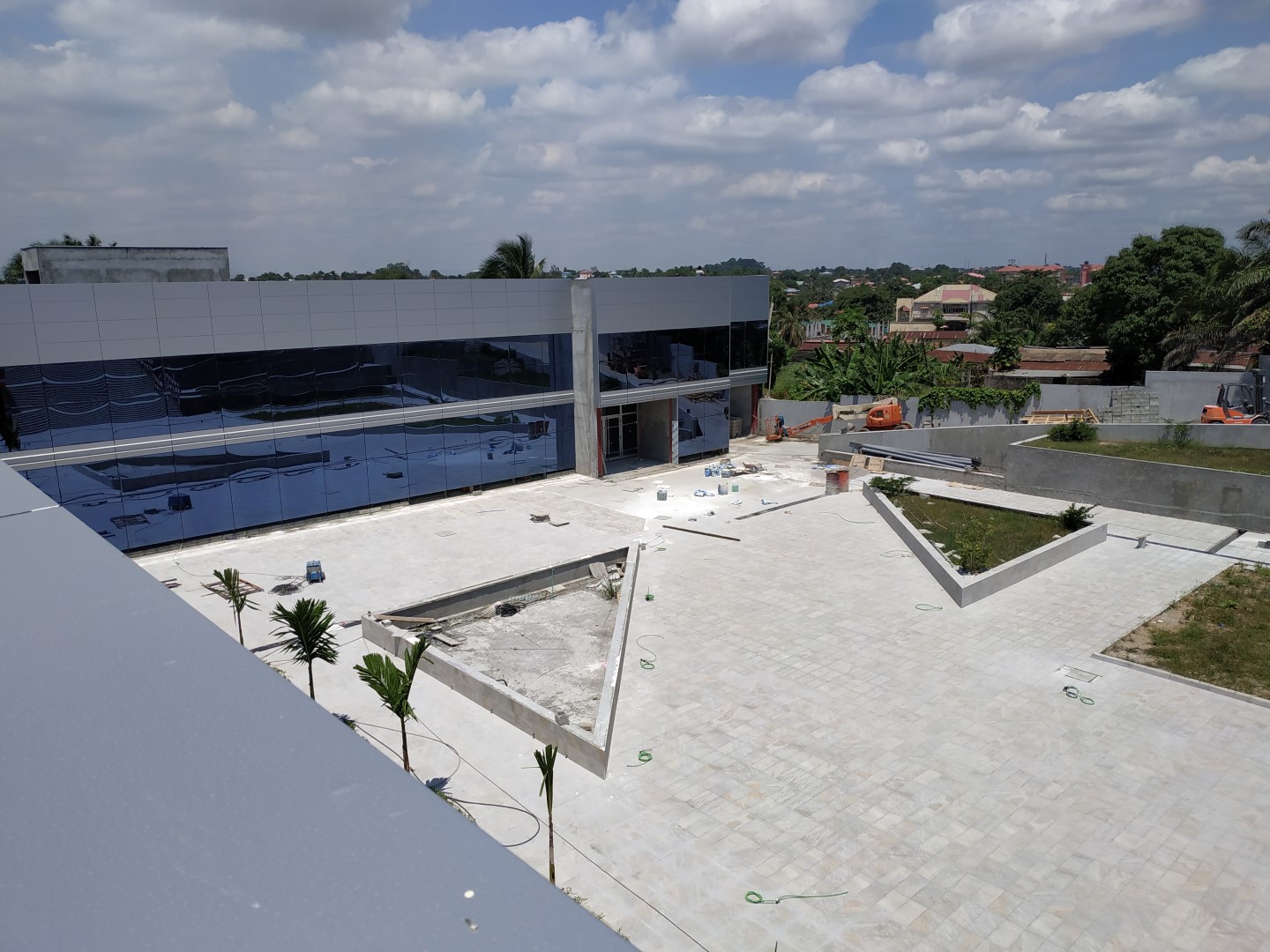
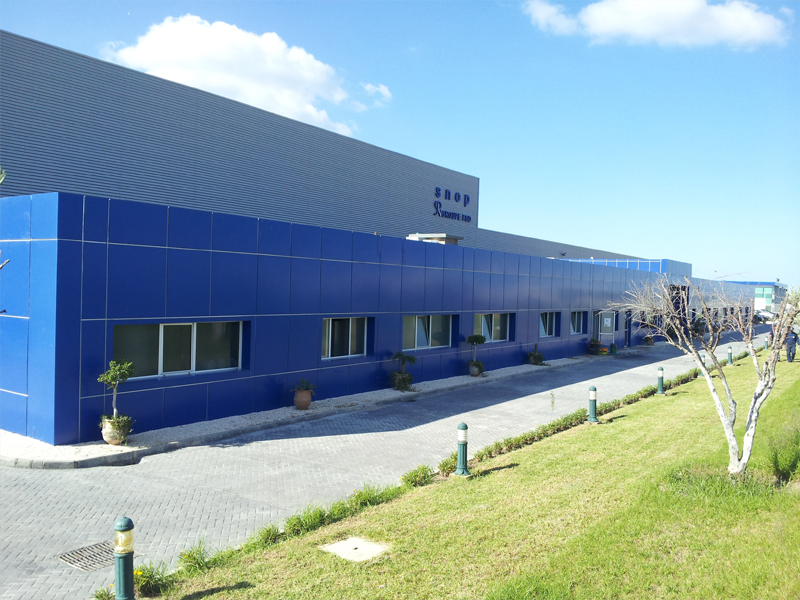
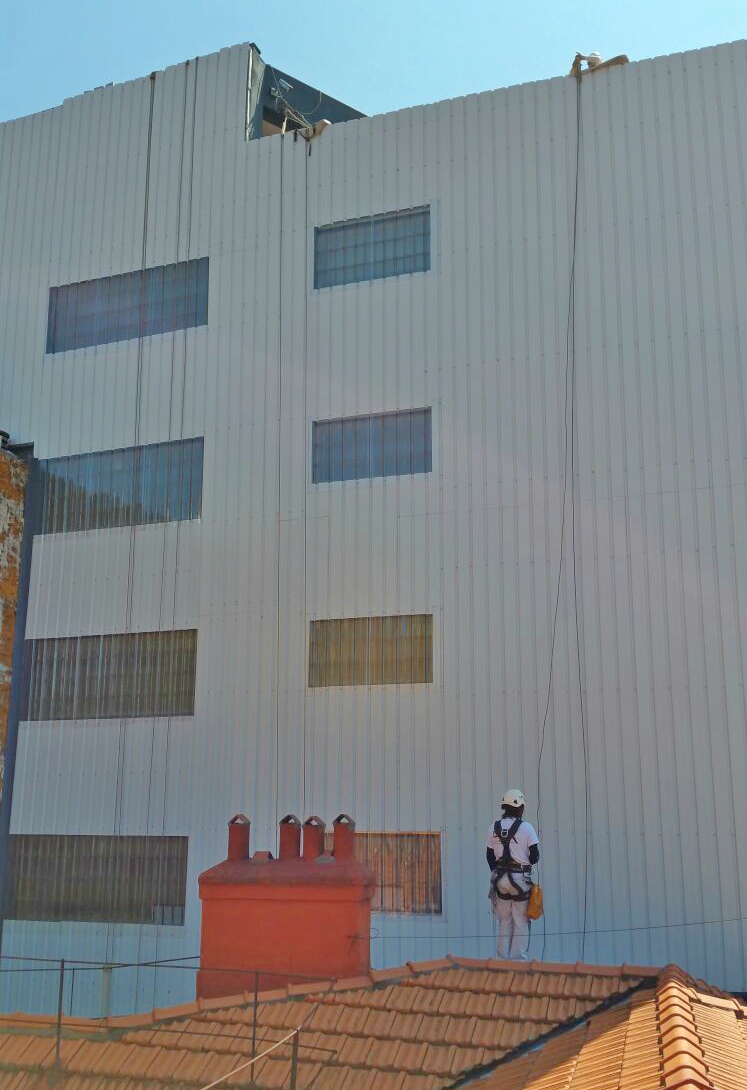
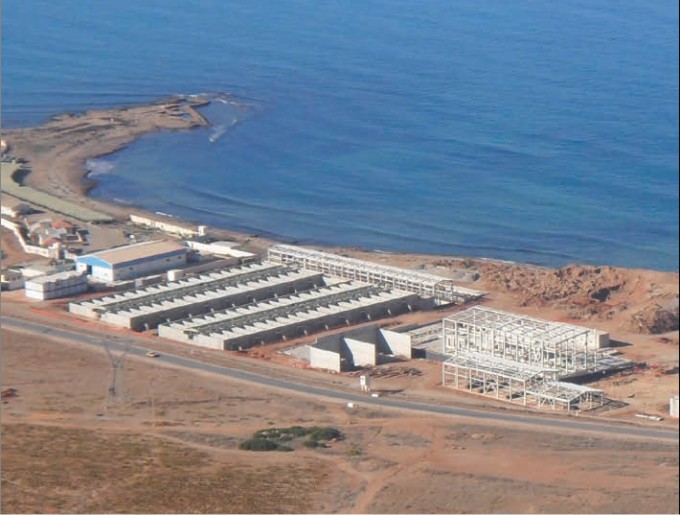
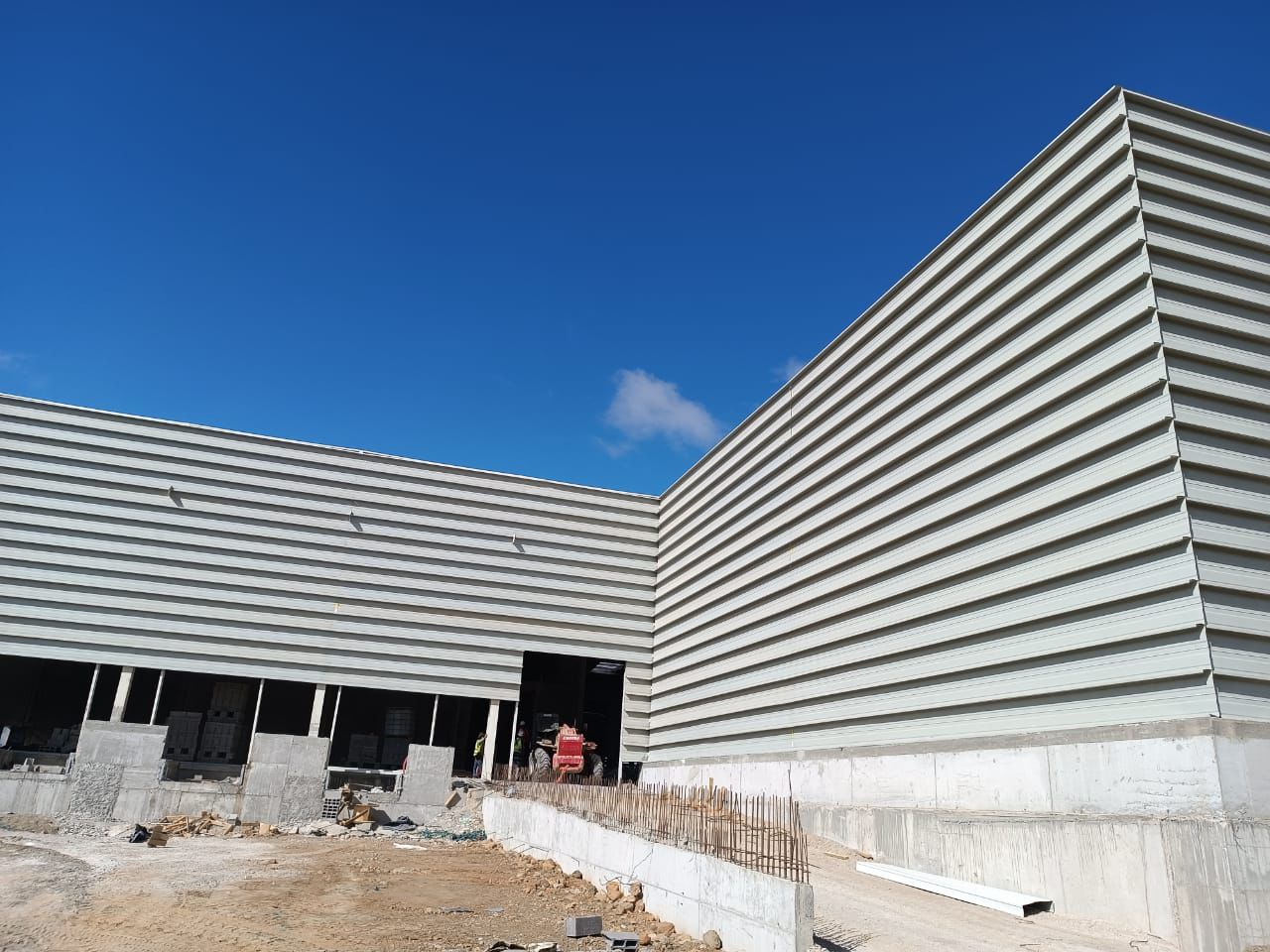
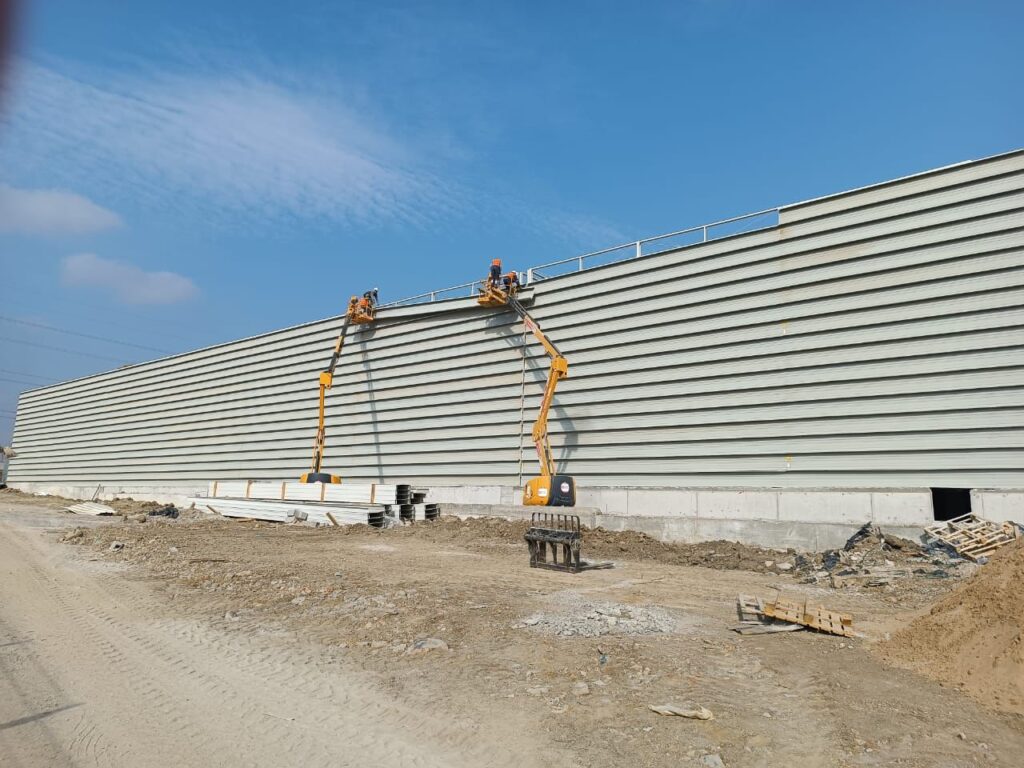
Self-supporting multi-layer industrial façade with INCO 157.1 Tray profile in TAC area of ​​Tangier – Morocco

Building type: Almacén/Nave industrial

Country: Morocco

Place: Zone Franche Tanger Automotive City

Year of construction: 2024

Amount: 5.400 m2

Costumer: Baomac Electronic Marocco

Work: BAOMAC self-supporting multi-layer industrial facade

Finish: Granite 25 pre-painted steel

Related systems:

Related products:

Self-supporting multi-layer industrial façade with INCO 157.1 Tray profile in TAC area of ​​Tangier – Morocco

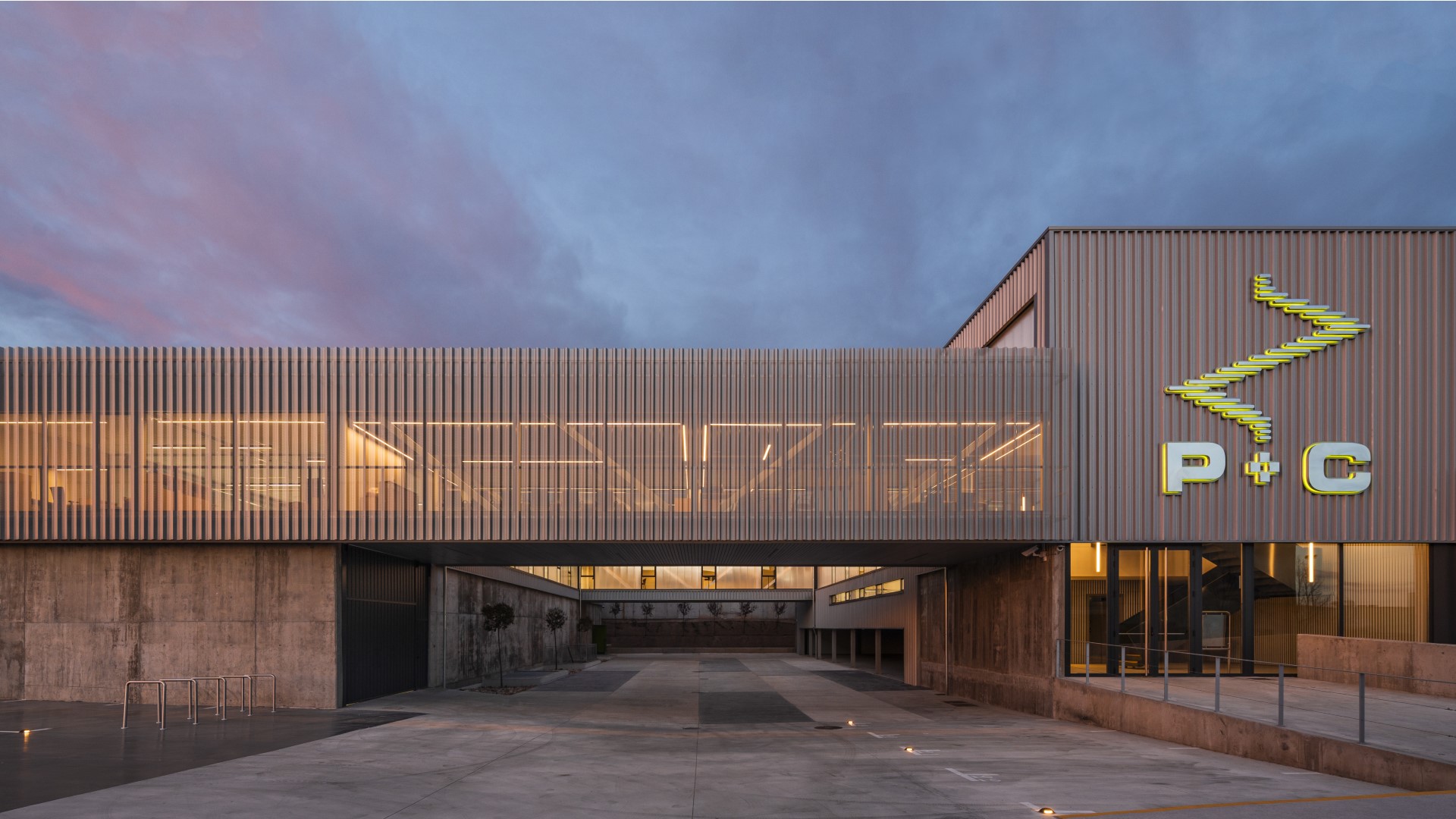
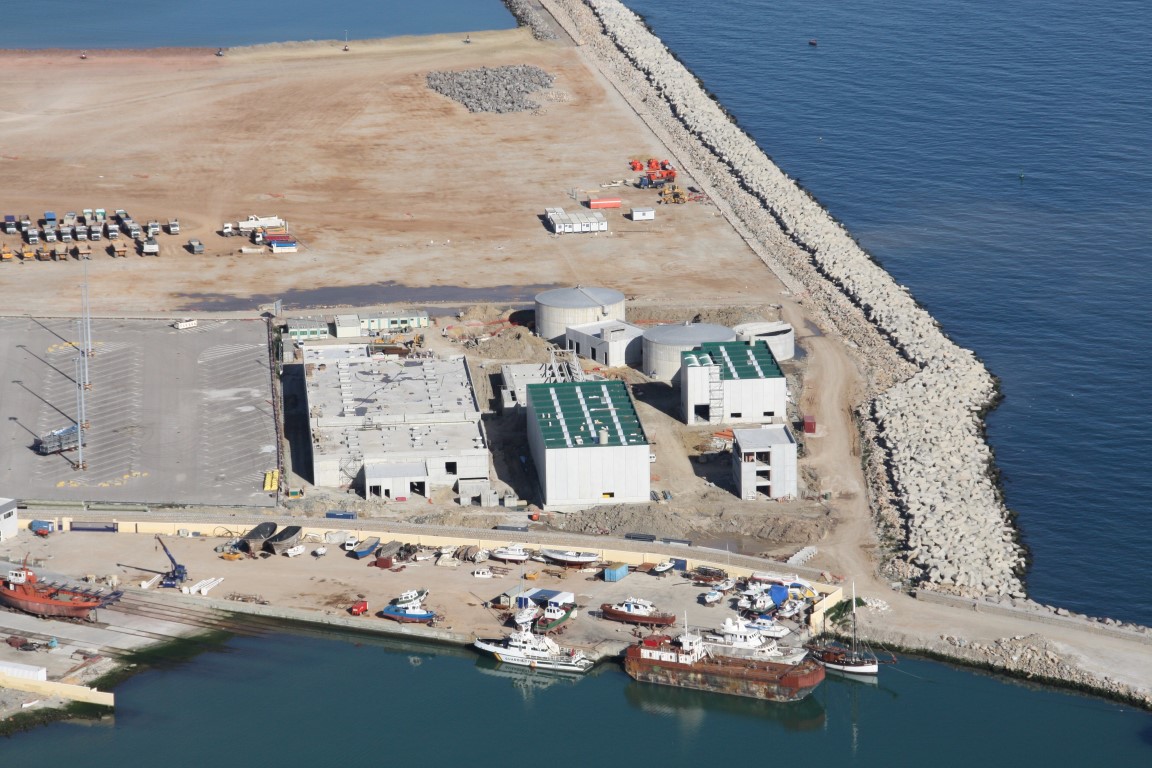
Baomac Electronic Morocco has made significant investments in the electronic manufacturing sector in Morocco, focusing on the production of electronic components for household appliances, such as gas ignition systems, temperature sensors and other technological products. The company has taken advantage of Morocco’s favourable environment for foreign investors, thanks to political stability, strategic location as a gateway to Africa and the country’s pro-business policies. Morocco, with its growing infrastructure and logistical advantages, is increasingly attracting companies looking to expand their operations in key sectors.

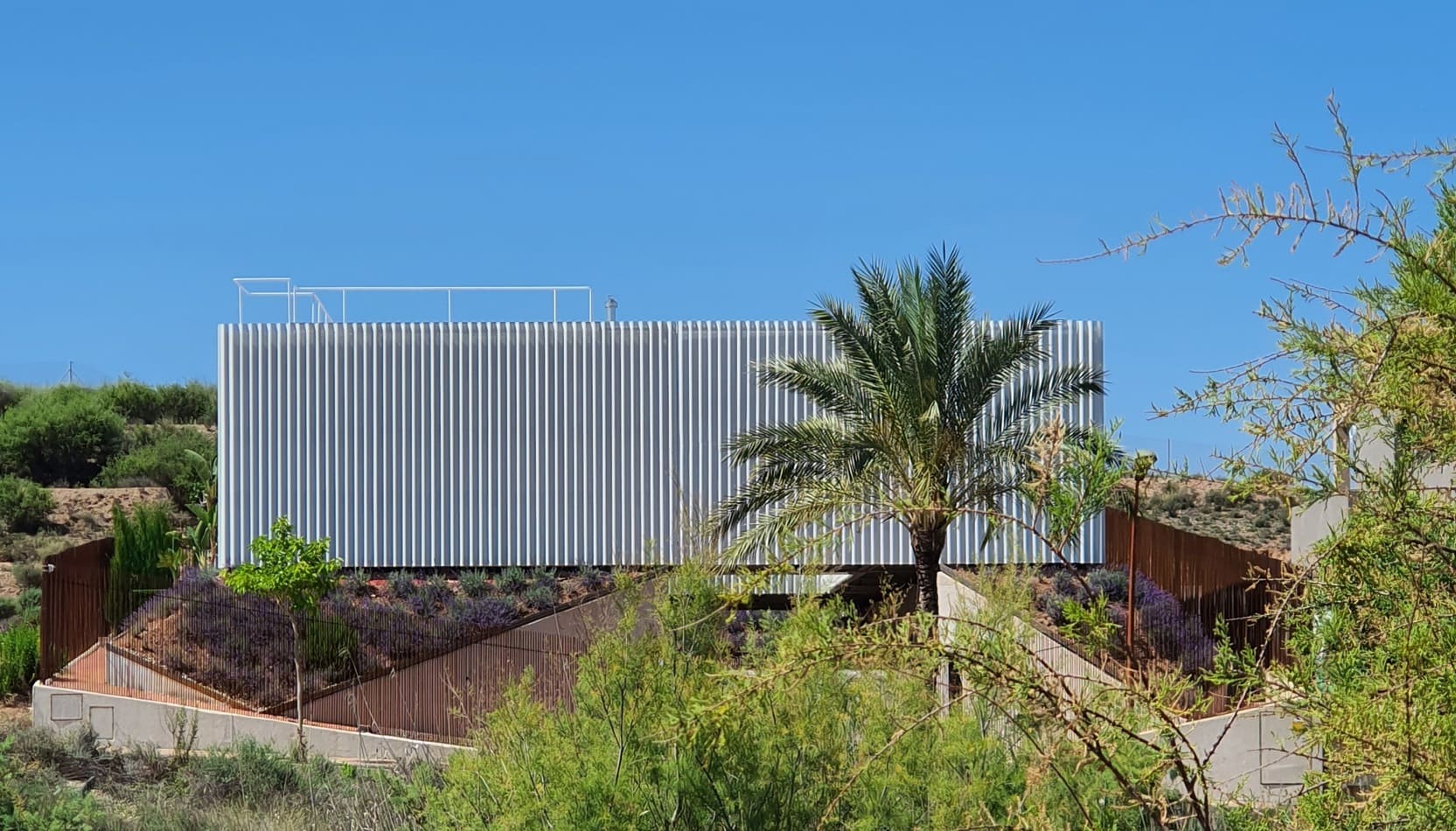
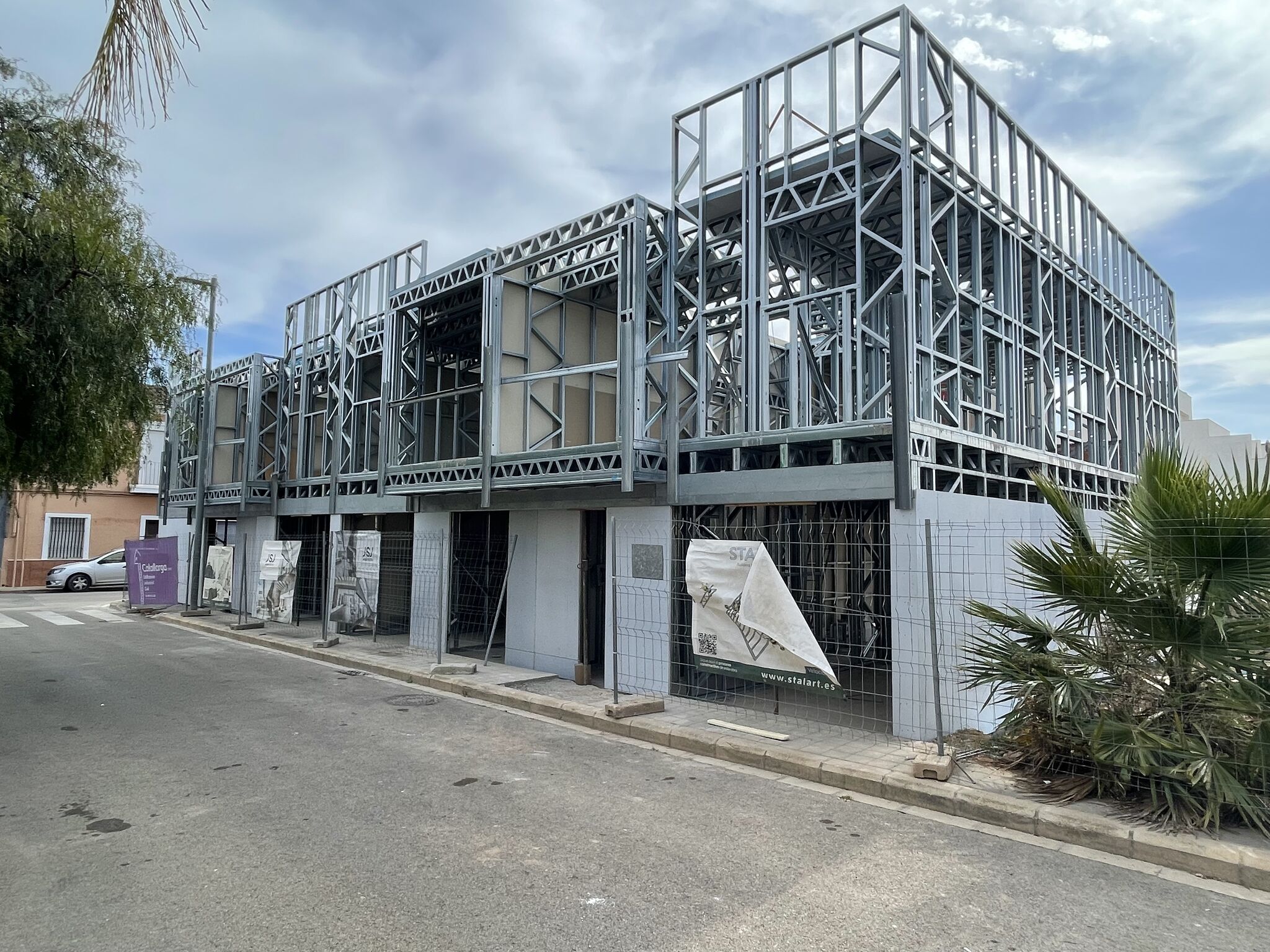
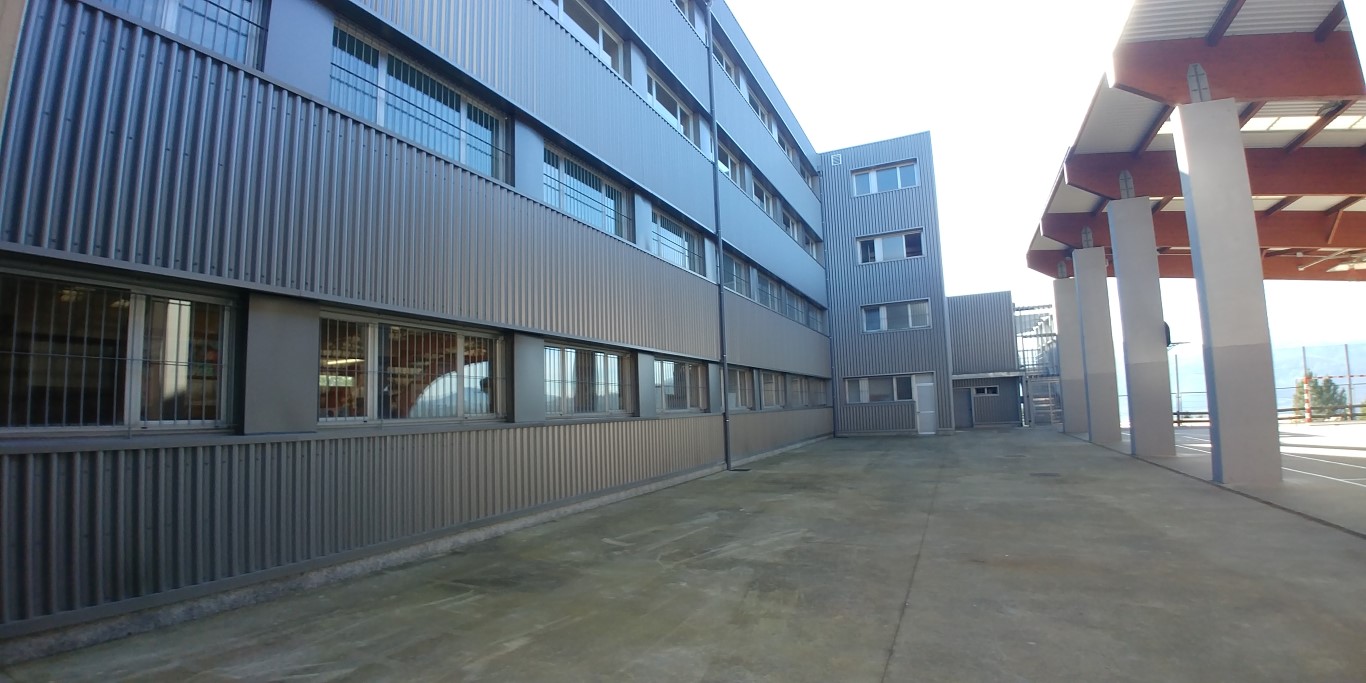
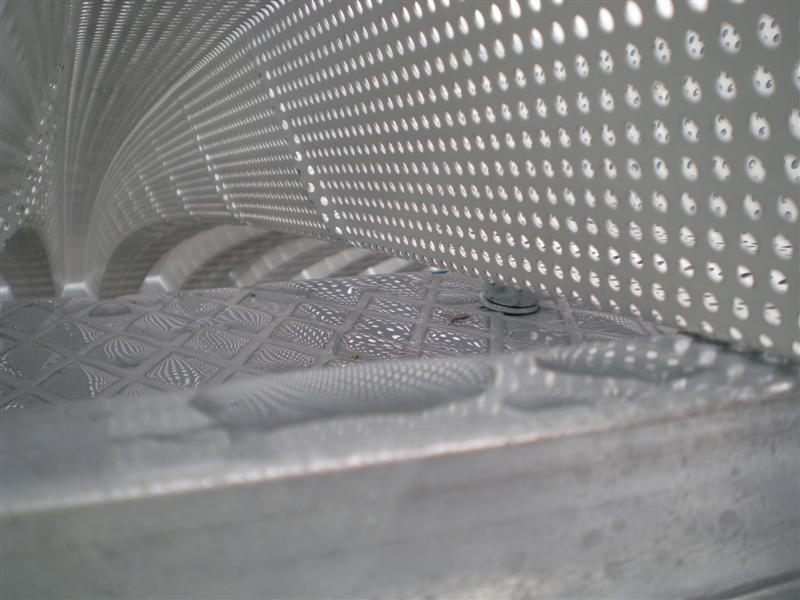
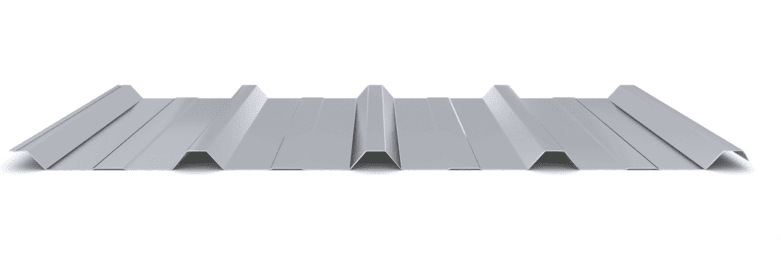
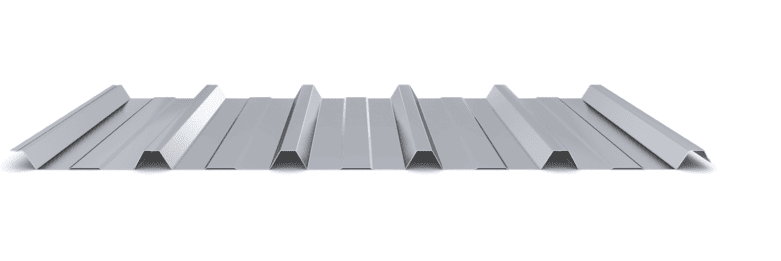
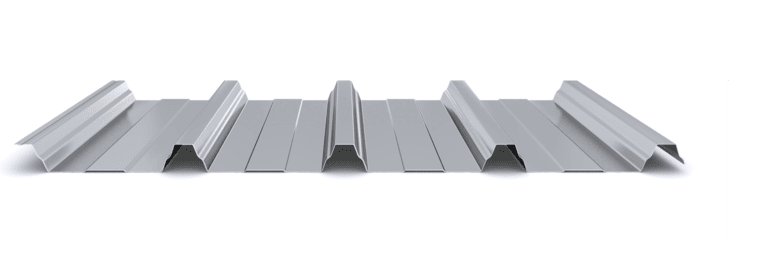
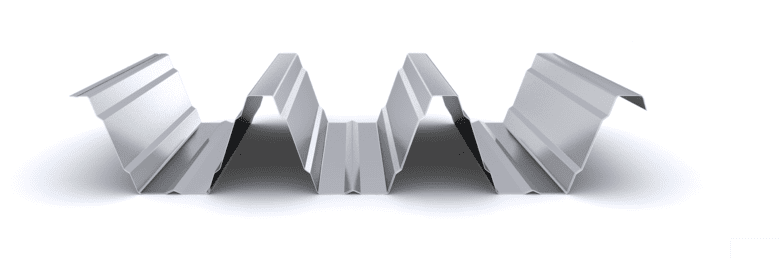
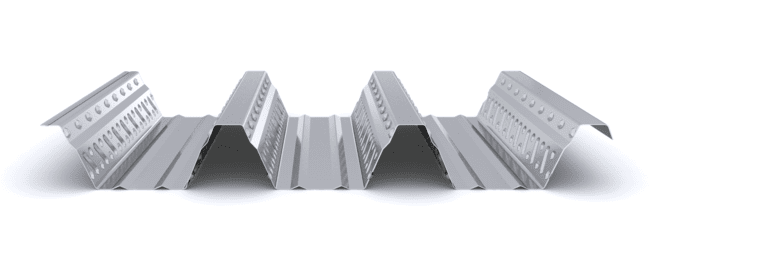
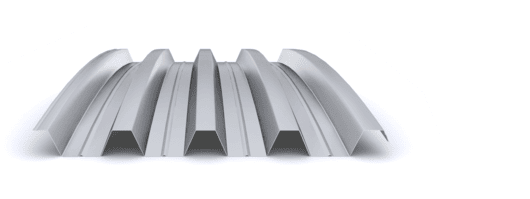
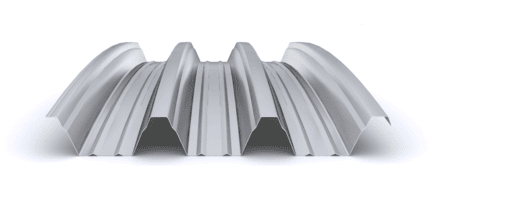
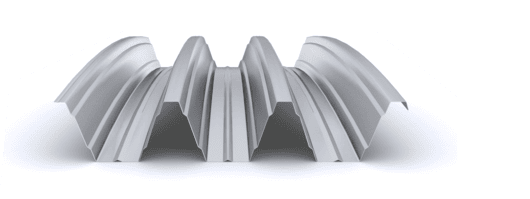
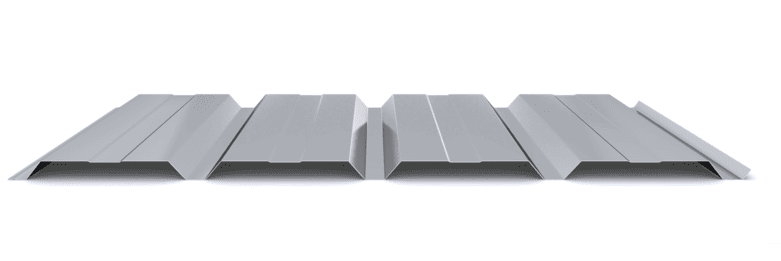
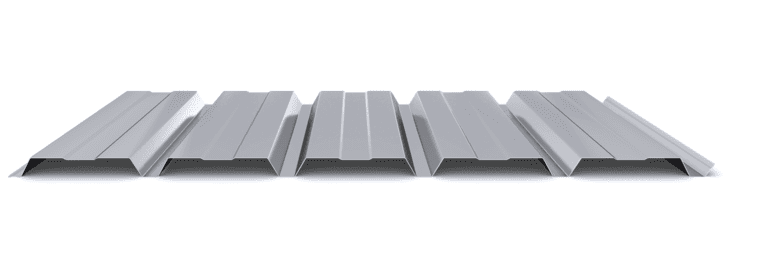
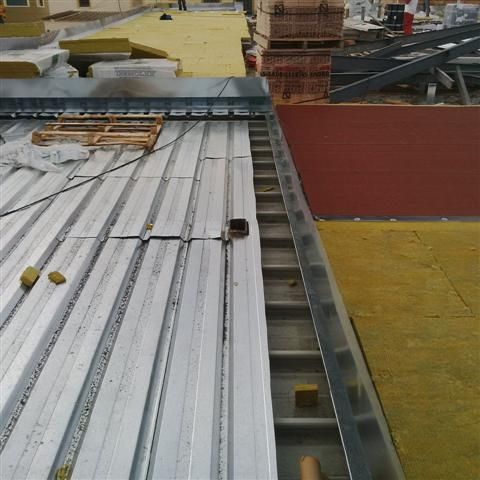
For the construction of one of its production centres, the self-supporting multi-layer façade system has been used. This solution, composed of the INCO 157.1 tray profile as a support, offers multiple construction advantages, since due to its geometry it can cover spans of up to 6 metres as well as housing the insulation inside. It should be noted that the ribs of the tray profile allow the fixing of the exterior cladding without the need to incorporate secondary profiles.

Start designing yout project

Request calculation report

Complete the form below to receive a detailed report justifying the most suitable enclosure profile. You will receive the information as soon as possible.
Building characteristics
Industrial roof application loads
(1) For sections of the roof profile with 2, 3, 4 or more supports, indicate the greatest distances between supports that appear in your project.
Type of environment
Attached documentation
Additional comments
Contact information
Project data
Building characteristics
Application loads for the industrial facade
(1) For sections of the façade profile with 2, 3, 4 or more supports, indicate the greatest distances between supports that are presented in your project.
Type of environment
Attached documentation
Additional comments
Contact information
Project data
Building characteristics
Deck loads
(1) For sections of the roof profile with 2, 3, 4 or more supports, indicate the greatest distances between supports that appear in your project.
Type of environment
Attached documentation
Additional comments
Contact information
Project data
Structure features
Composite slab characteristics
(1) For the sections of the composite slab with 2, 3, 4 or more supports, indicate the greatest distances between supports that appear in your project. Span length < 5,00 m.
Type of environment
Attached documentation
Additional comments
Contact information
Project data
Building characteristics
Characteristics of the facade
Roof typology

(1) Indicate the length of the span of the arch, which is the greatest horizontal distance between the supports of the curved roofing.

(2) Plan-view dimension representing the full length of the curved roof measured perpendicular to the arch span.

(3) Specify the obstructed area under the canopy, in square meters, as a proportion of the total area of the front or side (transverse or longitudinal) façade, in order to calculate the obstruction factor. If it is a closed construction or there is no obstruction area, indicate 0 m².

Environment characteristics
Type of environment
Attached documentation
Additional comments
Contact information
Project data