
Request a
calculation form

Home / Projects / Curved roof for new Ouagadougou-Donsin International Airport, in Burkina Faso
Aeropuerto

Curved roof for new Ouagadougou-Donsin International Airport, in Burkina Faso

Building type: Airport

Country: Burkina Faso

Place: Ouagadougou- Donsin

Year of construction: 2023

Architecture: enia architectes

Amount: 10000 m2

Work: New Ouagadougou-Donsin International Airport, in Burkina Faso

Finish: Granite 25 pre-painted steel

Related systems:

Related products:

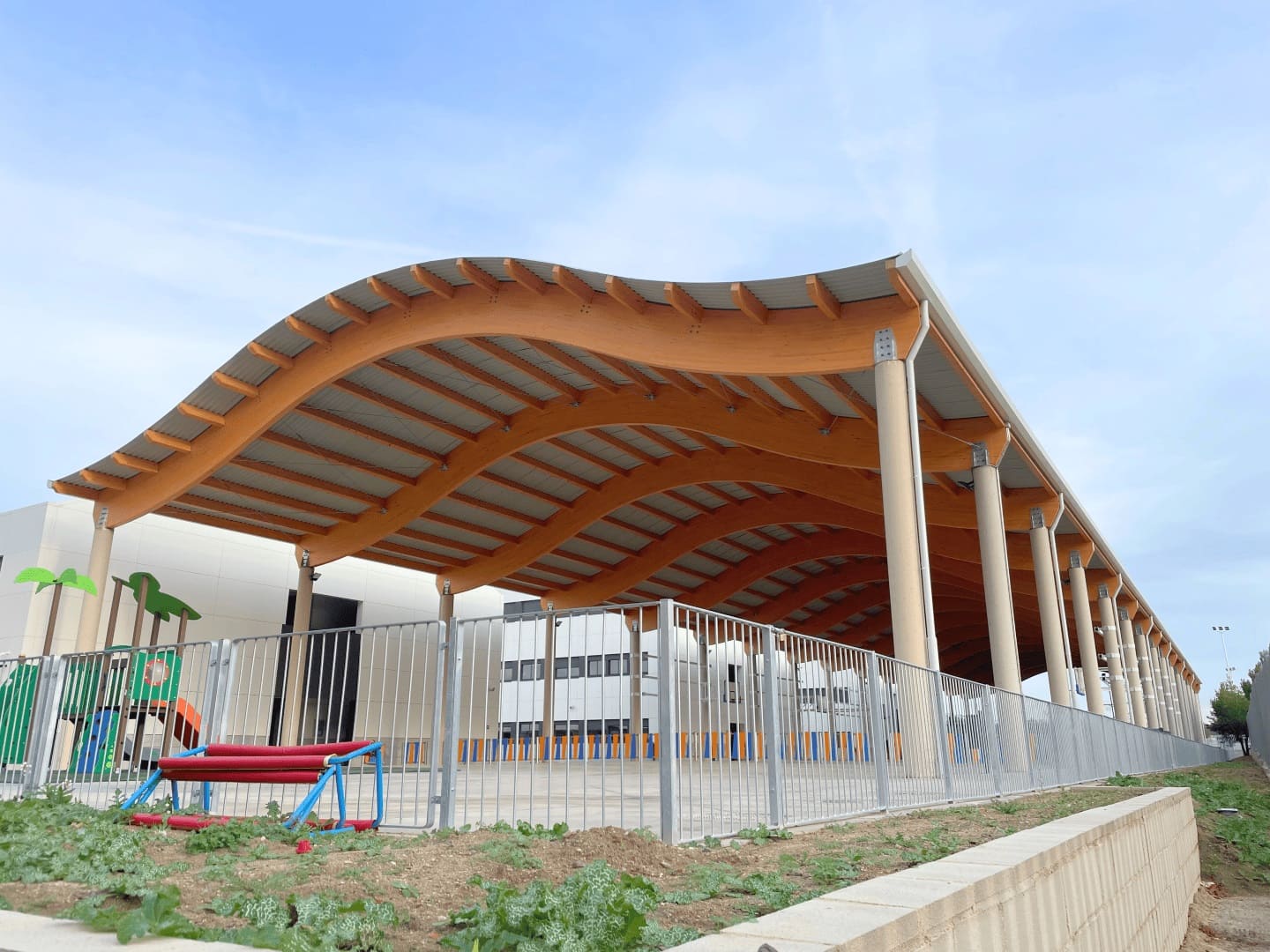
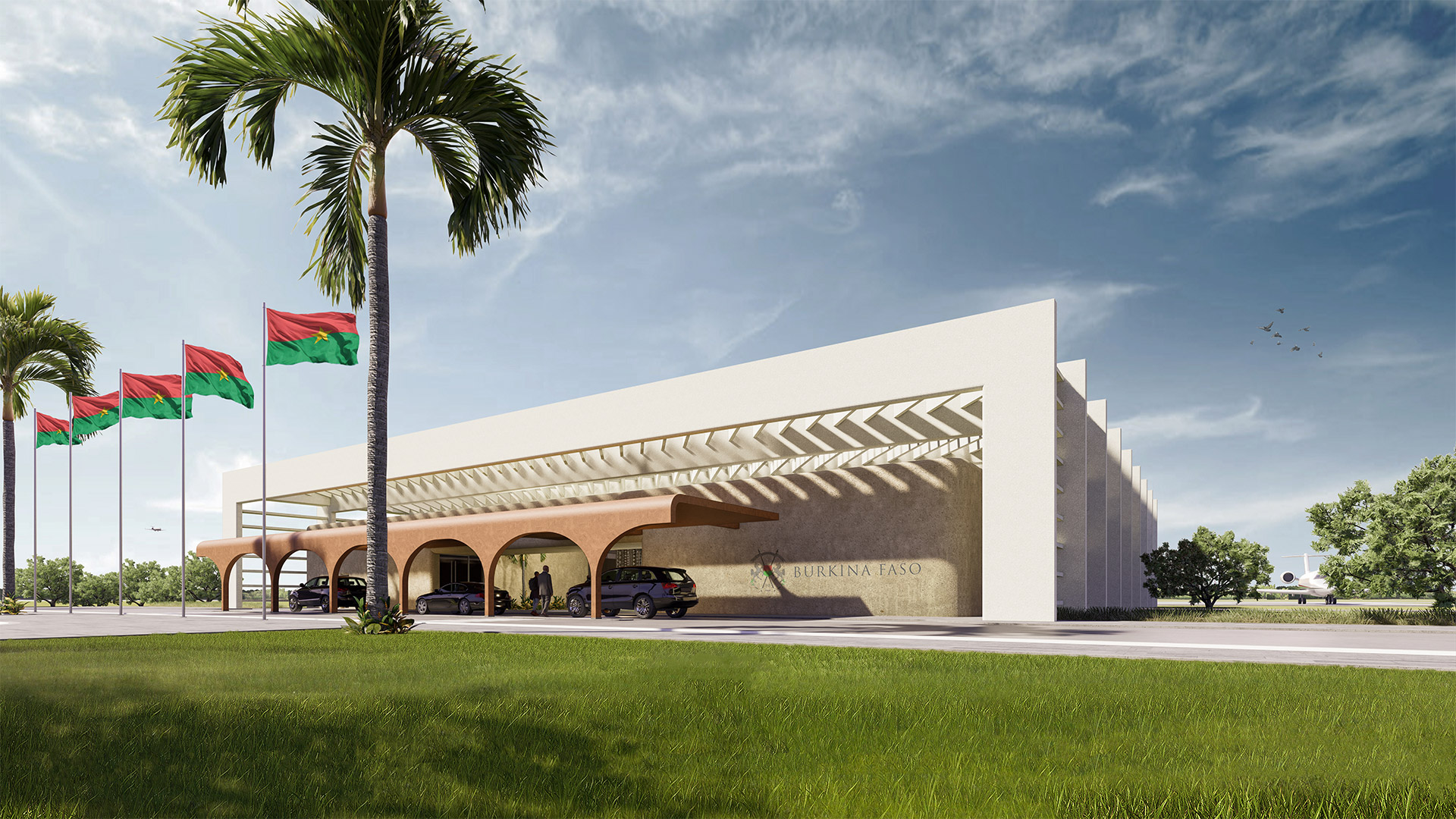
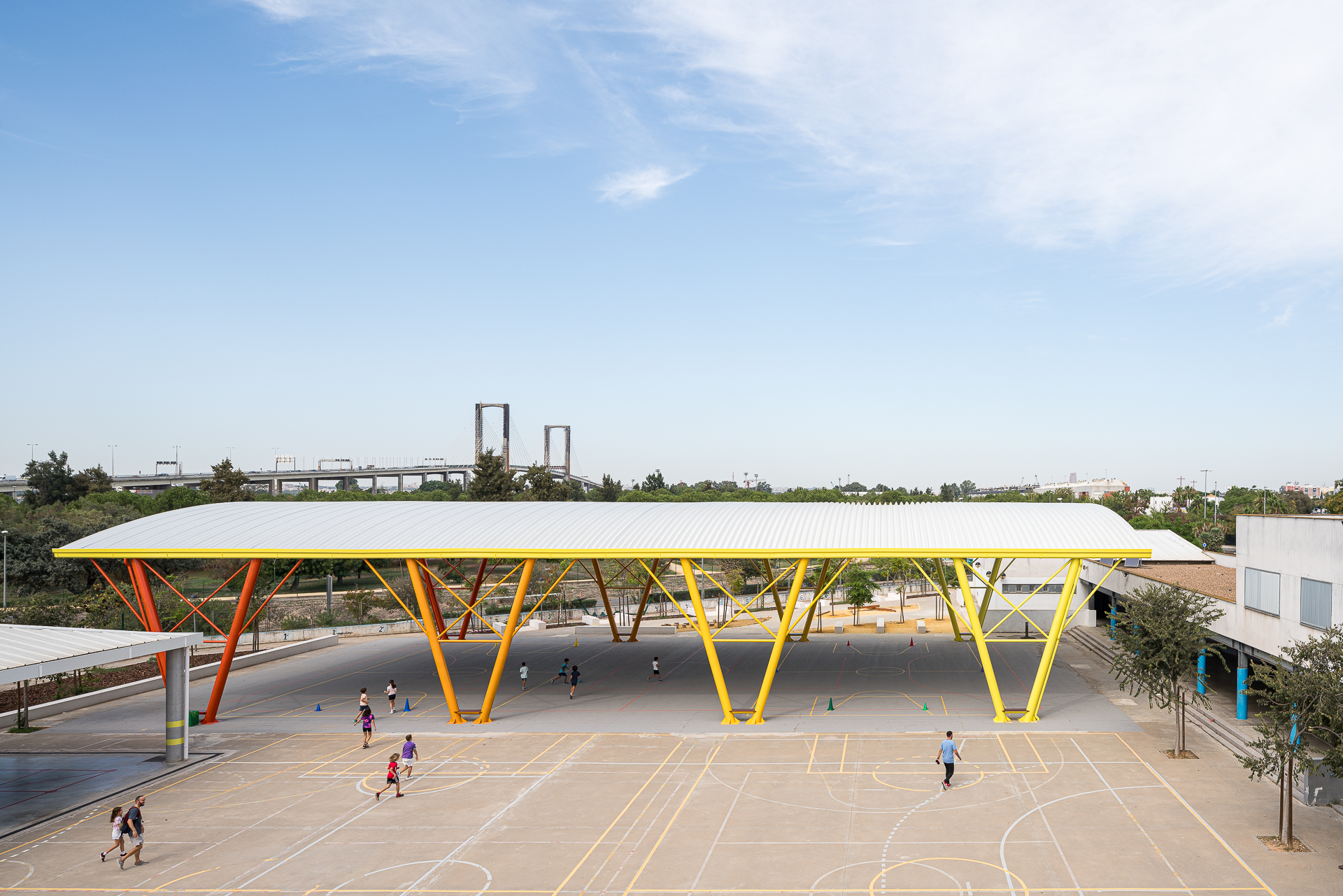
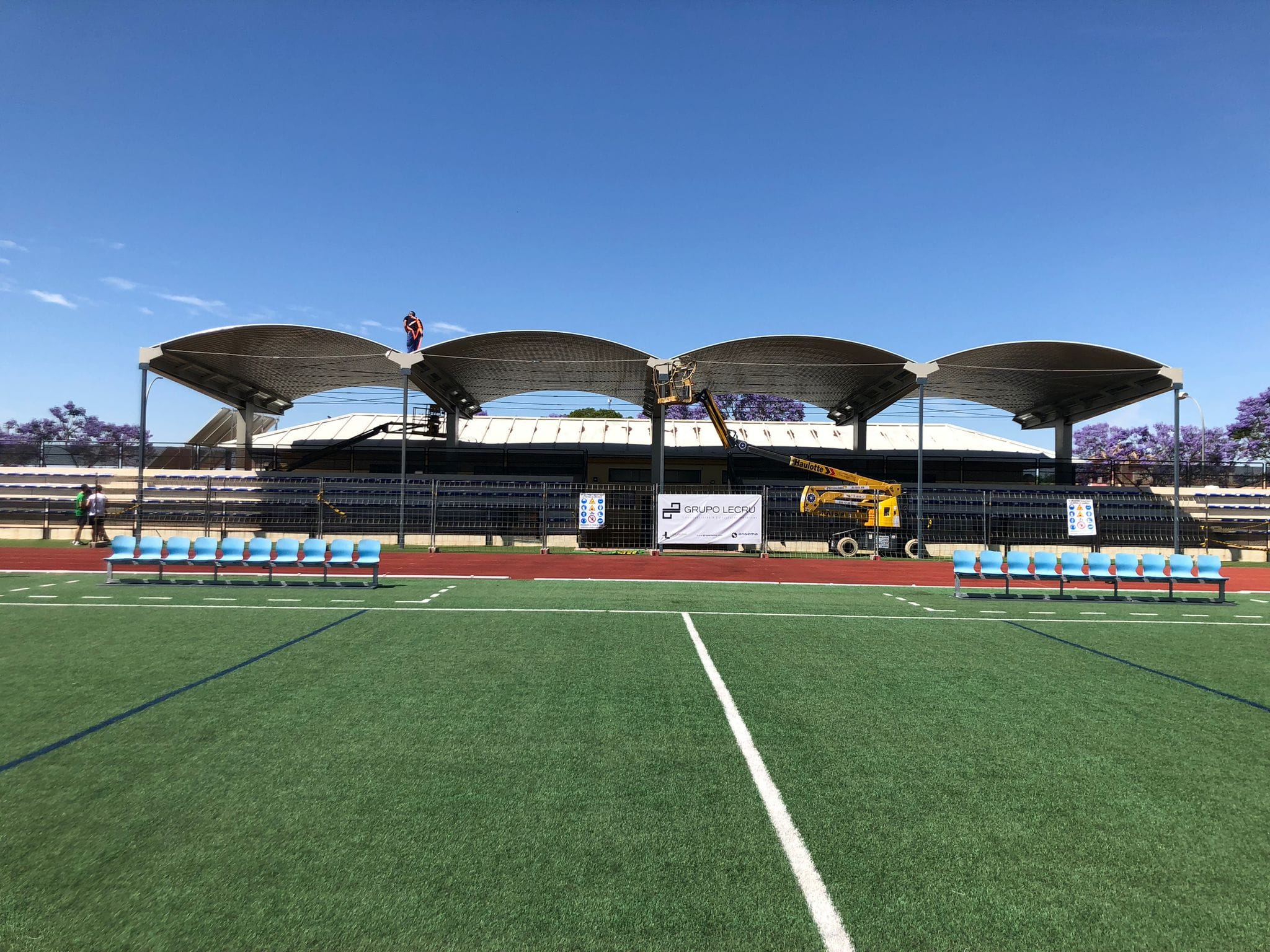
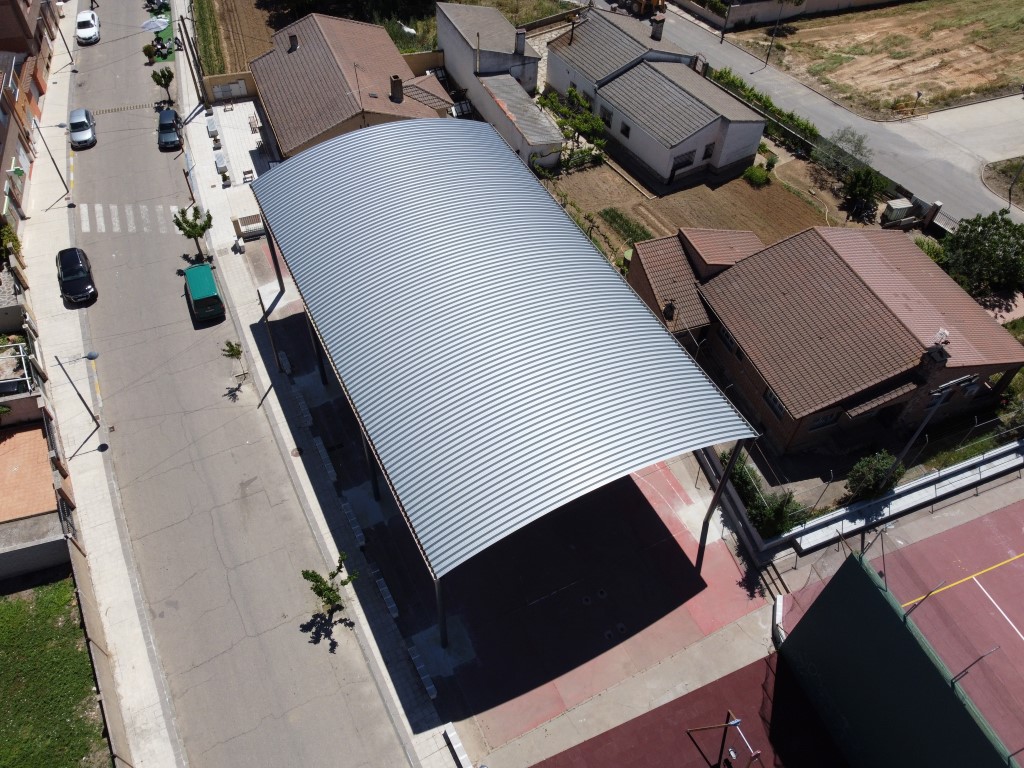
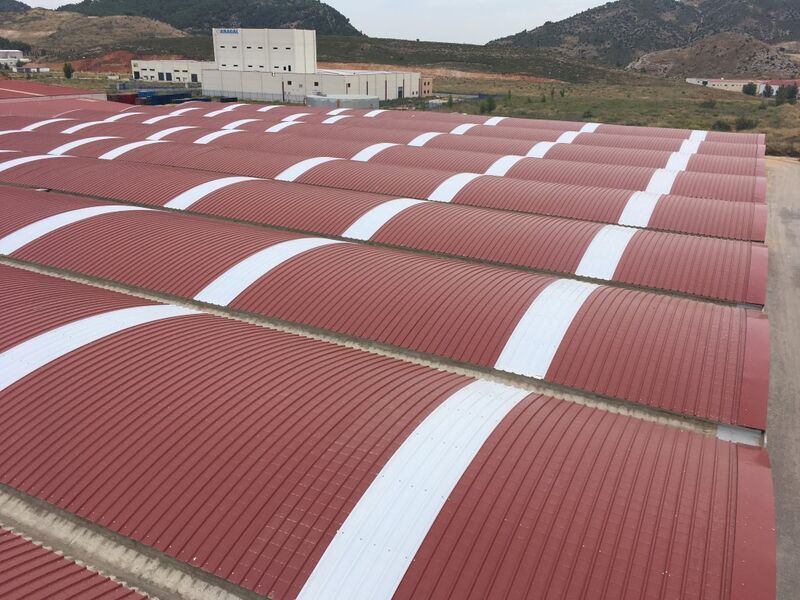
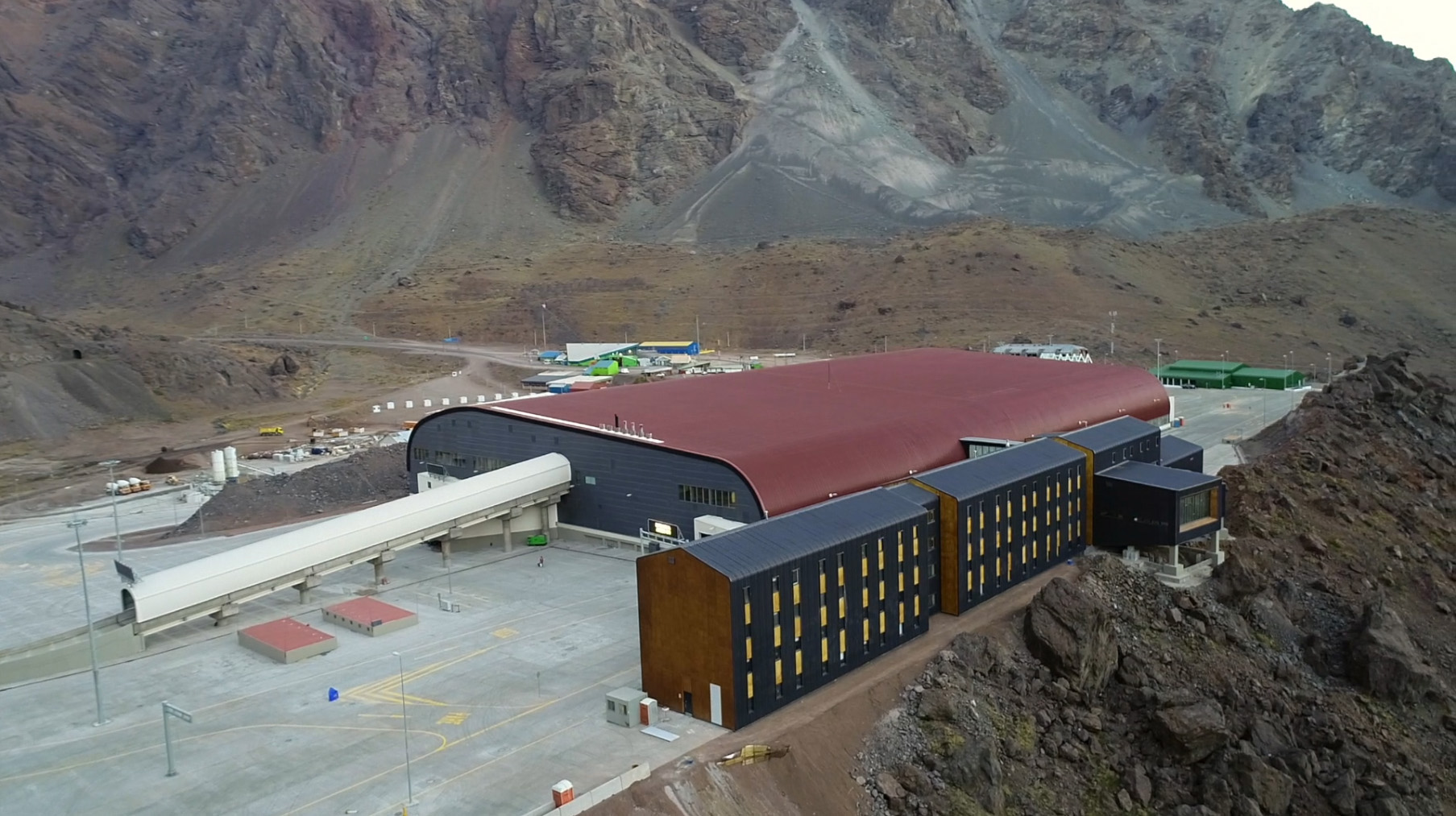
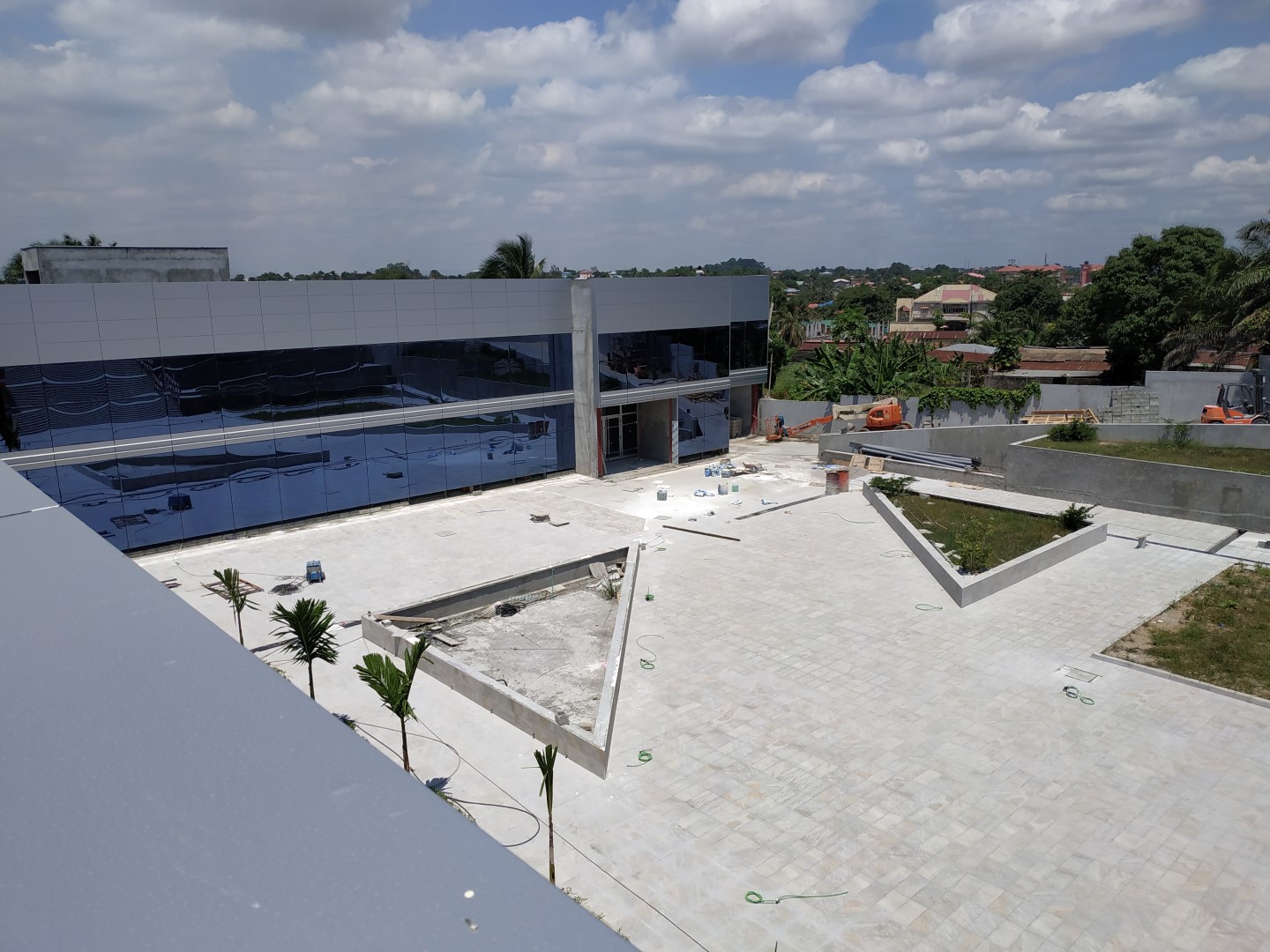
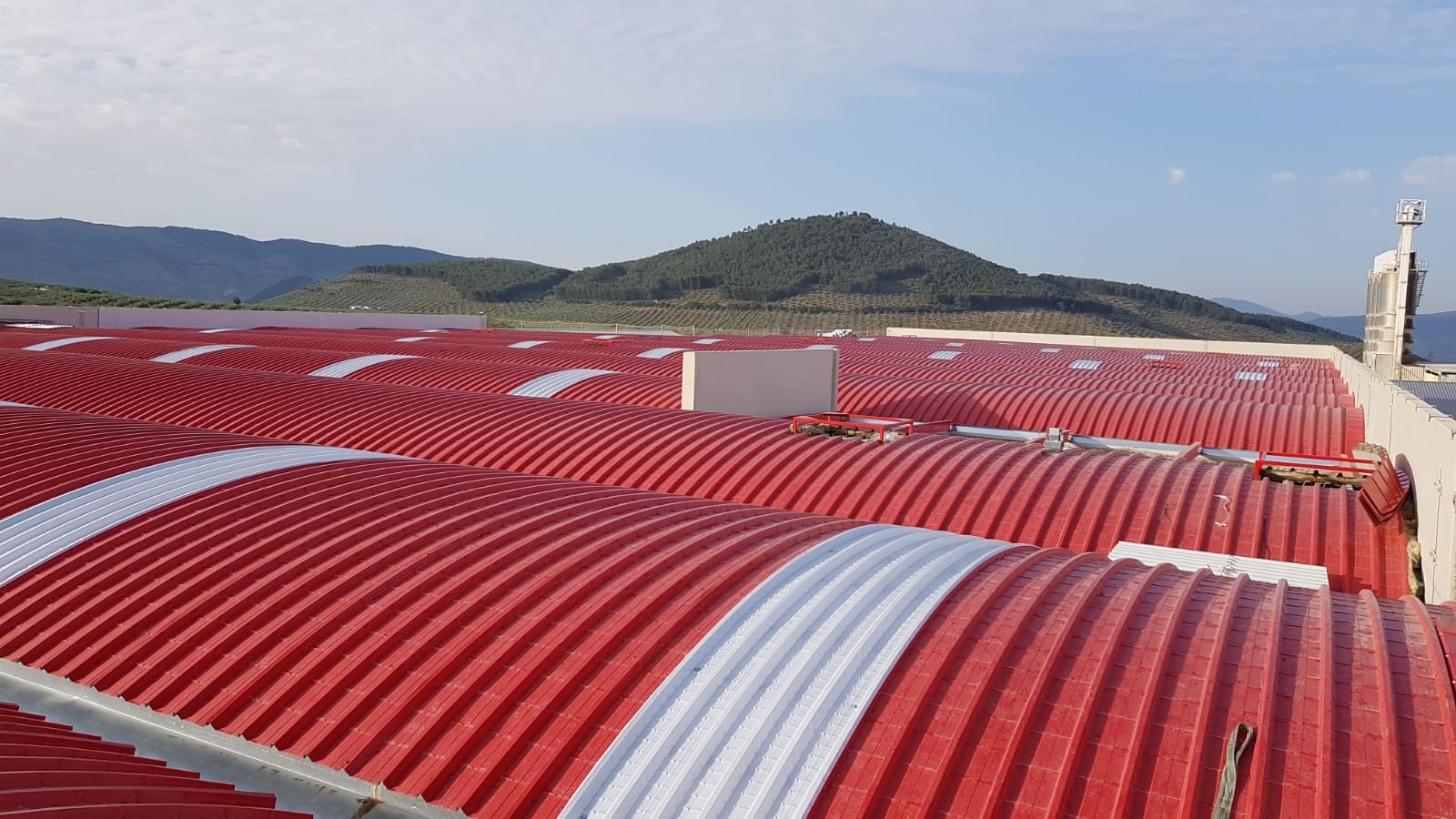
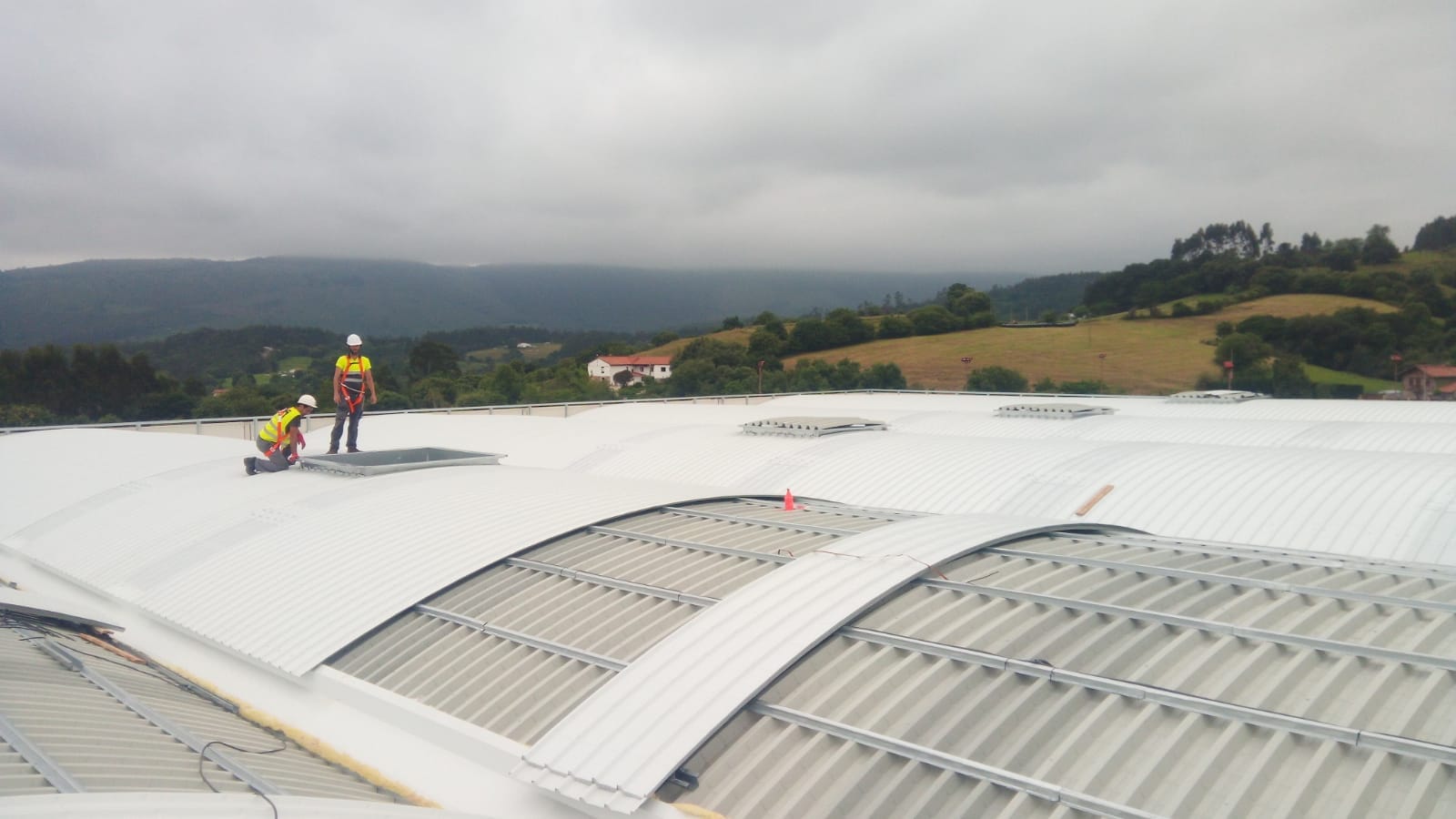
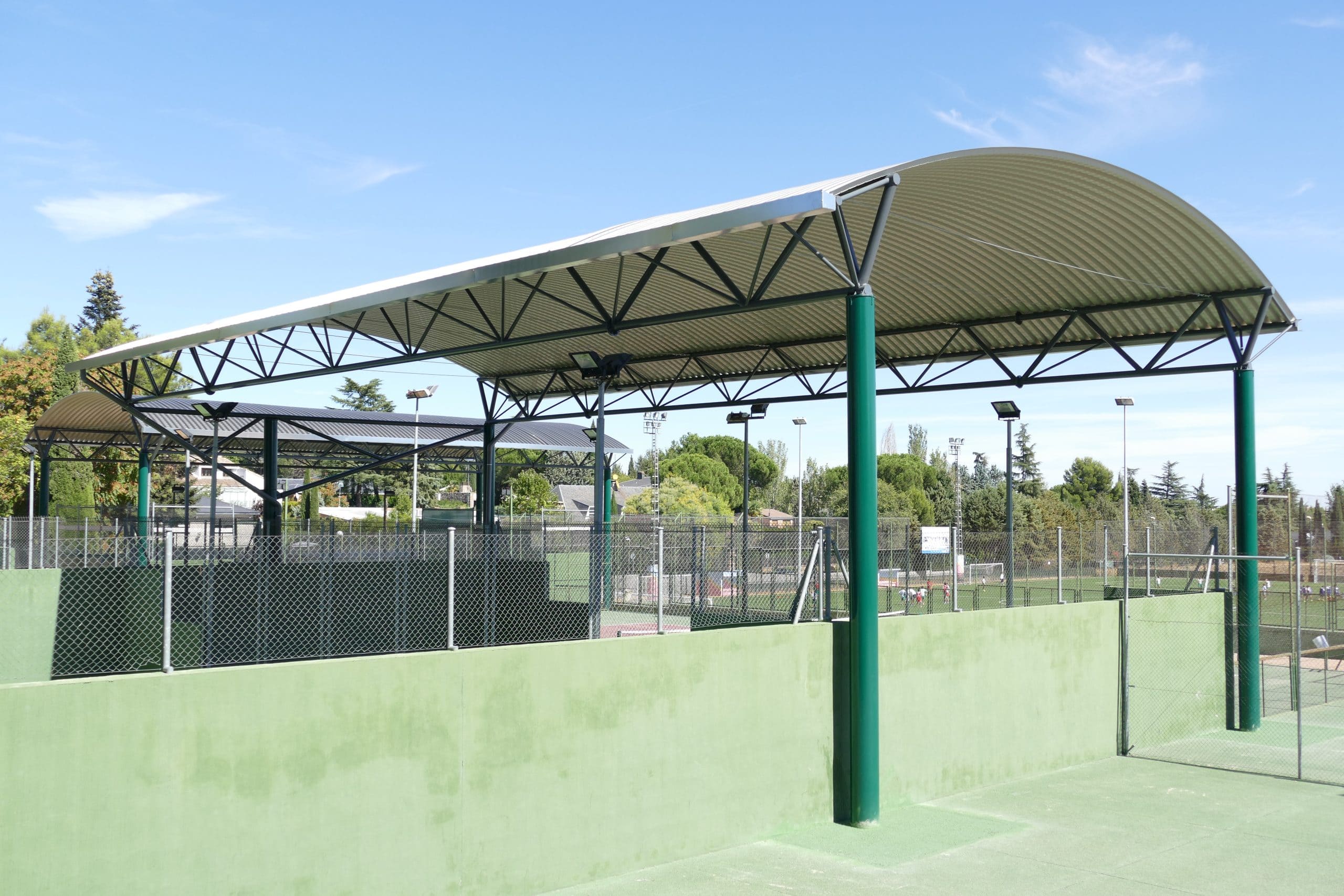
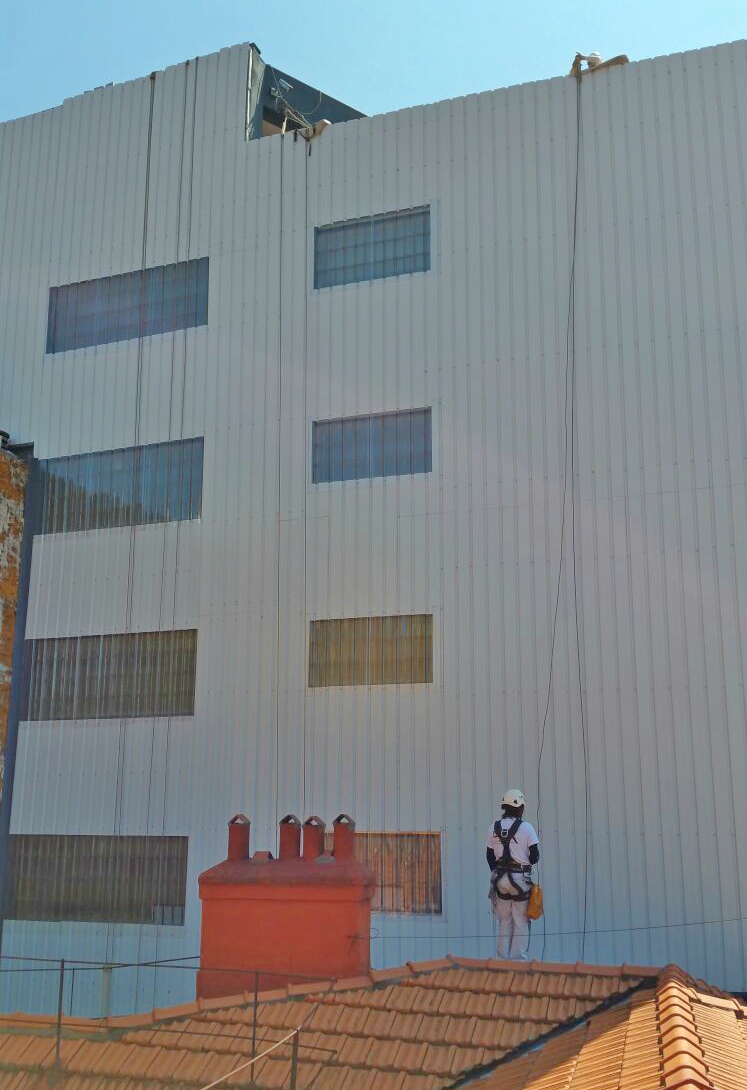
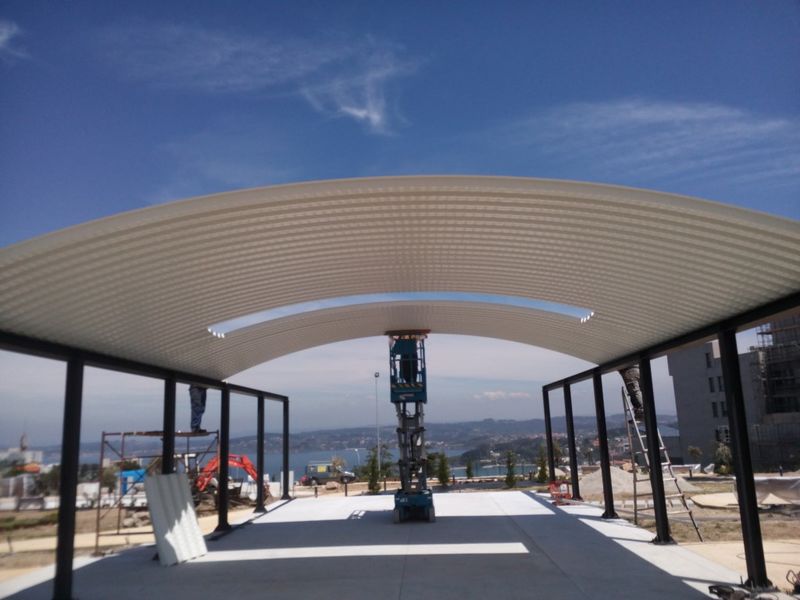
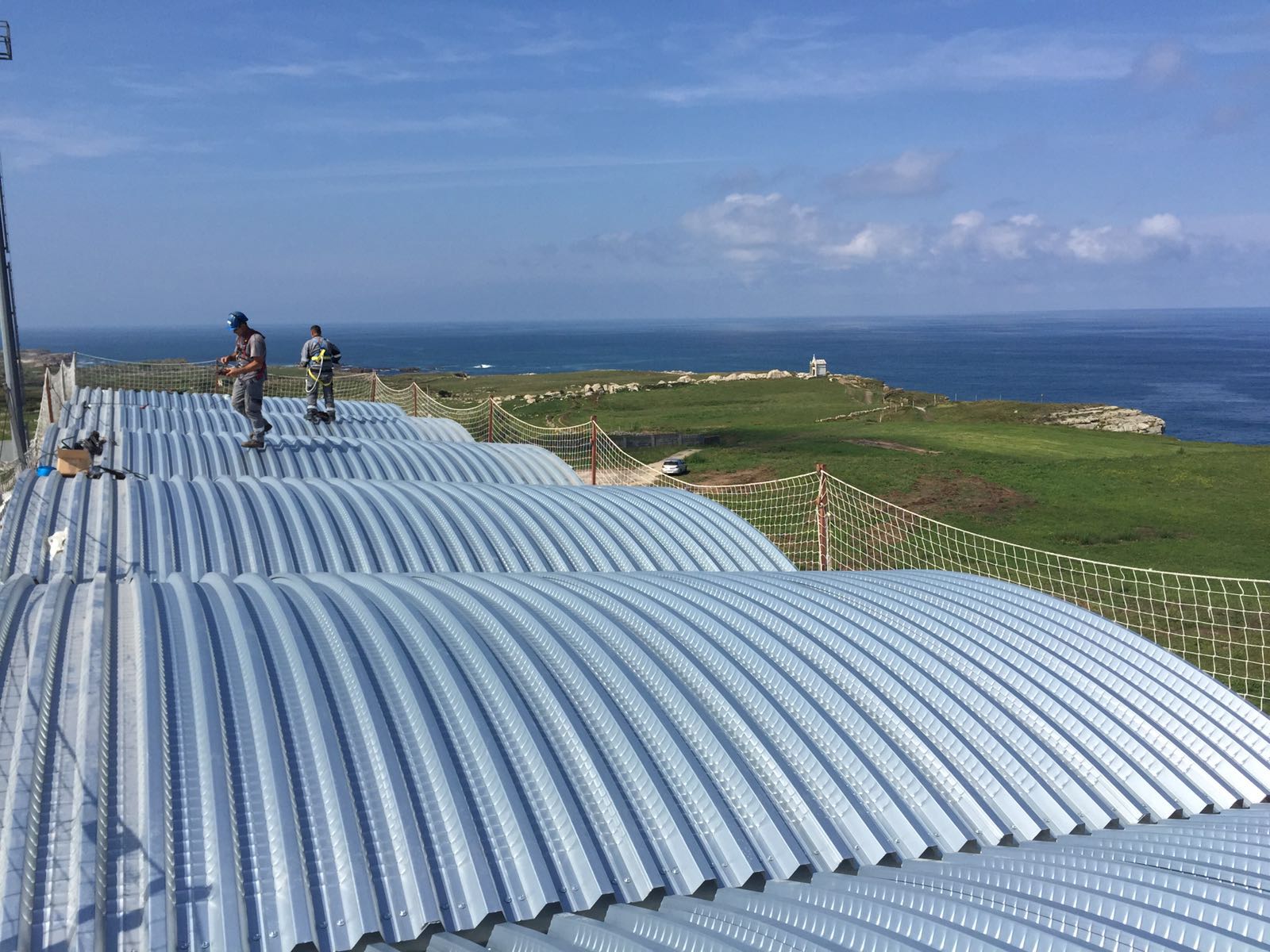
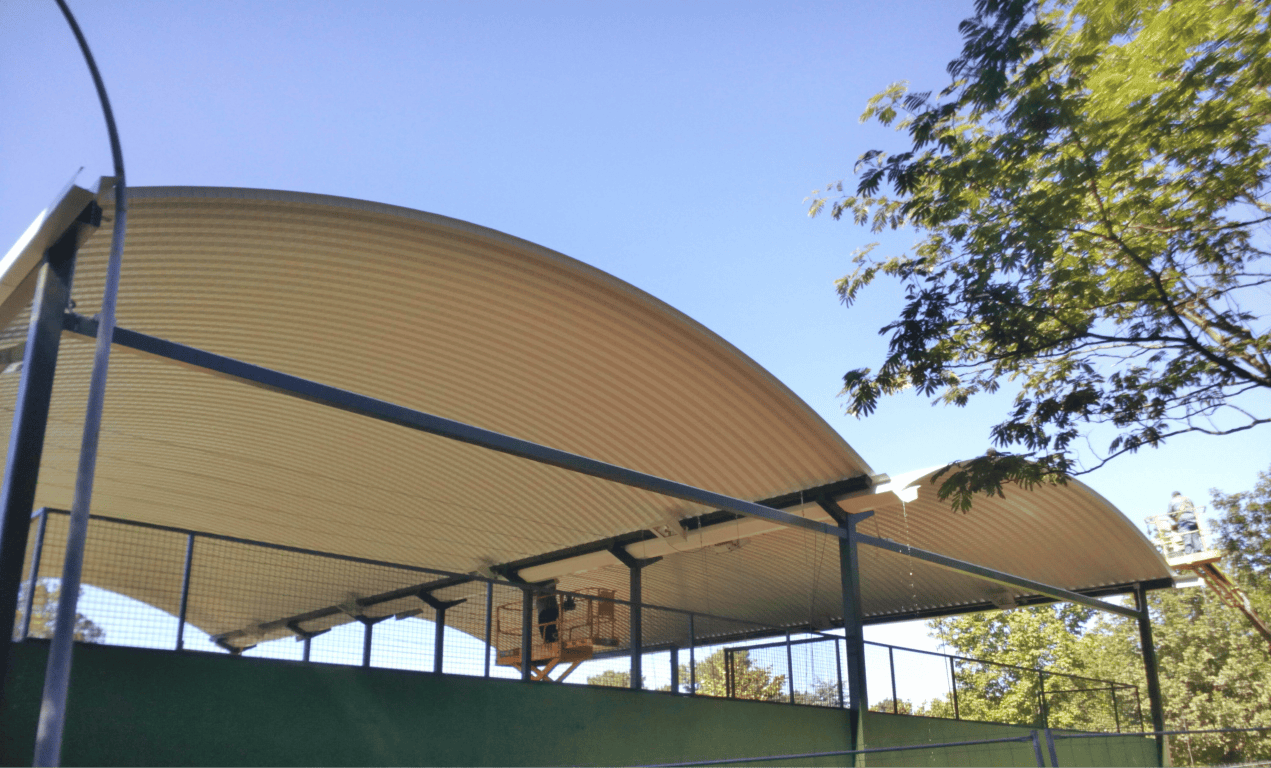
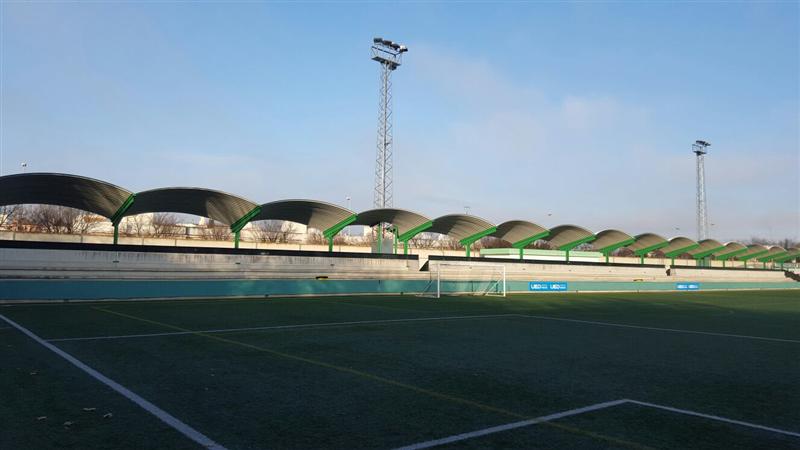
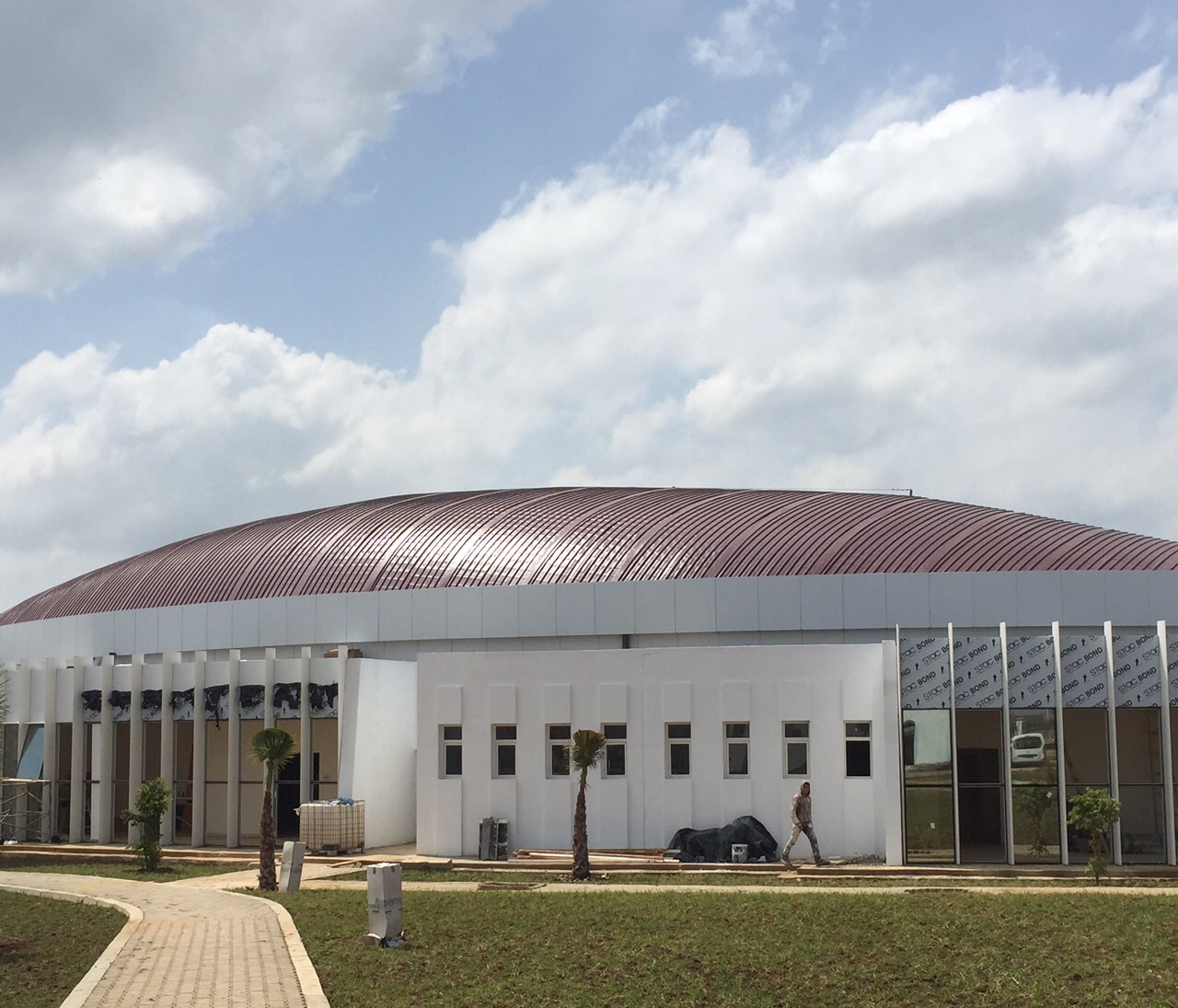
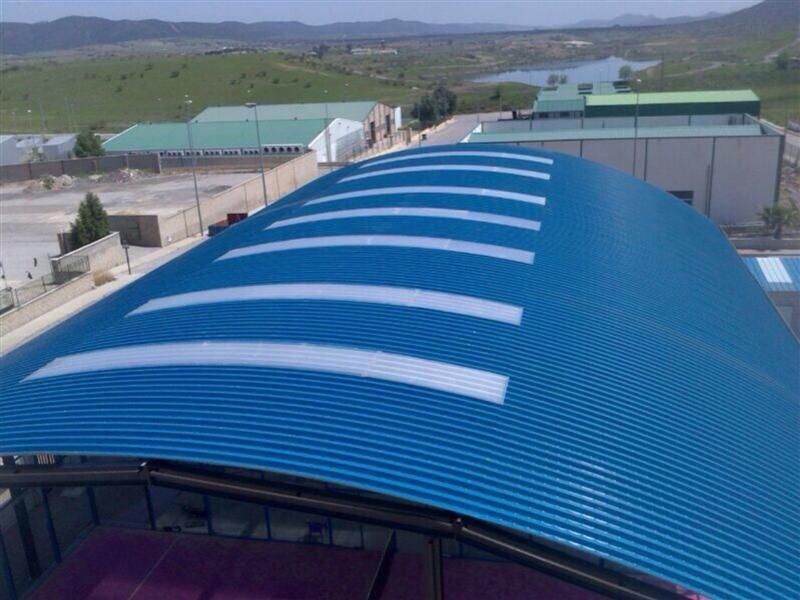
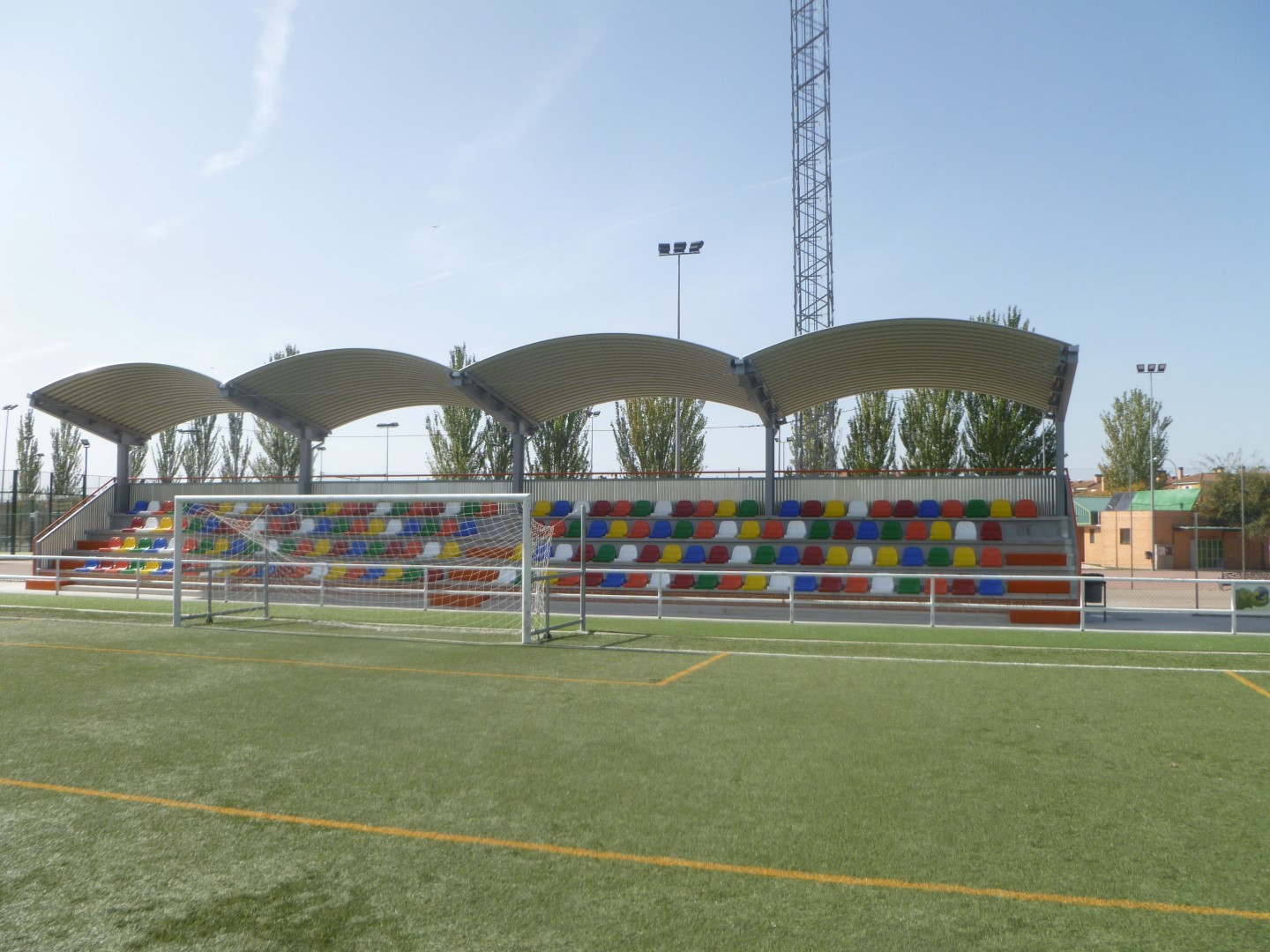
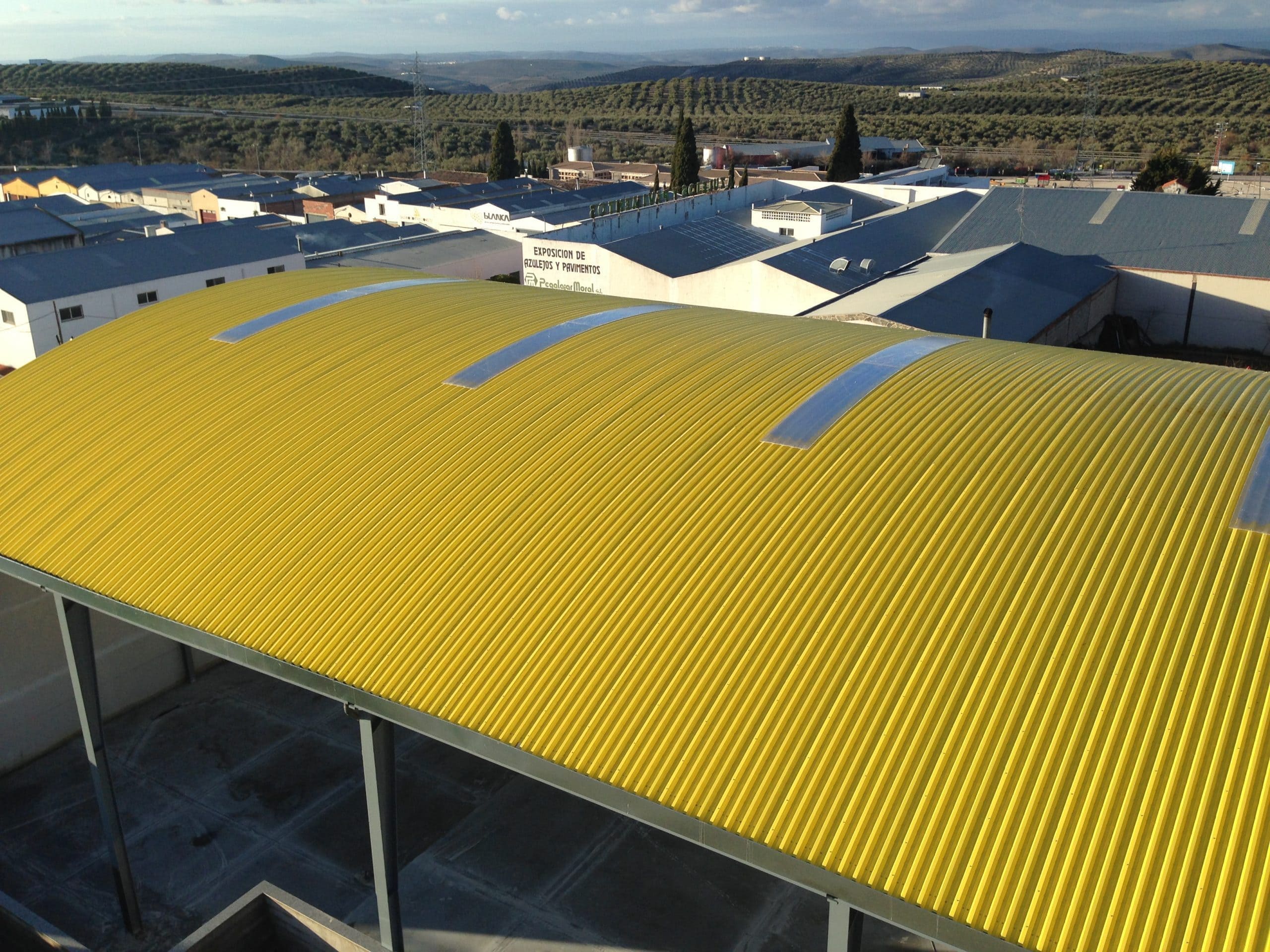
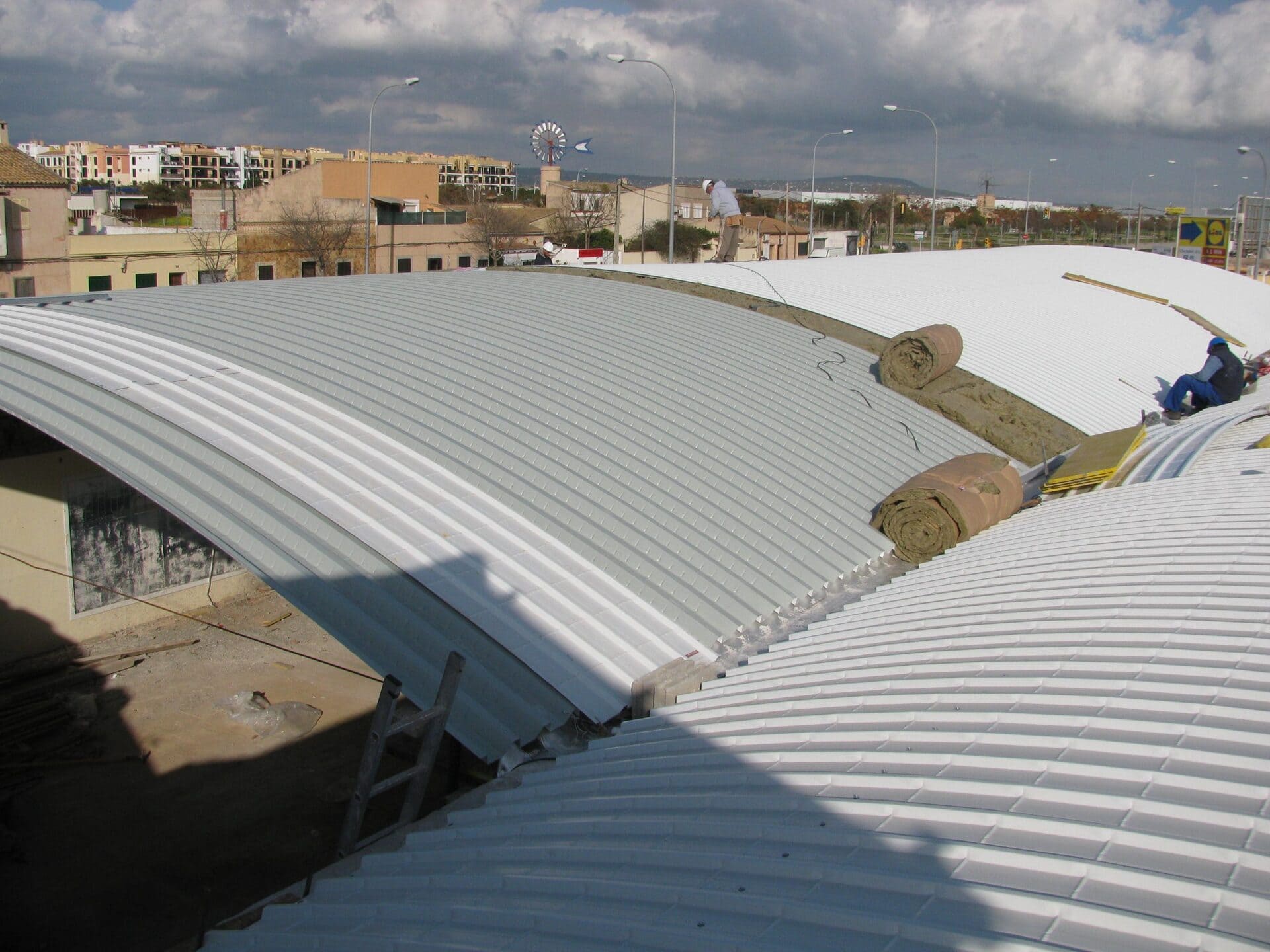
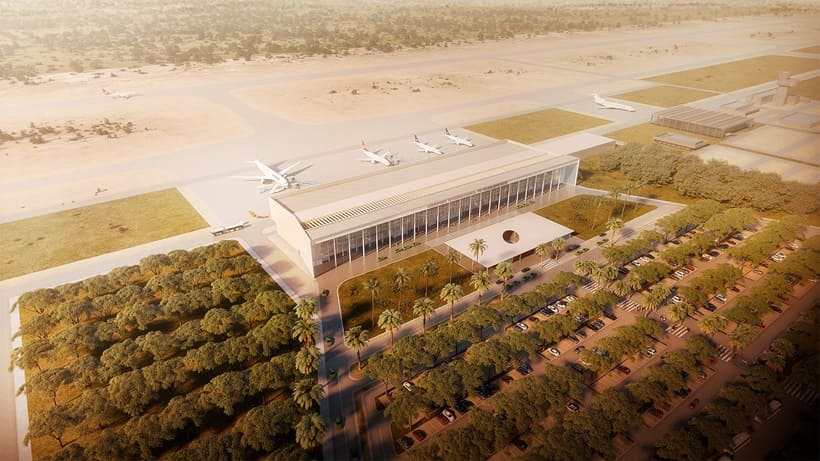
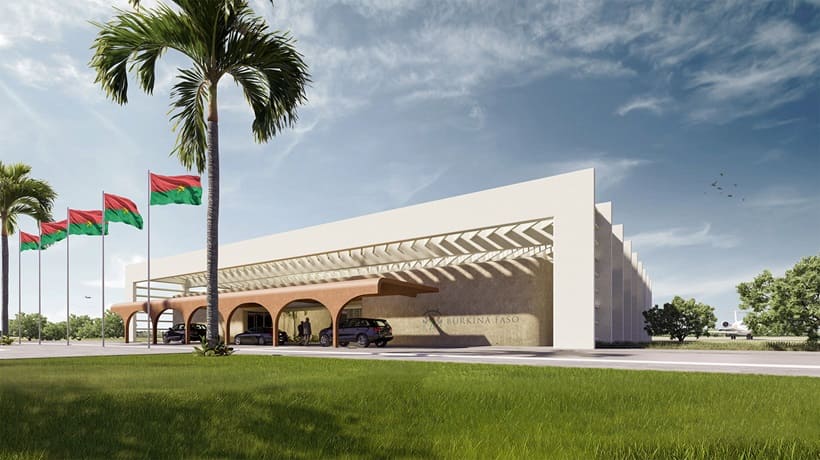
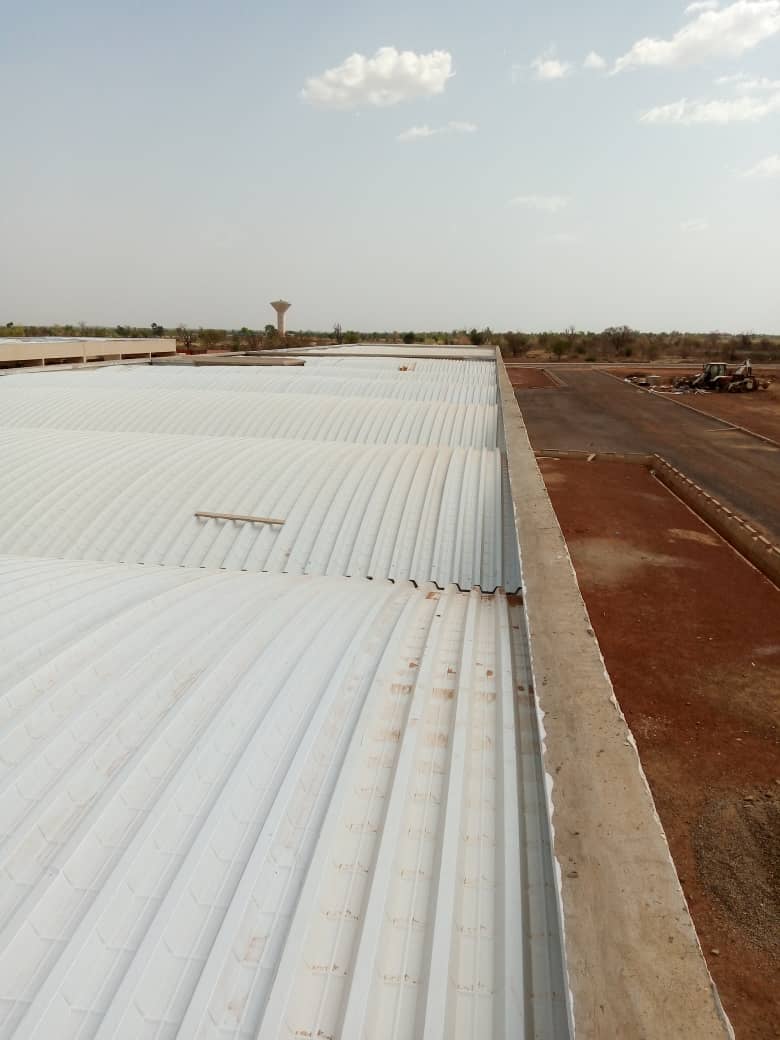
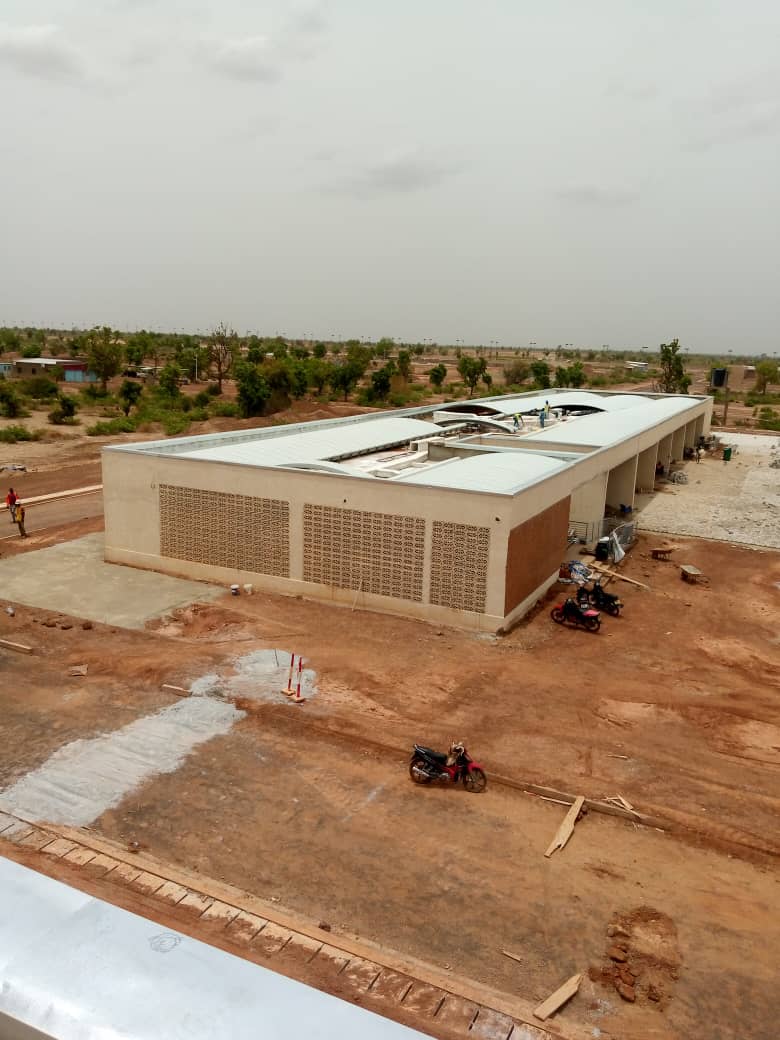
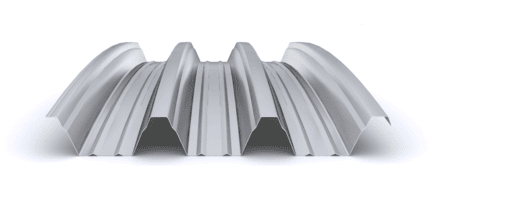
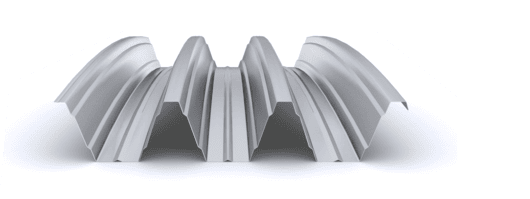
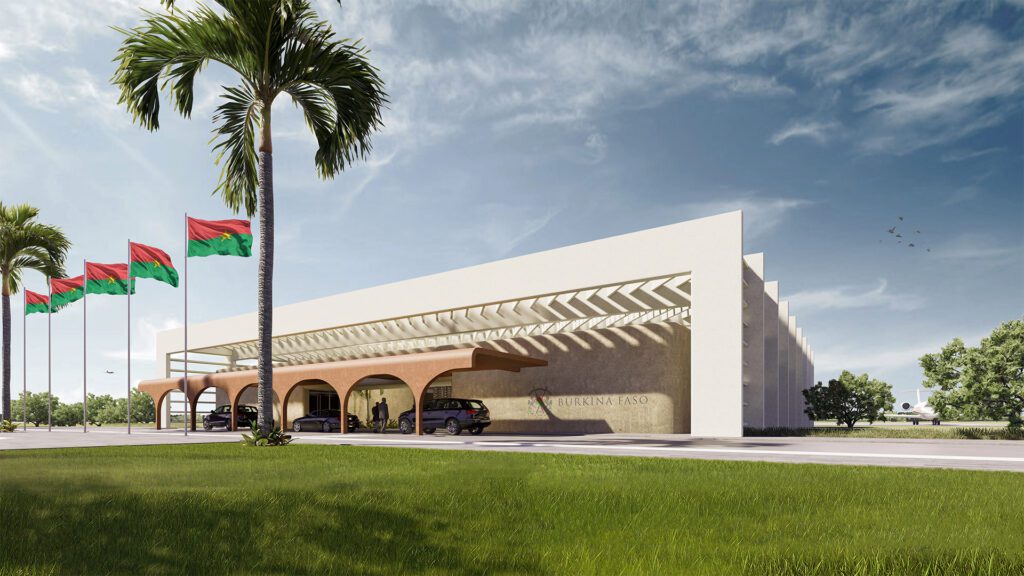
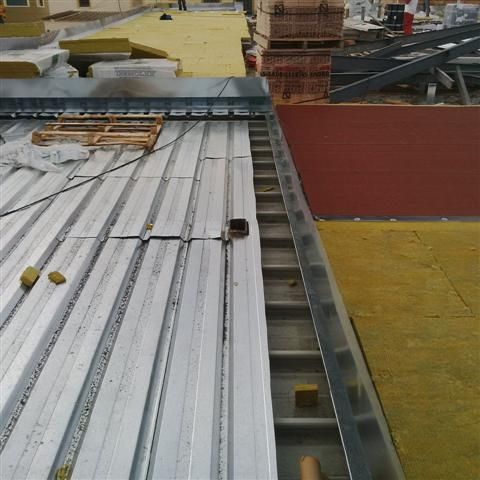
Burkina Faso is developing the new Ouagadougou-Donsin International Airport, which will include a military base as part of its infrastructure. In this project, a self-supporting curved roofing system has been implemented, using the curved INCO 70.4 profile.

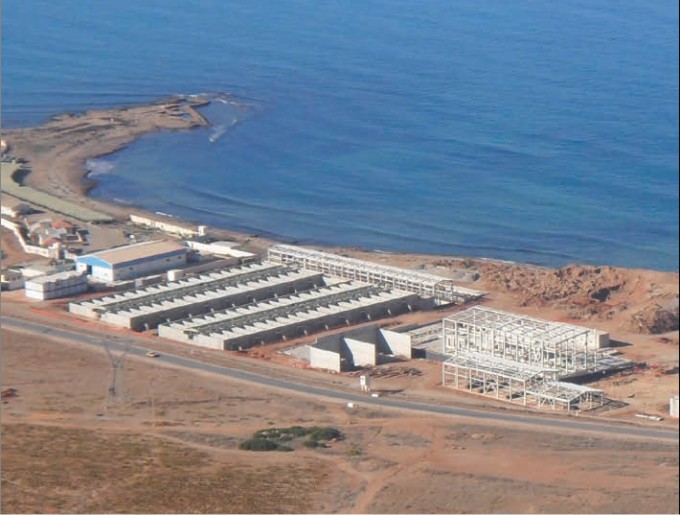
Burkina Faso is making steady progress on the construction of the new Ouagadougou-Donsin International Airport, a strategic infrastructure project designed not only to enhance the country’s air connectivity but also to strengthen its defense capabilities. Located approximately 35 kilometers northeast of the capital, the airport will cover an area of 4,400 hectares and will feature a passenger terminal, a presidential pavilion, logistics areas, a museum, and, notably, a military base. With a projected capacity of one million passengers per year, completion is expected by 2025, with 92% of the works already finalized. The project is being managed through a 30-year concession with the involvement of European investors, underlining its significance both nationally and internationally.

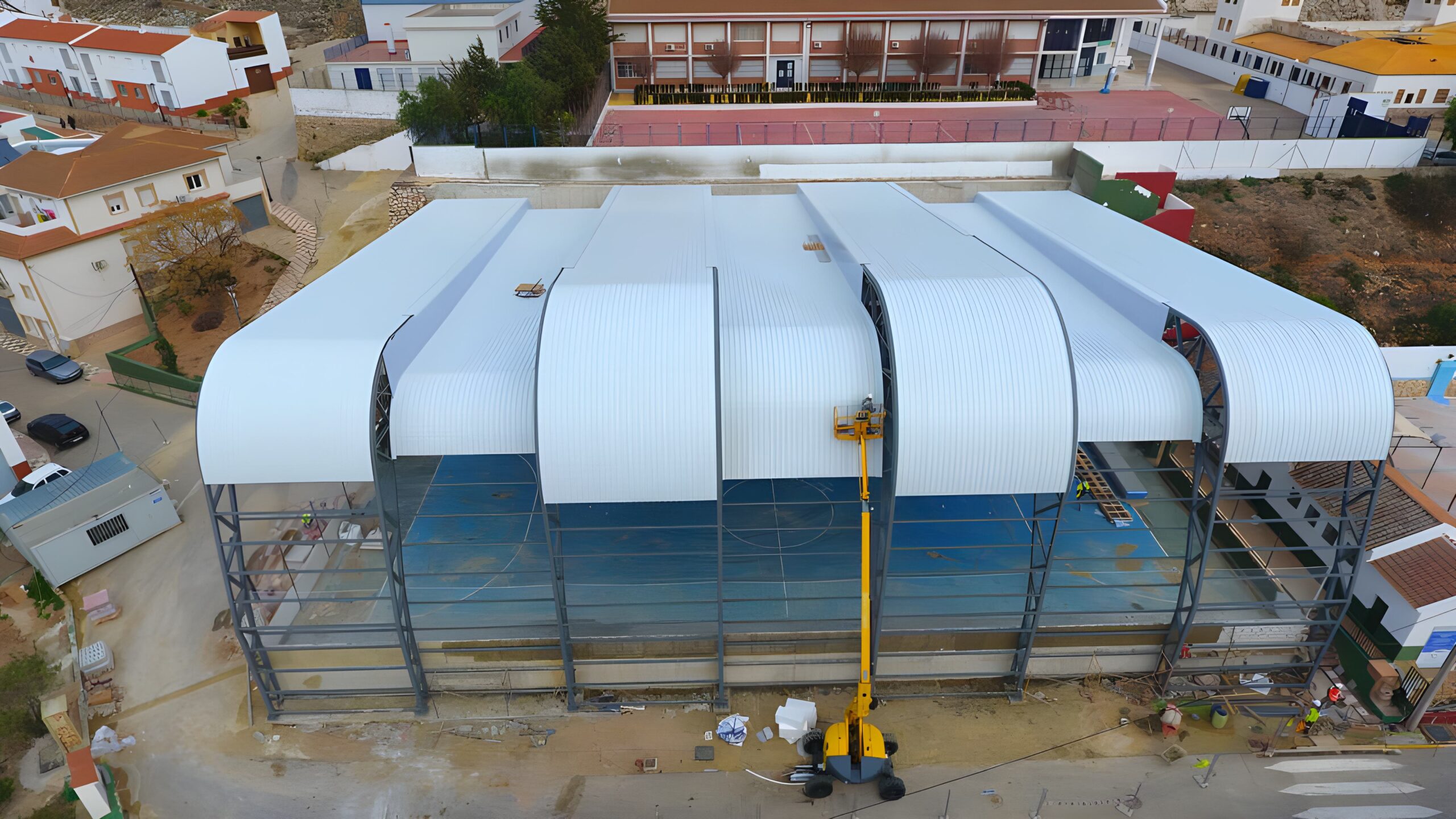
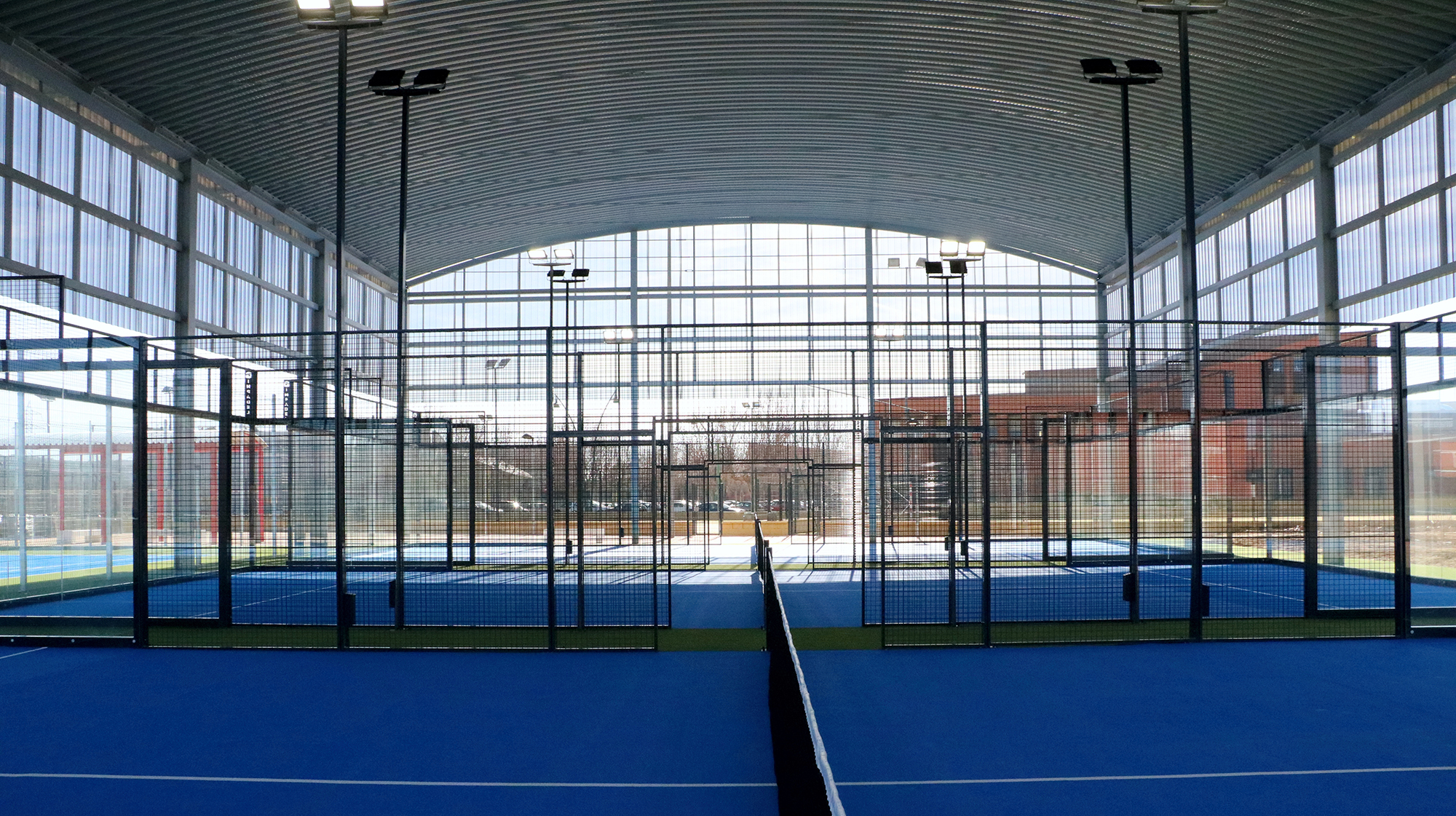
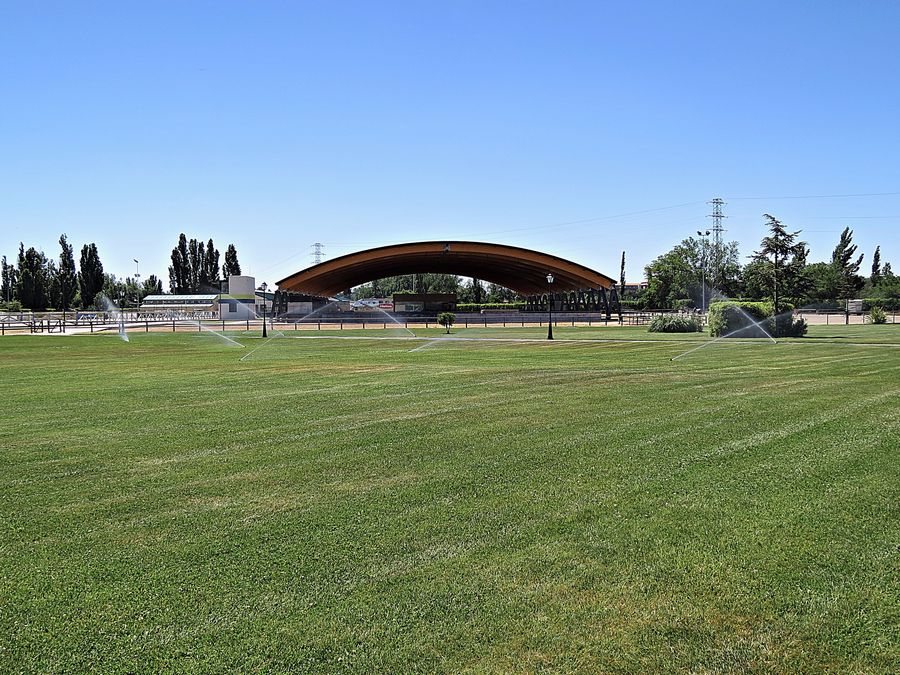
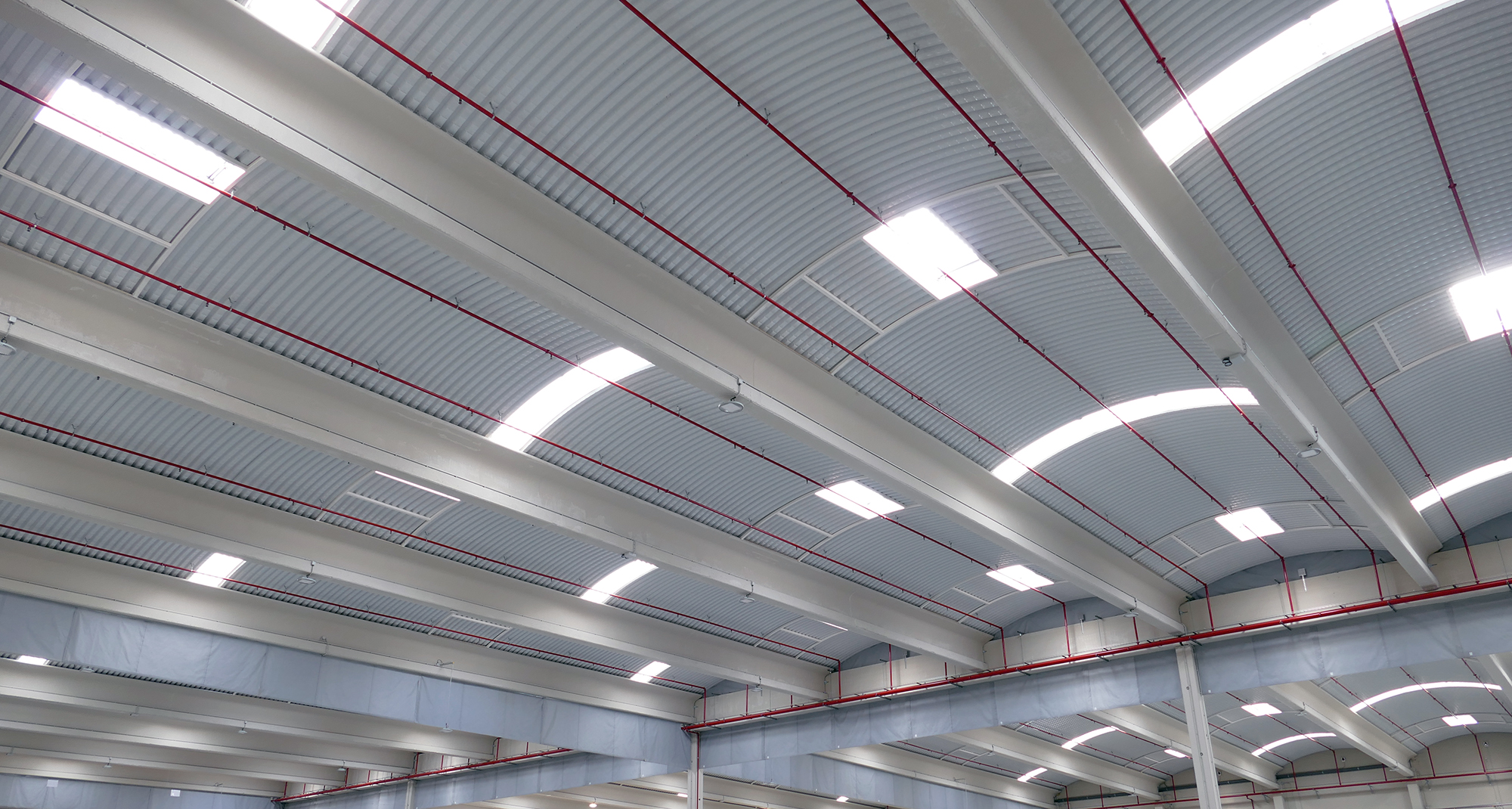
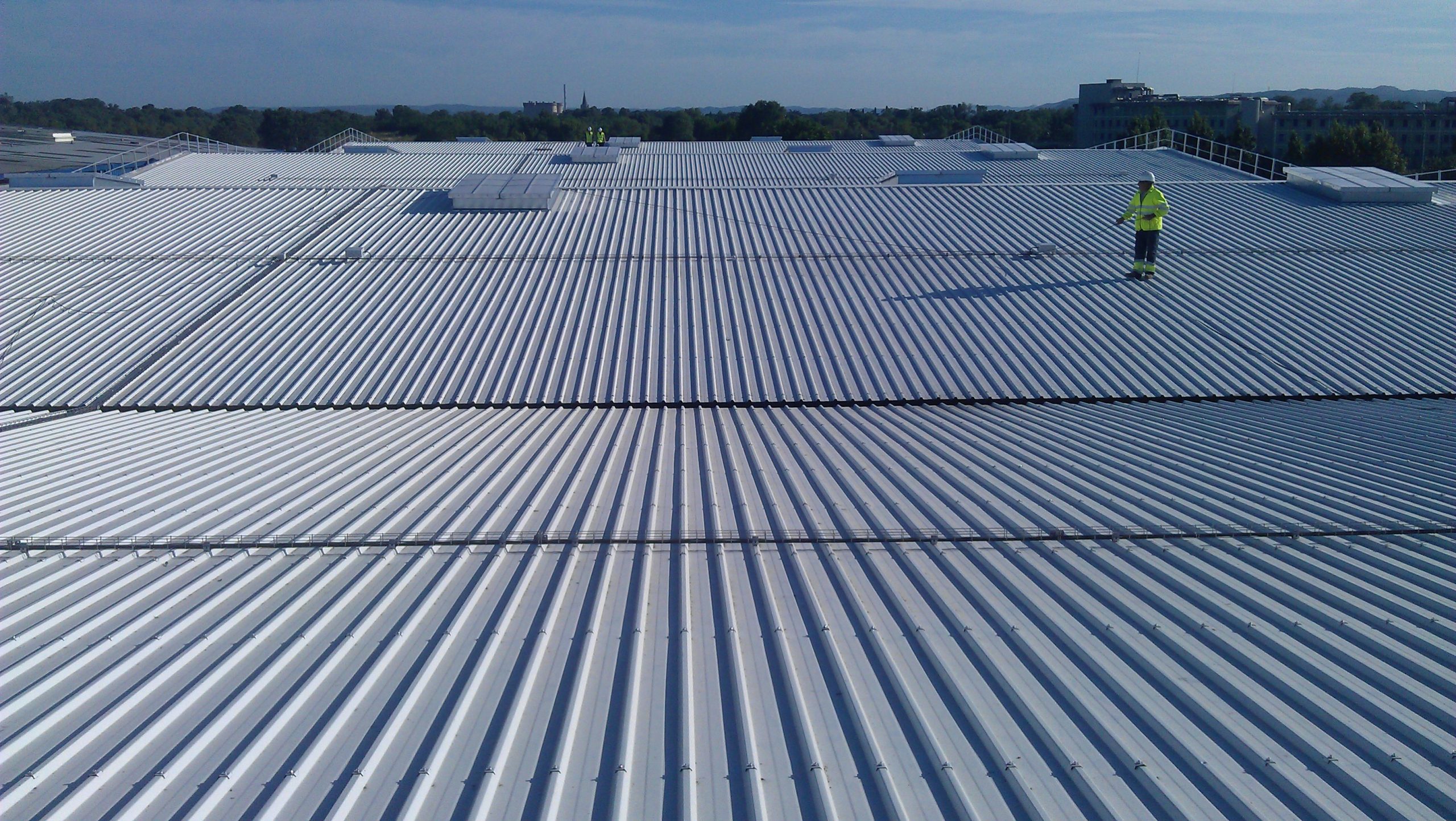
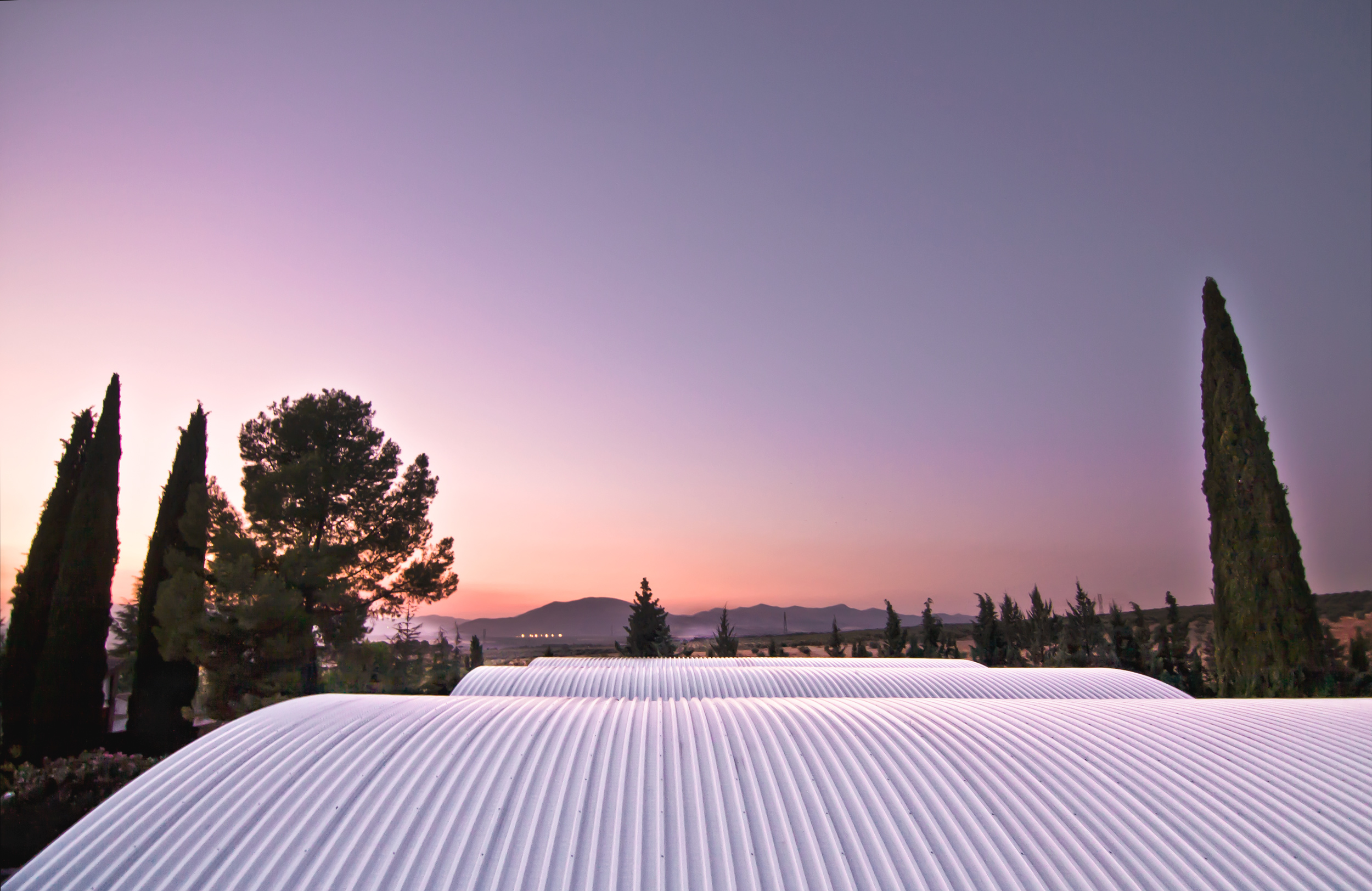
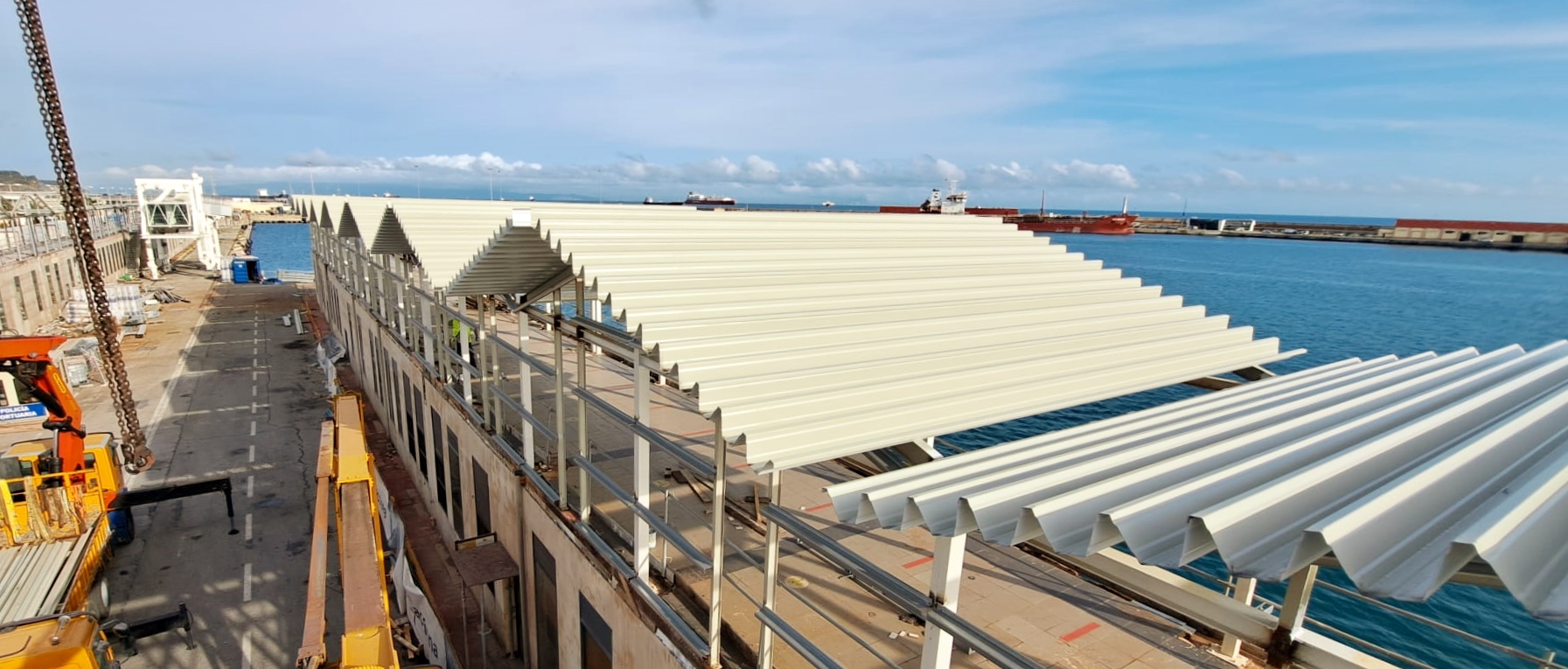
The roofing was executed using a single-sheet, self-supporting curved roof system — a technical solution known for its efficiency and functionality in large-scale projects. In this case, the curved INCO 70.4 profile was used, which is capable of spanning up to 8.10 meters without intermediate supports, allowing for optimal architectural design and maximizing the interior space’s usability.

Key advantages of this system include its remarkably fast installation — significantly reducing on-site construction time — and its excellent mechanical performance, offering strong structural resistance to overload. Furthermore, as the vaulted roof is formed from a single continuous piece, there is no need for overlaps or joints, ensuring complete waterproofing against rain and other weather conditions. This improves both the durability and energy performance of the building. This type of roofing solution is particularly well-suited for industrial buildings, logistics facilities, or spaces that require efficient, long-lasting, and quickly installed coverage.

Start designing yout project

Request calculation report

Complete the form below to receive a detailed report justifying the most suitable enclosure profile. You will receive the information as soon as possible.
Building characteristics
Industrial roof application loads
(1) For sections of the roof profile with 2, 3, 4 or more supports, indicate the greatest distances between supports that appear in your project.
Type of environment
Attached documentation
Additional comments
Contact information
Project data
Building characteristics
Application loads for the industrial facade
(1) For sections of the façade profile with 2, 3, 4 or more supports, indicate the greatest distances between supports that are presented in your project.
Type of environment
Attached documentation
Additional comments
Contact information
Project data
Building characteristics
Deck loads
(1) For sections of the roof profile with 2, 3, 4 or more supports, indicate the greatest distances between supports that appear in your project.
Type of environment
Attached documentation
Additional comments
Contact information
Project data
Structure features
Composite slab characteristics
(1) For the sections of the composite slab with 2, 3, 4 or more supports, indicate the greatest distances between supports that appear in your project. Span length < 5,00 m.
Type of environment
Attached documentation
Additional comments
Contact information
Project data
Building characteristics
Characteristics of the facade
Roof typology

(1) Indicate the length of the span of the arch, which is the greatest horizontal distance between the supports of the curved roofing.

(2) Plan-view dimension representing the full length of the curved roof measured perpendicular to the arch span.

(3) Specify the obstructed area under the canopy, in square meters, as a proportion of the total area of the front or side (transverse or longitudinal) façade, in order to calculate the obstruction factor. If it is a closed construction or there is no obstruction area, indicate 0 m².

Environment characteristics
Type of environment
Attached documentation
Additional comments
Contact information
Project data